 A Shahkaar guide
5 Signs Your Pashmina Shawl Is Losing Quality (and How to Fix It)
A pashmina shawl is a long-term investment, and knowing the early signs of quality loss can save it before the damage becomes permanent.
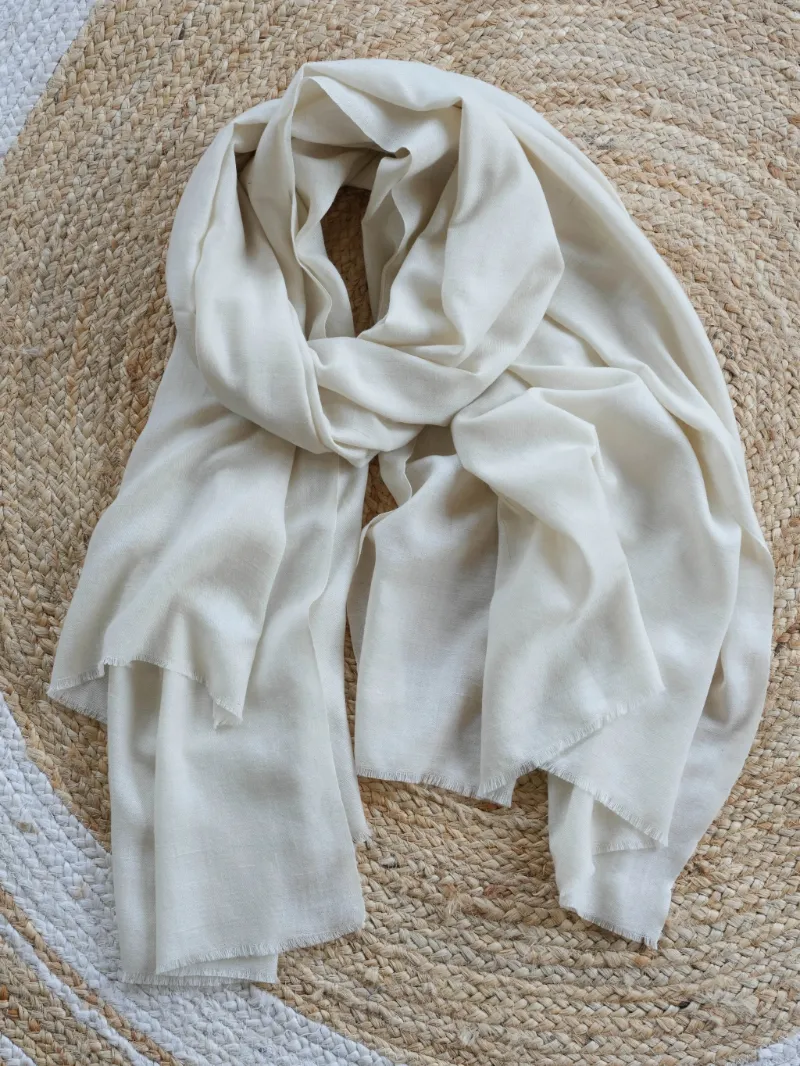
A pashmina shawl is one of the few accessories that genuinely improves with proper care, but it can degrade surprisingly fast when neglected. Spot these five warning signs early, and the fixes are straightforward.
—
What Makes a Pashmina Shawl Worth Protecting
Before diving into the signs, it helps to understand what you are dealing with. Pashmina (material)) comes from the fine undercoat of Changthangi goats native to the high-altitude plateaus of Kashmir. The fibres are typically 12 to 16 microns in diameter, which is what gives a genuine piece its characteristic cloud-like softness and warmth-to-weight ratio.
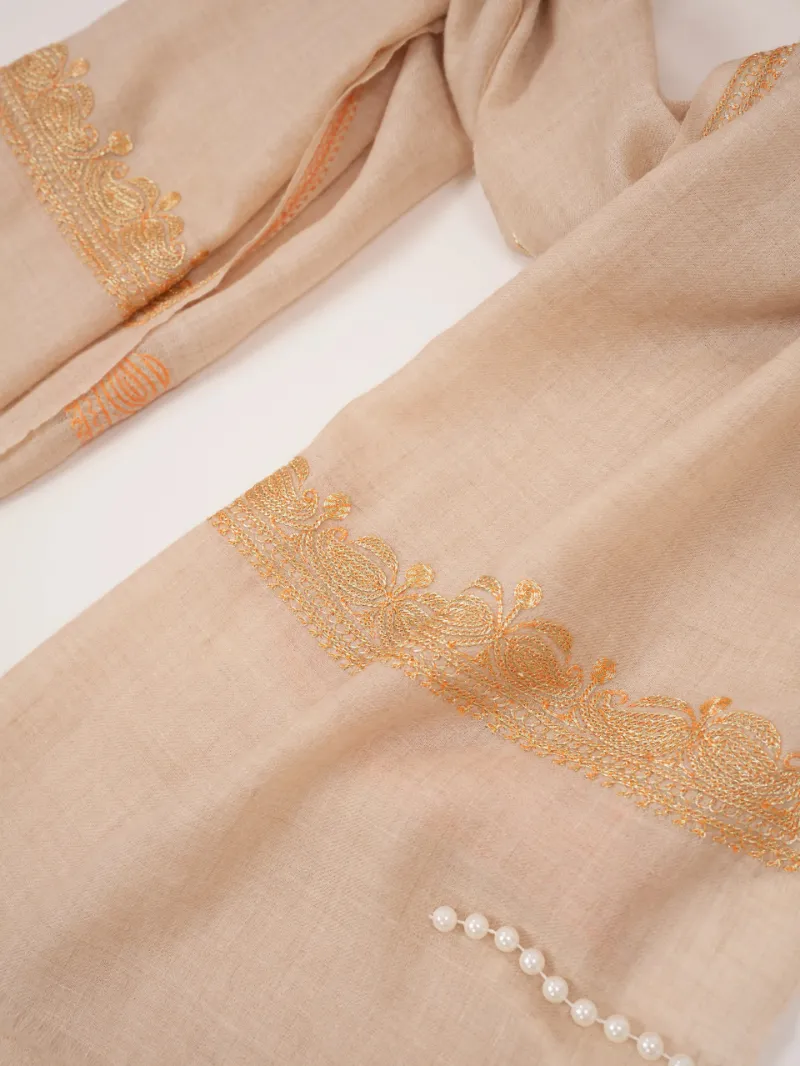
A quality piece, whether it is a kashmiri shawl with hand-embroidered detailing or a plain weave wrap worn daily, earns its keep over years. That lifespan depends almost entirely on how well you read and respond to early warning signs.
—
5 Signs Your Pashmina Shawl Is Losing Quality
Sign 1: The Softness Has Noticeably Faded
This is the most common and most misunderstood sign. Pashmina fibres open and relax with body heat, so a new shawl feels different after just a few hours of wear. What you should never feel is a rough, scratchy, or stiff texture during wear.
Why it happens:
- Washing with hot water or harsh detergents strips natural lanolin from the fibres
- Machine washing, even on a delicate cycle, causes friction that mats the fine fibres together
- Prolonged exposure to direct sunlight bleaches and stiffens the fibre structure
The fix: Hand-wash in cool water with a tiny amount of baby shampoo or specialist wool wash. Rinse gently, never wring, and lay flat on a towel to dry in the shade.
—
Sign 2: Pilling Along the Edges and Body
Light pilling during the first few wears is normal as short fibres work their way to the surface. Persistent, heavy pilling that keeps returning after you remove it is a different story.
Why it happens:
- Friction from bags, coat linings, and rough outer layers
- Lower-quality blended fibres that lack the length and strength of pure pashmina
- Incorrect storage that causes fibres to rub together
The fix: Use a fabric comb or a specialist de-piller on the lowest setting. Store the shawl folded (never on a hanger, which stretches the weave) inside a breathable cotton bag.
—
Sign 3: Colour Has Gone Dull or Uneven
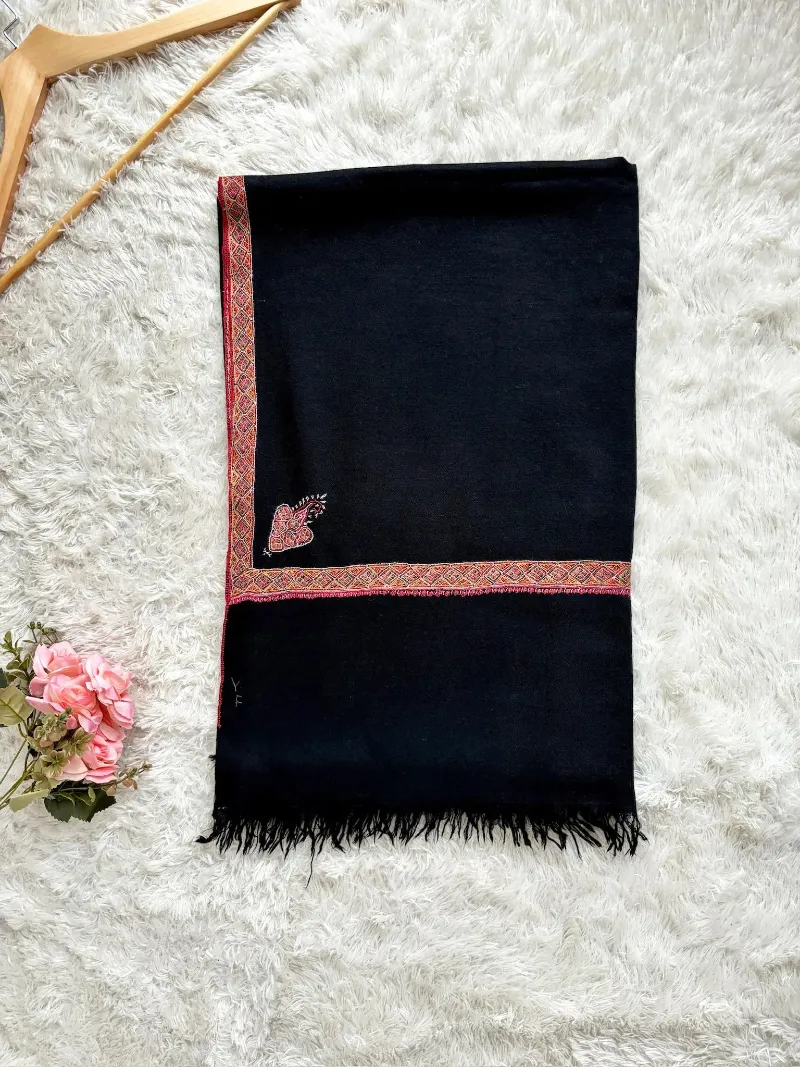
A black pashmina should hold a deep, consistent tone for years. A pink pashmina should stay vibrant and even. When colours start looking washed-out, patchy, or chalky, quality is slipping.
Why it happens:
- UV exposure breaks down dye molecules, especially in darker and brighter shades
- Hard water minerals deposit on fibres and create a dull film
- Over-washing dilutes colour faster than wear alone
The fix: Always wash with cold water to lock dye in. Add a tablespoon of white vinegar to the final rinse to neutralise mineral deposits and refresh colour. Store away from windows and direct light.
—
Sign 4: The Drape Has Stiffened or Warped
A well-made shawl has a fluid drape. When yours starts to feel board-like, bunchy, or uneven when you throw it over your shoulders, the weave structure is under stress.
Why it happens:
- Wringing or twisting when wet permanently distorts the weave
- Folding in the same places every time creates permanent creases that weaken fibres
- Heat from radiators or tumble dryers shrinks and sets fibres out of alignment
The fix: After washing, support the full weight of the wet shawl and lay it flat. Rotate your fold lines each time you store it. If stiffness persists, hold the shawl over steam from a kettle (keeping it at a safe distance) and gently ease it back into shape.
—
Sign 5: You Are Spotting Moth Damage
Tiny, irregular holes with slightly frayed edges are the calling card of clothes moths. Pashmina, like all animal fibres, is a prime target.
Why it happens:
- Storing without cleaning first (moths are attracted to body oils and food residues)
- Dark, undisturbed storage areas with no airflow
- No moth deterrent in place
The fix: Always wash or dry-clean before storing. Use cedar blocks or lavender sachets (not mothballs, which can damage fibres and leave odour). Inspect stored shawls every season.
—
How to Tell a Pashmina Shawl Original From a Blend
If your shawl is degrading faster than expected, it may be a blended piece rather than a pure original. According to this guide on identifying pure pashmina shawls, genuine pashmina should feel cooler than room temperature when first touched and should warm almost immediately from body heat. A burn test (on a hidden strand only) should produce a slow burn with a smell similar to burnt hair, not melting plastic.
| Test | Pure Pashmina | Synthetic Blend |
|---|---|---|
| Touch | Instantly cool, then warm | Room temperature throughout |
| Burn | Slow, ash residue, hair smell | Fast melt, plastic smell |
| Ring test | Passes through a ring easily | Snags or bunches |
| Drape | Fluid, even | Stiff or uneven |
For a guaranteed original, shop a trusted specialist. You can also grab the current 20% off code before your next purchase.
—
Buying a Replacement: Matching the Right Style to Your Needs
If the damage is beyond repair, choosing a quality replacement is the smartest move. Here is a quick guide based on use case:
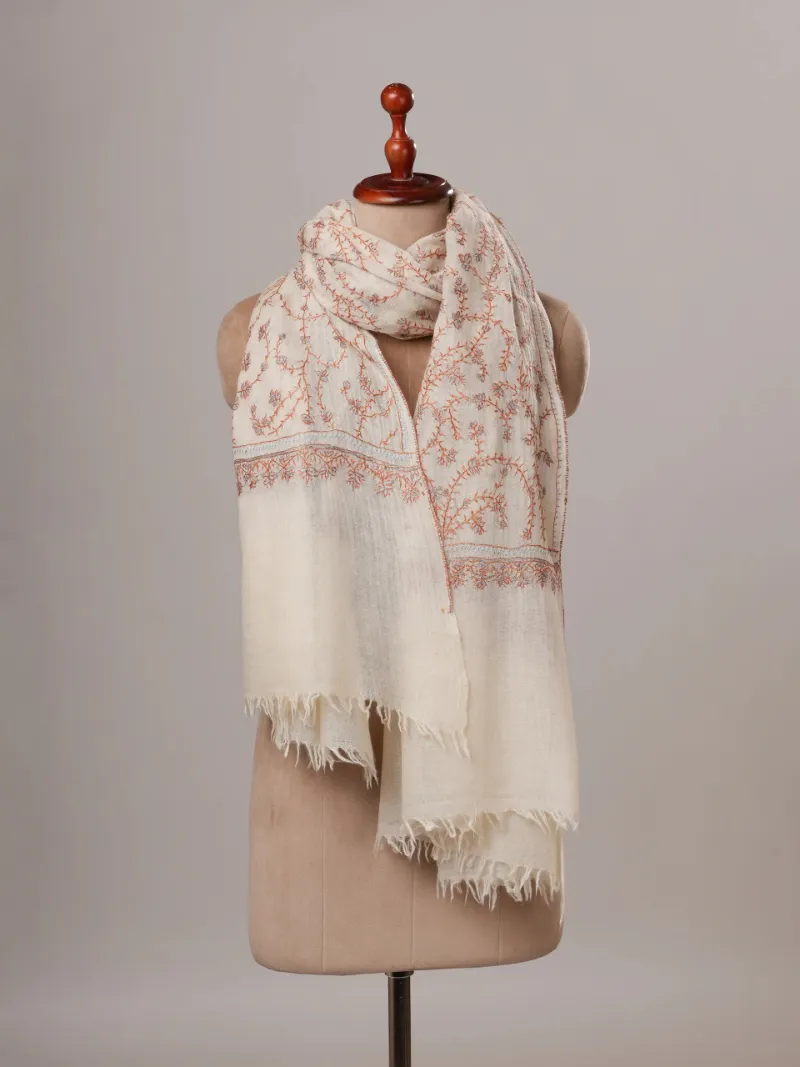
- Everyday wear (pashmina shawl for women or men): A plain weave wrap in a neutral tone offers the most versatility and the easiest care routine
- Pashmina shawl for wedding: Look for hand-embroidered or sozni-work pieces; the kashmiri shawl range at Shahkaar covers this well
- Gifting: A pink pashmina or white shawl in a gift-ready presentation makes an immediately impressive choice
- Year-round use: A lighter plain weave works in warmer months; a denser twill or double-weave suits winter
Check the latest prices and the discount code to see what fits your budget right now.
—
Quick-Reference Care Rules
- Wash: Cool water, baby shampoo or wool wash, hand-wash only
- Dry: Flat on a towel, away from direct heat and sunlight
- Store: Folded in a breathable cotton bag, with cedar blocks, in a cool dark space
- De-pill: Fabric comb or low-setting de-piller, as needed
- Inspect: Every season for moth activity or fibre stress points
Follow these consistently and a quality piece, whether a plain wrap or an intricately woven pashmina shawl, will stay in rotation for a decade or more.
Questions
How do I know if my pashmina shawl is made from pure fibre or a blend?
A genuine pashmina shawl feels instantly cool to the touch and then warms quickly from body heat. You can also do a careful burn test on a hidden strand: pure pashmina burns slowly, smells like hair, and leaves a crushable ash residue, while synthetic blends melt and smell like plastic.
Can a pashmina shawl be restored once it has gone rough or stiff?
In most cases, yes. Hand-washing in cool water with a gentle baby shampoo and laying it flat to dry often restores softness. For stiffness caused by misshaping when wet, gentle steaming and careful reshaping while the fibres are warm and pliable can bring back the original drape.
How should I store a black pashmina to prevent colour fading?
Keep your black pashmina folded inside a breathable cotton bag and away from direct sunlight and artificial light sources. Adding a tablespoon of white vinegar to the final rinse when washing also helps neutralise mineral deposits that contribute to dullness.
Is pilling on a new pashmina shawl a sign of poor quality?
Light pilling during the first few wears is normal as short surface fibres work loose. Persistent heavy pilling that returns quickly after removal is a stronger indicator of a lower-quality fibre blend or incorrect washing technique.
What is the best way to protect a kashmiri shawl from moths during storage?
Always clean the shawl before storing it, since moths are attracted to body oils and food residues rather than the fibre itself. Place cedar blocks or lavender sachets in the storage bag, and inspect stored pieces at least once a season for early signs of damage.
Can men wear a pashmina shawl, and do the care rules differ?
Absolutely, a pashmina shawl for men is typically worn as a wrap or draped over a coat for warmth. The care rules are identical regardless of style or wearer, since the fibre behaves the same way no matter the cut or size of the piece.
Products in this guide
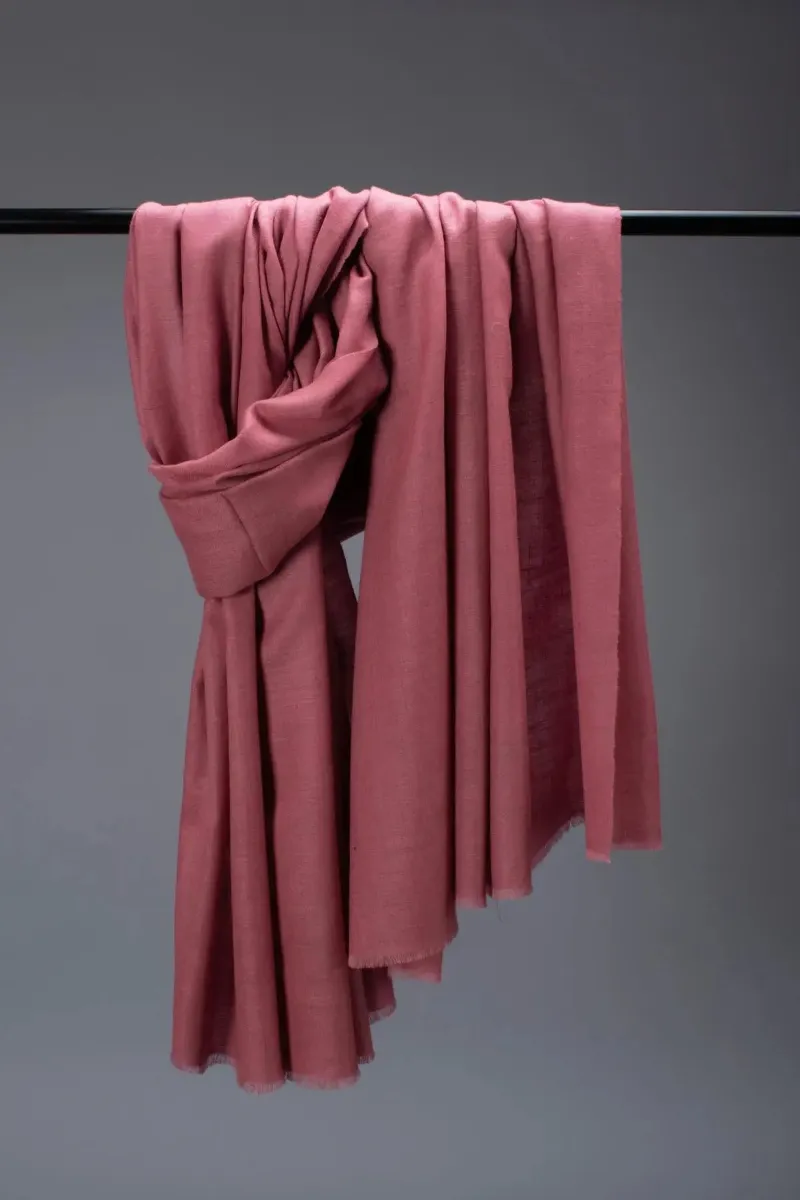
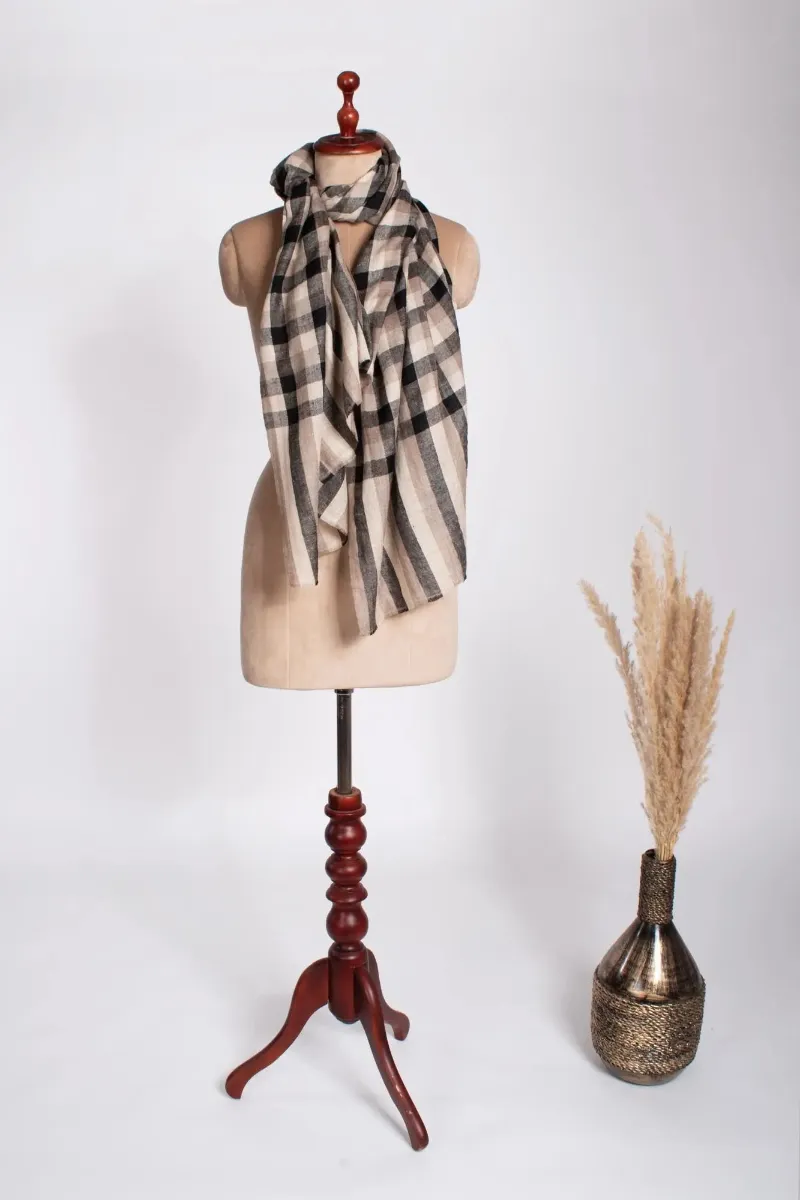 Shopping at Shahkaar? See the discount code
20% OFF All Orders
Shopping at Shahkaar? See the discount code
20% OFF All Orders
More in this series
White vs Black Pashmina: Which Suits Everyday Wear?5 Aug 20264 minThe Beginner’s Guide to Choosing Between a Pashmina Shawl and a Kashmiri Shawl5 Aug 20264 minWhy Shahkaar Kashmiri Shawls Are Worth the Investment5 Aug 20265 minHow to Wash and Store a Shahkaar Pashmina Shawl Without Ruining It5 Aug 20264 minPashmina vs Kashmir Scarf: What’s the Real Difference?5 Aug 20264 min