 A Shahkaar guide
The Beginner’s Guide to Choosing Between a Pashmina Shawl and a Kashmiri Shawl
A pashmina shawl and a Kashmiri shawl are often confused, but understanding what sets them apart will help you choose the right one for your style, occasion, and budget.
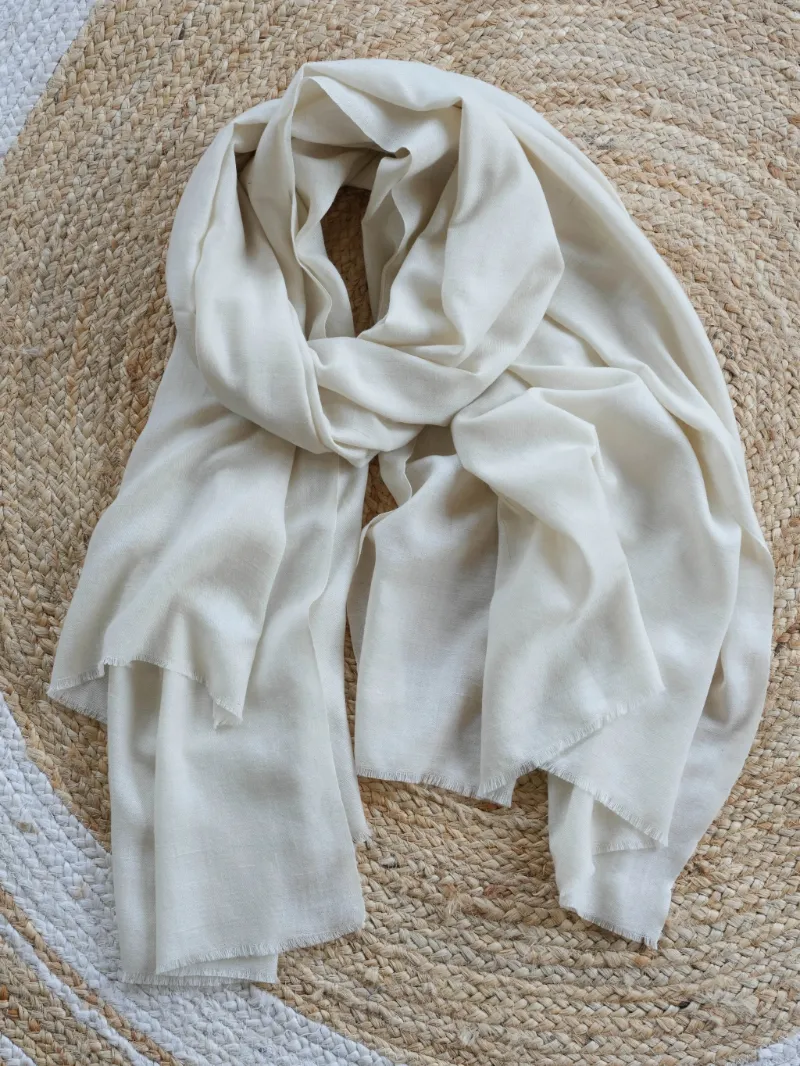
A pashmina shawl is a lightweight, ultra-soft wrap woven from the fine undercoat of Himalayan Changthangi goats, while a Kashmiri shawl is a broader category that includes pashmina as well as other weaves and embroidery traditions from the Kashmir Valley. Knowing the difference saves you from overpaying for the wrong piece or missing out on the one that genuinely suits your needs. This guide covers materials, construction, occasions, and styling so you can shop with confidence.
What a Pashmina Shawl Is Actually Made From
The phrase “pashmina shawl is made from” turns up in search constantly, and for good reason: the fiber is what separates genuine pashmina from imitations.
- Fiber: True pashmina comes from the Changthangi (or Pashmina) goat found in Ladakh and the high Tibetan plateau. The fleece is hand-combed, not sheared, at altitudes above 14,000 feet.
- Fineness: The fiber measures roughly 12 to 16 microns in diameter, finer than cashmere (which is up to 19 microns) and far finer than wool.
- Weave: Authentic pieces are hand-spun and hand-woven on traditional wooden looms. Machine-made “pashmina” is usually a viscose blend.
- Weight: A full-size shawl typically weighs around 100 to 200 grams, giving that signature featherlight drape.
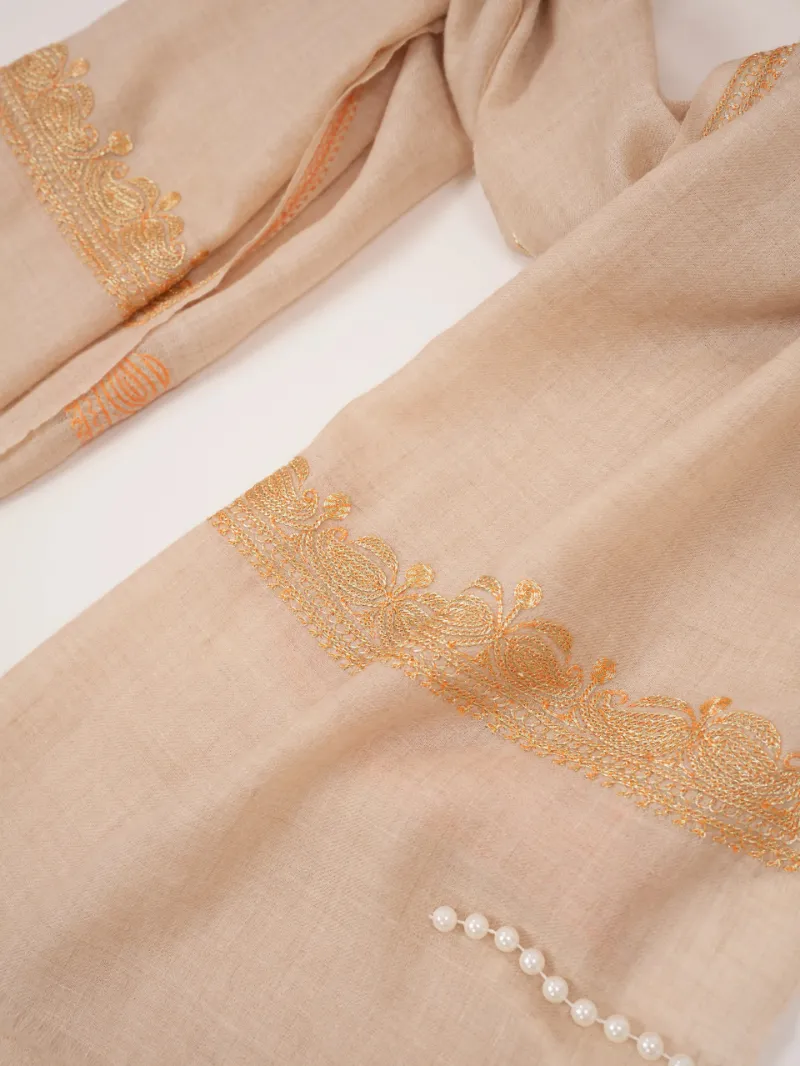
A kashmiri shawl, by contrast, may use pashmina fiber, shahtoosh (now banned), raffal wool, or silk, and the defining characteristic is often the kani or sozni embroidery worked on top, not just the base fiber.
Pashmina Shawl vs Kashmiri Shawl: Key Differences
| Feature | Pashmina Shawl | Kashmiri Shawl |
|---|---|---|
| Primary fiber | Changthangi goat down | Varies (pashmina, raffal, silk) |
| Embroidery | Minimal or none | Often heavy sozni or kani work |
| Weight | Very light | Can be heavier with embroidery |
| Occasion | Everyday to formal | Formal, bridal, gifting |
| Texture | Buttery, fluid | Structured or fluid depending on work |
If you want everyday warmth and softness, a plain pashmina shawl wins. If you want an heirloom piece with hand-embroidered motifs for a wedding or special occasion, a Kashmiri shawl is the better investment.
Choosing by Color and Style
Color is one of the first decisions most buyers make, and Shahkaar’s range covers the most versatile options:
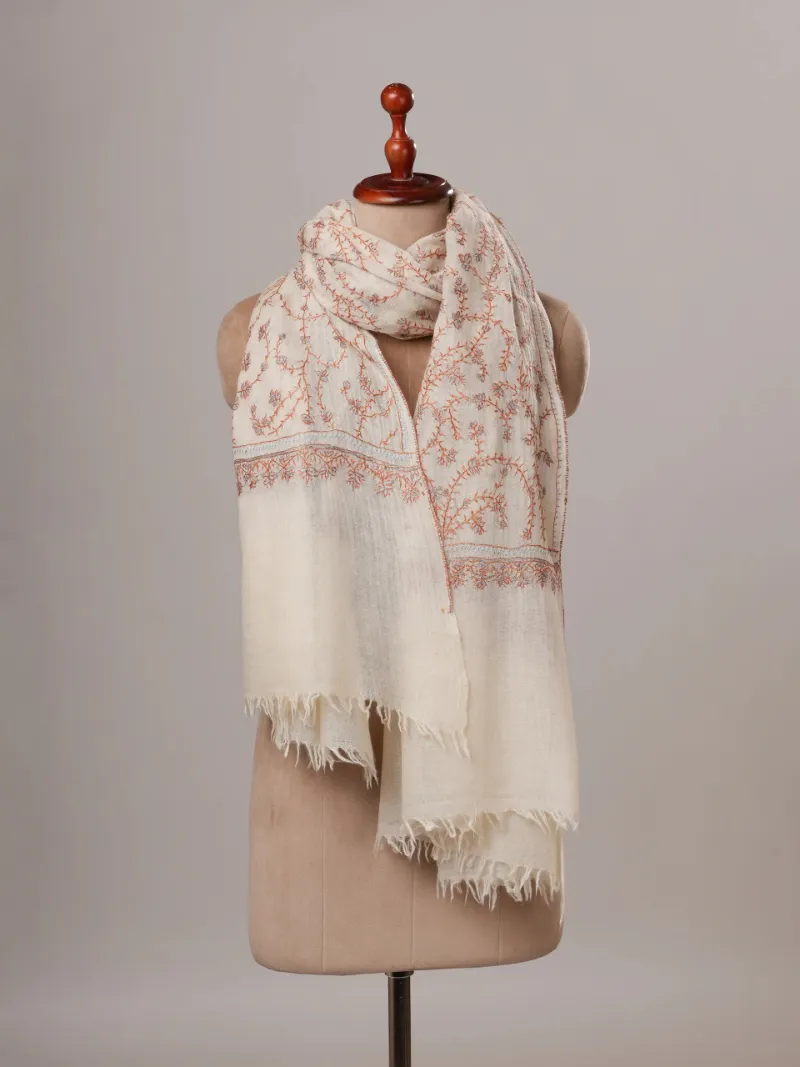
- Classic neutrals: A white shawl works across seasons, layering beautifully over bridal outfits or summer dresses. White is the top request for pashmina shawl for wedding use.
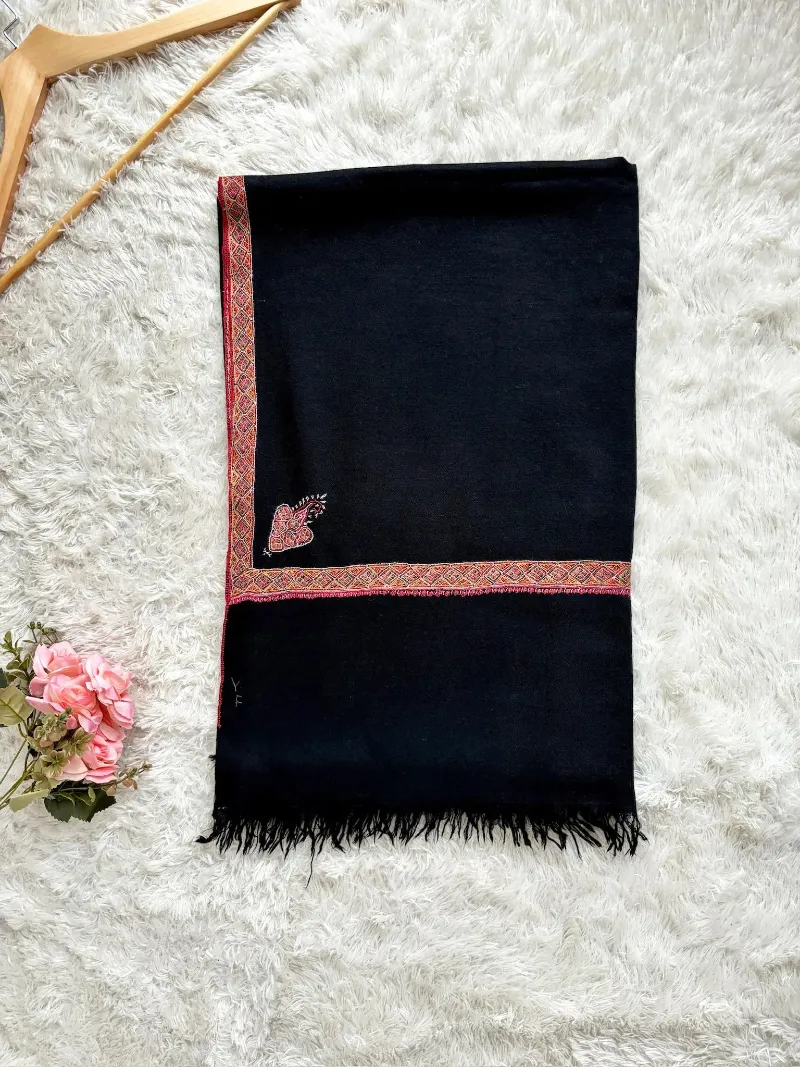
- Timeless black: A black pashmina is the most versatile everyday option, pairing with virtually any outfit and hiding wear better than lighter shades.
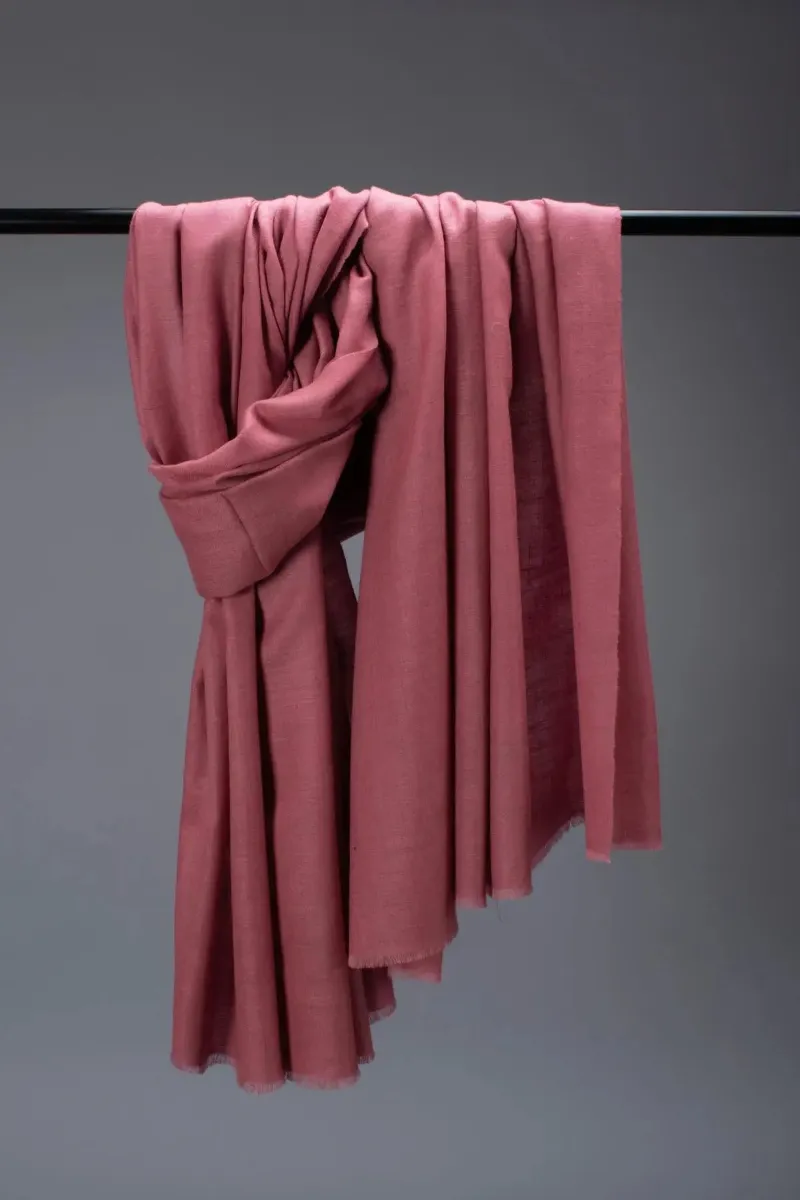
- Soft feminine tones: A pink pashmina is popular for pashmina shawl for women gifting, bridal showers, and spring events.
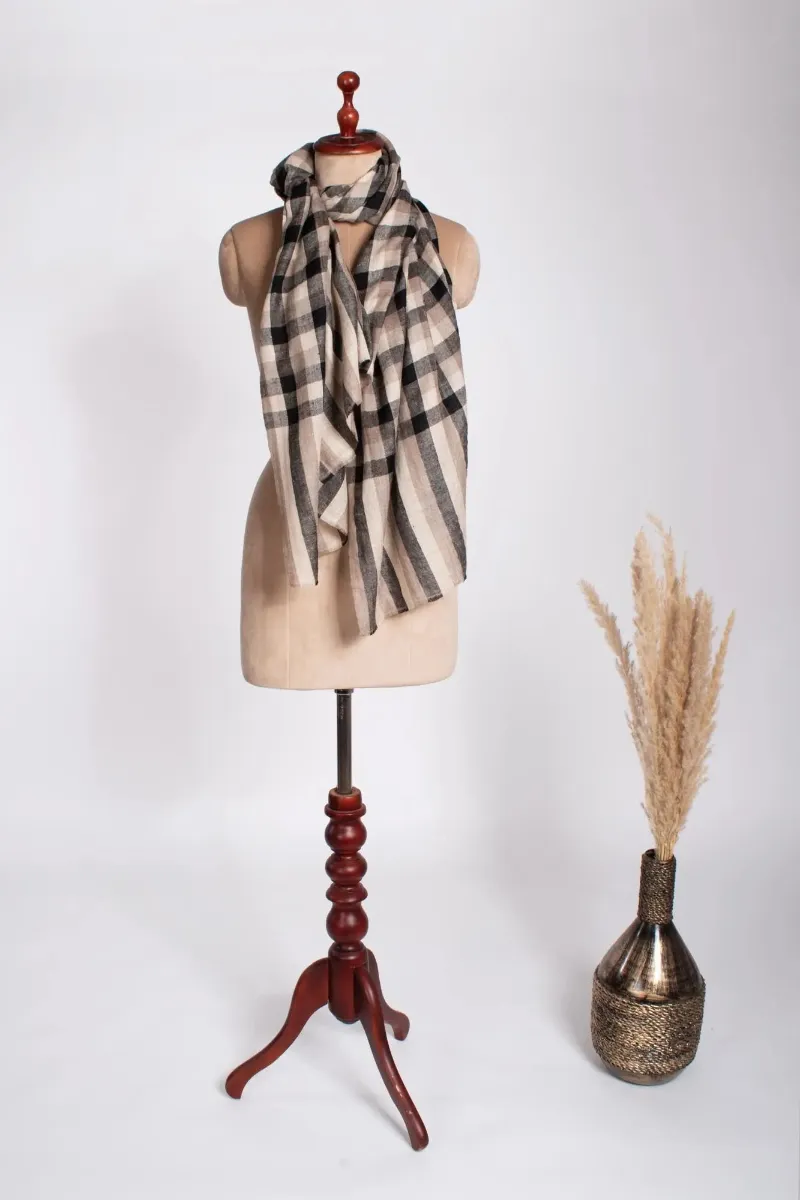
- Compact travel option: If you want something lighter and more packable, a kaschmir scarf gives you the same fiber in a narrower format, ideal for pashmina shawl mens styling or anyone who prefers a scarf silhouette.
The right color depends on your wardrobe’s base palette. If you own mostly neutrals, any color works. If your wardrobe is already colorful, black or white will give you the most combinations.
Who Each Style Suits Best
Pashmina shawl for women is the broadest use case. A plain pashmina drapes naturally over sarees, abayas, evening gowns, or casual knitwear. The softness makes it comfortable against bare shoulders.
Pashmina shawl mens styling is more common than people assume. A large, undyed or dark-toned pashmina worn as a wrap or folded over a coat is a staple in South Asian and Middle Eastern men’s fashion. The kaschmir scarf format suits a more tailored, Western wardrobe.
Pashmina shawl for wedding use calls for white, ivory, or pale pink, ideally with a subtle border or a touch of embroidery. The kashmiri shawl category is ideal here because the traditional hand-embroidered motifs photograph beautifully and carry cultural significance.
How to Spot an Original Pashmina Shawl
The market is flooded with synthetic blends labelled “pashmina.” Here is how to check:
- Burn test: Real pashmina burns like hair (smells of keratin, leaves a crushable ash). Synthetic blends melt and smell of plastic.
- Ring test: A full-size genuine pashmina can be pulled through a finger ring due to its fineness and open weave. Not all authentic pieces pass this, but none that fail it are genuine.
- Hand feel: Authentic pashmina warms instantly on contact with skin because the fine fibers trap body heat. It should feel soft, not scratchy.
- Weight: Extremely heavy shawls are often blended with wool or cotton to cut costs.
- Price: Genuine hand-woven pashmina is never a bargain-bin product. If the price seems too good, the fiber is almost certainly blended or synthetic. Check the latest price on Shahkaar to get a sense of fair market value with our current discount applied.
Caring for Your Pashmina or Kashmiri Shawl
Proper care extends the life of either piece significantly:
- Washing: Hand-wash in cold water with a gentle shampoo or baby wash. Never wring or twist.
- Drying: Lay flat on a clean towel, reshape, and air dry away from direct sunlight.
- Storage: Fold (never hang, which distorts the weave) and store in a breathable cotton bag with a cedar block to deter moths.
- Pilling: Light pilling is normal in the first few washes. Use a fabric comb, not a lint roller, to remove it without damaging the weave.
- Embroidered Kashmiri pieces: Dry-clean only if the embroidery is dense or uses metallic thread.
Where to Buy and How to Save
Shahkaar specialises in authenticated South Asian textiles, which means you are not guessing about fiber content or craftsmanship. The full range, including the pashmina shawl, black pashmina, pink pashmina, and kashmiri shawl, is available directly on the store.
Questions
What is the difference between a pashmina shawl and a Kashmiri shawl?
A pashmina shawl refers specifically to a wrap woven from the fine undercoat of Himalayan Changthangi goats, valued for its softness and lightness. A Kashmiri shawl is a broader term covering shawls from the Kashmir Valley that may use pashmina, raffal wool, or silk, often distinguished by traditional hand-embroidery such as sozni or kani work.
How can I tell if a pashmina shawl is original?
Check the burn test (real pashmina smells of keratin and leaves a crushable ash, not melted plastic), the hand feel (instantly warm and non-scratchy against skin), and the weight (genuine pieces are very light). Price is also a reliable signal since authentic hand-woven pashmina is never cheap.
Which shawl is best for a wedding?
A white shawl or a kashmiri shawl with hand embroidery is the most popular bridal choice because the detailing photographs beautifully and carries cultural significance. A pink pashmina is a great alternative for bridesmaids or wedding guests who want something lighter.
Can men wear a pashmina or Kashmiri shawl?
Absolutely. Large, dark-toned pashminas are a staple in South Asian and Middle Eastern men's fashion, worn as a wrap over a sherwani or coat. A kaschmir scarf in a narrower cut also works well for a more tailored, everyday look.
How should I wash and store a pashmina shawl?
Hand-wash in cold water with a mild shampoo, then lay flat to dry away from direct sunlight. Store folded (never hung) in a breathable cotton bag with a cedar block to protect against moths and preserve the fiber's softness.
Is there a discount code available for Shahkaar pashmina products?
Yes, Shahkaar currently offers 20% off all orders. Visit our Shahkaar discount code page to find the current code and confirm it is still active before you check out.
Products in this guide
 Shopping at Shahkaar? See the discount code
20% OFF All Orders
Shopping at Shahkaar? See the discount code
20% OFF All Orders
More in this series
White vs Black Pashmina: Which Suits Everyday Wear?5 Aug 20264 min5 Signs Your Pashmina Shawl Is Losing Quality (and How to Fix It)5 Aug 20264 minWhy Shahkaar Kashmiri Shawls Are Worth the Investment5 Aug 20265 minHow to Wash and Store a Shahkaar Pashmina Shawl Without Ruining It5 Aug 20264 minPashmina vs Kashmir Scarf: What’s the Real Difference?5 Aug 20264 min