 A Nomadique Co guide
How to Wash and Care for Sand Proof Towels Without Losing Absorbency
A sand proof towel stays absorbent and sand-free when you wash it correctly, avoiding fabric softener and high heat that damage the microfibre weave.
A sand proof towel stays absorbent and sand-free when you wash it correctly, avoiding fabric softener and high heat that damage the microfibre weave.
Why Sand Proof Towels Need Different Care
Microfibre beach towels work because of their tightly woven synthetic fibres that repel sand grains while wicking moisture. Regular cotton towel detergents and fabric softeners coat these fibres with waxy residue, closing the tiny gaps that create absorbency and sand resistance. Consumer Reports testing shows that improper washing degrades microfibre performance faster than sun exposure or regular use.
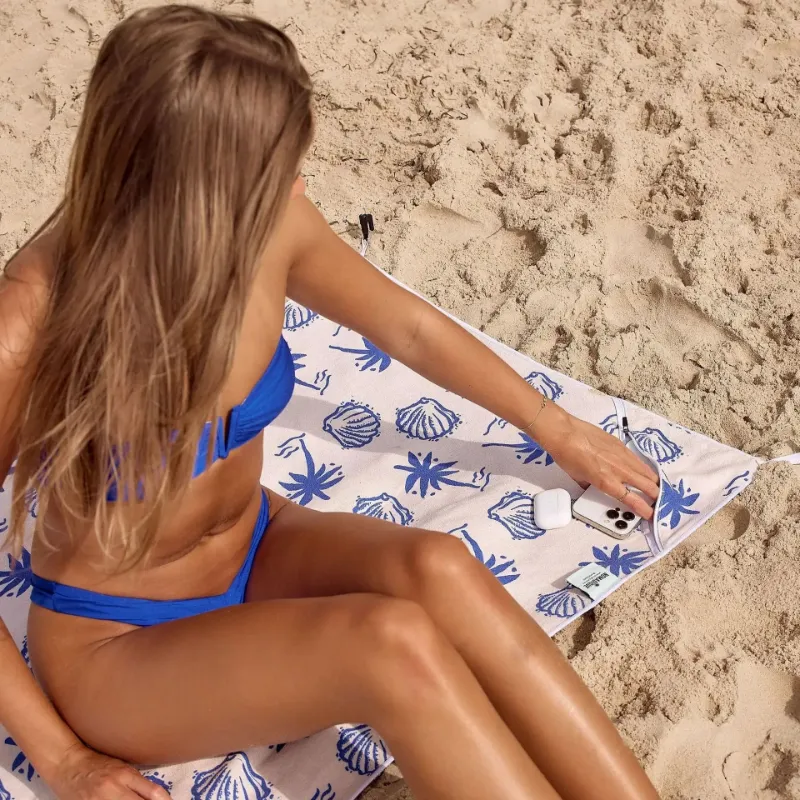
The sand proof towel and similar designs from brands like Sand Cloud, Nomadix, and Tesalate all share this vulnerability. Once the fibres are coated, sand clings instead of sliding off, and water beads on the surface instead of absorbing.
How to Wash Your Sand Proof Towel Properly
Follow this routine after every beach trip or every 2 to 3 uses to maintain peak performance:
- Shake out sand outdoors before the towel goes anywhere near your washing machine. Even sand-repellent towels trap a few grains in seams and folds.
- Wash in cold or warm water (never hot). High temperatures can warp the microfibre weave and set stains like sunscreen.
- Use liquid detergent only, about half the amount you’d use for cotton. Powder detergent leaves gritty residue in the fibres.
- Skip fabric softener entirely. This is the number one killer of microfibre absorbency. If you must soften, add a quarter cup of white vinegar to the rinse cycle instead.
- Wash with similar fabrics. Lint from cotton towels will embed in your microfibre and reduce sand resistance.
- Choose a gentle or normal cycle. Avoid heavy-duty settings that stress the fibres.
Check our Nomadique Co discount code for 10% off when you stock up on backup towels so you always have a clean one ready.
Drying Methods That Preserve Absorbency
How you dry your quick dry sand free beach towel matters as much as how you wash it:
Air drying is always safest. Hang your towel in direct sunlight to naturally disinfect and deodorize while preserving the weave. Most microfibre beach towels dry in 1 to 3 hours outdoors.
Low-heat tumble drying works if you’re in a hurry. Use the lowest heat setting and remove the towel while it’s still slightly damp. Over-drying creates static that attracts lint and sand. Never use dryer sheets, which coat fibres just like fabric softener.
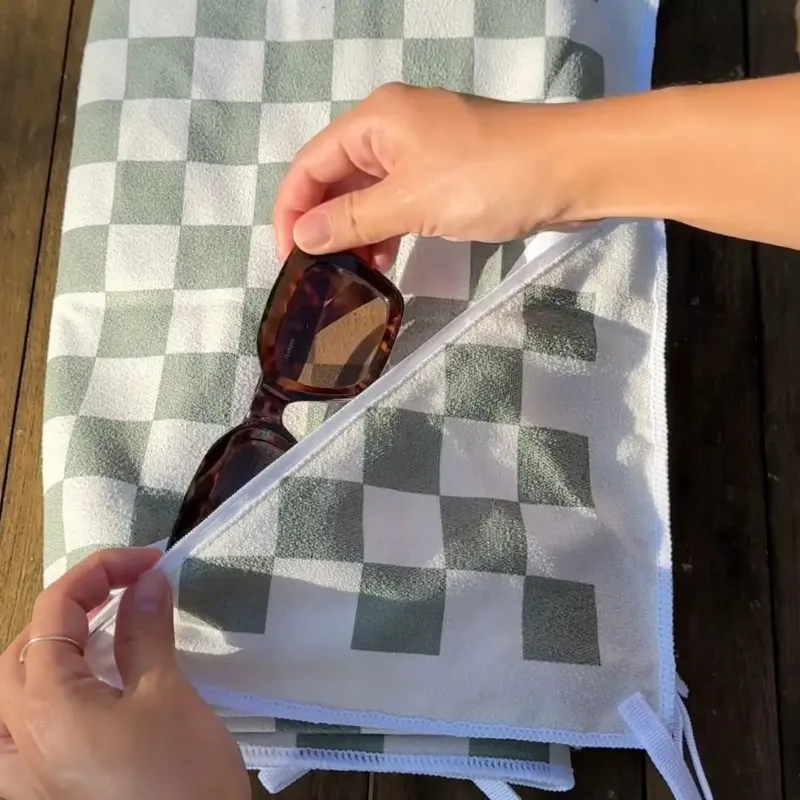
The pack a towel and other compact designs dry even faster due to their thinner weave, making them ideal for multi-day trips where you need to wash and reuse quickly.
Deep Cleaning for Sunscreen and Salt Buildup
Even with regular washing, sunscreen oils and salt gradually build up in microfibre.
- Pre-soak in warm water with a tablespoon of dish soap (which cuts grease better than laundry detergent) for 30 minutes.
- Wash as usual with liquid detergent but add half a cup of baking soda to the drum. This lifts oil without harsh chemicals.
- Run an extra rinse cycle to flush out all residue.
- Air dry completely before folding or storing.
If your towel has lost absorbency despite proper care, this deep clean often restores it. Good Housekeeping’s beach towel testing found that high-quality sand-free towels bounce back after deep cleaning, while cheaper options rarely do.
What Never to Do With Sand Proof Towels
We’ve learned these lessons the hard way during product testing:
- Don’t iron or steam. Heat melts synthetic fibres and destroys the texture that repels sand.
- Don’t bleach. Chlorine bleach weakens microfibre and causes discoloration. Use oxygen bleach only if you must treat stains.
- Don’t store damp. Mildew grows fast in microfibre and the smell never fully washes out.
- Don’t wash with heavily soiled items. Sand, dirt, and pet hair transfer easily to microfibre and embed deep in the weave.
- Don’t dry clean. The solvents damage synthetic fibres permanently.
How Often to Replace Your Towel
With proper care, a quality sand proof towel like the aussie sand-free microfibre beach towel lasts 3 to 5 years of regular beach use. Replace yours when you notice:
- Sand sticking despite washing
- Water pooling instead of absorbing
- Frayed edges or thin spots
- Persistent odors after deep cleaning
- Fading that indicates UV damage to the fibres
Tesalate sand free beach towel users and Nomadix towels fans report similar lifespans when following manufacturer care instructions. Budget options from Amazon typically last 1 to 2 seasons before performance drops noticeably.
Grab the latest discount before your current towel wears out so you’re never stuck with a sand magnet mid-vacation.
Storage Tips Between Beach Seasons
Proper off-season storage prevents musty smells and fabric degradation:
- Wash and dry completely before storing. Any moisture or salt residue invites mildew.
- Fold loosely or roll without tight compression. Creases can weaken the weave over months of storage.
- Store in a breathable bag or pillowcase, never sealed plastic. Air circulation prevents odors.
- Keep away from direct sunlight during storage. UV exposure fades colors even when the towel isn’t in use.
- Avoid storing with mothballs or cedar, which can leave chemical odors that microfibre absorbs and holds.
A quick sniff test before the first use of the season tells you if you need a refresh wash.
The right care routine keeps your sand proof towel performing like new for years, saving money and reducing waste. Treat the fabric gently, skip the softeners, and your towel will shake sand free and dry fast every time you hit the beach.
Questions
Can I use fabric softener on my sand proof towel?
No, fabric softener coats the microfibre and destroys absorbency and sand resistance. Use white vinegar in the rinse cycle if you need a softening effect.
How often should I wash my microfibre beach towel?
Wash after every beach trip or every 2 to 3 uses. Sand, salt, and sunscreen build up quickly and reduce performance if left unwashed.
Why does my sand-free towel smell even after washing?
Mildew grows in damp microfibre or detergent residue is trapped in the weave. Deep clean with baking soda and dish soap, then always dry completely before storing.
Can I put my sand proof towel in the dryer?
Yes, but only on low heat and remove while slightly damp. High heat damages the synthetic fibres and reduces their sand-repelling properties.
How do I restore absorbency to a microfibre beach towel?
Pre-soak in warm water with dish soap for 30 minutes, wash with baking soda added to the drum, and run an extra rinse. This removes sunscreen oils and salt buildup that block absorbency.
What temperature water should I use to wash sand-repellent towels?
Use cold or warm water only. Hot water warps the microfibre weave and can set sunscreen and oil stains permanently.
Products in this guide
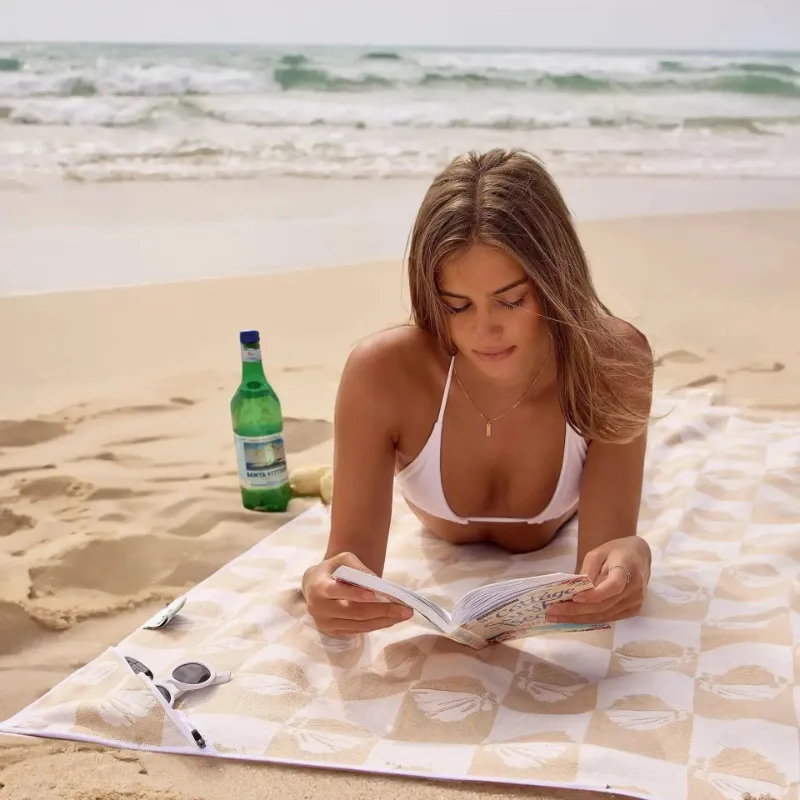 Shopping at Nomadique Co? See the discount code
10% OFF All Orders
Shopping at Nomadique Co? See the discount code
10% OFF All Orders
More in this series
What Makes a Towel Sand-Free?2 Sep 20263 minPack a Towel Review: Does This Travel Towel Really Fit in Your Carry-On?2 Sep 20264 minAre Microfibre Beach Towels Worth It for Travel and Beach Days?2 Sep 20264 minAussie Sand-Free Microfibre Beach Towel vs Gold Coast Beach Towel: Which One Dries Faster?2 Sep 20264 minHow to Keep Sand Off Your Beach Towel: Do Sand-Free Towels Actually Work?2 Sep 20265 min