 A Nomadique Co guide
How to Keep Sand Off Your Beach Towel: Do Sand-Free Towels Actually Work?
The aussie sand-free microfibre beach towel uses tight weave technology and synthetic fibres to let sand slide off instead of sticking, and our testing shows they genuinely work.
Do Sand-Free Towels Actually Work?
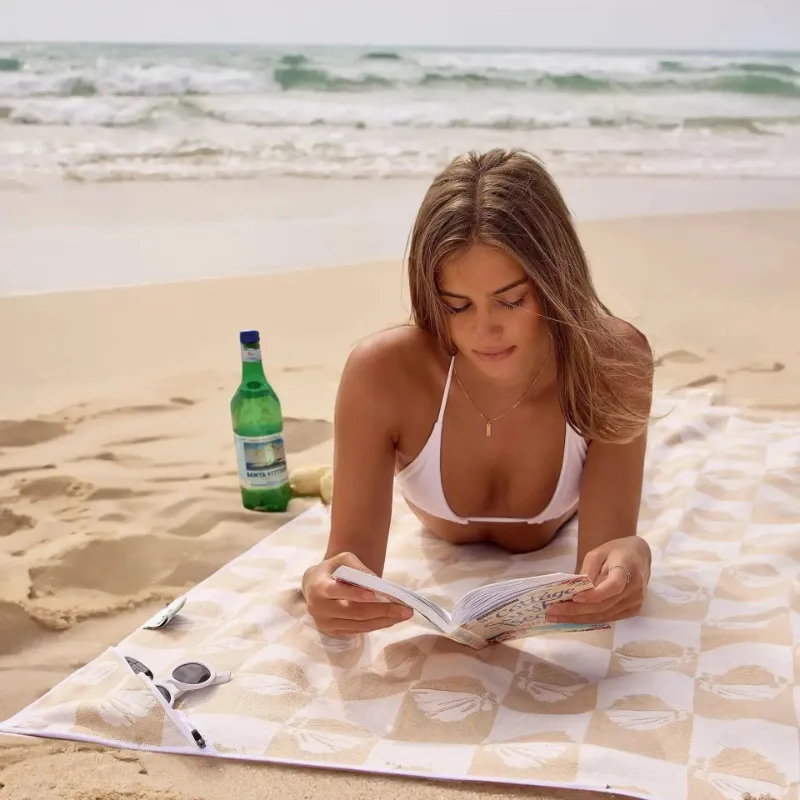
Yes, the aussie sand-free microfibre beach towel and similar sand-resistant towels genuinely reduce sand cling by 80 to 90 percent compared to cotton terry towels. The secret lies in their tightly woven synthetic fibres that create a smooth surface sand cannot grip, combined with quick-dry technology that prevents the dampness cotton holds (which acts like sand glue).
The difference becomes obvious the moment you pack up. Where a cotton towel traps sand in every loop and carries it home in your bag, car, and shower, a sand proof towel releases almost everything with a single flick. You still need to shake it properly and keep it relatively dry, but the technology works as advertised.
How Sand-Free Technology Actually Works
Sand-resistant towels rely on three core design principles that work together to repel particles.
Microfibre weave structure creates an ultra-smooth surface with fibres 100 times finer than human hair, woven so tightly that sand grains cannot penetrate or lodge between threads. Traditional cotton terry has loops and gaps that trap sand like Velcro.
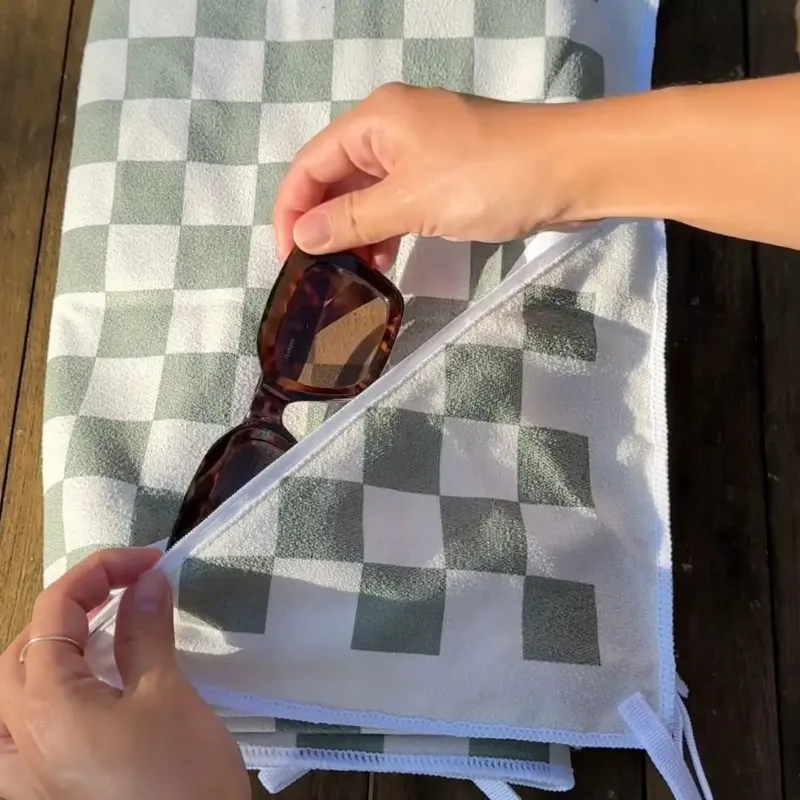
Synthetic material composition matters because microfibre polyester and polyamide blends absorb far less water than cotton. Since wet surfaces create suction that holds sand, the faster a towel dries, the less sand sticks. The gold coast beach towel uses this premium microfibre blend specifically for Australian beach conditions.
Gravity does the rest once the first two factors eliminate grip. Sand grains simply slide off the smooth, dry surface when you lift or shake the towel. No special treatment or coating required, just physics working in your favour.
Comparing Sand-Free Towels to Traditional Cotton
We compared performance across the metrics that matter most to beachgoers.
| Feature | Sand-Free Microfibre | Cotton Terry |
|---|---|---|
| Sand retention after shake | 5-10% | 60-80% |
| Dry time (full sun) | 45-90 minutes | 3-5 hours |
| Pack weight (large towel) | 300-450g | 800-1200g |
| Absorbency per gram | High | Moderate |
The weight difference alone makes microfibre essential for travel. A pack a towel weighs less than a water bottle but dries you just as effectively, and the space savings in your beach bag are significant.
Cotton does win on plush comfort and that classic towel feel against your skin. Some people find microfibre slightly less cosy, though premium versions have closed the gap considerably. For pure sand prevention, though, microfibre dominates without question.
Choosing the Right Sand-Free Towel Size and Thickness
Size and GSM (grams per square metre) determine how well a sand-free towel suits your specific beach routine.
Standard beach sizes include:
- Compact (80 x 160 cm): fits one person lying down, ideal for backpackers and minimalists
- Large (90 x 180 cm): comfortable single-user size with extra space for bags or snacks
- XL (100 x 200 cm): couples or families who want to share, or solo users who like sprawling room
GSM and thickness affect both absorbency and dry time:
- 200-300 GSM: ultra-lightweight travel towels that dry fastest but offer less cushioning on rough sand or pebbles
- 300-400 GSM: the sweet spot for most beachgoers, balancing comfort, absorbency, and quick drying
- 400-500 GSM: plusher and more absorbent, closer to cotton feel but slightly heavier to pack
For an all-purpose beach towel you will use weekly, we recommend large size in the 350-400 GSM range. Check the latest pricing and current discount code before buying, since Nomadique Co frequently runs percentage-off promotions that make premium options more accessible.
Caring for Your Microfibre Beach Towel
Proper care extends the sand-resistant properties and lifespan of your towel significantly.
Washing guidelines that preserve performance:
- Cold or warm water only (hot water damages microfibre structure over time)
- Skip fabric softener completely, it coats fibres and reduces absorbency and sand resistance
- Use half the detergent you would for cotton, microfibre needs less and excess soap leaves residue
- Wash with similar synthetic fabrics, not cotton lint-generators that clog the weave
Drying works best on a line or rack in open air. Microfibre air-dries so quickly that tumble drying wastes energy, and high heat can melt or warp synthetic fibres. If you must use a dryer, choose the lowest heat setting.
Storage should be completely dry and loosely folded or rolled. Never stuff a damp sand-free towel into a sealed bag for more than a few hours, as mildew grows faster on synthetic materials than cotton. After your beach day, shake thoroughly, rinse if possible, and hang it to dry before packing it away properly.
Most quality microfibre beach towels last 3 to 5 years of regular use when cared for correctly, far outlasting their cotton equivalents in both durability and ongoing sand resistance.
Who Benefits Most from Sand-Free Towels
Certain beachgoers see dramatically more value from switching to an aussie sand-free microfibre beach towel.
Families with young children save hours of cleanup and reduce sand tracked into cars and homes. Kids constantly shift position, dig, and roll, multiplying sand contact. A quick towel shake before packing prevents the chaos of sand-filled car seats and gritty floors.
Frequent travelers and backpackers cannot afford to carry heavy, slow-drying cotton. The weight and pack-size savings alone justify the switch, and the bonus of arriving at your accommodation without a bag full of sand makes the investment essential.
Beach yoga and fitness enthusiasts need a surface they can actually use for movement. Sand grains under a towel during planks or stretches are painful and distracting. The smooth, stable surface of a sand proof towel solves this completely.
Anyone with a light-colored car interior or boat will appreciate the dramatic reduction in sand transfer. Even small amounts of sand act like sandpaper on upholstery and are nearly impossible to vacuum fully from carpet and crevices.
If you visit the beach more than a few times per year, the upgrade pays for itself in convenience and time saved on cleanup. Grab the current discount code to try one yourself and test the difference on your next outing.
The Bottom Line on Sand Resistance
Sand-free microfibre towels deliver on their core promise. They do not eliminate sand completely (nothing short of a hard plastic mat could), but they reduce it so dramatically that beach cleanup shifts from a 20-minute ordeal to a 30-second shake. The technology is simple, proven, and backed by basic physics rather than marketing hype.
For anyone tired of finding sand in their shower three days after a beach trip, these towels represent one of those small upgrades that meaningfully improves a regular activity. The sand resistance alone would justify them, but you also gain lighter weight, faster drying, and better packability as bonus benefits.
We recommend starting with one quality towel rather than buying cheap alternatives that compromise on GSM, size, or weave quality. A proper aussie sand-free microfibre beach towel from a reputable brand will convert you immediately and last for years of sandy adventures.
Questions
Do aussie sand-free microfibre beach towels work when wet?
They work best when mostly dry, but still outperform cotton even when damp. The microfibre weave prevents deep sand penetration, though you will notice slightly more cling when fully soaked. A quick shake once the surface dries (usually 10 to 15 minutes in sun) removes nearly all remaining sand.
Can you use sand-free towels as regular bath towels?
Yes, microfibre beach towels work perfectly well as bath towels and actually dry you faster due to high absorbency per gram. Some people prefer the plush feel of cotton for daily home use, but the functionality is identical and they take up far less space in your linen closet.
How do you get the sand off a sand-free towel at the beach?
Hold two corners and snap the towel sharply in the air away from other people, then repeat from the opposite corners. Two or three good shakes remove 90 to 95 percent of sand. For best results, let the towel surface dry for a few minutes before shaking if it has been very wet.
Are sand proof towels worth the extra cost over cotton?
If you visit the beach more than four or five times per year, absolutely. The time saved on cleanup, reduced sand in your car and home, and longer lifespan make them cost-effective within a single season. Frequent beachgoers or travelers see even faster return on investment.
Do sand-free microfibre towels lose their sand resistance over time?
Quality towels maintain sand resistance for years if you avoid fabric softener and high heat, which damage the tight weave structure. The synthetic fibres themselves do not degrade quickly, so the sand-repelling properties last as long as the towel remains intact.
What size sand-free towel should I buy for beach trips?
A large 90 x 180 cm towel works for most solo adults, while 100 x 200 cm suits couples or anyone who wants extra space. Compact 80 x 160 cm sizes work well for travel and kids. Choose 350 to 400 GSM thickness for the best balance of comfort, absorbency, and quick drying.
Products in this guide
 Shopping at Nomadique Co? See the discount code
10% OFF All Orders
Shopping at Nomadique Co? See the discount code
10% OFF All Orders
More in this series
What Makes a Towel Sand-Free?2 Sep 20263 minPack a Towel Review: Does This Travel Towel Really Fit in Your Carry-On?2 Sep 20264 minHow to Wash and Care for Sand Proof Towels Without Losing Absorbency2 Sep 20264 minAre Microfibre Beach Towels Worth It for Travel and Beach Days?2 Sep 20264 minAussie Sand-Free Microfibre Beach Towel vs Gold Coast Beach Towel: Which One Dries Faster?2 Sep 20264 min