 A Nomadique Co guide
Are Microfibre Beach Towels Worth It for Travel and Beach Days?
An aussie sand-free microfibre beach towel packs smaller, dries faster, and repels sand better than cotton, making it a smart choice for frequent travellers and beachgoers.
Are Microfibre Beach Towels Worth the Investment?
Yes, an aussie sand-free microfibre beach towel is worth it if you travel often, visit the beach regularly, or need gear that dries quickly and packs light. These towels weigh a fraction of cotton alternatives, dry in hours instead of days, and genuinely resist sand clinging to the fabric.
How Aussie Sand-Free Microfibre Beach Towels Work
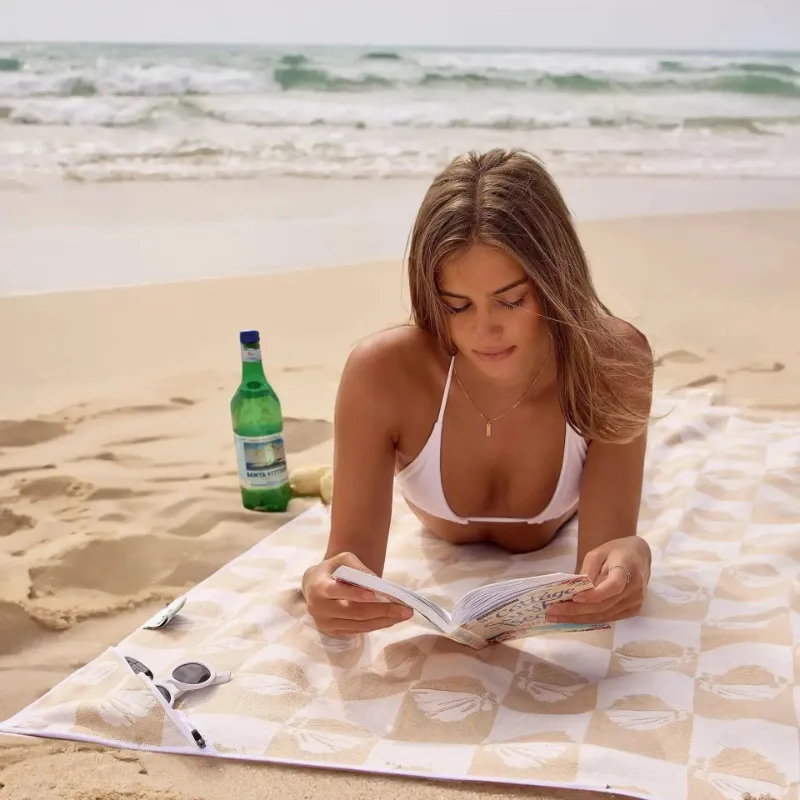
The aussie sand-free microfibre beach towel uses ultra-fine synthetic fibres woven tightly enough that sand grains sit on the surface rather than lodging between loops. A quick shake removes most debris, unlike cotton terry where sand embeds deep into the pile. The microfibre construction also channels moisture away from your skin faster, so the towel feels less clammy after your first dip.
Microfibre fabric typically weighs 200 to 300 grams per square metre compared to 400 to 600 grams for cotton beach towels of the same size. That weight difference compounds when you’re carrying multiple towels for a family or packing for a multi-week trip. The sand proof towel compresses into a bundle roughly the size of a water bottle, freeing up room in your beach bag or backpack.
Most sand-free designs dry within two to four hours in moderate sun and airflow. Cotton towels often need overnight or longer, which matters when you’re island hopping or moving between campsites. According to Sand&Sea Australia, coastal conditions accelerate mildew growth in damp fabrics, so faster drying also means less odour buildup on extended trips.
Microfibre vs Cotton Beach Towels
| Feature | Microfibre | Cotton Terry |
|---|---|---|
| Weight (large towel) | 200 to 400 g | 600 to 900 g |
| Dry time | 2 to 4 hours | 12 to 24 hours |
| Pack size | Compact, folds small | Bulky, takes significant space |
| Sand resistance | High, shakes off easily | Low, sand embeds in loops |
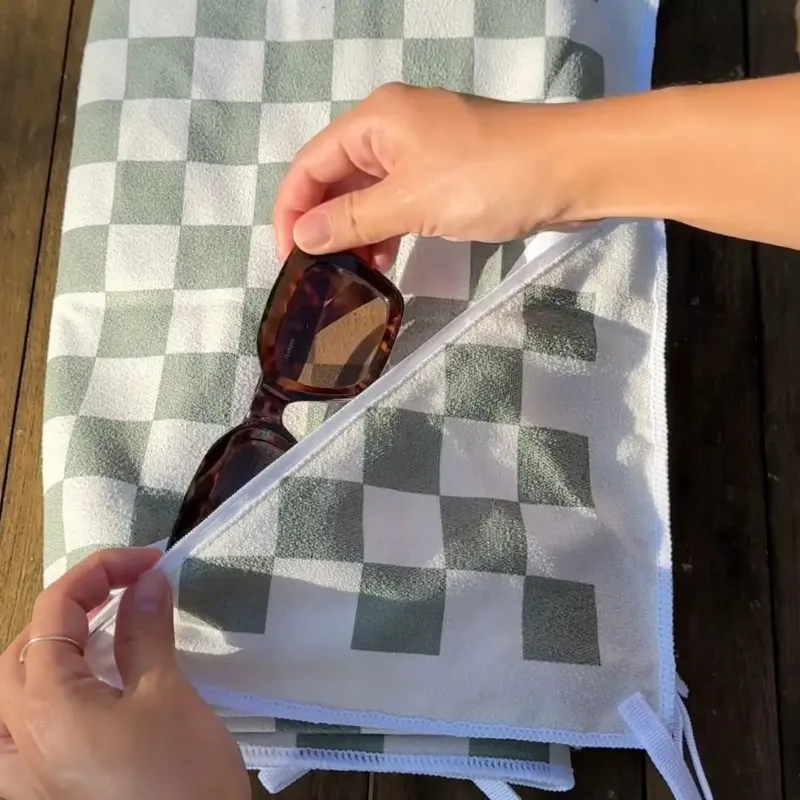
We prefer microfibre for travel and multi-day beach trips where luggage space and quick turnaround between uses matter. Cotton still wins on plush comfort and that classic towel feel if you’re driving to a local beach with no packing constraints. The gold coast beach towel splits the difference with a slightly thicker microfibre weave that feels softer against skin while keeping the fast-dry advantage.
For pricing and to grab the current discount code, check the store page rather than relying on outdated figures.
What to Look for in a Quality Microfibre Beach Towel
- GSM rating: 250 to 350 grams per square metre balances absorbency and quick drying; below 200 feels thin and less absorbent, above 400 loses the fast-dry benefit
- Size: 160 × 80 cm covers most adults for lying out; 180 × 90 cm gives extra room but adds weight
- Stitched edges: double-stitched or overlock seams prevent fraying after repeated saltwater exposure and washing
- Hang loop: a corner loop or snap closure makes drying and packing easier; look for reinforced stitching at the attachment point
- Colour fastness: cheap microfibre can bleed dye in the first few washes; reputable brands pre-treat fabric to lock colour
The pack a towel travel option prioritises ultra-light packing over maximum absorbency, ideal for backpackers who count every gram. Beach-focused models like the aussie sand-free microfibre beach towel add a bit more heft for better coverage and comfort when you’re spending hours on the sand.
Caring for Your Microfibre Towel
Wash microfibre towels in cold or warm water with minimal detergent. Fabric softener and bleach coat the fibres and reduce absorbency, so skip both. We machine wash ours on a gentle cycle after every few beach days, or immediately if exposed to sunscreen or salt for extended periods.
Air drying preserves the fabric best, but microfibre tolerates tumble drying on low heat if you’re in a hurry. High heat can melt synthetic fibres over time, leaving the towel stiff and less effective. Shake out sand before washing to avoid abrasive damage in the machine, and wash microfibre separately from cotton lint-shedding items that clog the fine weave.
Store your towel completely dry to prevent mildew. Roll it loosely rather than cramming it into a stuff sack while damp, which traps moisture and creates odour. If your towel develops a musty smell, soak it in a 1:4 vinegar-water solution for 30 minutes, then wash normally to reset the fibres.
Who Should Choose Microfibre Over Cotton
Microfibre beach towels suit travellers who fly frequently and face strict luggage limits, van-lifers and campers moving between sites every few days, surfers and swimmers who need multiple towels per trip, and families tired of hauling bulky cotton towels to the beach. The weight and space savings add up quickly when you’re packing for three or four people.
If you visit the same local beach a few times per summer and drive there with plenty of car space, premium cotton terry may still appeal for its plush feel and traditional towel experience. We also recommend cotton for toddlers and young children who tend to wrap themselves in towels for warmth; microfibre’s thinner profile provides less insulation.
For current pricing and to check the latest offer, visit the store page where our 10% discount applies across the full range. We’ve found the investment pays off within a season if you beach or travel regularly, and these towels typically last two to three years of heavy use before showing significant wear.
Questions
Does an aussie sand-free microfibre beach towel actually repel sand?
Yes, the tight weave keeps sand grains on the surface rather than letting them embed between fibres. A quick shake removes most sand, unlike cotton terry where grains lodge deep into the loops and require vigorous beating or washing to fully clear.
How long does a microfibre beach towel take to dry?
Most microfibre beach towels dry within two to four hours in moderate sun and airflow. Cotton towels typically need twelve hours or overnight, which matters when you're travelling and need the towel ready for the next day.
Can I use fabric softener on microfibre towels?
No, fabric softener coats the synthetic fibres and significantly reduces absorbency. Wash microfibre towels with minimal detergent in cold or warm water, and skip bleach as well to preserve the fabric's quick-dry properties.
Are microfibre beach towels as absorbent as cotton?
Quality microfibre towels absorb similar amounts of water but wick moisture away from your skin faster, so they feel less clammy. Cotton terry holds water in its loops longer, which some people prefer for that plush, wrapped-up feeling.
What size microfibre beach towel should I buy?
A 160 × 80 cm towel covers most adults for lying out and drying off. If you want extra room to sprawl or share space, choose 180 × 90 cm, but expect a slight increase in weight and pack size.
How do I remove the musty smell from my microfibre towel?
Soak the towel in a 1:4 vinegar-water solution for 30 minutes, then machine wash normally. The vinegar strips buildup from sunscreen, salt, and detergent residue that trap odour in the fibres.
Products in this guide
 Shopping at Nomadique Co? See the discount code
10% OFF All Orders
Shopping at Nomadique Co? See the discount code
10% OFF All Orders
More in this series
What Makes a Towel Sand-Free?2 Sep 20263 minPack a Towel Review: Does This Travel Towel Really Fit in Your Carry-On?2 Sep 20264 minHow to Wash and Care for Sand Proof Towels Without Losing Absorbency2 Sep 20264 minAussie Sand-Free Microfibre Beach Towel vs Gold Coast Beach Towel: Which One Dries Faster?2 Sep 20264 minHow to Keep Sand Off Your Beach Towel: Do Sand-Free Towels Actually Work?2 Sep 20265 min