 A Digital Zakka guide
Wading Suit Fishing Gear vs. Regular Waterproof Pants: What Serious Anglers Actually Need
A wading suit fishing setup offers waterproof protection, insulation, and durability that regular waterproof pants simply can't match in rivers and streams.
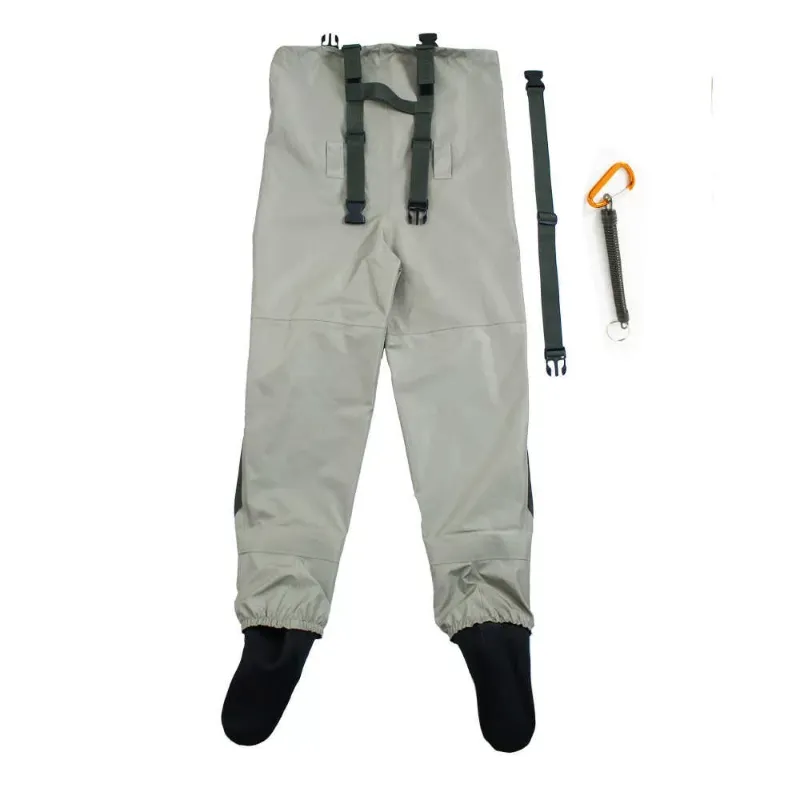
A proper wading suit fishing setup delivers chest-high waterproof protection, reinforced seams, and breathable fabrics engineered for hours in moving water, while regular waterproof pants stop at your waist and lack the durability serious anglers need.
If you’re wading deeper than knee height or spending more than an hour in the water, the differences become immediately obvious. Regular waterproof pants might keep you dry on a rainy hike, but they weren’t designed for the abrasion, submersion, and flexibility demands of fly fishing or stream fishing.
Why Fishing Waders Outperform Standard Waterproof Pants
The construction of fishing waders addresses problems that standard rain pants ignore completely. Here’s what sets them apart:
- Coverage height: Fishing waders extend to your chest or waist, letting you wade confidently in water up to 3-4 feet deep. Waterproof pants stop at your waist and offer zero protection if you step into a deeper pool or need to cross a fast current.
- Material thickness and reinforcement: Quality waders use 3-layer or 4-layer nylon with reinforced knees and seat areas. We’ve seen regular rain pants tear on submerged branches within the first hour of stream fishing.
- Integrated boot or bootie systems: Stocking foot waders pair with dedicated wading boots for superior traction on slippery rocks. Boot-foot models combine the wader and boot into one sealed unit. Waterproof pants require separate footwear and water inevitably leaks in at the interface.
- Breathability for activity: Modern fishing waders use Gore-Tex or similar membranes that vent moisture while you’re casting and moving. Cheap waterproof pants trap sweat, leaving you soaked from the inside within an hour.
Check the latest pricing to see current discounts on dedicated wading gear versus makeshift alternatives.
Stocking Foot Waders vs Boot-Foot Models
Once you’ve committed to real waders instead of improvising with rain pants, you’ll face a second choice: stocking foot or boot-foot construction.
| Feature | Stocking Foot Waders | Boot-Foot Waders |
|---|---|---|
| Fit | Snug neoprene booties; requires separate wading boots | Integrated rubber boots; one-piece design |
| Packability | Compact; boots pack separately | Bulky; harder to travel with |
| Ankle support | Excellent with quality wading boots | Moderate; depends on boot stiffness |
| Best for | Fly fishing, long hikes to fishing spots | Boat fishing, short walks, muddy banks |
Stocking foot waders dominate fly fishing because the separate boot gives you better feel on uneven stream bottoms. Boot-foot models work well if you’re launching from a boat or fishing farm ponds where you walk less than a quarter mile.
Material Breakdown: Neoprene vs Breathable Waders
We’ve logged hundreds of hours in both neoprene and breathable waders to understand when each material makes sense.
Neoprene waders (3mm to 5mm thickness) provide excellent insulation for cold-water fishing in early spring or late fall. They’re stretchy, durable, and forgiving if you snag them on underwater obstacles. The tradeoff: they trap heat in summer and add bulk that tires you out on long wading sessions.
Breathable waders use nylon with a waterproof-breathable membrane. They’re lighter, pack smaller, and regulate temperature far better in moderate weather. We recommend breathable options for any water above 50°F or when you’re hiking more than a mile to reach your fishing spot. Modern breathable waders rival neoprene for durability if you choose models with 4-layer construction and taped seams.
Regular waterproof pants typically use coated polyester or PVC, which offers zero breathability and degrades quickly under UV exposure and abrasion.
What Accessories Make Wading Safer and More Productive
A wading suit fishing setup isn’t complete without a few critical add-ons we’ve learned to never skip:
- Wading belt: Cinches around your waist to minimize water intake if you fall. This simple strap can prevent your waders from filling completely and dragging you under in fast current.
- Gravel guards: Elastic or neoprene cuffs that seal the gap between stocking foot waders and your boots, keeping sand and pebbles out.
- Wading staff: A collapsible pole for testing depth and maintaining balance on slick rocks, especially valuable in high or murky water.
- Chest pack or vest: Keeps your flies, tippet, and tools accessible without requiring you to bend down and risk taking on water.
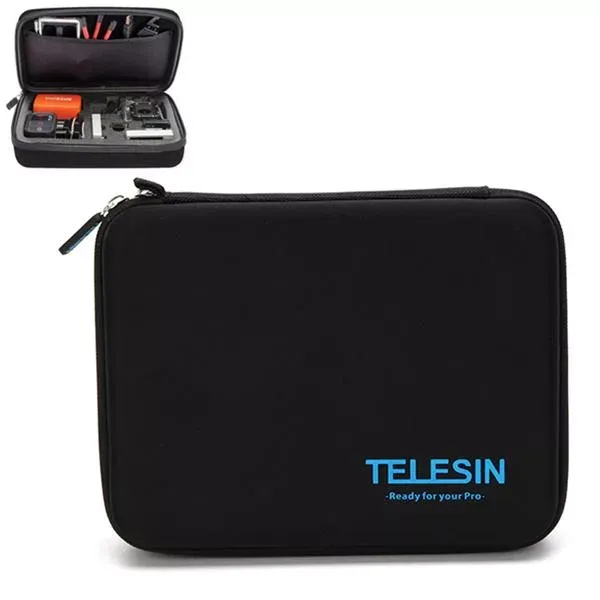
If you’re documenting your fishing trips, a telesin expandable action cam carrying case protects your GoPro or similar camera from the inevitable splashes and submersion that come with wading.
When Regular Waterproof Pants Are Actually Enough
We’re not saying waterproof pants never have a place in fishing, just that their role is extremely limited. They work adequately for:
- Shoreline fishing where you never enter water deeper than your ankles
- Boat fishing where you need rain protection but won’t be wading
- Warm-weather pier or dock fishing where a quick rain shower is your only water exposure
The moment you step into moving water above your knees or fish in water below 60°F, the limitations become painfully clear. We’ve talked to dozens of anglers who tried to save money with rain pants and ended up buying proper waders within a month after one cold, wet, miserable outing.
Sizing and Fit: Why Waders Require More Attention Than Rain Pants
Fishing waders demand precise sizing because poor fit creates dangerous situations. Too loose and you risk tripping or excess fabric that catches current; too tight and you restrict movement and stress seams.
Measure your inseam, chest, waist, and shoe size before ordering. Most manufacturers provide detailed size charts that account for the layers you’ll wear underneath. Plan to wear a base layer and fleece in cold water, which means ordering one size up from your street clothes if you’re between sizes.
Boot-foot models require even more attention to calf and ankle measurements. Stocking foot waders offer more flexibility since your separate wading boots handle the final fit adjustment.
Grab the discount code before ordering to save 10% on your wading gear, which typically runs $150 to $400 depending on materials and features.
Maintenance Tips That Double Your Wader Lifespan
- Rinse thoroughly after every outing, especially in saltwater. Salt crystals and sediment degrade waterproof membranes faster than anything else.
- Hang inside-out in a shaded area to dry completely. Never store damp waders or leave them crumpled in your vehicle.
- Patch small punctures immediately with aquaseal or the patch kit that came with your waders. A pinhole becomes a blowout if ignored.
- Store hanging from the boot or on a wide hanger, never folded, to prevent creases that crack over time.
Regular waterproof pants rarely last a full season of serious fishing use and aren’t worth the maintenance effort because the material quality simply isn’t there.
The Bottom Line for Serious Anglers
If you fish flowing water more than a handful of times per year, a proper wading suit fishing investment pays for itself in comfort, safety, and fishing time. Regular waterproof pants work for casual shoreline anglers, but they’re a false economy the moment you wade beyond your knees.
We recommend breathable chest waders with stocking foot construction for most anglers, upgrading to neoprene only if you regularly fish water below 50°F. Expect to spend $200 to $300 for a quality pair that will last multiple seasons with proper care, versus replacing $40 rain pants every few months after they inevitably leak or tear.
Questions
Can I use regular waterproof pants instead of fishing waders?
Regular waterproof pants work only for shoreline fishing where you never wade deeper than your ankles. They lack the height, durability, and sealed boot systems needed for stream or river fishing.
What's the difference between stocking foot and boot-foot waders?
Stocking foot waders have neoprene booties and require separate wading boots, offering better ankle support and packability. Boot-foot waders integrate the boot into the wader for convenience but are bulkier to transport.
Are breathable waders warm enough for cold water fishing?
Breathable waders paired with proper base layers and fleece work well down to about 45°F. Below that temperature, neoprene waders provide better insulation for extended cold-water sessions.
How do I know what size wading suit fishing gear to buy?
Measure your inseam, chest, waist, and shoe size, then consult the manufacturer's size chart. Order one size up if you're between sizes or plan to layer heavily underneath for cold weather.
Do I need a wading belt with chest waders?
Yes, a wading belt is essential safety gear. It cinches around your waist to prevent your waders from filling completely with water if you fall, which could otherwise drag you under in fast current.
How long do quality fishing waders typically last?
With proper care including rinsing after each use, hanging to dry, and immediate patching of small holes, quality breathable or neoprene waders last five or more seasons of regular fishing.
Products in this guide
Shopping at Digital Zakka? See the discount code
10% OFF All Orders
More in this series
 Electric Pottery Wheel Buying Guide: What Beginners Get Wrong Before Their First Purchase19 Aug 20266 min
 The Best Tools Every DIY Electrician Should Own (Voltage Tester Pen Included)19 Aug 20265 minTelesin Expandable Action Cam Carrying Case Review: Is It Worth It for Adventure Photographers?19 Aug 20263 minHow to Use a Diamond Sharpening Stone to Get a Razor-Sharp Edge19 Aug 20265 min