 A Digital Zakka guide
The Best Tools Every DIY Electrician Should Own (Voltage Tester Pen Included)
A voltage tester pen tops our list of must-have tools for anyone tackling electrical projects safely at home.
Why Every DIY Electrician Needs the Right Tools
A voltage tester pen is the single most important safety tool for anyone working with electrical circuits at home. Before you touch a wire, swap an outlet, or diagnose a dead switch, you need to verify the power is truly off.
Whether you’re replacing a light fixture or troubleshooting a tripped breaker, the right equipment makes the job faster, safer, and less frustrating. Below we break down the tools that handle 90% of residential electrical work, explain what each one does, and show you which products deliver the best value.
Non-Contact Voltage Detectors for Fast Safety Checks
The first tool to reach for on any electrical job is a non-contact voltage tester. These pocket-sized pens light up and beep when they detect live voltage through insulation, so you never have to strip a wire or touch a terminal to know if it’s hot.
How does a voltage tester pen work? It senses the electromagnetic field around a conductor. When AC voltage is present, the tip glows and the unit chirps. Bob Vila’s testing team confirms that even budget models reliably detect 90 to 1000V, which covers every household circuit.
Keep one clipped to your tool bag. A quick sweep takes five seconds and can save your life.
Key features to look for:
- Audible and visual alerts
- Pocket clip and LED flashlight
- Auto shut-off to preserve the battery
- CAT III or CAT IV safety rating for residential work
For current pricing on voltage testers and other electrical tools, grab the code and save 10% on your entire order at Digital Zakka.
Precision Screwdrivers for Terminal Screws and Outlet Faceplates
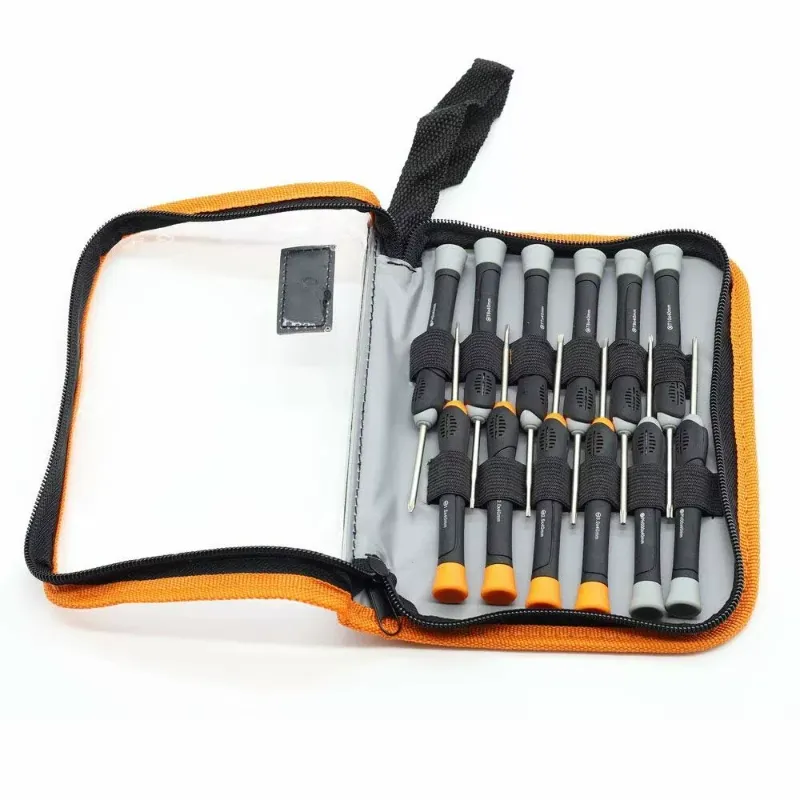
Outlets, switches, and junction boxes are held together by small screws (usually #6 or #8 gauge) and stripping one out mid-job is maddening. A quality 12-in-1 precision screwdriver gives you Phillips, slotted, Torx, and hex bits in a single handle, so you’re ready for any fastener you encounter.
We prefer magnetic tips that hold screws in tight spaces (like behind a switch box) and a rotating cap that lets you apply downward pressure while turning. The 12 in 1 magic precision screwdriver includes all the common sizes for residential electrical and fits easily in a cargo pocket.
Why precision matters:
- Prevents cam-out and damaged screw heads
- Fits into crowded boxes without hitting adjacent wires
- Swappable bits mean you don’t need six separate drivers
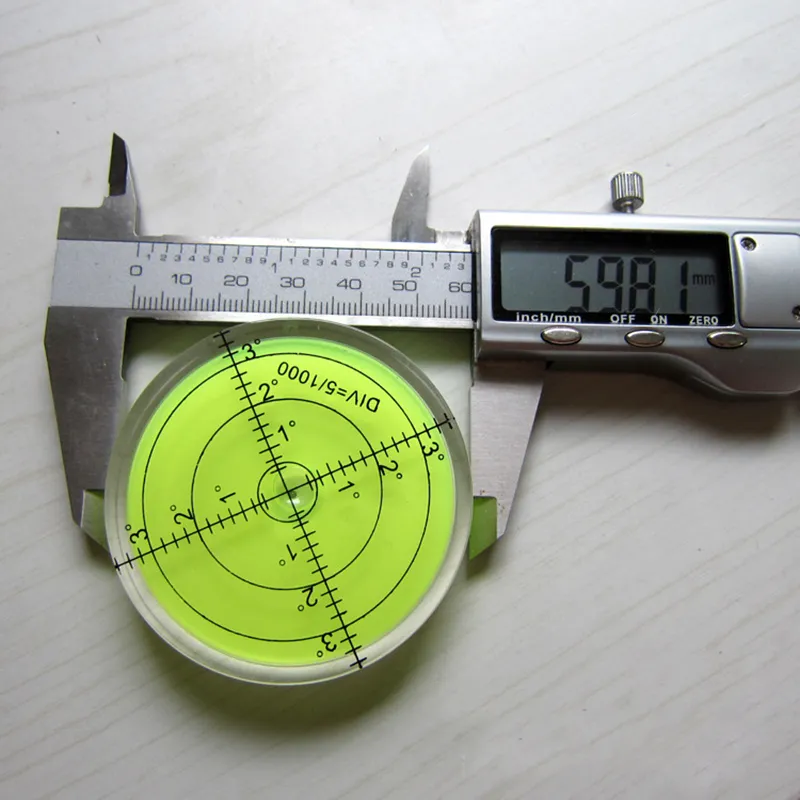
Pair your screwdriver set with a spirit level to ensure every switch and outlet sits perfectly plumb. Crooked faceplates look amateur and can signal deeper installation issues.
Measuring Instruments vs Voltage Tester Pen: What You Actually Need
New DIYers often ask about the voltage tester pen vs multimeter debate. Here’s the truth: you need both, because they solve different problems.
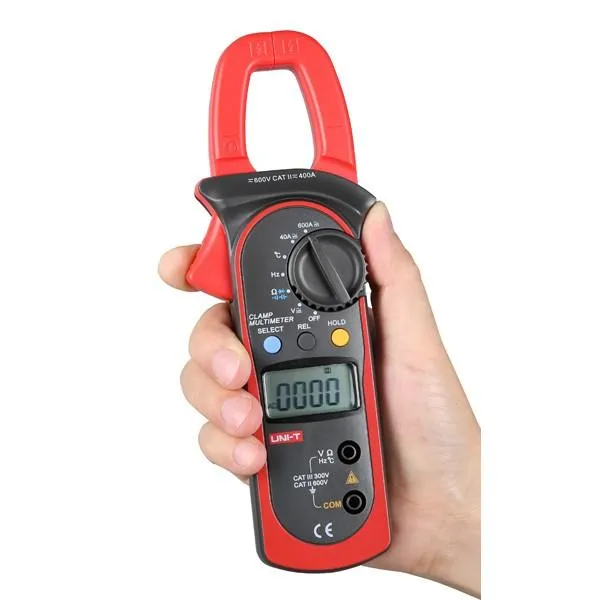
A non-contact voltage tester answers one question: “Is this wire live?” It’s fast, foolproof, and you can use it without touching anything. A multimeter, like the uni t 203: measures exact voltage, current, resistance, and continuity. You’ll need it to diagnose why a circuit isn’t working, test batteries, check for voltage drop, or verify a ground connection.
| Tool | Best For | Typical Use Case |
|---|---|---|
| Voltage tester pen | Quick safety checks | Confirming power is off before work |
| Multimeter | Diagnostic troubleshooting | Measuring exact voltage or testing continuity |
Start with a voltage tester pen, it’s cheaper and more important for safety. Add a multimeter once you’re tackling diagnostic work. Wirecutter’s testing confirms that even inexpensive non-contact testers perform reliably for home use, while multimeters vary widely in accuracy and durability.
For hands-on guidance, search “how to use voltage tester pen” on YouTube and watch a licensed electrician demonstrate the technique. The key is testing a known-live circuit first to confirm your tester is working, then verifying the target circuit is dead by testing every conductor.
Wire Strippers, Cutters, and Fastening Tools
Once you’ve a circuit is de-energized, you’ll need tools to cut, strip, and terminate wires. We rely on combination wire strippers with built-in gauges for 12 AWG and 14 AWG (the two sizes used in nearly all home wiring). Look for cushioned grips and a crimping station for wire nuts.
Also keep on hand:
- Diagonal cutting pliers for trimming wire and cutting cable sheathing
- Needle-nose pliers for bending wire around screw terminals
- Cable staples and a hammer for securing Romex to studs
- Electrical tape (3M Super 33+ is the pro standard)
A spirit level also doubles as a straightedge when marking stud locations or laying out conduit runs. We prefer the torpedo style with magnetic edges that stick to metal boxes.
When to Level Up Your Toolkit
The tools above handle 90% of home electrical work, replacing devices, adding circuits, installing fixtures. As your projects grow, consider adding a stud finder with AC wire detection, a fish tape for pulling cable through walls, and a cordless drill with a paddle bit set.
But even advanced DIYers come back to the same core workflow: test for voltage, kill the breaker, test again, then proceed. That’s why the best voltage tester pen you can afford should be the first item in your cart. Check the latest price and stock up on precision tools while Digital Zakka’s 10% discount is active.

We also recommend a diamond stone to keep your cable strippers and diagonal cutters sharp. Dull blades crush wire instead of cutting cleanly, which leads to poor connections and failed inspections.
Safety Habits That Matter More Than Gear
No tool substitutes for smart electrical safety. Always:
- Turn off the breaker and test the circuit with a voltage tester pen before touching anything
- Lock out the panel with a breaker lock or tape and a warning sign
- Test known-live circuits first to confirm the tester battery is good
- Assume every wire is live until proven otherwise
- Work with dry hands on dry surfaces
The Harbor Freight non-contact model is a solid budget pick for occasional DIY work and includes a low-battery indicator.
Finally, know when to call a pro. If you’re opening the main service panel, running new circuits that require a permit, or working with aluminum wiring, hire a licensed electrician. DIY electrical work saves money on simple jobs, but mistakes can cause fires or deadly shocks.
Where to Buy DIY Electrical Tools
Digital Zakka stocks everything from precision screwdrivers to measuring instruments at competitive prices. Their current offer, 10% off all orders: applies to entire tool kits, so it’s a great time to stock up.
Prioritize the voltage tester pen and a quality screwdriver set first. Add the multimeter and specialty tools as your project list grows. With the right equipment and a methodical approach, you can handle the majority of home electrical work safely and confidently.
Questions
How do I know if my voltage tester pen is working?
Test it on a known-live circuit first, like a working outlet or light switch with the power on. If the tester lights up and beeps, the battery is good and the sensor is functioning. Always verify it's working before you trust a negative reading.
Can I use a voltage tester pen on DC circuits like car batteries?
No, most non-contact voltage testers only detect AC voltage. For DC circuits you need a multimeter with DC voltage settings or a dedicated DC tester.
What's the difference between CAT III and CAT IV ratings?
CAT III covers most household circuits and distribution panels up to 600V. CAT IV is rated for utility service connections and outdoor transformers. For residential DIY work, CAT III is sufficient.
Do I need a multimeter if I already own a non-contact voltage tester?
Yes, for diagnostic work. A voltage tester tells you if power is present, but a multimeter measures exact voltage, tests continuity, and checks resistance. You'll need both for anything beyond simple device swaps.
Why does my voltage tester sometimes beep near wires that aren't energized?
Induced fields from nearby live wires, fluorescent ballasts, or static can trigger false positives. Always verify with a second method if you get an unexpected reading, and test all conductors in the box individually.
Which precision screwdriver set works best for electrical boxes?
Look for a set with magnetic tips, a rotating cap, and bits for #1 and #2 Phillips plus 1/4-inch slotted. A 12-in-1 precision screwdriver covers nearly every fastener you'll find in residential electrical work.
Products in this guide
Shopping at Digital Zakka? See the discount code
10% OFF All Orders
More in this series
Electric Pottery Wheel Buying Guide: What Beginners Get Wrong Before Their First Purchase19 Aug 20266 min Wading Suit Fishing Gear vs. Regular Waterproof Pants: What Serious Anglers Actually Need19 Aug 20265 min
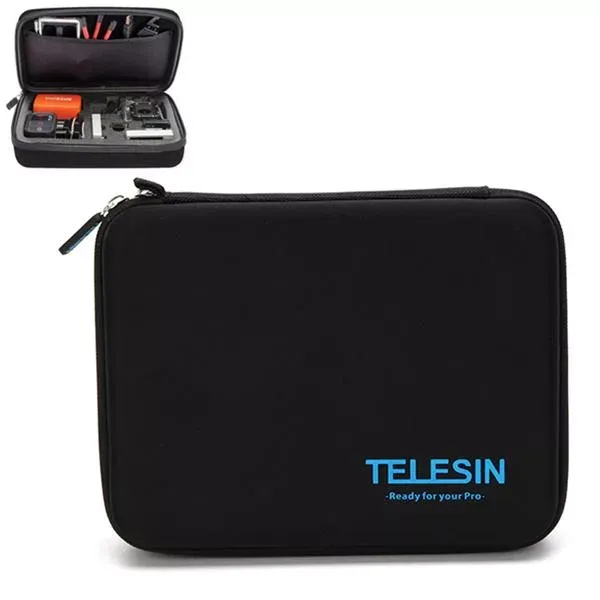 Telesin Expandable Action Cam Carrying Case Review: Is It Worth It for Adventure Photographers?19 Aug 20263 minHow to Use a Diamond Sharpening Stone to Get a Razor-Sharp Edge19 Aug 20265 min