 A Digital Zakka guide
Electric Pottery Wheel Buying Guide: What Beginners Get Wrong Before Their First Purchase
An electric pottery wheel transforms clay into art, but most beginners overlook motor specs, wheel head diameter, and maintenance needs that make or break their first throwing experience.
An electric pottery wheel transforms clay into art, but most beginners overlook motor specs, wheel head diameter, and maintenance needs that make or break their first throwing experience. This guide walks you through the specifications that actually matter, the features you can skip, and how to match a wheel to your skill level and workspace.
What Makes a Pottery Wheel for Beginners Different
The Potter’s wheel has evolved from kick-powered designs to electric models that offer consistent speed control, but beginners often assume all wheels work the same. A pottery wheel for adults needs enough torque to center 10 to 15 pounds of clay without stalling, yet many entry-level models advertise horsepower without clarifying whether the motor delivers continuous or peak power. Look for a wheel rated at 1/3 to 1/2 horsepower with a direct-drive or belt-driven system that maintains speed under load.
Wheel head diameter matters more than most buyers realize. A 12-inch head suits bowls and mugs, while 14 inches gives you room to throw larger platters and vases as your skills grow. We recommend starting with a 12 to 14-inch model rather than compact 10-inch wheels that limit your progression. Splash pans, reversible rotation, and adjustable speed ranges (0 to 250 RPM minimum) separate usable wheels from frustrating toys.
Motor Power and Torque: The Specs Beginners Ignore
Most first-time buyers focus on price and overlook the motor specifications that determine whether you can actually center clay. A best pottery wheel for beginners should deliver steady torque at low RPM, when centering demands the most power. Peak horsepower ratings sound impressive but mean little if the motor overheats or bogs down under a five-pound ball of stoneware.
Direct-drive motors mount the wheel head directly to the motor shaft, offering compact designs and less maintenance. Belt-driven systems use a pulley and belt to transfer power, which cushions vibration and often provides smoother low-speed control. Both work well when properly built, but belt systems let you replace a worn belt for under twenty dollars instead of replacing the entire motor assembly.
- Direct-drive: quieter, fewer moving parts, better for apartments
- Belt-driven: easier repairs, smoother torque delivery, preferred by production potters
- Continuous duty rating: confirms the motor can run for hours without cooldown breaks
Check the latest price on models that publish continuous rather than peak ratings.
Wheel Head Size, Bat Pins, and Work Surface Setup
Wheel head diameter dictates the maximum width of your work, but beginners rarely consider how bat pins and splash pan depth affect their workflow. Bat pins let you attach removable plaster or plastic bats so you can lift a finished piece off the wheel without distortion. Standard pin spacing (10-inch bolt circle with three or four pins) means you can buy universal bats, while proprietary systems lock you into one manufacturer’s accessories.
Splash pans catch water and clay slip during throwing. Deep pans (3 inches or more) contain mess better but add weight and height to the wheel. Removable pans simplify cleanup, especially if you’re working in a shared space or apartment. Some professional pottery wheel models include built-in tool trays and sponge holders, but these features add cost without improving your ability to center or pull walls.
| Feature | Beginner Priority | Professional Priority |
|---|---|---|
| Wheel head diameter | 12 to 14 inches | 14 to 16 inches |
| Bat pin spacing | Standard 10-inch | Universal or custom |
| Splash pan depth | 2 to 3 inches | 3+ inches, removable |
| Portability | Under 80 pounds | 100+ pounds, stable base |
Brent Pottery Wheel vs Shimpo Pottery Wheel: What You Pay For
Brent and Shimpo dominate pottery classrooms because their wheels survive decades of student abuse, but beginners often wonder whether the premium over generic imports is justified. A Brent pottery wheel typically features a cast-aluminum wheel head, sealed electronics, and a five-year warranty that covers motor replacement. Shimpo pottery wheel models emphasize quiet operation and compact footprints, making them popular in home studios and apartments.
Both brands publish real torque curves and continuous-duty ratings, which budget wheels rarely provide. You’re paying for motors that maintain speed when centering 25 pounds of clay, not just spinning an empty wheel head. Replacement parts remain available for models built twenty years ago, while many import brands disappear after one production run.
That said, several mid-tier manufacturers now offer wheels with Japanese or American motors at 40 to 60 percent of Brent or Shimpo pricing. Read user reviews that describe centering performance and motor longevity rather than just star ratings. If you find a used pottery wheel for sale from a reputable brand, inspect the wheel head for scoring, test the foot pedal’s responsiveness, and confirm the motor runs smoothly at both low and high speeds. A well-maintained used Brent often outperforms a new budget wheel.
Assembly, Maintenance, and the Tools You Actually Need
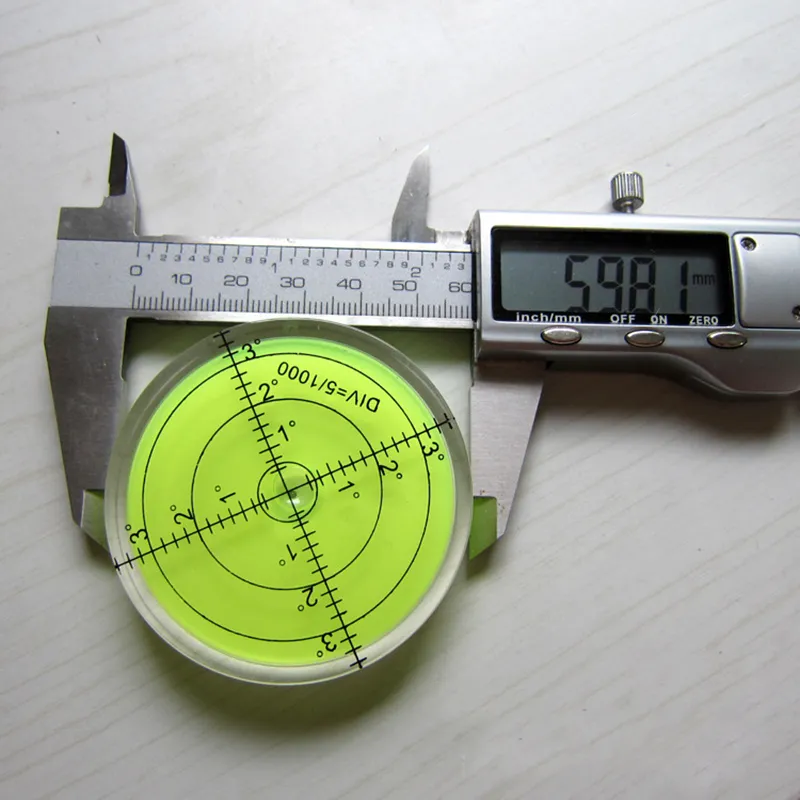
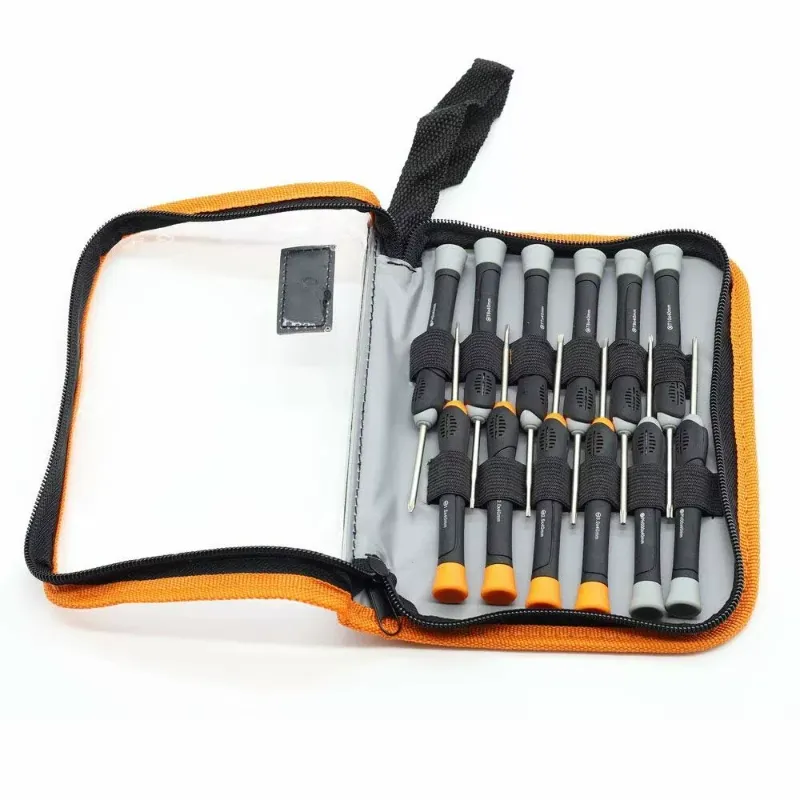
Most wheels arrive partially assembled, requiring you to attach the splash pan, wheel head, and sometimes the leg assembly. You’ll need basic tools like a spirit level to ensure the wheel head spins true and a set of hex wrenches or a 12-in-1 precision screwdriver for tightening bat pins and adjusting belt tension. An unlevel wheel causes uneven wall thickness and makes centering needlessly difficult.
Maintenance schedules vary by drive system, but all wheels benefit from regular cleaning and lubrication. Wipe clay slip and water from the motor housing and splash pan after each session to prevent corrosion. Belt-driven models need tension checks every six months, and you should replace cracked or glazed belts immediately. Direct-drive wheels require less frequent service but demand cleaner work habits since the motor sits directly beneath the wheel head.
- Clean the wheel head and bat pins weekly to prevent clay buildup
- Check belt tension and alignment every six months (belt-driven models)
- Lubricate the wheel head bearing annually per manufacturer instructions
- Inspect electrical cords and foot pedals for damage before each use
Grab the code to save on maintenance tools and accessories when you order your wheel.
Matching Your Wheel to Your Space and Budget
Apartment potters need wheels under 75 pounds that fit on a sturdy table, run quietly, and tolerate 120V household circuits. Tabletop models sacrifice some stability but let you store the wheel in a closet between sessions. Garage or basement studios can accommodate full-size wheels with heavy steel bases that dampen vibration and prevent walking during aggressive centering.
Budget constraints force real tradeoffs. A quality used wheel from a school or closed studio often delivers better performance than a new import at the same price. Estate sales, university surplus auctions, and pottery guild classified ads yield Brent, Shimpo, and Speedball wheels at 30 to 50 percent below retail. Inspect the motor, wheel head, and electronics in person, and budget another hundred dollars for a new splash pan or foot pedal if needed.
New buyers working with tighter budgets should prioritize motor quality and wheel head size over aesthetic features like powder-coated finishes or built-in shelves. A best pottery wheel for beginners delivers consistent torque, accepts standard bats, and comes from a company that stocks replacement parts. Everything else is secondary until you’ve thrown enough pots to know your specific needs.
Common Mistakes That Cost Beginners Time and Money
The biggest mistake we see: buying a wheel before taking a class or workshop. Two hours on a quality wheel in a studio environment teaches you whether you prefer belt or direct drive, how much workspace you need, and what speed range suits your throwing style. Many pottery suppliers including Midsouth Ceramics offer demo days where you can test multiple models side by side.
Underestimating portability needs ranks second. A 120-pound wheel with a welded steel frame delivers excellent stability but becomes a permanent fixture. If you might move, downsize, or share the wheel between locations, prioritize models with removable legs and reinforced carrying handles. Tabletop wheels solve the portability problem but require a very sturdy work surface that can handle 50 pounds of dynamic load plus your body weight leaning over the clay.
Finally, beginners often overlook the cost of accessories and ongoing supplies. Bats, trimming tools, sponges, and buckets add another hundred to two hundred dollars to your startup costs. Clay itself runs one to two dollars per pound, and you’ll throw 20 to 50 pounds while learning basic centering and cylinder shapes. Budget for the complete system rather than spending your entire pottery fund on the wheel alone.
Digital Zakka currently offers 10% off all orders, making it easier to bundle your wheel with essential accessories and tools when you check current pricing.
Questions
What horsepower do I need in a pottery wheel for beginners?
Look for 1/3 to 1/2 horsepower with a continuous-duty rating, which provides enough torque to center 10 to 15 pounds of clay without stalling. Peak horsepower numbers mean less than steady torque at low RPM.
Can I use a tabletop electric pottery wheel in an apartment?
Yes, tabletop models work well in apartments if you place them on a very sturdy table or workbench that can handle dynamic loads. They run quieter than full-size wheels and store easily between sessions.
Is a used Brent or Shimpo wheel better than a new budget model?
A well-maintained used wheel from Brent or Shimpo typically outperforms new budget imports because the motor quality, torque delivery, and parts availability remain superior. Inspect the wheel head, motor, and electronics carefully before buying.
How do I know if my wheel head is level?
Place a spirit level across the wheel head diameter in multiple directions while the wheel is stopped. Adjust the leg levelers until the bubble centers in all positions, ensuring even wall thickness when you throw.
What wheel head size should I start with?
Start with a 12 to 14-inch wheel head, which handles bowls, mugs, and medium vases while leaving room to grow. Smaller 10-inch heads limit your progression, while 16-inch professional models cost significantly more.
Do I need bat pins on my first pottery wheel?
Bat pins are extremely helpful for beginners because they let you remove finished pieces without distortion. Choose a wheel with standard 10-inch bolt-circle spacing so you can use universal bats from any supplier.
Products in this guide
 Shopping at Digital Zakka? See the discount code
10% OFF All Orders
Shopping at Digital Zakka? See the discount code
10% OFF All Orders
More in this series
The Best Tools Every DIY Electrician Should Own (Voltage Tester Pen Included)19 Aug 20265 min Wading Suit Fishing Gear vs. Regular Waterproof Pants: What Serious Anglers Actually Need19 Aug 20265 min
 Telesin Expandable Action Cam Carrying Case Review: Is It Worth It for Adventure Photographers?19 Aug 20263 minHow to Use a Diamond Sharpening Stone to Get a Razor-Sharp Edge19 Aug 20265 min