 A VIFLY Drone guide
VIFLY Smoke Stopper vs Traditional Fuses: Which Protects Your Drone Better?
A smoke stopper protects your drone by limiting current flow during testing, preventing catastrophic component damage that traditional fuses cannot stop in time.
Why Smoke Stoppers Beat Fuses for Drone Protection
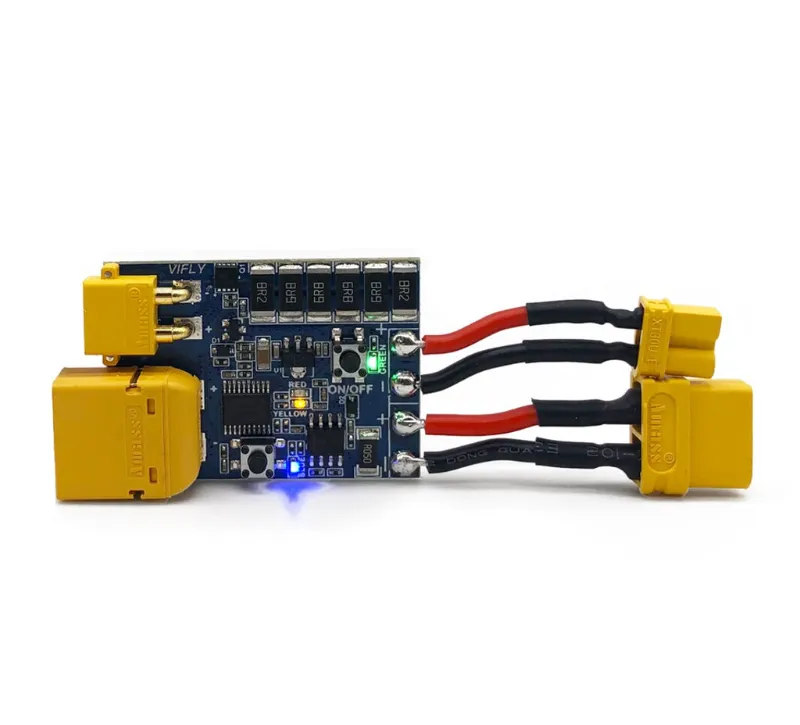
A smoke stopper protects your drone by limiting current during initial power-up, giving you time to disconnect before components burn out. Traditional fuses blow only after damage occurs, often too late to save expensive flight controllers or ESCs.
Fuses react to overcurrent by breaking the circuit, but that reaction happens in milliseconds, long enough for a short circuit to fry sensitive electronics. A smoke stopper for drone testing uses an automotive bulb as a current-limiting resistor, restricting flow to safe levels while the bulb glows bright when it detects a fault. You see the problem before your gear goes up in smoke.
How a Smoke Stopper Works vs How Fuses Fail
The mechanics matter when you’re deciding between protection methods. A smoke stopper fpv unit places a 12V automotive headlight bulb in series with your battery connection. Under normal load, the bulb’s resistance is low and it barely glows. When a short circuit occurs, the bulb heats up instantly, its resistance climbs, and current flow drops to around 1-2 amps, enough to light the bulb but not enough to melt solder joints or burn traces.
Fuses operate on a different principle. They’re designed to melt and open the circuit when current exceeds their rating. The problem: a 5-amp fuse allows 5 amps to flow until the element heats enough to blow. In a dead short scenario, you might see 20-50 amps for the fraction of a second before the fuse reacts. That’s plenty of time to destroy a voltage regulator or flight controller.
We recommend keeping both in your toolkit. Use the smoke stopper for every maiden flight, after any crash repair, or when testing new wiring. Check the latest price to see current bundle options with other safety gear. Keep fuses as secondary protection during normal flight, they’re lightweight and catch unexpected failures mid-air.
When to Use Each Protection Method
Use a smoke stopper when:
- Powering up a new build for the first time
- Testing after any solder work or component replacement
- Troubleshooting electrical gremlins or intermittent issues
- Connecting a battery with reversed polarity risk
- Working with unfamiliar wiring harnesses
Use traditional fuses when:
- Flying after successful smoke stopper testing
- You need minimal weight (race quads, freestyle rigs)
- The build has proven stable over multiple flights
- You want set-and-forget protection for casual flying
Many pilots run both: a fuse on the main power lead for in-flight protection, and a smoke stopper on the bench for all ground testing. The VIFLY option integrates an XT60 connector and uses a standard automotive bulb you can replace at any auto parts store.
Building vs Buying a Smoke Stopper
DIY builders can assemble a smoke stopper xt60 unit for under $10 using parts from hardware stores. You’ll need an XT60 male and female connector, a 1156 or H4 automotive bulb, a bulb socket, and some wire. Oscar Liang’s smoke stopper guide walks through the process with clear photos, and Georgi Yanev’s tutorial covers advanced features like adding an LED cutoff switch.
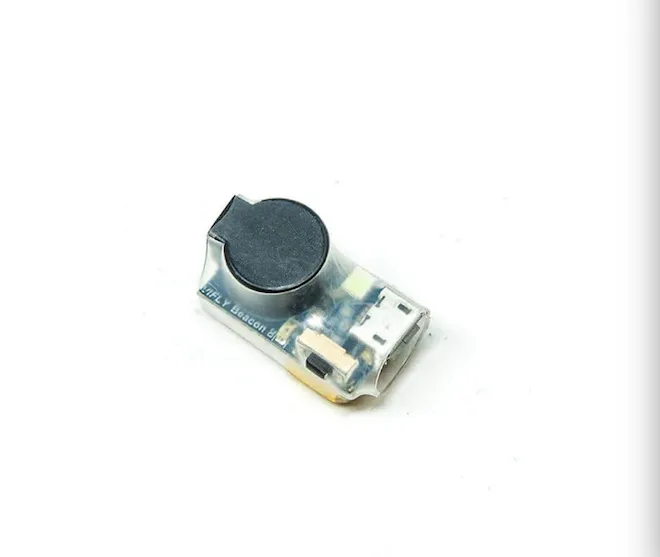
Pre-built units save time and often include better housings and inline switches. The VIFLY smoke stopper comes in a compact case with screw terminals for easy bulb replacement and a power switch that eliminates the need to unplug connectors between tests. Grab the code for 5% off if you’re ordering other VIFLY gear like the drone lost buzzer battery or 1s discharger.
| Feature | DIY Build | Pre-Built Unit |
|---|---|---|
| Cost | $8-12 | $20-35 |
| Build Time | 30-60 min | Ready to use |
| Durability | Varies | Designed for repeated use |
| Bulb Access | Easy | Tool-free replacement |
The DIY route makes sense if you enjoy building tools or want to understand the circuit. Buying saves bench time and usually delivers a more polished product that won’t embarrass you at the flying field.
Smoke Stopper Limitations You Should Know
No protection method is perfect. Smoke stoppers add resistance to the circuit, so they’re not suitable for full-throttle testing or motor timing checks, the voltage drop under load will give false readings. Always remove the smoke stopper before attempting flight or high-current testing. It’s purely a diagnostic and initial power-up tool.
The bulb’s current-limiting also means it won’t catch every fault. Low-current shorts that draw 500mA might not light the bulb enough to notice, yet they’ll still drain your battery or create heat over time.
Bulbs eventually burn out from repeated thermal cycling. Keep a spare 1156 bulb in your field kit, they cost under $3 at any auto store. The VIFLY unit uses standard bulbs, so you’re never stuck waiting for proprietary parts.
What Other Safety Gear Complements a Smoke Stopper
Smoke stoppers prevent electrical fires during testing, but FPV pilots need additional safety tools for complete coverage. A drone lost buzzer battery helps you locate a crashed quad before the LiPo enters a dangerous discharge state. The buzzer draws minimal power and can save a $60 battery from puffing or catching fire in tall grass.
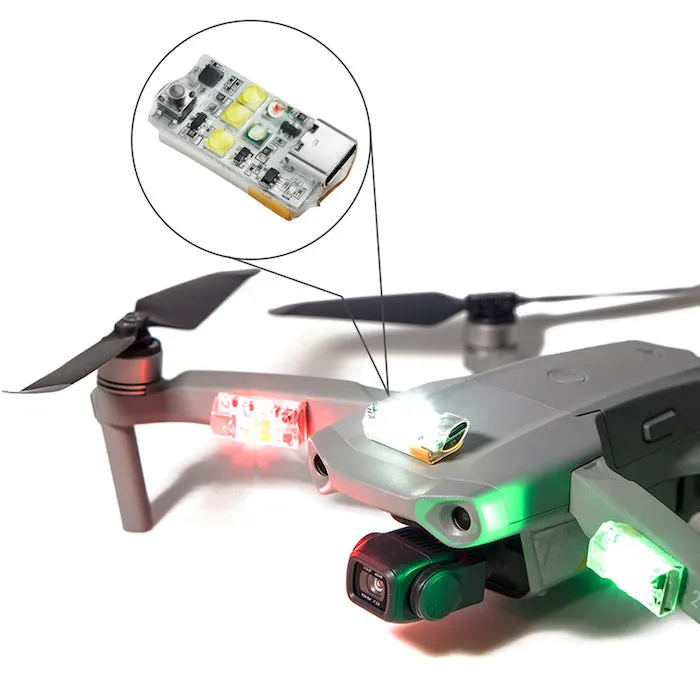
For night flying or legal compliance, drone strobe lights and uav anti collision lights keep your aircraft visible. These aren’t just regulatory boxes to check, we’ve avoided multiple mid-air scares because other pilots spotted our aries drone strobe light during twilight sessions.
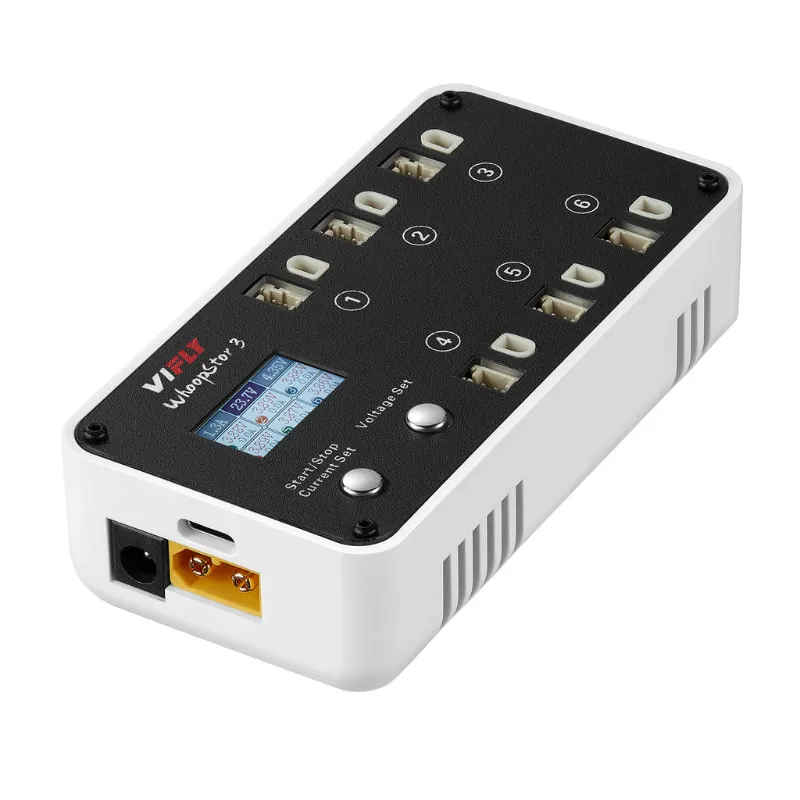
The 1s discharger rounds out the electrical safety kit by bringing single-cell LiPos down to storage voltage safely. Overcharged or unbalanced cells are fire risks, and a dedicated discharger handles the job faster than flying them down or using a parallel board.
Pair your safety gear purchases with drone lighting if you fly in low-light conditions, the neo light in particular offers bright output without significant weight penalty. Combined with proper electrical testing using your smoke stopper, you’ve covered the major risk categories for modern FPV flying.
Our Recommendation: Use Both Methods Strategically
This two-layer approach catches problems at the safest possible moment (on the ground, with a fire extinguisher nearby) while maintaining lightweight secondary protection in the air.
The VIFLY smoke stopper delivers reliable performance at a fair price point, especially when purchased with the store’s current discount. Visit the VIFLY coupon page to see bundle deals that include other essential bench tools. For budget-conscious builders, the DIY route remains viable, Framework Films’ guide shows how to add an LED cutoff switch for cleaner operation.
Fuses belong in your flight builds, not on the bench. Smoke stoppers belong on the bench, not in the air. Use each where it excels, and you’ll save far more in avoided component damage than either tool costs.
Questions
Can I leave a smoke stopper connected during flight?
No, smoke stoppers add resistance that limits current and creates voltage drop under load. Always remove the smoke stopper after successful ground testing and before attempting flight or high-throttle tests.
What does it mean when the bulb glows brightly on my smoke stopper?
A bright glow indicates a short circuit or excessive current draw. Disconnect power immediately and inspect your wiring, solder joints, and component connections before reconnecting.
Do I need an XT60 smoke stopper or can I use other connectors?
XT60 is the most common connector for FPV drones, but you can build or buy smoke stoppers with XT30, XT90, Deans, or any connector that matches your setup. The bulb circuit works the same regardless of connector type.
How often should I replace the bulb in my smoke stopper?
Replace the bulb when it no longer lights up during a known short circuit test, or if the filament appears broken. Most bulbs last dozens of uses, and standard automotive 1156 bulbs cost under $3.
Will a smoke stopper protect against reversed battery polarity?
A smoke stopper limits current flow but does not prevent polarity damage. Always double-check battery orientation before connecting, as reversed polarity can instantly destroy components even with current limiting in place.
Can I use a smoke stopper for testing drone lights and strobes?
Yes, smoke stoppers work well for testing low-current accessories like drone lights, strobes, and buzzers. The current draw is low enough that the bulb will barely glow during normal operation.
Products in this guide
 Shopping at VIFLY Drone? See the discount code
5% OFF Sitewide
Shopping at VIFLY Drone? See the discount code
5% OFF Sitewide
More in this series
 How Long Do VIFLY Drone Strobes Last on a Single Charge?15 Aug 20264 minThe Complete Guide to FAA-Compliant Anti Collision Lights for Drones15 Aug 20266 minHow Beepers and Lights Help You Find a Lost Drone15 Aug 20264 minDo Drone Strobe Lights Really Improve Night Flight Visibility?15 Aug 20263 minHow to Safely Discharge and Store Your 1S LiPo Batteries15 Aug 20264 min