 A VIFLY Drone guide
How to Safely Discharge and Store Your 1S LiPo Batteries
Learning to safely discharge and store 1s lipo batteries protects your investment and prevents dangerous swelling or fire risks.
To safely discharge and store 1s lipo batteries, bring them to storage voltage (3.8V per cell), keep them in a fireproof container at room temperature, and check voltage monthly to prevent over-discharge.
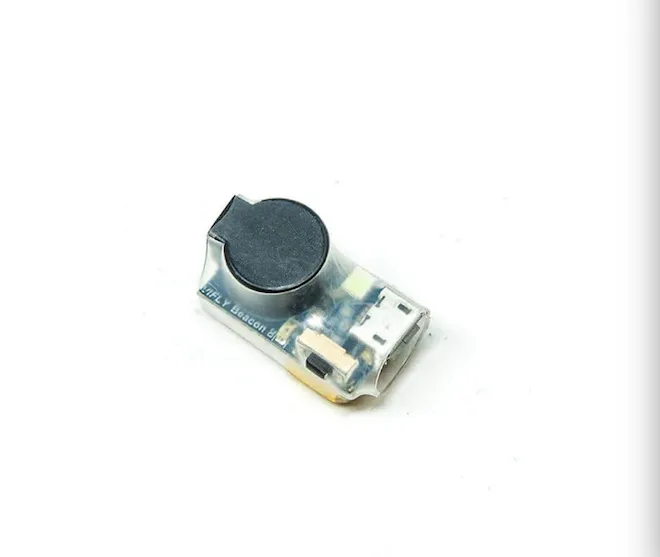
Single-cell LiPo batteries power everything from micro drones to drone lost buzzer battery units and drone lighting accessories. Unlike larger packs, 1S cells are easy to misplace or forget about, which makes a disciplined storage routine essential.
Why 1S LiPo Storage Voltage Matters
Leaving a 1S LiPo at full charge (4.2V) for weeks degrades the chemistry and increases fire risk. Storing below 3.5V triggers over-discharge protection in some cells, leaving them unrecoverable. The sweet spot is 3.8V per cell, which balances longevity and safety.
Storing a cell at a higher voltage speeds up capacity loss compared to the recommended storage voltage.
Storage voltage also prevents the puffing you see in neglected packs. A swollen 1S cell is a warning sign of internal damage and should be recycled immediately, not recharged.
How to Discharge 1S Batteries to Storage Voltage
You have three reliable options to bring a freshly charged 1S LiPo down to storage voltage, and each suits different scenarios.
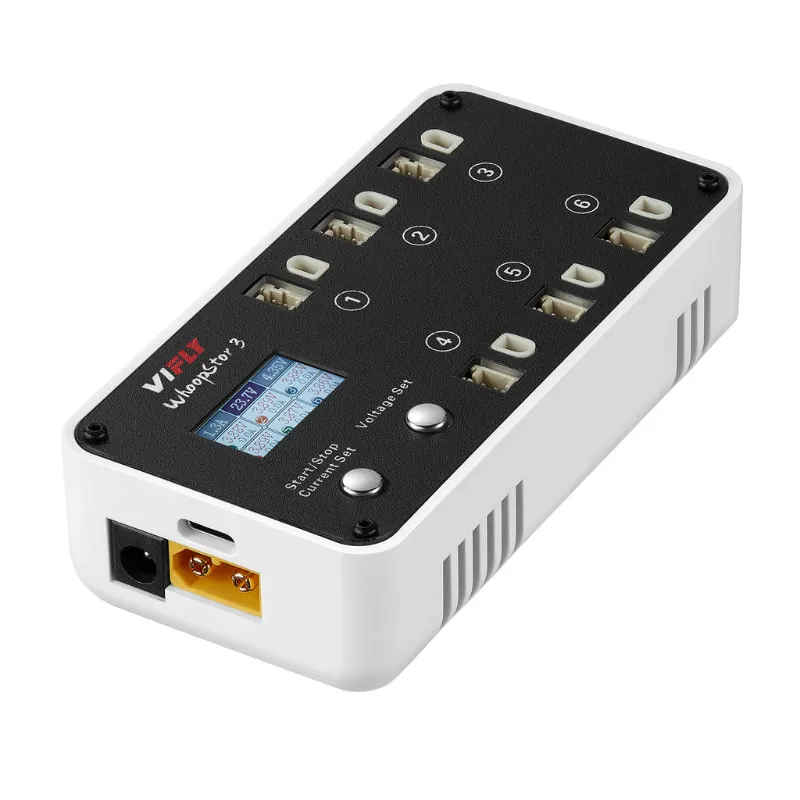
Dedicated 1S Discharger A 1s discharger is the cleanest solution. These small boards accept a 1S battery, draw a controlled current through a resistor, and stop automatically at 3.8V. These work well for bulk storage prep after a day of flying. Most models handle PH2.0 and BT2.0 connectors and discharge a 300mAh cell in 10 to 15 minutes. Check the latest price to see current deals on discharge boards.
Charger Storage Mode If your LiPo charger has a storage-discharge function, plug in the battery and select the 1S storage preset. The charger will either charge up or discharge down to 3.8V depending on the cell’s current state. This method works well for mixed packs at different voltages but ties up your charger.
Passive Load (Light or Buzzer) For field discharge, connect a drone strobe or small LED light to the battery and let it run until the cell reaches 3.7 to 3.8V. Check voltage every few minutes with a meter or cell checker. This method also works with drone led lights and buzzer units when away from the bench. It’s slower and requires attention, but it uses gear you already carry.
| Method | Speed | Accuracy | Best For |
|---|---|---|---|
| 1S discharger | Fast | High | Batch prep at home |
| Charger storage mode | Medium | High | Mixed voltages |
| Passive load | Slow | Medium | Field discharge |
Never discharge below 3.5V unless you’re recycling the cell. Once a 1S LiPo drops under 3.0V, many chargers refuse to recognize it.
Proper 1S LiPo Storage Containers and Environment
After you safely discharge and store 1s lipo batteries to the correct voltage, the container and location matter just as much.
Fireproof Storage A steel ammo can lined with fireproof LiPo bags works well for storage. Alternatives include ceramic flowerpots, metal toolboxes, or dedicated LiPo safes. Avoid plastic bins, which melt if a cell vents. Keep the container on a non-flammable surface away from exits and sleeping areas.
Temperature and Humidity Room temperature (18 to 24°C) is ideal. Heat accelerates degradation, and freezing temperatures can crack the pouch. Heat accelerates degradation, so a hot garage is a poor storage spot. Moderate humidity is fine, but avoid damp basements where condensation can corrode balance leads and connectors.
Organization Label each cell or group with the date you put it into storage and its cycle count. Small zip-lock bags work well to keep sets together; write the voltage and date on each bag with a marker. This makes it easy to rotate stock and retire high-cycle cells before they become a problem.
How Often to Check Stored 1S Batteries
Even at storage voltage, 1S LiPos self-discharge over time. Check voltage once a month and top up any cell that drops below 3.7V. A simple volt meter or a multi-cell checker that reads several packs at once works well for this.
If you find a cell below 3.5V, charge it immediately and test capacity. A sudden voltage drop often signals internal damage. Cells that won’t hold 3.8V for a few weeks should be recycled, not flown.
For seasonal flyers, inspect all stored batteries before your first flight of the year. Recharge to storage voltage if needed, then do a full cycle test on a few packs to confirm they still perform.
Getting the Most Life from Your 1S Cells
Beyond discharge and storage, a few habits extend the calendar life of tiny cells.
- Avoid full-throttle rundowns. Land with 10 to 15 percent remaining instead of flying to cutoff. This reduces stress and heat.
- Cool down before charging. Let a hot pack rest for 5 to 10 minutes after flight. Charging a warm cell accelerates wear.
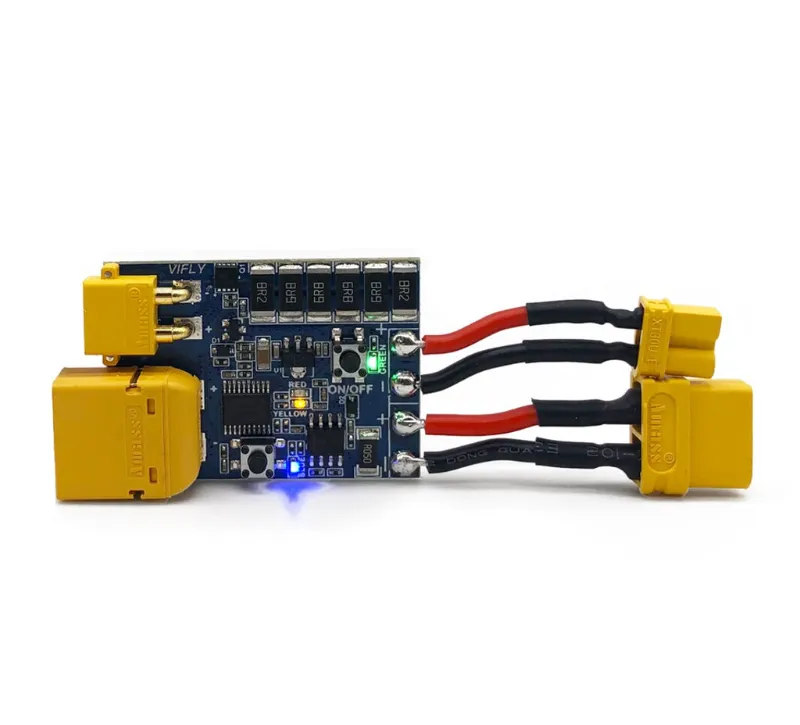
- Use a smoke stopper on new builds. Short circuits destroy 1S packs instantly, and a current limiter catches wiring mistakes before they become fires.
- Rotate your stock. Fly the oldest cells first and retire any that puff, lose capacity, or show physical damage.
If you’re stocking up or replacing worn packs, grab the code for 5% off sitewide at VIFLY Drone. Proper care turns a set of budget cells into a season of reliable power, and storage discipline prevents the garage fires that give LiPos a bad reputation.
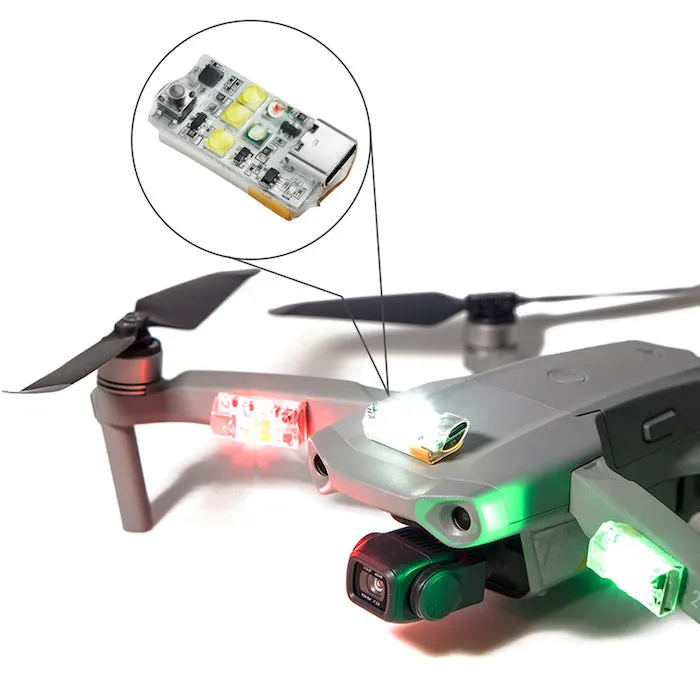
For pilots adding night-flying capability, remember that accessories like uav anti collision lights and the neo light also use small cells that need the same storage care. Treat every lithium battery with the same respect, and you’ll fly safely for years.
Questions
What voltage should I store my 1S LiPo at?
Store 1S LiPo batteries at 3.8V per cell. This voltage balances long-term health and prevents over-discharge. Check monthly and recharge if the cell drops below 3.7V.
Can I use a regular resistor to discharge a 1S battery?
Yes, but you must monitor voltage constantly to avoid over-discharge. A dedicated 1S discharger with auto-cutoff is safer and more convenient for regular use.
How long can I safely store a 1S LiPo at storage voltage?
A properly stored 1S LiPo at 3.8V can sit for six months or longer if you check and top up the voltage monthly. Cells stored beyond a year without monitoring often lose capacity permanently.
Do drone strobe lights and buzzers need storage voltage too?
Yes, any device with a built-in LiPo should be stored at 3.8V if you won't use it for more than two weeks. This includes drone lost buzzer batteries and rechargeable lighting accessories.
What should I do with a puffed 1S LiPo?
Discharge it to 0V using a resistor or salt water, then recycle it at a battery collection center. Never charge or fly a swollen cell, as it can vent or catch fire.
Is it safe to store 1S batteries inside my drone?
Only for short-term storage of a few days. For longer periods, remove the battery and store it separately at storage voltage in a fireproof container to reduce fire risk and prolong cell life.
Products in this guide
 Shopping at VIFLY Drone? See the discount code
5% OFF Sitewide
Shopping at VIFLY Drone? See the discount code
5% OFF Sitewide
More in this series
 How Long Do VIFLY Drone Strobes Last on a Single Charge?15 Aug 20264 minThe Complete Guide to FAA-Compliant Anti Collision Lights for Drones15 Aug 20266 minHow Beepers and Lights Help You Find a Lost Drone15 Aug 20264 minDo Drone Strobe Lights Really Improve Night Flight Visibility?15 Aug 20263 minVIFLY Smoke Stopper vs Traditional Fuses: Which Protects Your Drone Better?15 Aug 20265 min