 A TriEye guide
How to Use TriEye Prescription Inserts with Your Cycling Glasses
Fit TriEye uv-protected cycling glasses with prescription lens inserts in minutes and keep full vision on the road.
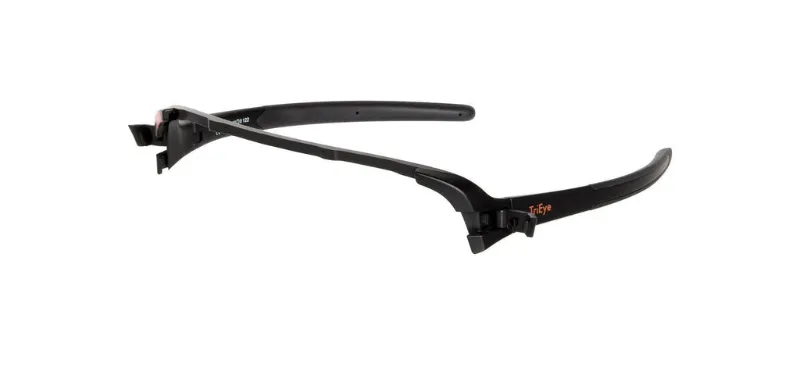
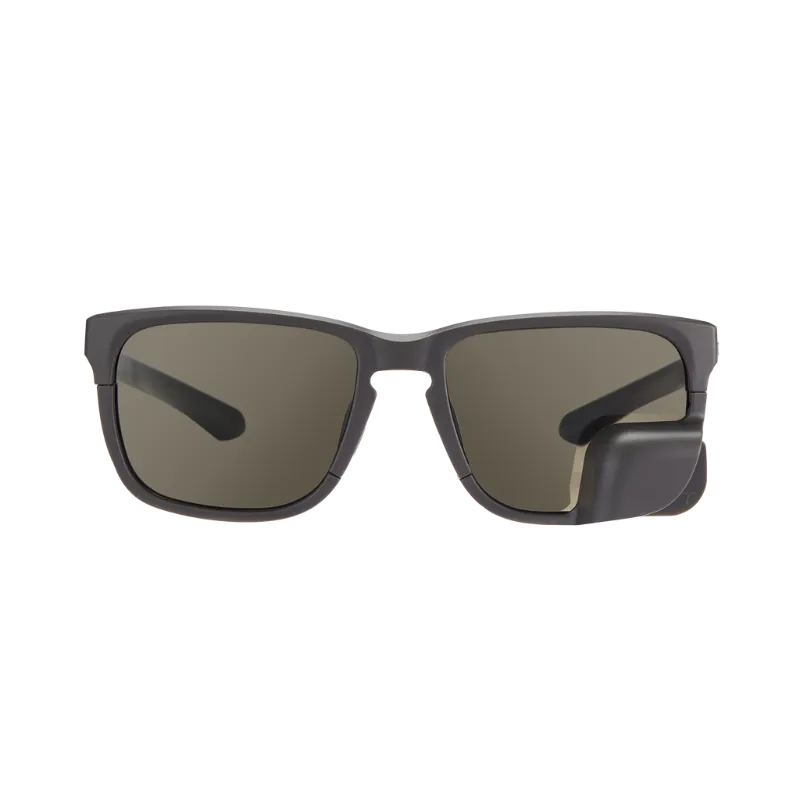
The trieye uv-protected cycling glasses accept prescription lens inserts in about five minutes with no tools, so you can keep your vision correction without giving up the wrap-around shield the glasses are built around. The inserts snap into the inner frame behind the main lens and hold the same prescription you would get from a normal pair of spectacles, which means one pair of glasses handles sun protection and vision correction at the same time.
Here is everything you need to know about fitting, aligning, and looking after prescription inserts in TriEye cycling glasses.
Which Inserts Work With These Glasses
TriEye makes a dedicated insert platform that fits its own frames, and that is the version you want. Third-party universal inserts are designed for larger wraparound shields and can sit too high or too low against the nose bridge in a narrower frame.
Choose based on the main lens you plan to run:
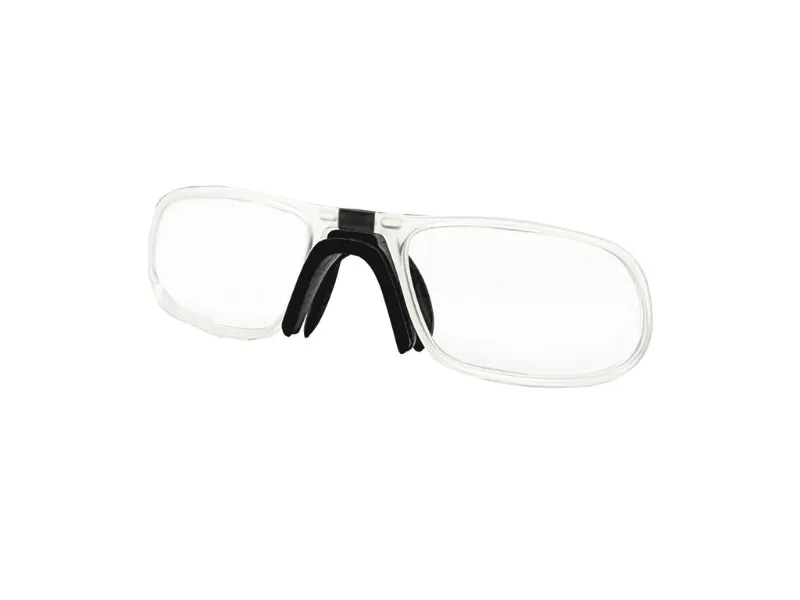
- Clear or low-light lenses with prescription inserts are a good everyday commuter setup when you ride early and late.
- Polarized shields paired with rx insert sunglasses cut glare best on open roads and long daylight rides.
- If you mostly ride in changeable light, keep the tinted shield on top and let the inserts carry the prescription regardless of conditions.
The insert is a small plastic carrier with two lens wells, and it attaches magnetically or with a friction clip depending on the frame generation you own. Check the underside of the frame nose bridge for the mounting point, because that tells you which style you have.
Fitting the Insert Step by Step
The whole job takes a few minutes and needs no screwdriver.
- Clean the inner shield surface with a microfiber cloth so no grit scratches the lens while you work.
- Locate the mounting posts or magnetic seat on the inner frame, just above the nose bridge.
- Align the insert so the two lens wells face outward toward your eyes, with the tiny alignment marks at the top of each well.
- Press the insert in from the center outward until you hear or feel the latch seat. Push gently; the lock engages on its own.
- Test the fit by holding the glasses in front of your face. The insert should sit a few millimeters behind the shield, not touching it.
If the insert rocks side to side, lift it and reseat it with even pressure across both sides rather than forcing one corner.
Aligning the Optical Center Correctly
The reason inserts sometimes cause headaches is not the frame, it is the optical center sitting off axis. Correct alignment matters more here than with normal spectacles because the shield already angles light through a curved surface.
- The optical center of each insert lens should sit roughly level with your pupil when you look straight ahead.
- If your prescription has a prism correction, keep the insert level and resist adjusting one side independently, since that shifts the vertical balance.
- Minor vertical tweaks are normal right after fitting. Ride a short loop, then reseat the insert if your eyes strain or you feel dizzy at speed.
Good alignment is what makes the difference between a clear shield and a set of glasses you cannot wear past 20 minutes, so it is worth the first-ride tune.
Why People Pair Inserts With Safety Add-Ons
The whole point of the TriEye system is that you add capability without swapping glasses. Two add-ons pair naturally with prescription inserts.
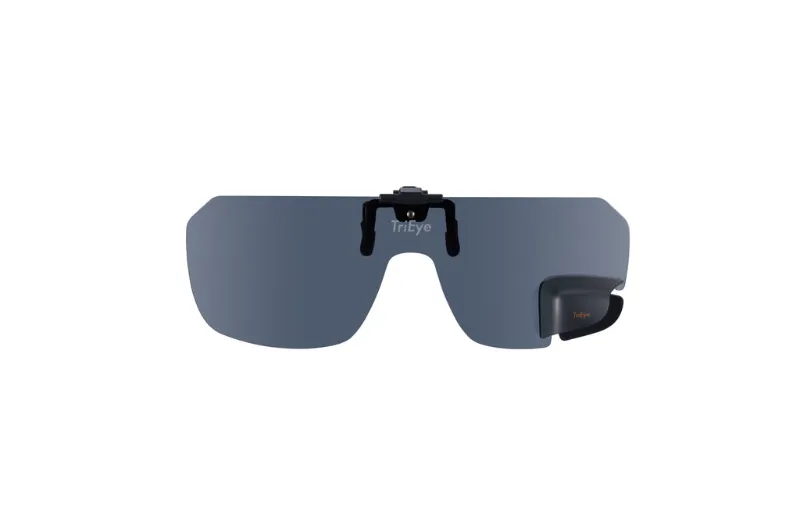
The frame’s built-in rear view glasses option puts a small convex mirror in the lower corner of the shield, letting you check traffic behind you without turning your head. When you combine that with inserts, your vision correction sits behind the shield and the mirror works the same way it does for a rider without a prescription.
The clip-on bicycle mirrors and bike mirrors attach to the arms and cover the same blind-spot gap for riders who prefer a mirror outside the lens. Either approach is fine with inserts, since neither touches the inner carrier.
One thing to keep in mind: with a mirror mounted in the lower shield corner, your insert sits behind it and may slightly reduce the mirror’s field of view. Test both mirror positions on a quiet road before you rely on them in traffic. You can see how the full system performs in the Reviewed: TriEye Cycling Sunglasses With Tiny Mirror write-up.
Caring for the Inserts and Shield
Prescription inserts collect dust at the edges because they sit in the airflow behind the shield, so they need more frequent cleaning than the outer lens.
- Rinse both the insert and the shield under lukewarm water before wiping; dry grit scratches fast.
- Use a clean microfiber cloth and never a paper towel, which leaves fine scoring.
- Store the glasses in the hard case with the insert facing inward so the carrier clips are not knocked.
- Check the latch each month; a loose insert rattle at speed is usually just a clip that needs a firm reseat.
Who Prescription Inserts Are Not For
Inserts are a great fit for mild to moderate myopia and astigmatism, but they are a poor fit for very strong prescriptions above roughly 6 diopters, where the lens thickness starts to press against the shield. If your optician writes a high-plus prescription, use that number to decide, not the frame size.
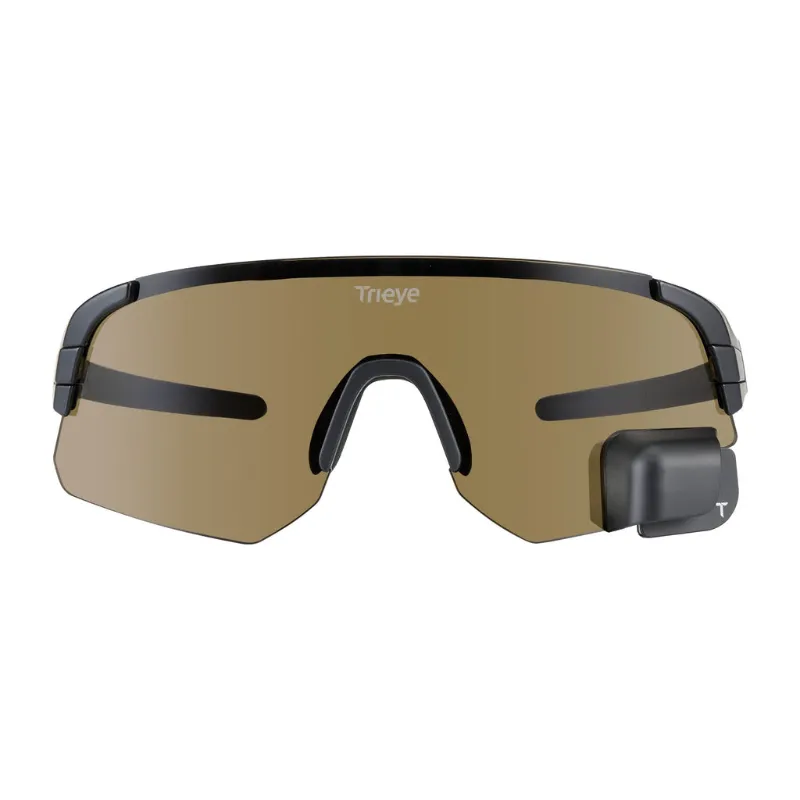
Readers with minimal correction may find inserts overkill and can run the plain trieye glasses with no inner carrier at all. The the changing mirror frame option also offers the same inner frame layout if you like swappable mirror modules.
And because the trieye view sport revo uses the same insert platform, you can move a single set of prescription lens inserts between that frame and your main cycling pair, which saves you buying two prescriptions.
Getting the Best Price
TriEye runs a standing offer on the store coupon page, and it applies to glasses and accessory orders including prescription inserts. Check the latest price before checkout, then grab the code to take the current 10% off all orders. If you are buying inserts and a shield together, the discount stacks onto both line items, so it is worth ordering them in one cart.
For frame pricing and current offers, the coupon page always carries the live figures rather than our summary, since TriEye adjusts promotions seasonally.
Questions
Can I move my TriEye prescription lens inserts between different frame models?
Yes. TriEye builds the same inner frame platform across models including the trieye view sport revo and the trieye uv-protected cycling glasses, so a single set of inserts transfers between compatible frames.
How far behind the shield should the prescription insert sit?
The insert should rest a few millimeters behind the main shield without touching it. If it touches the lens, reseat it with even pressure from the center outward until the latch settles.
Will the rear view mirror interfere with my prescription inserts?
No. The mirror mounts in the lower shield corner and sits in front of the insert, so your vision correction stays behind it. It may slightly reduce the mirror field of view, which you should test on a quiet road.
What strength of prescription works well with TriEye inserts?
Mild to moderate myopia and astigmatism prescriptions seat cleanly in the inserts. Very strong prescriptions above roughly 6 diopters can press against the shield, so check thickness with your optician first.
Do I need tools to install the prescription inserts?
No. The inserts click into the frame's inner mounting posts or magnetic seat by hand, and reseating them takes about a minute with no screwdriver required.
How often should I clean the insert lenses?
More often than the outer shield, since inserts collect dust at the edges in the airflow behind the lens. Rinse under lukewarm water and wipe with a microfiber cloth, never a paper towel.
Products in this guide
 Shopping at TriEye? See the discount code
10% OFF All Orders
Shopping at TriEye? See the discount code
10% OFF All Orders
More in this series
What to Know Before Buying TriEye Sport Revo Glasses22 Aug 20265 minThe Best TriEye Glasses for UV Protection on Long Rides22 Aug 20264 minDo TriEye Rear View Glasses Work? What to Know Before You Buy22 Aug 20264 minTriEye Rear View Glasses vs. Traditional Bicycle Mirrors: Which Is Safer?22 Aug 20264 min