 A TriEye guide
The Best TriEye Glasses for UV Protection on Long Rides
TriEye glasses are the only cycling eyewear that combines built-in rear-view mirror technology with serious UV protection, making them a smart pick for long road rides.
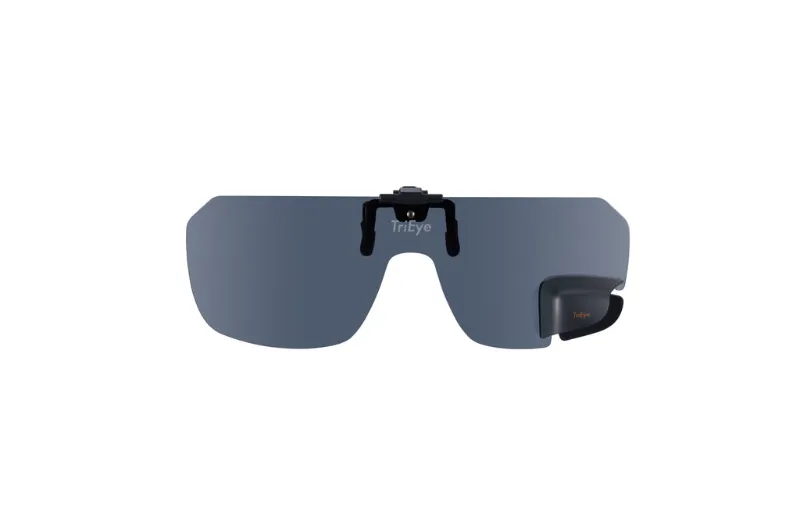
TriEye glasses solve two real problems at once: they shield your eyes from UV radiation on long exposed rides and give you a clear view of traffic approaching from behind, without turning your head. If you have been searching for cycling glasses with rear view mirror capability that actually hold up in bright conditions, this guide covers everything you need to choose the right model, understand the optics, and get the best price.
—
What Makes TriEye Glasses Different From Standard Cycling Eyewear
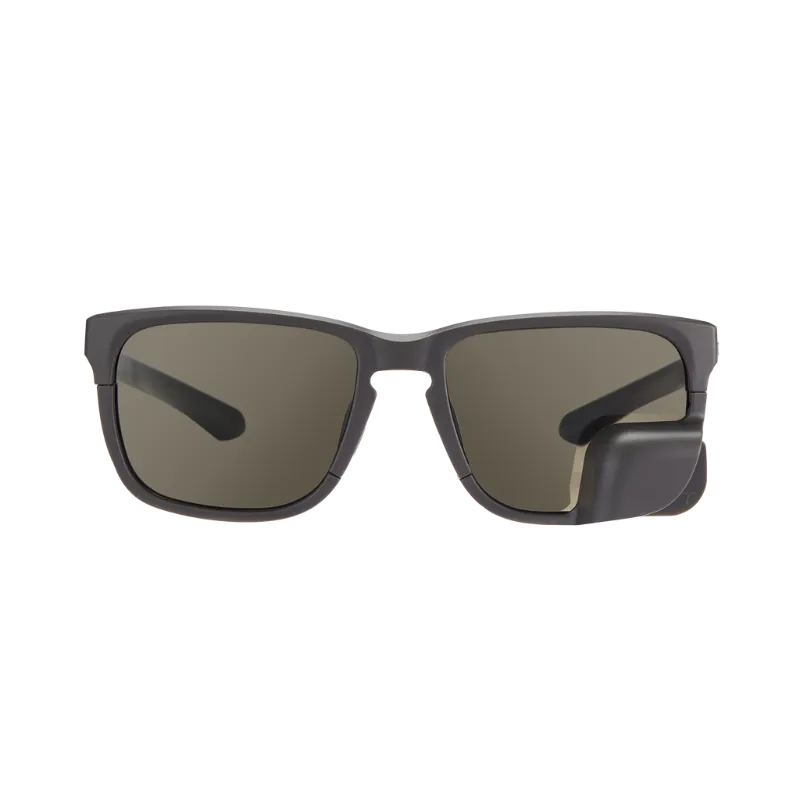
Most cycling sunglasses focus entirely on what is in front of you. TriEye builds a small, precision mirror into the corner of the lens so you can check traffic behind you with a simple glance, no handlebar mirror required.
Key differences from standard cycling glasses:
- Integrated rear-view optic embedded in the lens, not clipped on
- Wide, wrap-style frames that reduce wind and peripheral glare
- UV-blocking lenses rated to filter harmful UVA and UVB rays on long, exposed routes
- Lightweight construction designed to stay stable during the head movement involved in actual riding
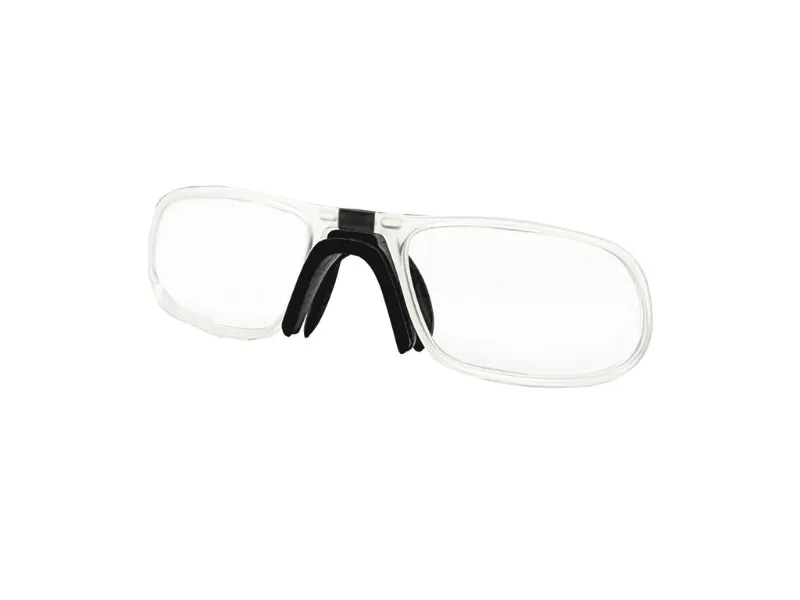
- Prescription compatibility via optional prescription inserts, so riders who need corrective lenses are not left out
The result is a product category that sits between traditional cycling sunglasses and rear view glasses, combining the function of both into one frame.
—
Comparing the Main TriEye Models
TriEye offers several variants. The right one depends on your light conditions, ride type, and whether you need a prescription.
| Model | Best For | Mirror Type | Prescription Option |
|---|---|---|---|
| TriEye View Sport Revo | Road and triathlon | Revo (mirrored) lens | Via insert |
| TriEye UV-Protected Cycling Glasses | General long-distance | UV-blocking clear or tinted | Via insert |
| The Changing Mirror | Varied light conditions | Photochromic or interchangeable | Via insert |
| RX Insert Sunglasses | Prescription riders | Revo or standard | Built for RX inserts |
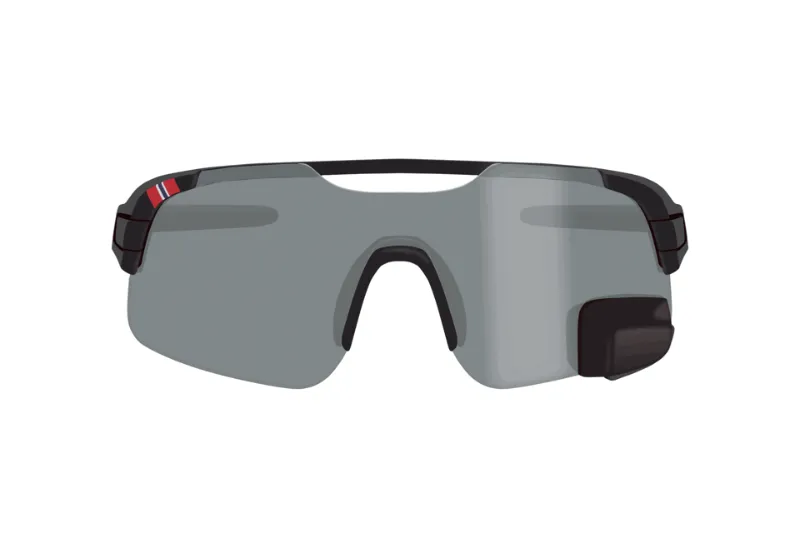
The trieye view sport revo is the model that gets the most attention from serious road cyclists. Road.cc called it a genuinely usable piece of kit in their full review, praising the mirror placement and optical clarity. If you ride in variable British or northern European light, the revo coating reduces glare from wet roads and low sun better than a clear lens.
—
UV Protection: What to Look For on Long Rides
Cumulative UV exposure during multi-hour rides is a real concern, especially at altitude or on open roads with no tree cover. A lens that looks dark is not necessarily UV-blocking, so it is worth understanding what you are buying.
- UV400 rating blocks all light rays with wavelengths up to 400nm, covering both UVA and UVB
- Revo coatings add a reflective layer that reduces overall light transmission and surface glare
- Wraparound fit limits UV entering from the sides, which standard frames allow
- Photochromic options adapt to changing conditions so you are not caught under-protected when a cloud clears
As noted in Triathlete’s hands-on review, the TriEye lens sits close to the face and wraps well, which matters more than most riders expect for blocking peripheral UV exposure on long efforts.
—
Prescription Riders: How the Insert System Works
Not being able to wear prescription lenses has historically locked a lot of cyclists out of performance eyewear. TriEye addresses this with prescription lens inserts that sit behind the main lens inside the frame.
How it works:
- Order the rx insert sunglasses frame or a compatible TriEye frame
- Have an optician cut lenses to your prescription for the prescription inserts carrier
- Clip the insert inside the frame before your ride
- The outer UV-blocking or revo lens handles protection and the rear-view mirror function remains fully intact
This approach keeps the aerodynamic profile of the frame intact and means you do not need a separate pair of prescription cycling glasses. It is worth checking current pricing and availability directly on the TriEye discount code page, where we list the active offer on all models.
—
TriEye vs. Handlebar Bike Mirrors: Which Is Better for Long Rides?
Some riders prefer bicycle mirrors or bike mirrors mounted to the bars or helmet. Both approaches work, but they suit different riding styles.
| Feature | TriEye Glasses | Handlebar / Bike Mirrors |
|---|---|---|
| Field of view angle | Fixed to lens position | Adjustable after mounting |
| Aerodynamic impact | None | Minor drag on bars |
| Works on any bike | Yes | Requires compatible mount |
| Works with prescription | Yes, via insert | Yes, independently |
| Head-turn required | Minimal glance | None |
For riders who frequently change bikes, use rental bikes during travel, or race in events where bar accessories are restricted, trieye glasses are the more flexible solution. For commuters who want a set-and-forget option, a quality bicycle mirror on the handlebars remains a solid choice.
—
Fit, Care, and Getting the Most From Your Pair
Fit:
- Adjust the nose pads so the frame sits close to your face without touching your lashes
- The rear-view mirror works best when the lens is parallel to your line of sight, so take a few minutes after fitting to check your mirror angle before your first long ride
Lens care:
- Rinse with clean water before wiping; road grit scratches revo coatings fast
- Use a microfibre cloth, not a jersey or rough fabric
- Store in a hard case when not in use; the mirror lens is a precision optic
Riding adjustment:
- The rear-view mirror takes a ride or two to get used to; practice glancing without tilting your head until it becomes natural
- If you wear prescription lens inserts, check that they are seated flat before each ride so they do not distort the rear-view image
—
Where to Buy and How to Save
TriEye sells direct, and pricing varies by model and lens type. The simplest way to see current pricing across the full range, including the trieye view sport revo and prescription options, is to check the latest price and grab the discount code before you order. We keep that page updated with any active offers, including the current 10% off sitewide deal.
Whether you are a triathlete looking for glasses with mirrors to see behind you during a race, or a gran fondo rider who wants UV protection on six-hour days in the saddle, there is a TriEye model built for that use case.
Questions
Are trieye glasses legal to use in triathlon and cycling races?
Most triathlon and road cycling events permit eyewear with integrated mirrors because they are not classified as handlebar accessories. Check the specific rulebook for your event, as regulations can vary between governing bodies and race directors.
Can I get prescription lenses fitted into TriEye frames?
Yes. TriEye offers a prescription insert system where an optician cuts corrective lenses to fit a clip-in carrier that sits inside the frame. The outer UV-blocking lens and rear-view mirror function remain unaffected.
How wide is the rear-view field of view on the TriEye View Sport Revo?
The mirror is small and positioned in the corner of the lens, so the field of view is narrower than a handlebar mirror. It is designed for quick situational awareness rather than a wide panoramic view, and most riders adapt to it within a couple of rides.
Do TriEye glasses offer genuine UV400 protection or just tinted lenses?
TriEye UV-protected cycling glasses are built with UV-blocking lenses, not simply tinted ones. Always confirm the UV rating on the specific model you are purchasing, as lens options vary across the range.
Is there a TriEye discount code available right now?
We maintain a dedicated page with the current TriEye discount code and any active promotions. Check our TriEye discount code page before ordering to make sure you apply the latest offer at checkout.
How do TriEye glasses compare to a standard handlebar bike mirror?
TriEye glasses integrate the mirror into the lens so the setup moves with your gaze, while a handlebar bike mirror has a fixed field of view and requires no head movement. Glasses suit riders who switch bikes often or ride in events where bar accessories are restricted; handlebar mirrors suit commuters who prefer a hands-free, always-on solution.
Products in this guide
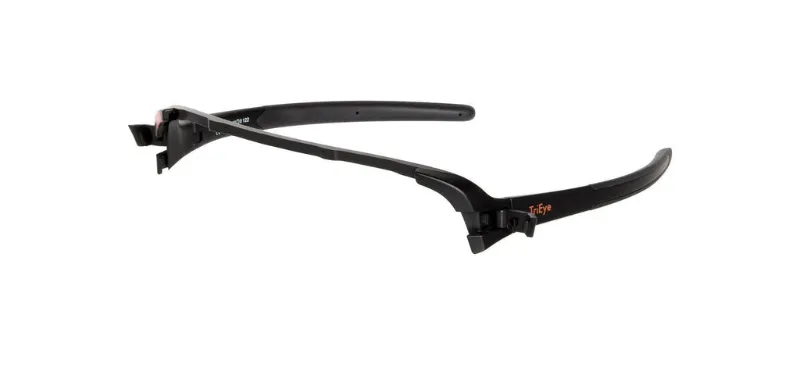
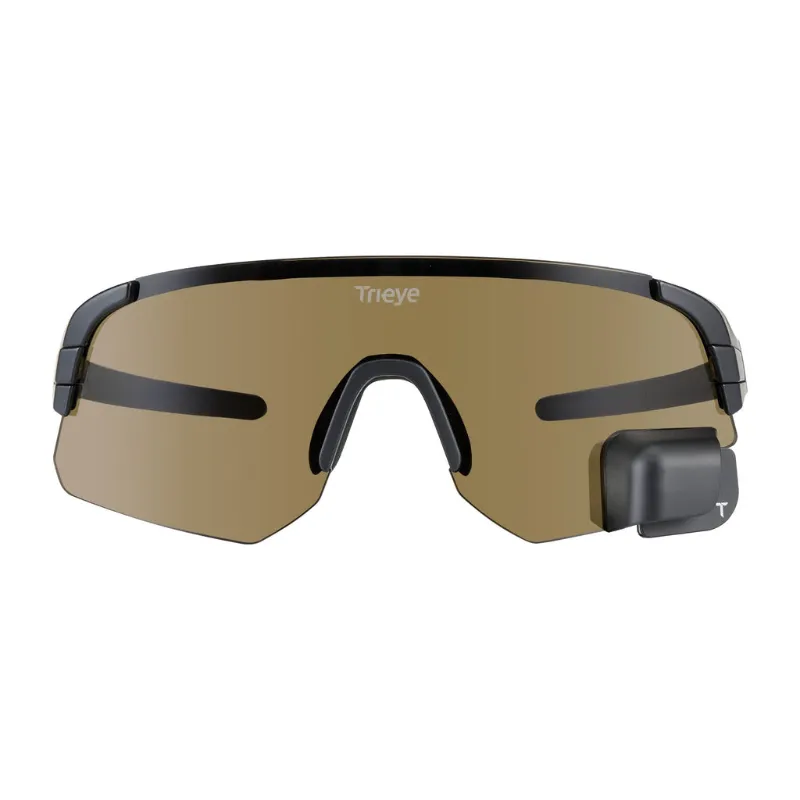 Shopping at TriEye? See the discount code
10% OFF All Orders
Shopping at TriEye? See the discount code
10% OFF All Orders
More in this series
What to Know Before Buying TriEye Sport Revo Glasses22 Aug 20265 minDo TriEye Rear View Glasses Work? What to Know Before You Buy22 Aug 20264 minHow to Use TriEye Prescription Inserts with Your Cycling Glasses22 Aug 20265 minTriEye Rear View Glasses vs. Traditional Bicycle Mirrors: Which Is Safer?22 Aug 20264 min