 A TriEye guide
Do TriEye Rear View Glasses Work? What to Know Before You Buy
Rear view glasses from TriEye genuinely change how aware you feel on the road, but only if you pick the right model and set them up correctly.
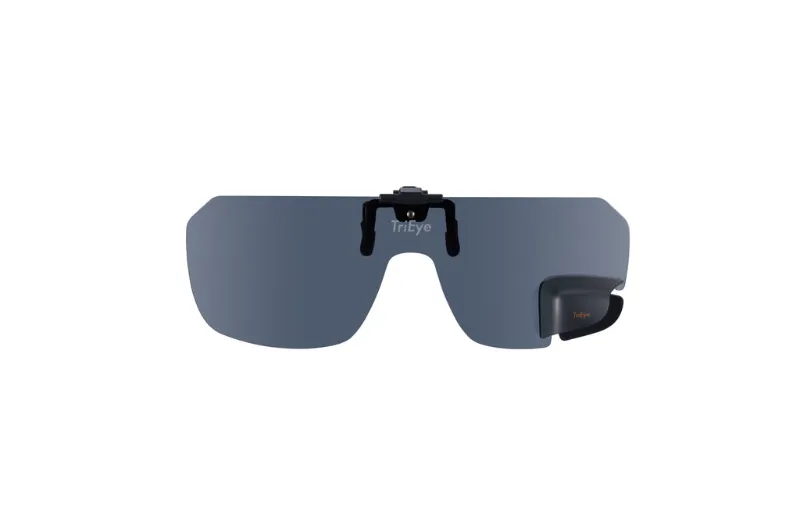
Rear view glasses use a mirror built into the lens to show what’s behind you without turning your head. The mirror-in-the-lens concept sounds like a gimmick until the first time a car appears in your peripheral sightline without you having to move your head. That said, there is a learning curve and a few model differences worth knowing before you buy.
How TriEye Rear View Glasses Actually Work
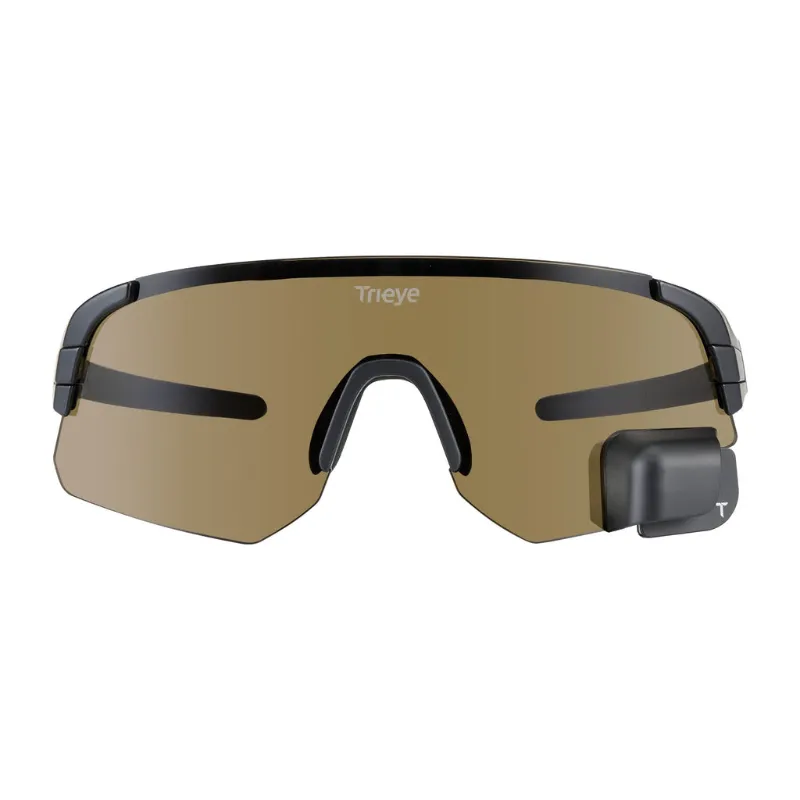
The core idea is simple: a small convex mirror is embedded at the outer corner of one lens. As you look straight ahead, a reflected slice of the road behind you sits in your lower-peripheral vision. You train yourself to glance at it the same way you would a door mirror in a car.
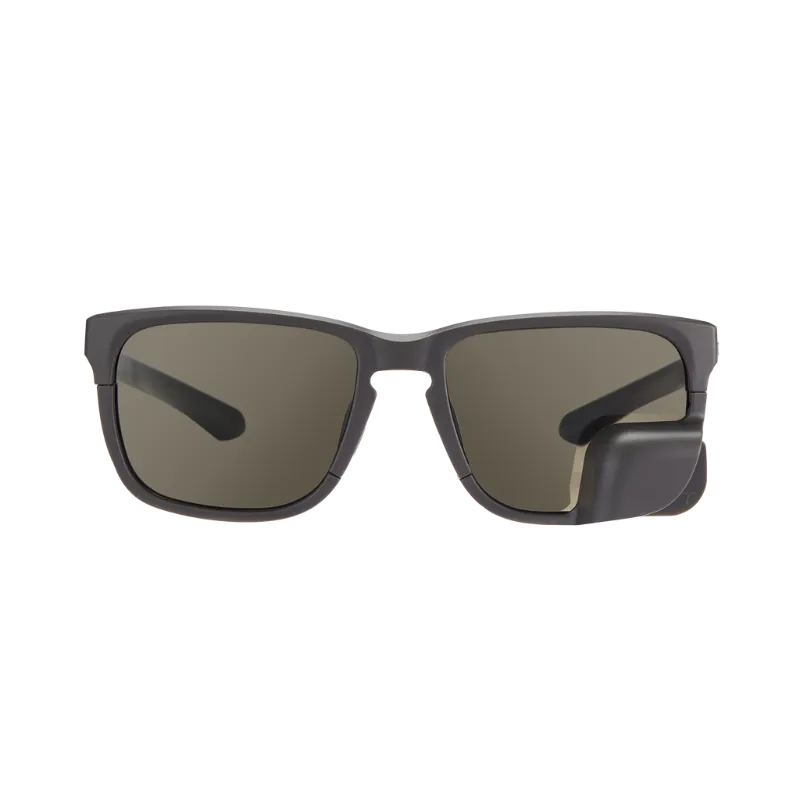
This is different from helmet-mounted bicycle mirrors or bar-end bike mirrors, which require a dedicated mount and can vibrate loose. It is also different from glasses with a rear-view camera, which add weight, battery life concerns, and a screen. The TriEye approach keeps the system passive and maintenance-free.
The mirror does not give you a full-width panoramic view. It shows roughly a car-width strip of the lane behind you. That is enough to know whether something is approaching, which is the information that matters most.
TriEye Model Comparison: Which One Should You Buy?
TriEye offers several variants. The main differences are lens type, frame shape, and UV protection level. Here is how the core lineup compares:
| Model | Best For | UV Protection | Prescription Ready |
|---|---|---|---|
| TriEye View Sport Revo | Road cyclists, high-glare days | Yes | No |
| TriEye UV-Protected Cycling Glasses | All-round commuters | Yes | No |
| The Changing Mirror | Varied light conditions | Photochromic | No |
| RX Insert Sunglasses | Prescription wearers | Yes | Yes, with insert |
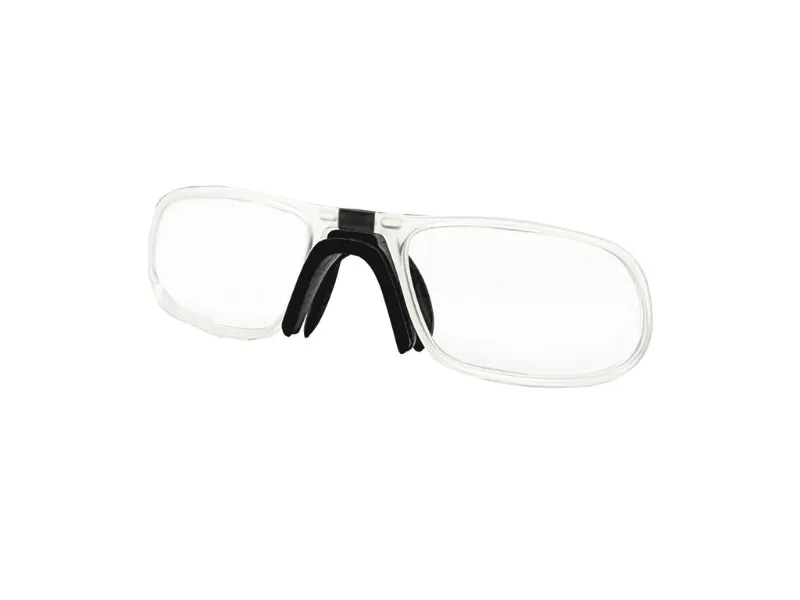
If you wear prescription lenses, the prescription inserts system is the practical answer. You slot a custom-ground insert behind the main lens so you do not have to choose between seeing clearly and seeing behind you. The prescription lens inserts are cut to fit the TriEye frame geometry, so alignment stays consistent ride to ride.
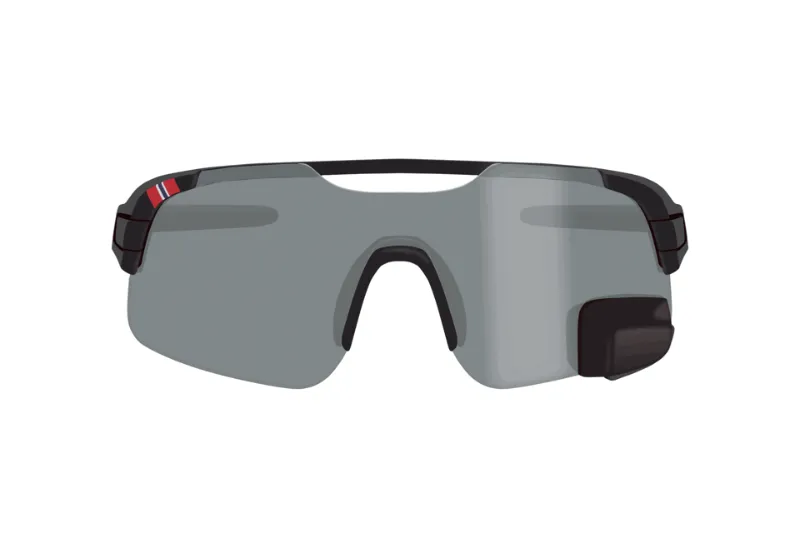
For riders who do not need a prescription, the TriEye View Sport Revo pairs a revo coating for bright mornings with a wraparound fit.
The Learning Curve: What to Expect in the First Week
The most common complaint about rear view sunglasses for cycling is that riders give up before they adapt. Give the mirror position time to feel natural before you rely on it in traffic.
Spend the first few rides on a quiet path or low-traffic road.
One practical tip: tilt the glasses slightly down your nose and experiment with the angle before your first road ride. Small adjustments to the angle change what the mirror picks up, so take a few minutes to get it right on a quiet street before you rely on it in traffic.
How TriEye Compares to Other Rear View Solutions
The broader market for rear-view sunglasses cycling products is still niche. Road.cc’s roundup of smart cycling glasses covers several competitors, and Hindsight is the other name you will frequently see. Their approach, which you can read about in detail at BikeRadar’s coverage of the Hindsight V2, integrates the optic differently. Both brands solve the same problem; the practical difference comes down to fit preference and price point.
TriEye’s advantage is its range. You are not locked into one frame style. If you already own a helmet and prefer to keep it uncluttered compared to helmet-mounted bicycle mirrors, the TriEye glasses slot into your existing kit without any additional hardware.
Who Gets the Most from These Glasses
Rear view sunglasses for cycling suit some riders more than others. You will likely get the most value if you:
- Ride in traffic regularly and find head-checking at speed uncomfortable or risky
- Have neck stiffness or limited rotation that makes shoulder checks difficult
- Commute in mixed-light conditions where the photochromic the changing mirror variant makes sense
- Already wear prescription eyewear and need the rx insert sunglasses option
Riders who train exclusively on closed circuits or fully separated paths will see less benefit. The mirror earns its keep in unpredictable traffic, not on a velodrome.
Lens Care and Fit Adjustments
The mirror element is integrated into the lens, so care is straightforward. Use a microfibre cloth and lens-safe solution. Avoid paper towels, which will scratch the coating over time. Store the glasses in the included hard case rather than a jersey pocket, especially with the revo-coated lenses.
For fit, TriEye frames adjust at the temples and nose pads on most models. If you are between sizes, size up rather than down. A slightly loose frame can be tightened; one that pinches will come off on a fast descent.
Where to Buy and How to Save
TriEye sells direct, which means you get the full warranty and can use a discount code at checkout. We have a 10% off code on our TriEye page that applies across the whole range, including the prescription insert options. Check the current price and grab the code before you buy, since the offer is subject to change.
If you are unsure which model fits your riding style, the rear view glasses product page breaks down the differences in detail and includes size guidance. The TriEye discount code page also lists any bundle deals running at the time.
Questions
Do rear view glasses work as well as a helmet mirror?
They work differently rather than better or worse. Rear view glasses keep your sightline forward and integrate into your peripheral vision naturally, while helmet mirrors offer a wider field of view but require a mount that can shift position. Many riders end up preferring the glasses for convenience once they get past the initial adjustment period.
Can I get TriEye glasses with my prescription?
Yes. TriEye offers prescription inserts that sit behind the main lens, compatible with their rx insert sunglasses frames. You have the inserts ground by your optician to your prescription, then clip them in yourself.
How long does it take to get used to TriEye rear view glasses?
Give yourself a short adjustment period of regular use before you rely on the mirror in traffic. Practicing on a quiet road or path for the first couple of rides speeds up the process significantly.
Are TriEye glasses available on Amazon?
TriEye does have listings on Amazon, but buying direct through the TriEye store lets you apply a discount code for 10% off, which you cannot use on a third-party marketplace. Check our code page for the current offer before you decide where to purchase.
What is the difference between the TriEye View Sport Revo and the UV-Protected Cycling Glasses?
The Sport Revo uses a reflective revo coating that is better suited to high-glare conditions, while the UV-protected cycling glasses are a more versatile all-round option. Both include the integrated rear view mirror; the choice comes down to the light conditions you ride in most.
Can I use TriEye glasses as my only mirror, or should I combine them with bike mirrors?
For most road and commute riding, the integrated mirror in the lens provides enough situational awareness on its own. Riders who tow cargo, ride wide recumbents, or need a very wide field of view behind them may prefer combining them with bar-end bike mirrors for full coverage.
Products in this guide
 Shopping at TriEye? See the discount code
10% OFF All Orders
Shopping at TriEye? See the discount code
10% OFF All Orders
More in this series
What to Know Before Buying TriEye Sport Revo Glasses22 Aug 20265 minThe Best TriEye Glasses for UV Protection on Long Rides22 Aug 20264 minHow to Use TriEye Prescription Inserts with Your Cycling Glasses22 Aug 20265 minTriEye Rear View Glasses vs. Traditional Bicycle Mirrors: Which Is Safer?22 Aug 20264 min