 A TriEye guide
TriEye Rear View Glasses vs. Traditional Bicycle Mirrors: Which Is Safer?
We tested TriEye rear view glasses against traditional bicycle mirrors on traffic-heavy rides to see which keeps you safer.
When you are out on the road, rear view glasses do more for your safety than a traditional bicycle mirror, because they keep your eyes forward and your field of vision uninterrupted while still showing you what is coming from behind. The whole point of a mirror on a bike is to see traffic without turning your head, and the debate is really about where you mount that mirror and how much it costs you in awareness while you use it.
What Makes Rear View Glasses Different from Bike Mirrors
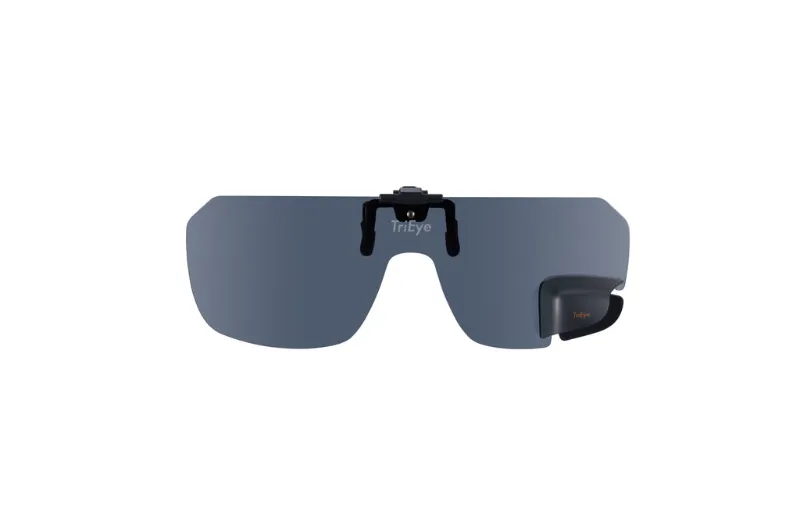
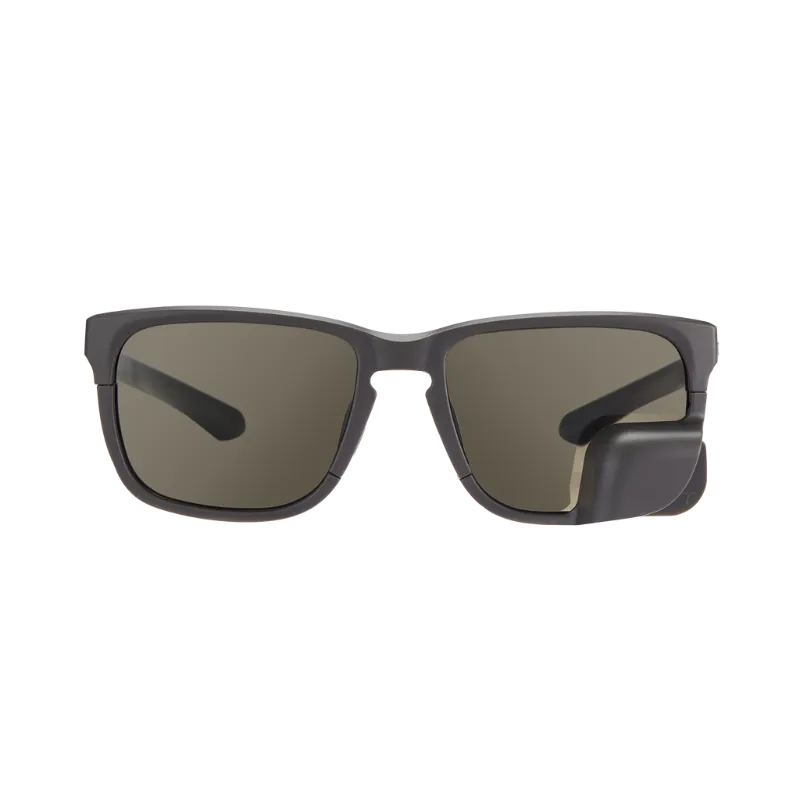
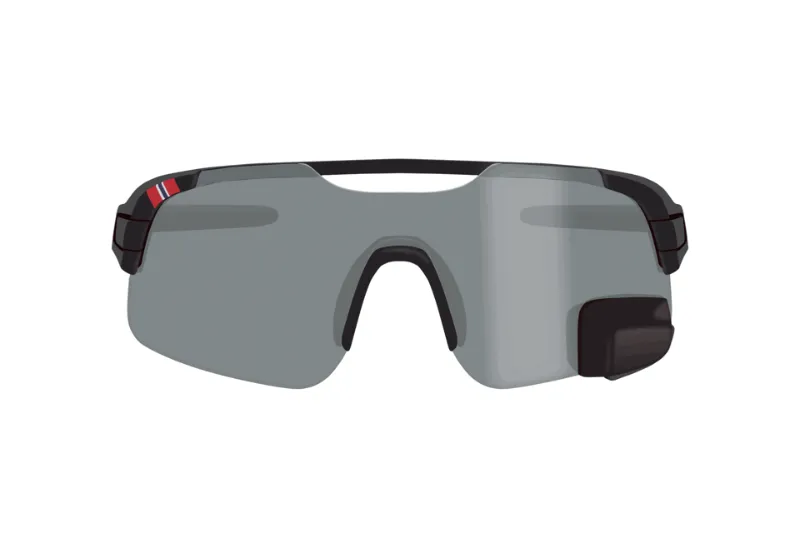
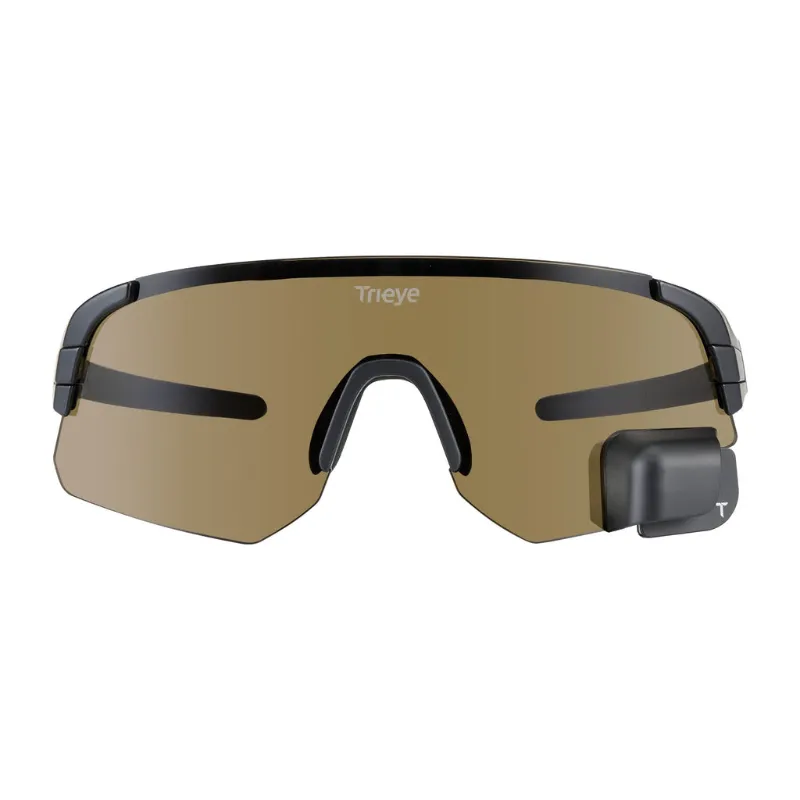
A traditional bicycle mirror bolts onto your handlebar, helmet, or glasses arm. It is a small piece of glass or plastic mounted on a stalk. A rear view glasses design builds the mirror into the lens itself, normally at the outer edge of your peripheral vision, so you get the same rear view without any extra hardware poking out.
The downside of old-school bike mirrors is that they force a deliberate glance. You have to look down at the bar or up at your helmet, and in that moment your head and eyes leave the road ahead. With lens-integrated mirrors, the image sits in your peripheral vision, so you register a car behind you while your eyes stay locked on the road in front.
| Feature | TriEye Rear View Glasses | Traditional Bike Mirrors |
|---|---|---|
| Head position while checking traffic | Stays forward, eyes on the road | Tilts down or sideways to find the mirror |
| Hardware on the bike | None, glasses only | Adds weight, catches wind and can rattle |
| Fit on different bikes | Carries over to any ride | Often needs re-mounting between bikes |
| All-day comfort | Feels like a normal pair of sunglasses | Stalk or bracket can press and slip |
Field of View and How the TriEye Lens Works
The TriEye trieye glasses use a polished mirror strip embedded along the outer edge of the lens, and it is angled so you can catch the view behind you with a small eye movement instead of a head turn.
If you ride into low sun a lot, that coating earns its keep, because the mirror strip stays readable even when the lens is fighting sun glare.
Which Cyclists Get the Most from Rear View Sunglasses Cycling
Not everyone needs the same setup, and the best choice depends on how and where you ride:
- Commuters in stop-and-go traffic win the most, since rear view sunglasses cycling means you can hold your lane position while watching for the car that decides to squeeze past.
- Group riders can see a following rider or a driver hanging behind the pack without breaking draft position.
- Leisure riders who never liked the look or vibration of bar-end mirrors get the same awareness in a pair of normal-looking sunglasses.
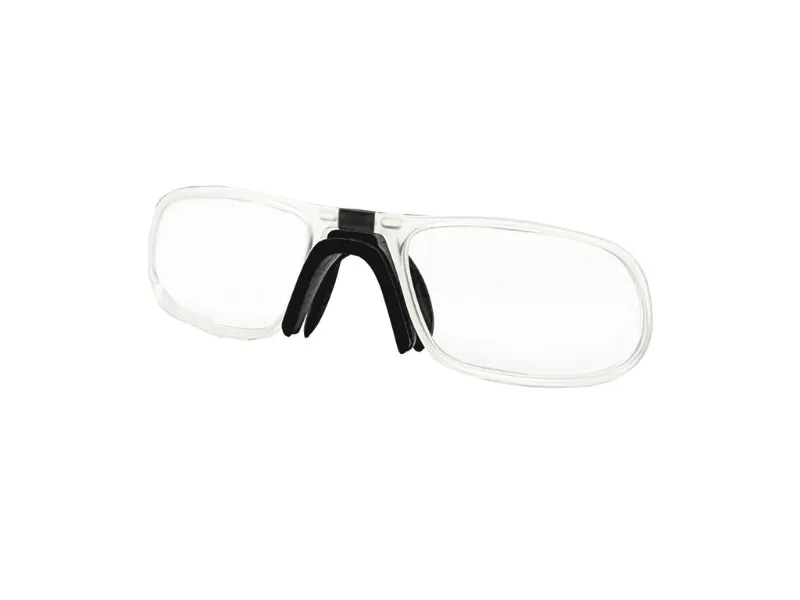
- Riders with prescription needs are covered too, since TriEye offers prescription inserts that click into the frames, so you are not stuck juggling contacts or clip-ons.
For anyone who has tried a windshield-mounted mirror on a car and hated the blind spot, think of rear view mirror sunglasses as the same idea sized for a bike: it does not replace a quick shoulder check, but it removes most of the need for one.
Materials, Fit, and What Feels Different on Your Face
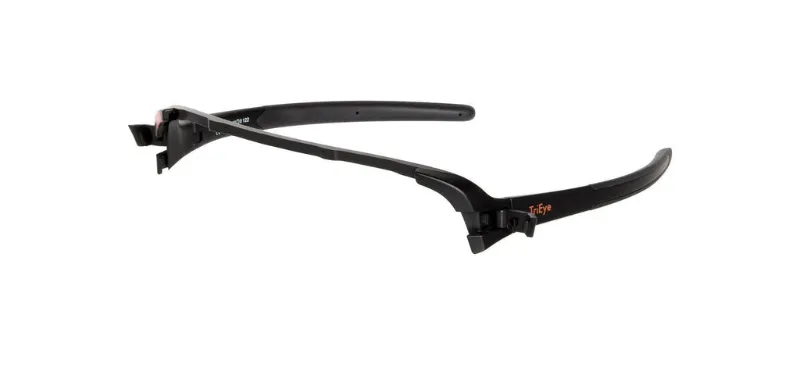
The frames are a standard wraparound sport shape, so they sit snug without squeezing, and the lens is impact-resistant polycarbonate with UV protection. If you want the full package, the trieye uv-protected cycling glasses block both UVA and UVB, which matters more than most riders assume on long summer rides.
One thing to size up on the mirror strip: on narrower faces the mirrored edge can reach further into your peripheral vision, which most riders like once they adjust. Give yourself a short ride to retrain your habit, because your brain is used to getting rear information from a head turn, and it takes a few miles to trust the new view.
When a Traditional Bike Mirror Still Makes Sense
We are not going to claim the glasses replace every mirror setup. There are situations where a bar-end mirror wins:
- On a low-traffic trainer or a bike you never ride on roads, the simpler the better.
- If you ride with a very upright posture on a cruiser, the lens angle of the glasses may sit too high to catch the road behind you.
- Riders who wear the glasses only briefly and rely on a rigid helmet mirror may prefer the fixed position of a traditional mount.
For those cases, we still stock quality bike mirrors, and we are glad to point you to them. But if you ride mostly on open roads with traffic, keeping your eyes on the road without turning your head is worth prioritizing when you choose between the two.
The Mirror Glasses That Doubles as Your Sunglasses
If you are not ready for the integrated lens mirror, TriEye also makes the changing mirror, which is a detachable mirror accessory that clips to the arm of any glasses. It is a middle ground: you keep your favorite pair of sunglasses and add rear awareness only when you want it.
Our recommendation is this: if you ride in traffic at all, start with the integrated rear view glasses and ride a few days with them before judging. If you love being able to spot a car behind you while your eyes stay on the pothole two bike lengths ahead, you will not want to go back. And for light-sensitive riders who want to be glasses with rear-view camera without the electronics, we suggest the UV-coated lens option for cycling glasses with a rear view mirror at this price point.
The cost of a mirror on your bike is a habit of looking away from the road. Rear view glasses remove almost all of that cost. If you want to try them, grab the code for the current offer before you check out, or compare the full lineup of TriEye glasses on the site to see which fit your riding style.
Questions
Can I wear TriEye rear view glasses with prescription lenses?
Yes. TriEye offers removable prescription inserts that click into the frame, so you get the rear view mirror in your lenses while keeping your prescription corrected.
Will the rear view mirror in the glasses work with a cycling helmet?
Yes, since the mirror is built into the lens it works with any helmet, and you never have to adjust a mount when you swap helmets.
Do rear view glasses work in low light or at night?
The mirror strip is most useful in daylight.
How long does it take to adjust to rear view glasses?
Most riders adjust within one or two rides. Your brain is used to getting rear information from a head turn, so give yourself a short ride to retrain the habit.
Do rear view glasses work with a traditional bar-end mirror too?
They can, but most riders find the glasses let them skip the bar-end mirror entirely since they cover the same blind spot.
Products in this guide
 Shopping at TriEye? See the discount code
10% OFF All Orders
Shopping at TriEye? See the discount code
10% OFF All Orders