 A BPS Knives guide
How to Use the BPS Pry Bar Safely on Camping Trips
The BPS Pry Bar C is a compact carbon steel multitool, not a knife. Here is how to use it safely and keep the prying off your blades.
The BPS pry bar is used safely by levering in small, controlled bites, keeping your free hand and body out of the path the tool will take if it slips, and giving it the prying jobs so your knife never has to do them. It is worth knowing what it is first: BPS Knives sells it as the Pry Bar C, a compact 95 mm carbon steel multitool for prying, pulling tent stakes and opening bottles and cans, not as a knife. For the current code, see our BPS Knives codes and deals.
What the Pry Bar C is
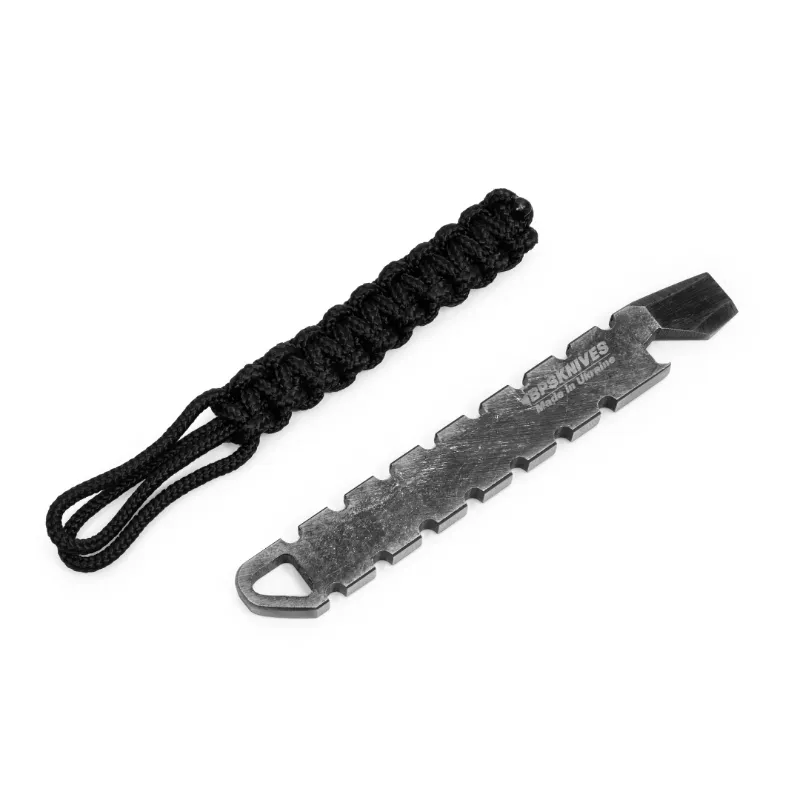
All of these details come from the BPS Pry Bar C product page:
| Detail | What BPS lists |
|---|---|
| Steel | 1066 carbon steel, hardened to 57 to 59 HRC |
| Build | Full tang, one piece of steel through the tool |
| Length | 95 mm (about 3.8 in) |
| Thickness | 5 mm |
| Weight | 35 g (1.3 oz) |
| Functions | Pry bar, bottle opener, can opener |
| Grip and carry | Non-slip handle and a plastic sheath |
At that size it is a pocket or pack tool for small jobs around camp and home: lifting a stubborn lid, pulling stakes, scraping, opening a crate or a tin. It is not a full-size crowbar, so match the job to the tool.
Why the pry bar should do the prying, not your knife
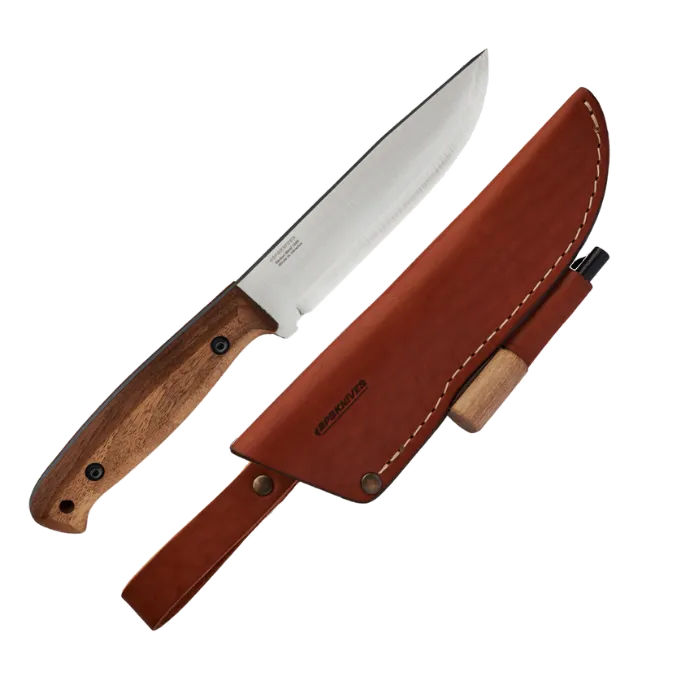
BPS describes its knives in terms of cutting. The BPS Adventurer has a Scandinavian grind for carving and is built for batoning wood; the Beta is D2 steel with a micro-bevel grind for clean, precise cuts. A cutting edge and a pointed tip are made thin on purpose so they slice well. Prying loads a blade sideways, which is the direction a thin tip and edge are least able to take. A bent tip or a chipped edge then needs regrinding, if it can be saved at all.
Carrying a small pry bar beside your fixed blade solves that. The knife cuts, the bar levers, and neither is asked to do the other’s job.
How to use it safely
- Check the job first. If a lid, crate or stake will not move with steady hand pressure on a 95 mm tool, it needs a bigger bar. Forcing a small tool is how hands get hurt.
- Get a full grip. Hold the non-slip handle in your whole hand, with dry hands. Wet or gloved-in-mud hands slip.
- Set the tip fully. Push the working end well into the gap before you lever, so it cannot pop out under load.
- Lever in small bites. Work along a lid or seam a little at a time instead of one hard heave.
- Keep out of the line of travel. Position your body and free hand so that if the tool slips or the material gives way, nothing is in its path. Pry away from yourself.
- Watch for flying pieces. Splinters, staples and lid edges can spring free. Eye protection is sensible for crates and nailed wood.
- Use the opener ends for what they are. The bottle and can opener functions are for caps and tins, not for levering heavy loads.
When you are done, put it back in its sheath before you put it in a pocket or pack, so the working end cannot catch on fabric or skin.
Care for a carbon steel tool
1066 is a carbon steel, and BPS says to clean and dry the pry bar after use to protect it from rust in humid conditions. A simple routine:
- Wipe off dirt and sap after each use, then dry the tool fully before sheathing it.
- Rub on a thin film of oil before storage, especially after wet trips.
- Treat light surface rust early with a fine abrasive, then oil again.
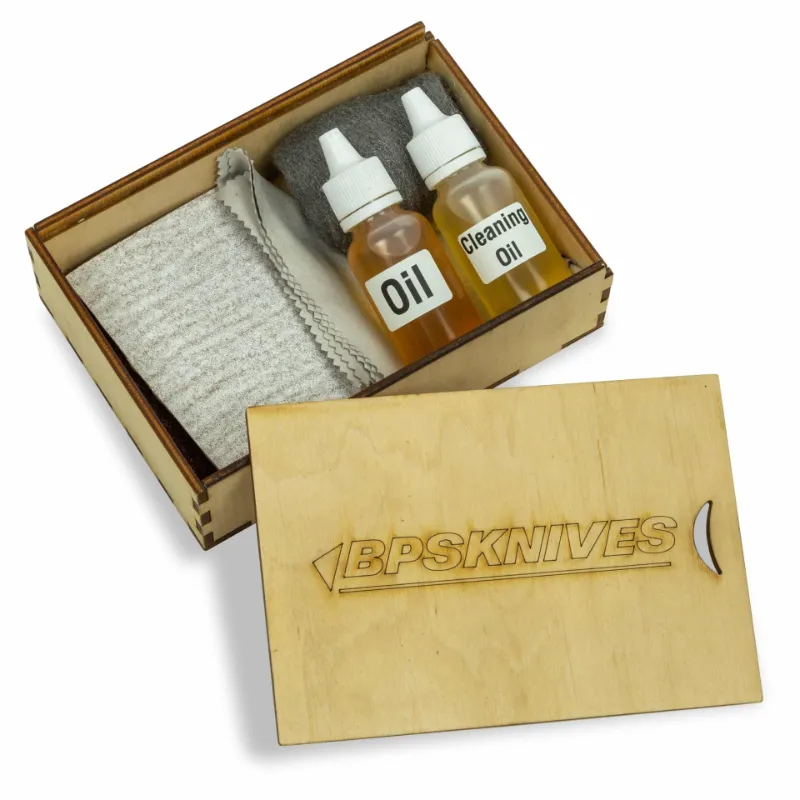
The BPS knife care kit covers all of this. Its page lists a cleaning oil to remove rust and dirt, an oil lube that prevents rust on carbon steel, three microfibre cloths, steel wool, a 120 grit sandpaper sheet and a Scotch-Brite pad, all in a wooden storage box. The same kit looks after your BPS carbon steel knives.
Carry and local rules
A pry bar is a tool, but rules on carrying tools and blades differ from place to place, and some venues and transport do not allow either. Check the local rules where you live and travel, and pack it in checked luggage or leave it at home when you fly. Around camp, keep it in its sheath and stored with your other edged and pointed gear, out of reach of children.
Questions
Is the BPS pry bar a knife?
No. BPS sells it as the Pry Bar C, a compact multitool for prying, pulling stakes and opening bottles and cans. It is 95 mm long and made of 1066 carbon steel.
Can I pry with my BPS fixed blade knife instead?
We would not. BPS knives such as the Adventurer and Beta are made for cutting, carving and batoning. Prying loads a thin tip and edge sideways, which can bend or chip them. That is what the pry bar is for.
What steel is the BPS Pry Bar C made of?
1066 carbon steel hardened to 57 to 59 HRC, with a full-tang build, according to the product page.
How do I stop the pry bar from rusting?
BPS says to clean and dry it after use. A thin film of oil before storage helps too, and the BPS knife care kit includes an oil lube made to prevent rust on carbon steel.
Does the Pry Bar C come with a sheath?
Yes. The product page mentions a durable plastic sheath for carry.
Products in this guide
Shopping at BPS Knives? See the coupon code
10% OFF Sitewide
More in this series
Folding Knife Won’t Lock? How to Clean and Oil It with the BPS Knife Care Kit9 Sep 20264 min 5 Ways to Extend the Life of Your BPS Knife Collection with Proper Maintenance9 Sep 20264 minBPS Adventurer vs Savage vs Beta: Which Fixed Blade Knife to Choose9 Sep 20263 minBPS Fixed Blade vs Folding Knife: Which EDC Is Right for You?9 Sep 20265 minHow to Clean and Oil Your BPS Knives Using the Knife Care Kit9 Sep 20264 min