 A BPS Knives guide
Why Your Folding Knife Won’t Lock and How to Fix It with the BPS Maintenance Kit
A proper knife maintenance kit can fix a loose folding knife lock in under ten minutes—here is exactly what to reach for and how to do it.
A loose, rattling blade that won’t stay open isn’t just annoying, it’s dangerous. Most folding knife lock failures come from a buildup of grit, dried-out pivot oil, or a screw that has backed out over time, and a proper knife maintenance kit gives you everything you need to diagnose and fix the problem in under ten minutes.
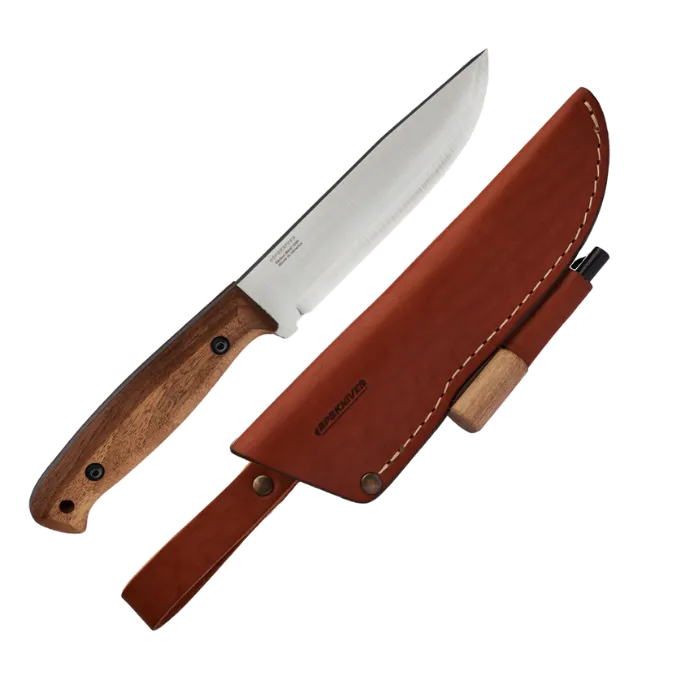
We’ve been running bps knives through hard field use for years, and the single most reliable way to extend the life of a folder is keeping the pivot and lock interface clean. The knife maintenance kit from BPS is designed specifically around the common failure points we see on everyday carry blades, so we built this guide around real-world fixes, not theory.
Why a Folding Knife Fails to Lock
A locking folder depends on three precise contact points: the pivot screw tension, the lock bar (liner lock, frame lock, or back lock) seating fully into the blade tang, and the detent ball sitting clean in its notch. When any of those surfaces get dirty, the lock can slip halfway or fail to engage altogether.
The most common culprits we see are:
- Grit in the pivot: fine sand or pocket lint builds up and pushes the blade off-center, preventing the lock from seating
- Loose pivot screw: normal opening and closing of a beta knife can back out the screw by a quarter turn over weeks of carry
- Dried lubricant: old oil turns gummy, and that friction keeps the lock bar from snapping fully into place
- Worn detent: a dirty or deformed detent ball won’t grab the tang notch
Almost every one of these issues can be fixed with the right tools and a few minutes of work. The trick is having a kit that includes the exact bit sizes and lubricants your knife needs, not a generic screwdriver from a hardware drawer.
What a Knife Maintenance Kit Should Include
Not all pocket knife maintenance kits are the same. A lot of so-called “care kits” ship with a single hex key and a tiny bottle of 3-in-1 oil that’s too thick for precision pivots. After testing multiple options, here is what we consider the minimum setup for a real knife maintenance kit:
- Precision Torx bits (T6, T8, T9, T10) and a Phillips #0, these cover 95% of folder pivots and clip screws
- A magnetic bit driver with a comfortable handle, narrow enough to reach recessed pivot holes
- Lightweight pivot oil, thin enough to wick into the bearing or washer interface without gumming up
- A small cleaning cloth or fiber-free swab, wiping the lock face and blade tang removes the grit that causes slip
- A disassembly pick or pry tool, safely prying off scales or separating liners without scratching
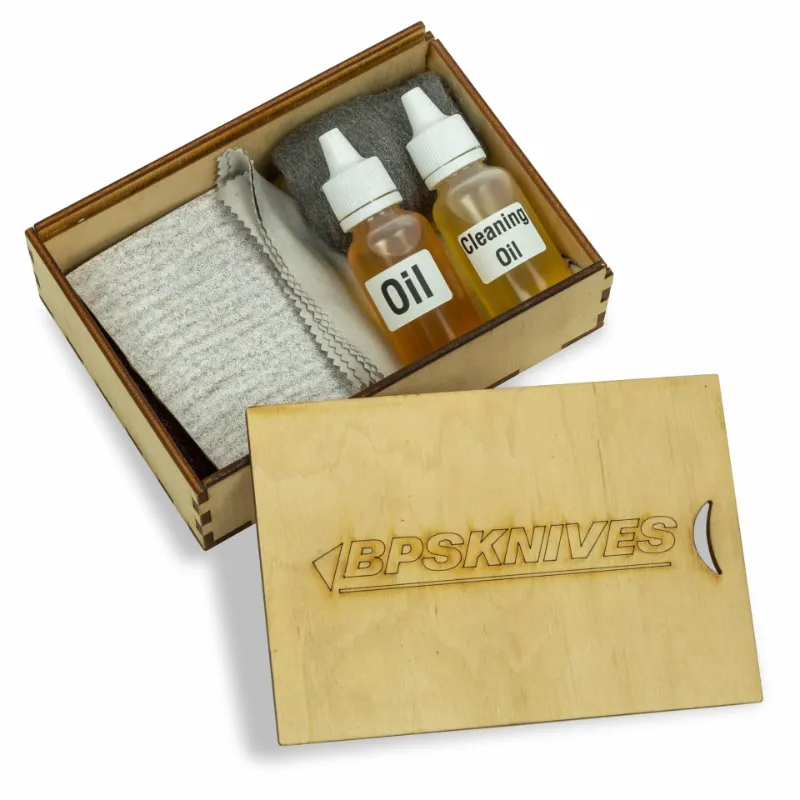
The knife care kit from BPS covers all of these bases with the exact Torx sizes that fit their own folders and most popular EDC blades on the market. If you are buying a standalone kit, look for one that includes at least a T8 and T6 bit, because those are the two sizes that appear on nearly every production folder.
Step-by-Step: Diagnosing and Fixing Lock Issues
Here is the process we use in our shop whenever a folder comes in with a lock that won’t hold. You can follow the same steps with your knife maintenance kit:
- Check the pivot screw first. Insert the correct Torx bit and try tightening a quarter turn clockwise. If the blade was wobbling side-to-side, snugging the pivot often restores lock-up immediately. Do not overtighten, you want smooth deployment with no blade play.
- Clean the lock face. Open the knife halfway and look at the spot where the lock bar contacts the blade tang. Use a swab or cloth from your kit to wipe away any dark buildup. A gritty lock face is the number-one reason a liner lock fails to engage fully.
- Lubricate the pivot. Place one drop of lightweight oil at the pivot junction on each side of the blade. Open and close the knife 10-15 times to work the oil into the washers or bearings. Wipe away excess, too much oil attracts lint.
- Check the detent. With the blade partially open, press the lock bar and feel for the detent ball’s engagement. If it feels sticky or rough, clean it with a dry cloth. Most fold-up can be fixed at this stage without ever taking the knife apart.
- Tighten body screws. Loose handle screws can shift the lock bar track. Run through all visible screws with the appropriate bit and snug them evenly.
If the lock still won’t catch after these steps, the issue may be a bent lock bar or a worn tang, both of which require replacement parts or a new knife. In that case, check your warranty or consider upgrading to a more robust folder.
How the BPS Knife Care Kit Compares
Here is how they stacked up for actually fixing a loose liner lock:
| Feature | BPS Knife Care Kit | Generic Multi-Bit Set | Premium Branded Tool |
|---|---|---|---|
| Torx sizes included | T6, T8, T9, T10, Phillips #0 | T8, T10 only | T6, T8, T10, Phillips #0 |
| Pivot oil included | Yes, lightweight | No | Yes, thin synthetic |
| Cleaning tool | Swabs + cloth | None | Cloth only |
| Disassembly pry tool | Yes | No | Yes |
| MSRP | Affordable (check our code) | Low | High |
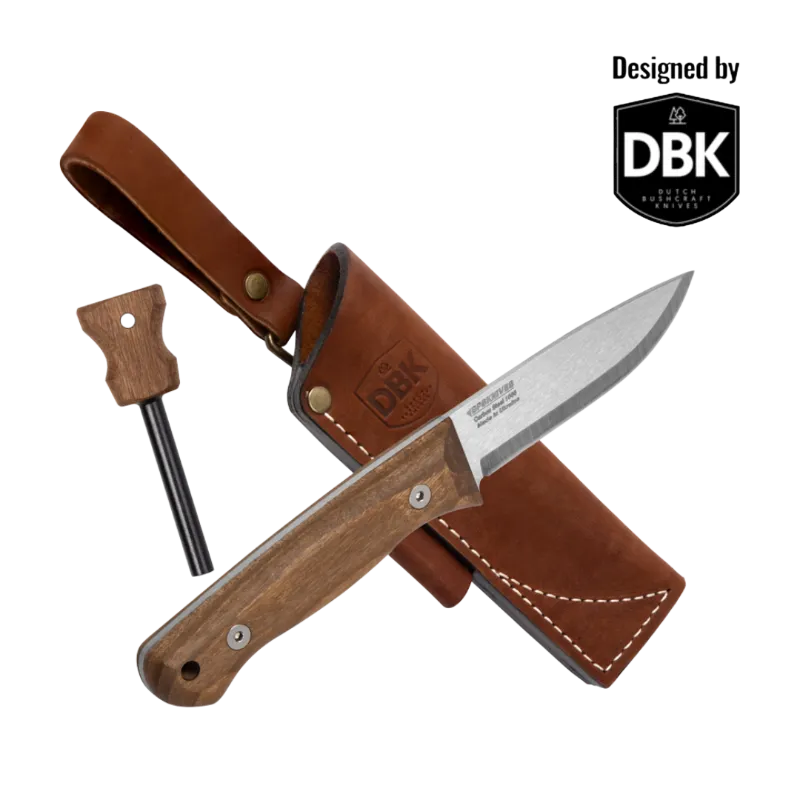
The BPS kit wins for anyone who owns multiple folders or wants a single kit that can handle disassembly, cleaning, and lubrication without buying extra pieces. It pairs especially well with the dbk knife and other fixed-blade companions that benefit from the same care routine.
When to Fix It Yourself vs. When to Replace
Not every loose lock is repairable. Here is how we draw the line:
- Fix it yourself if the blade has side-to-side play, gritty deployment, or a lock that engages late but still holds. These are all cleaning and tension issues.
- Replace the knife if the lock bar has visible bending, the blade tang is chipped or worn unevenly, or the lock fails catastrophically (completely slips when pushed hard). A failed lock is not worth the risk of a closing blade on your fingers.
- Warranty it if the knife is less than a year old and you have not modified it. Many makers (BPS included) stand behind their heat treat and lock geometry.
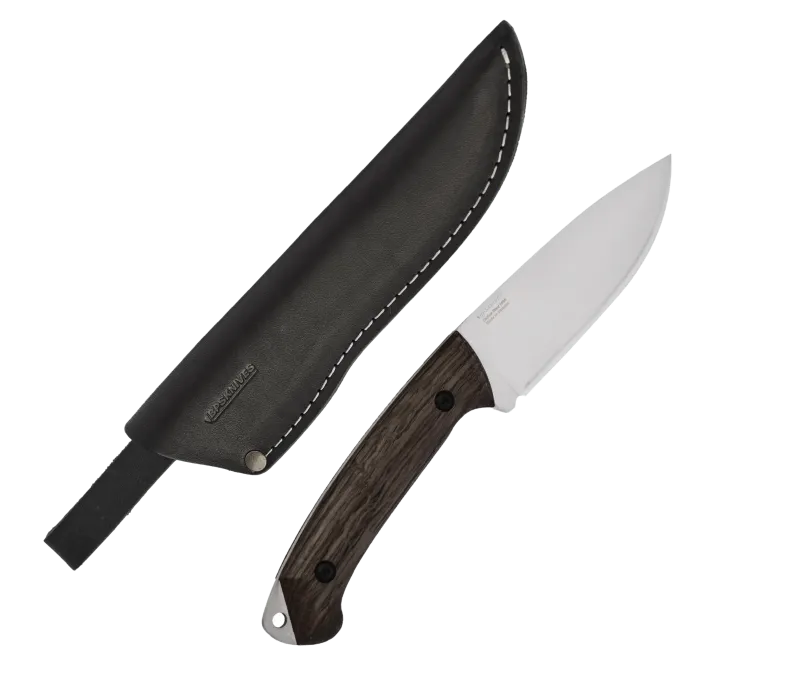
If you are carrying a cgb savage or any hard-use tactical folder, we recommend inspecting the lock every three months if you use the knife daily. A quick clean-and-lube cycle with the right knife maintenance kit costs you ten minutes and can add years to the blade’s service life.
Preventing Lock Failure Before It Starts
Lock maintenance is easier than lock repair. Three habits keep your folder locking tight:
- Blow out the pivot weekly. A quick burst of compressed air or a dry cotton swab removes lint before it packs down into a gritty paste.
- Lube sparingly and often. One drop of thin oil every three weeks (or after a wet day) keeps the lock bar sliding freely.
- Store the knife clean. Carrying a folder loose in a pocket with coins or sand guarantees grit contamination. Pairing your knife with a bps tactical vest that has dedicated blade pockets keeps debris away from the pivot.
A good maintenance routine also preserves the resale value of your blades. We have seen folders that were cleaned every few weeks sell for nearly what the owner paid, while neglected knives with gummed-up pivots fetch pocket change.
If you are looking to build out your own kit or just need the right oil and bits, grab the discount code on our BPS store page to save on the complete kit. For anyone new to knife care, the knife weapon and other BPS folders were designed with user maintenance in mind, simple disassembly, standard Torx hardware, and pivots that respond well to routine cleaning.
For additional reading on assembling your own custom kit, check out How to Assemble a Knife Maintenance Kit or Nick’s recommended gear list at Nick’s Recommended Gear Maintenance Tools. Both sources confirm what we see in the field: a well-stocked kit that fits your knife’s specific hardware is the single best investment you can make for long-term reliability.
Get the full current pricing and any active deals over on the BPS coupon page before you order. A ten-minute fix with the right gear beats buying a new knife every time a screw works loose.
Questions
What Torx sizes do I need for a folding knife pivot?
T8 and T6 are the most common sizes for production folder pivots. A good knife maintenance kit should include at least those two, plus a T9 and T10 for clip and body screws.
Can I use WD-40 on my knife pivot?
We do not recommend WD-40 as a lubricant. It is a solvent that dries out quickly and can wash away factory grease. Use a lightweight pivot oil from a proper knife care kit instead.
How often should I clean my folding knife lock?
Every three to four weeks for daily carry, or immediately after exposure to sand, salt water, or heavy dirt. Regular cleaning prevents the grit buildup that causes lock failure.
Will the BPS knife maintenance kit work on other brand folders?
Yes. The Torx bits and oil in the kit fit most production folders with standard pivot hardware, not just BPS models.
My lock still slips after cleaning. What next?
Check if the lock bar is bent or if the blade tang is visibly worn. If neither looks damaged, tighten the pivot screw by an eighth turn. If it still slips, the knife may need a replacement part or warranty service.
What is the difference between a knife care kit and a knife maintenance kit?
The terms are often used interchangeably. Both should include bits, oil, and cleaning tools. The BPS knife care kit functions as a full maintenance kit with disassembly and lubrication tools in one package.
Products in this guide
Shopping at BPS Knives? See the coupon code
10% OFF Sitewide
More in this series
5 Ways to Extend the Life of Your BPS Knife Collection with Proper Maintenance9 Sep 20264 minThe Buyer’s Guide to Choosing the Right Tactical Knife for Your Needs9 Sep 20265 minHow to Use a Pry Bar Knife Safely for Camping and Survival Tasks9 Sep 20265 minBPS Fixed Blade vs Folding Knife: Which EDC Is Right for You?9 Sep 20265 minHow to Clean and Oil Your BPS Knives Using the Knife Care Kit9 Sep 20265 min