 A BPS Knives guide
BPS Adventurer vs Savage vs Beta: Which Fixed Blade Knife to Choose
Three BPS fixed blade knives compared: Adventurer, Savage and Beta. Steel, grind, handle, sheath and return terms from the store.
To choose between the BPS Adventurer, Savage and Beta, match the steel, grind and handle to the job: all three are full-tang fixed blade bushcraft knives, but the Adventurer has a Scandinavian grind in 1066 steel, the Savage a full-flat grind in 1066 steel, and the Beta a micro-bevel grind in D2 steel. You can find the current code on our BPS Knives coupon code page.
The three knives side by side
These specs come from the BPS Knives product pages, and the hardness ratings are the maker’s figures. A Rockwell (HRC) number describes how hard the steel is, and the pages are the only source we use here.
| Adventurer CSHF | Savage CSH | Beta | |
|---|---|---|---|
| Steel | 1066 high-carbon | 1066 high-carbon | D2 tool steel |
| Hardness | 56 to 57 HRC | 57 to 59 HRC | 60 to 61 HRC |
| Grind | True Scandinavian grind | Full-flat grind | Micro-bevel grind |
| Construction | Full tang | Full tang | Full tang |
| Handle | Walnut, treated with Danish oil | Bog oak, treated with Danish oil | Micarta |
| Sheath | Not described on the page | Genuine leather with free suspension | Ambidextrous ABS plastic with Tek Lok attachment |
| Hand preference | Right or left option | Right or left option | No option listed |
What each knife is sold for
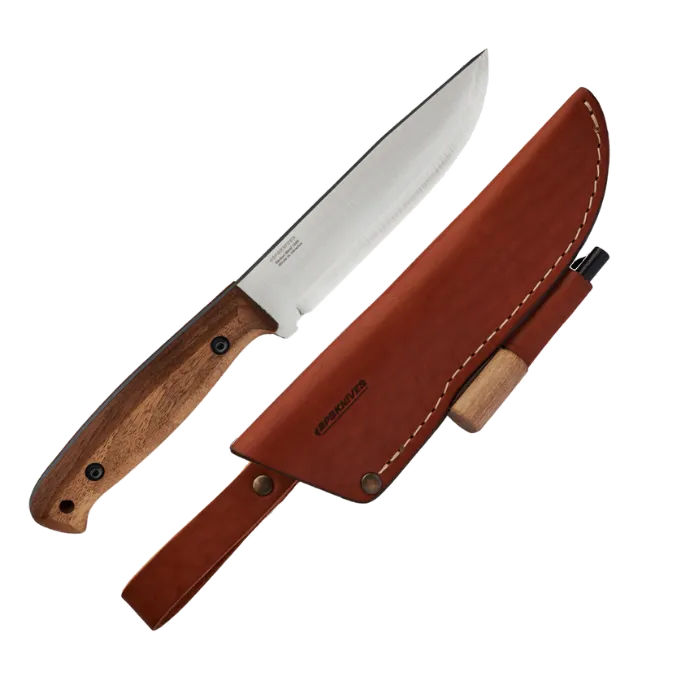
The BPS Adventurer page says it is designed for precision tasks and woodworking in the field, and says its full tang suits batoning and carving wood. The Savage is described as a rugged bushcraft knife for camping and adventure travel, with a full-flat grind the page says gives smooth slicing. The Beta is described as a compact tool for outdoor and survival use, with a micro-bevel grind and D2 steel that the page says keeps a sharp edge through extended use.
Those are BPS’s descriptions. We have not handled these knives, so treat the table as a spec sheet, not a ranking.
How to choose
- Start with the work. If you carve or work wood, the Adventurer is the knife the page ties to woodworking. If you want general camp and bushcraft use, the Savage page describes that. If you want a compact knife, look at the Beta, whose page describes an ABS plastic sheath.
- Compare the steel. The 1066 knives and the Beta use different steels, as the table shows. The page names the steels but does not rank them for you, so ask the store if you want detail on care.
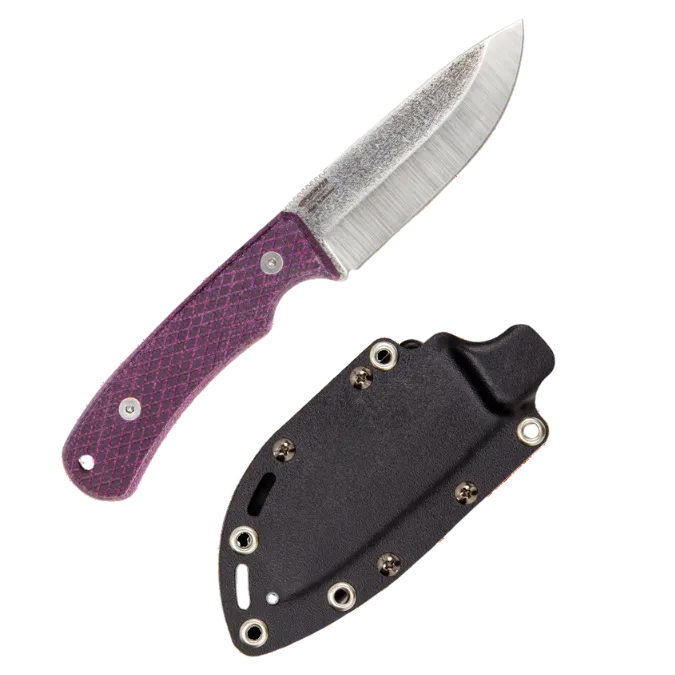
- Look at the handle. Walnut and bog oak handles are treated with Danish oil, per the pages. Micarta is the Beta’s handle, and its page says it resists temperature, moisture and wear.
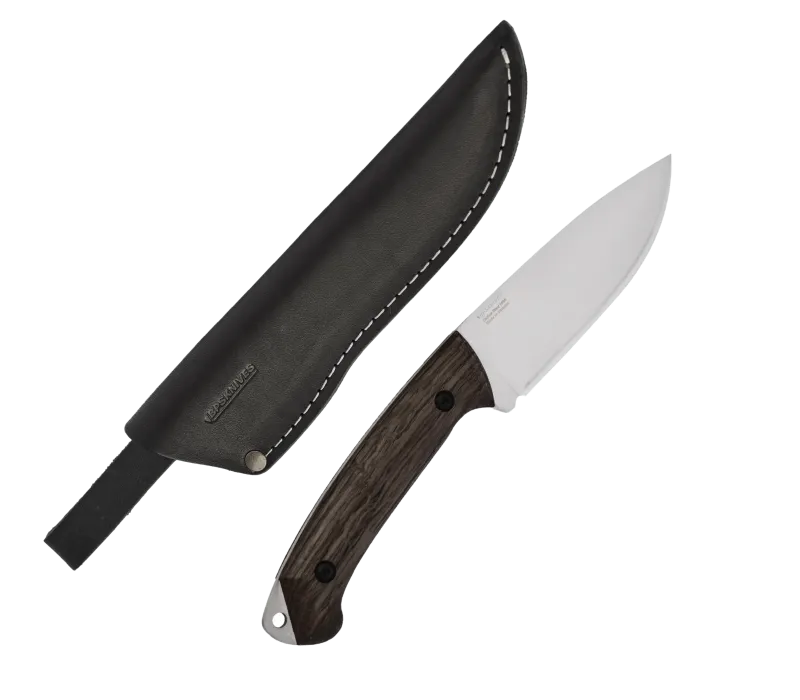
- Think about the sheath. The Savage has a leather sheath, the Beta has an ABS plastic sheath with a Tek Lok, and the Adventurer page does not say what it comes with. Ask before you order if the sheath matters.
- Check the hand preference option. The Adventurer and Savage ask you to pick right or left. The Beta page lists no such choice and calls its sheath ambidextrous.
Care and the law
High-carbon steel needs care to stay in good shape, and BPS sells a knife care kit. Our other BPS guides cover cleaning and oiling with the knife care kit. Because carry and ownership rules for fixed blade knives differ from place to place, check the laws where you live before you buy or carry one.
Returns and shipping
BPS Knives states a 14 day return and exchange window from the date of purchase, for unused items in original condition with proof of purchase, and the customer pays return shipping. Orders to the European Union also carry a 14 day cooling-off right. The shipping policy says BPS ships to almost all countries, excluding Russia, with an estimated delivery time of 14 to 21 days and possible delays. Contact the store first if you are in Australia, New Zealand, China or Vietnam, as the policy asks. Read both policies again when you order.
Questions
What is the difference between the BPS Adventurer and Savage?
The Adventurer has a true Scandinavian grind and a walnut handle, and the Savage has a full-flat grind, a bog oak handle and a leather sheath. Both use 1066 high-carbon steel with a full tang.
What steel is the BPS Beta made from?
The page says D2 tool steel, hardened to 60 to 61 HRC, with a micarta handle and a micro-bevel grind.
Do the knives come in left-handed versions?
The Adventurer and Savage pages offer right and left hand preferences. The Beta lists no option and has an ambidextrous sheath.
Which one is for woodworking?
The Adventurer page says it is designed for precision tasks and woodworking in the field.
What are the return terms?
BPS Knives states a 14 day return window for unused items with proof of purchase, and the customer pays return shipping.
Are fixed blade knives legal everywhere?
Rules differ by place, so check your local laws before you buy or carry a knife.
Products in this guide
 Shopping at BPS Knives? See the coupon code
10% OFF Sitewide
More in this series
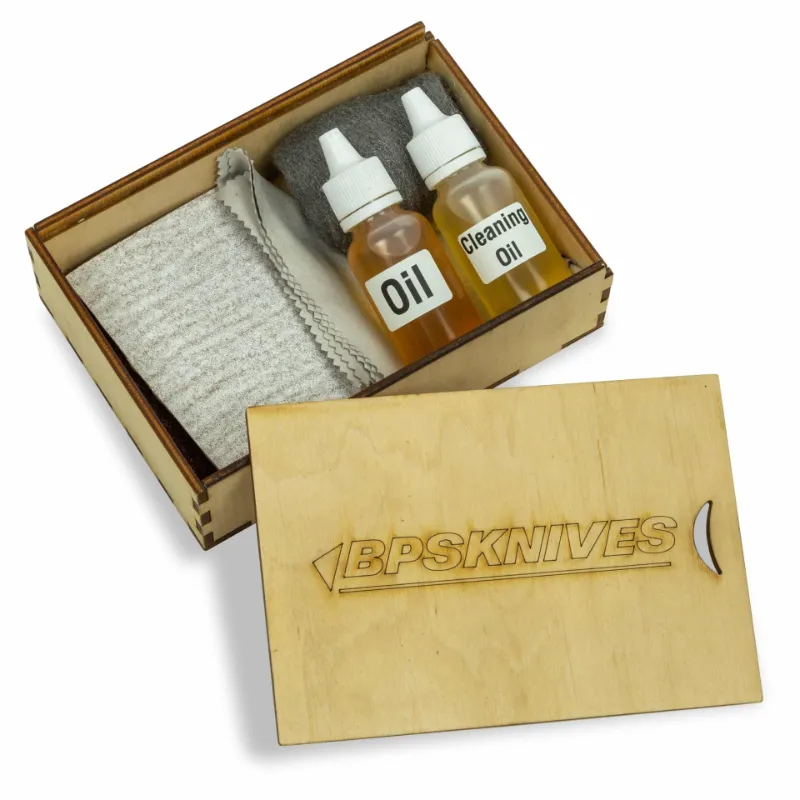 Folding Knife Won’t Lock? How to Clean and Oil It with the BPS Knife Care Kit9 Sep 20264 min
 5 Ways to Extend the Life of Your BPS Knife Collection with Proper Maintenance9 Sep 20264 min
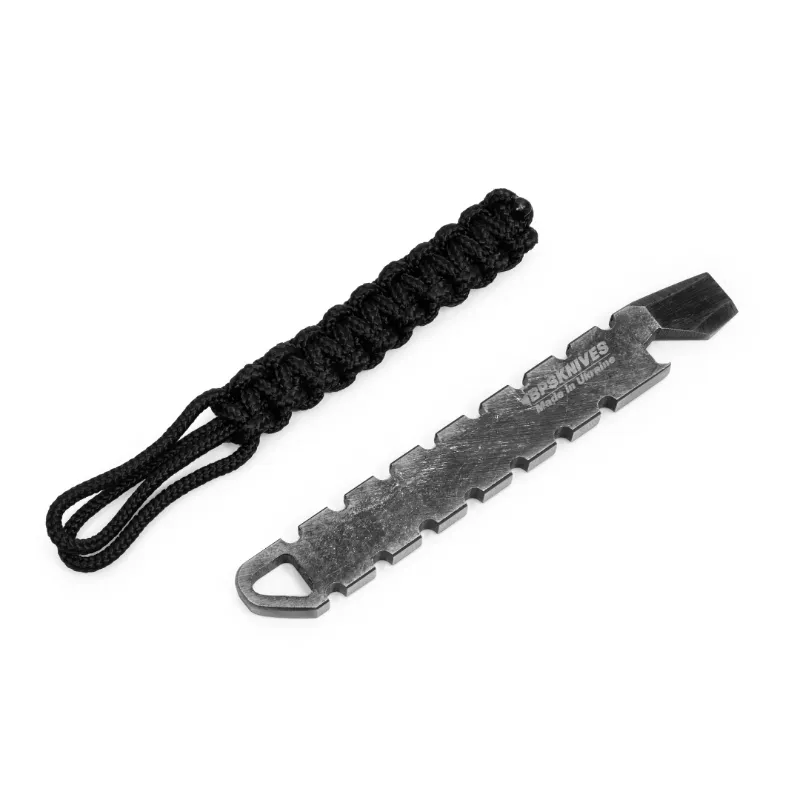 How to Use the BPS Pry Bar Safely on Camping Trips9 Sep 20263 minBPS Fixed Blade vs Folding Knife: Which EDC Is Right for You?9 Sep 20265 minHow to Clean and Oil Your BPS Knives Using the Knife Care Kit9 Sep 20264 min