 A BPS Knives guide
5 Ways to Extend the Life of Your BPS Knife Collection with Proper Maintenance
A dedicated knife maintenance kit helps you keep every fixed blade and folding knife in your BPS Knives collection clean and protected.
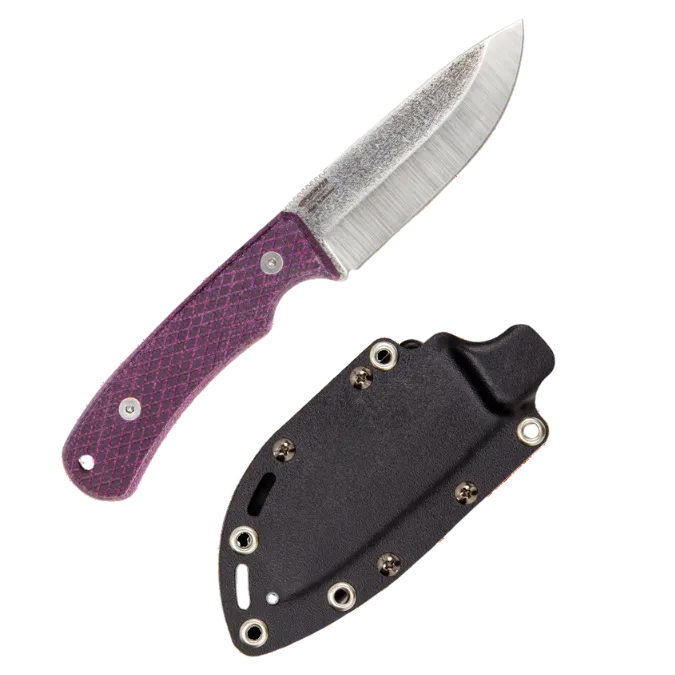
A knife maintenance kit helps you keep every blade in your BPS Knives collection, from daily carries to fixed-blade workhorses, clean and protected. Whether you own a rugged dbk knife, a compact beta knife, or the hard-use pry bar knife, consistent care prevents rust, restores edges, and preserves the action that made you buy the knife in the first place. Here are five practical ways to keep a BPS collection in good shape. We keep the current code for BPS Knives on its store page.
1. Start with a Dedicated Knife Maintenance Kit for Every Blade Type
A proper knife maintenance kit saves you time because it includes the exact tools you need rather than forcing you to hunt through a toolbox. Build or buy a compact setup that covers cleaning, lubrication, and screw adjustment.
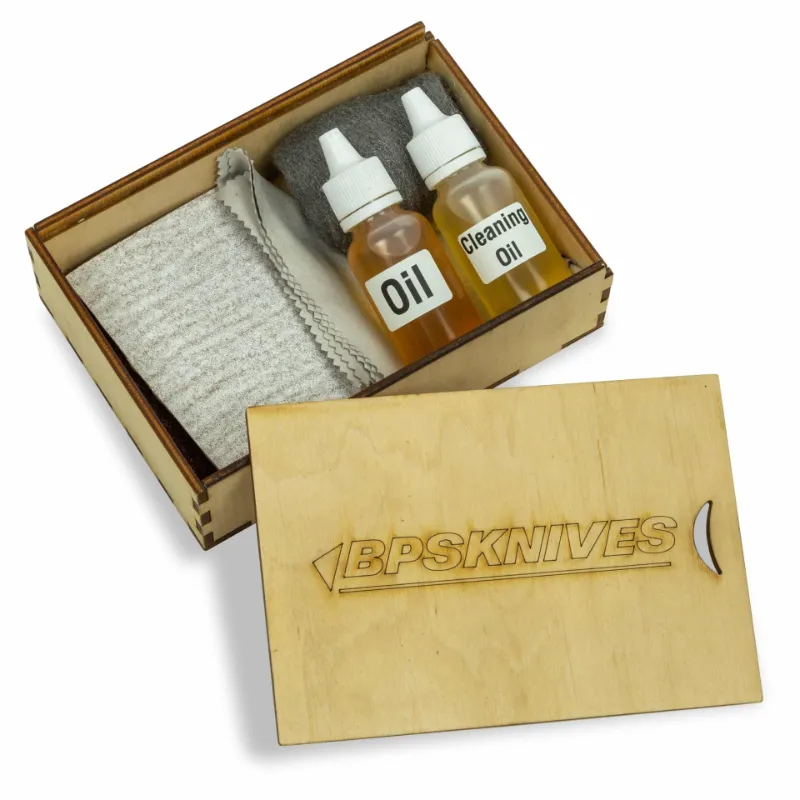
Stock your knife maintenance kit with:
- Microfiber cloths and isopropyl alcohol wipes for wiping down blades after use
- Food-safe mineral oil or synthetic lubricant for pivot points
- A small brass brush for stubborn residue on textured handles
- A pocket knife screwdriver kit with Torx and Phillips bits for adjusting clips and pivot screws
The knife care kit from BPS Knives covers the cleaning and oiling part: the store lists two oils, microfiber cloths, abrasives and steel wool in a wooden storage box. If you work through several knives at once, keep oil, cloths, and bits together, for example in the pockets of a bps tactical vest.
2. Keep Every Edge Razor Sharp with Consistent Technique
Dull knives are dangerous knives. A blade that requires extra force to cut is more likely to slip, so sharpen on a schedule rather than waiting until the edge feels dull.
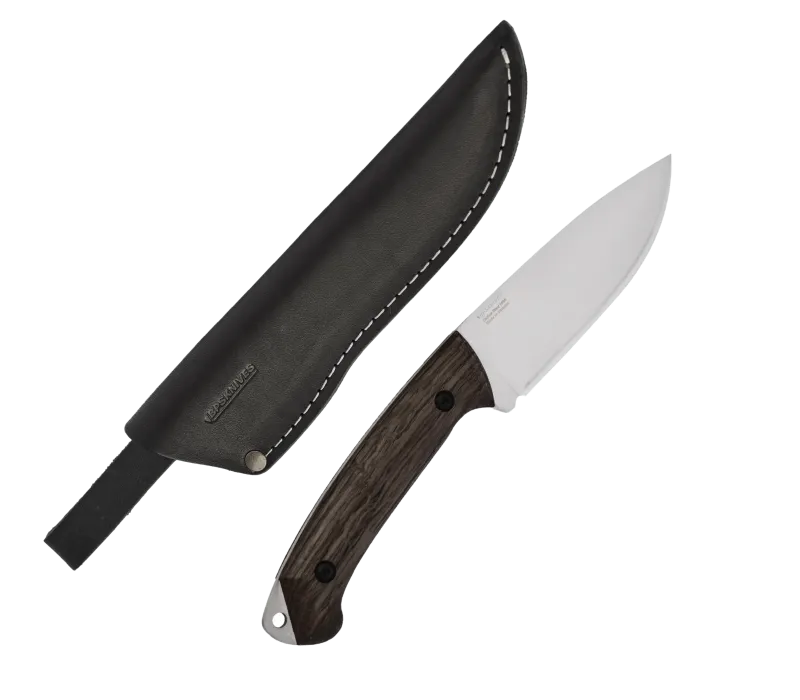
For the cgb savage and similar high-carbon knives, a three-step progression looks like this:
- Coarse stone (300 to 600 grit) to set a new bevel on a damaged edge
- Medium stone (1000 grit) to refine the edge
- Fine stone or strop (3000+ grit) to polish and remove the burr
The knife weapon (the store lists a Scandinavian grind) needs a consistent angle, so a guided sharpening system is one option. If you prefer a portable option, a pocket-sized ceramic rod works in the field. Whichever method you choose, the same best knife maintenance kit principles apply: clean the blade before sharpening, use light pressure, and finish by wiping away metal dust.
3. Protect Handles, Hardware, and Pivot Points
Folding knives such as the BPS Colibri collect pocket lint, dust, and dried lubricant inside the handle, and that makes the action gritty; a fixed blade like the beta knife has no pivot to clog. A dedicated pocket knife maintenance kit addresses this directly.
When the action feels gritty, open up the folder enough to blow out debris with compressed air, then apply a single drop of lubricant to the pivot. For fixed-blade knives such as the dbk knife, pay attention to the handle scales and guard. Micarta and G10 handles benefit from a light scrub with a soft toothbrush and warm, soapy water. For wood-handled models, the store sells a mineral oil and beeswax wood care product made for wooden knife handles.
If you carry a CRKT knife alongside your BPS rotation, a pocket knife screwdriver kit that fits multiple bit types is handy, you can adjust clips, scales, and stop pins across brands without carrying separate tools. For more tool ideas, see Nick’s Recommended Gear Maintenance Tools.
| Task | Frequency | Recommended Tool |
|---|---|---|
| Wipe blade after use | Every use | Microfiber cloth |
| Lubricate pivot | When the action feels gritty | Synthetic oil, 1 drop |
| Deep clean handle | When the handle looks dirty | Soft brush + mild soap |
| Adjust clip/screws | As needed | Torx bit driver |
4. Match Your Blade to the Task and Rotate Your Rotation
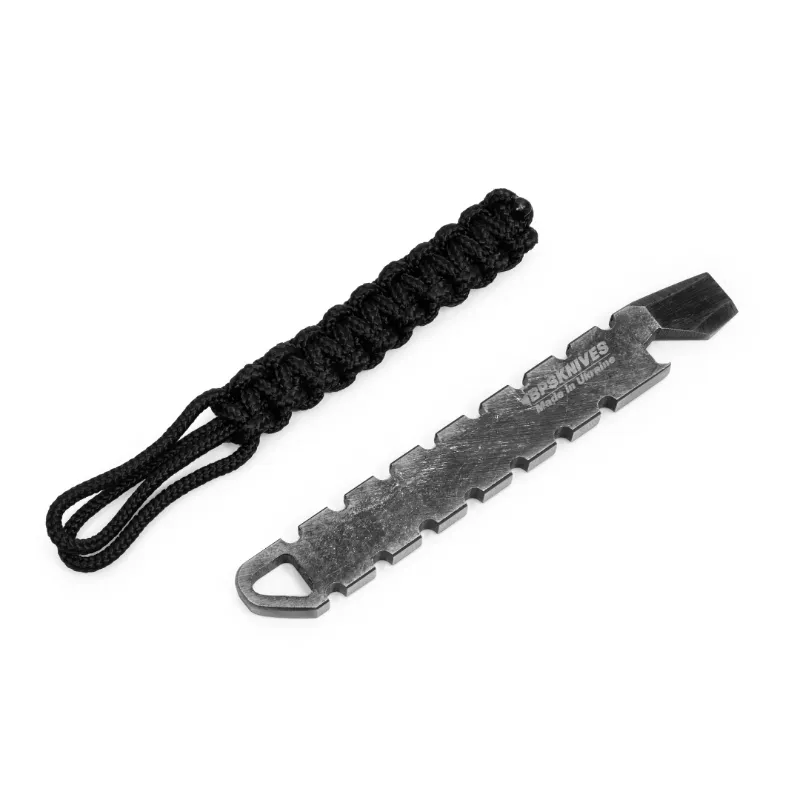
One overlooked way to extend knife life is simply using the right blade for the job. Prying open a paint can with a fine-drop-point folder is a fast way to snap a tip. That is where a purpose-built pry bar knife comes in: the store lists it for prying, pulling stakes and opening bottles and cans.
One way to split the work across your knives:
- Hard-use days: pry bar knife or cgb savage
- EDC light-duty: beta knife
- Outdoor/camp tasks: dbk knife
Rotating also gives each knife time for maintenance before it goes back into the pocket. When one comes out of rotation, run it through the knife maintenance kit: clean, sharpen, oil, and store. This cycle keeps every piece ready and reduces the chance of corrosion sitting unnoticed on a neglected blade.
5. Store and Carry with Care
Even the best knife maintenance kit cannot fix damage from poor storage. Moisture is the enemy. Store your BPS collection in a dry room with a silica gel pack in the drawer or case. Store fixed-blade knives in leather sheaths blade-up or out of the sheath entirely, because leather holds moisture against carbon steel.
For carry, check the bps tactical vest listing for its pocket layout before you plan your setup. If you are hiking or working on a property, keep blades apart from keys and coins. When you travel to classes or events, pack a knife weapon and your maintenance tools together as one organized kit.
A little routine maintenance now saves you buying a replacement later.
For more detail on assembling your own setup from scratch, the guide at EDC & Knife Maintenance Items is a solid reference.
Questions
What should I include in a pocket knife maintenance kit?
A good pocket knife maintenance kit should include a microfiber cloth, isopropyl alcohol wipes, food-safe lubricating oil, a small brass brush, and a multi-bit screwdriver with Torx and Phillips bits. The BPS Knives care kit covers the cloths and oil; the store does not list a brush or driver in it.
How often should I oil the pivot on my beta knife?
The store lists the beta knife as a full-tang fixed blade, so it has no pivot; wipe and oil the blade after use instead. For a folder such as the Colibri, oil the pivot whenever the action starts to feel gritty, and check it more often if you live somewhere humid or use the knife heavily.
Can I use the same knife maintenance kit for fixed-blade and folding knives?
Yes. A single knife maintenance kit works for both types. The main difference is that folding knives need pivot lubrication and screw adjustment, while fixed blades benefit more from handle cleaning and sheath care.
What is the best way to clean a micarta handle on a dbk knife?
The store lists the dbk knife (Bushmate 2.0) with a walnut handle treated with Danish oil, not micarta. Wipe it with a damp cloth, dry it right away, and use a wood care product if it looks dried out. For micarta handles, such as the one the store lists on the beta knife, scrub gently with a soft toothbrush and warm, soapy water, avoid soaking, and dry immediately.
Is a pocket knife screwdriver kit necessary for maintenance?
Yes, if your knife has removable pocket clips, adjustable pivot tension, or replaceable scale screws. Check which Torx sizes your knife's screws take before you buy a pocket knife screwdriver kit.
How do I prevent rust on my cgb savage during wet weather?
Wipe the blade dry immediately after exposure to moisture and apply a thin layer of food-safe oil. Store the knife outside its sheath until fully dry. The store lists the BPS knife care kit's knife lube for preventing rust on carbon steel knives.
Products in this guide
 Shopping at BPS Knives? See the coupon code
10% OFF Sitewide
More in this series
Folding Knife Won’t Lock? How to Clean and Oil It with the BPS Knife Care Kit9 Sep 20264 min BPS Adventurer vs Savage vs Beta: Which Fixed Blade Knife to Choose9 Sep 20263 minHow to Use the BPS Pry Bar Safely on Camping Trips9 Sep 20263 minBPS Fixed Blade vs Folding Knife: Which EDC Is Right for You?9 Sep 20265 minHow to Clean and Oil Your BPS Knives Using the Knife Care Kit9 Sep 20264 min