 A Athreya Herbs guide
How to Use Athreya Triphala Powder for Daily Digestive Support
Triphala powder is one of Ayurveda's most trusted daily digestive tonics, and Athreya Herbs offers a carefully sourced version worth adding to your routine.
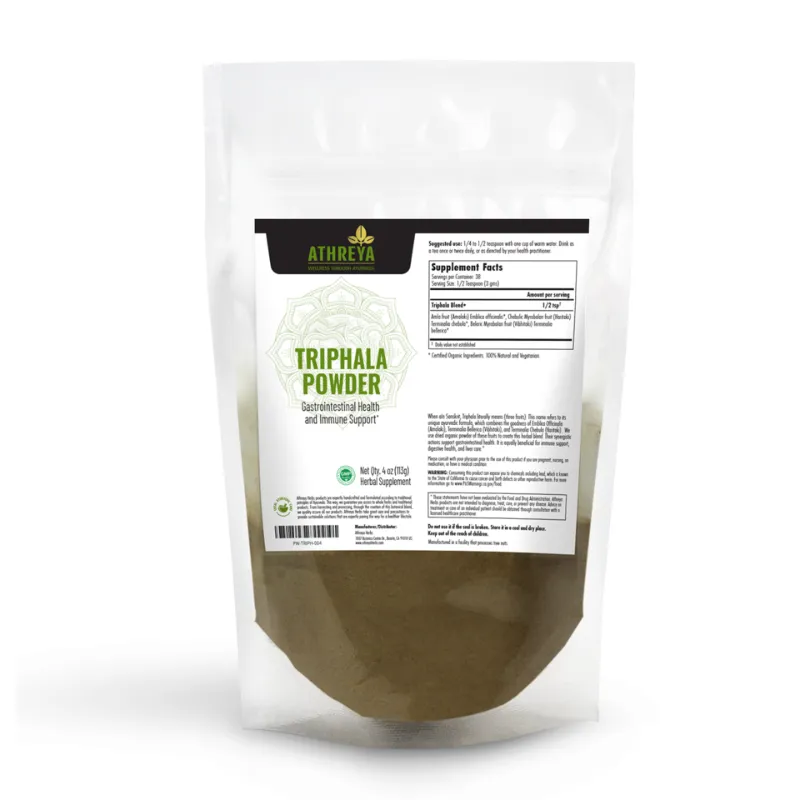
Triphala powder is one of Ayurveda’s most researched daily digestive formulas, combining three fruits to support gut motility, regularity, and gentle detoxification. Athreya Herbs sources this classic blend with the same care they apply to every herb in their catalog. This guide covers what is in it, how to take it, when to take it, and which complementary herbs pair well with it.
What Is Triphala Powder and What Are Its Ingredients
Triphala means “three fruits” in Sanskrit. The formula is built from equal parts of:
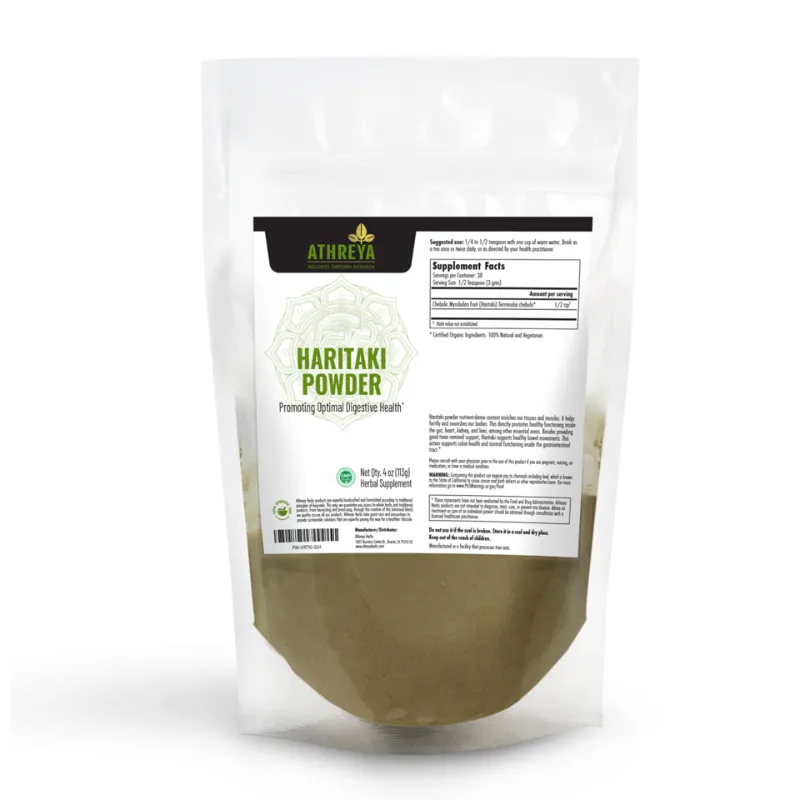
- Amalaki (Emblica officinalis): the highest-fruit source of vitamin C in Ayurveda, prized for its cooling, rejuvenating action on the digestive tract
- Bibhitaki (Terminalia bellirica): traditionally used to support the respiratory system and tone the mucous membranes of the gut
- Athreya haritaki (Terminalia chebula): the “king of medicines” in Tibetan and Ayurvedic traditions, known for its mild laxative and carminative properties
Each fruit brings a distinct Ayurvedic rasa (taste), which is part of why triphala powder is considered a tridoshic formula suitable for most constitutions.
Core Triphala Powder Benefits for Digestion
The triphala powder benefits that drive most people to try it are centered on the gut, but the formula touches several body systems:
- Regularity: haritaki’s mild laxative action supports healthy bowel transit without creating dependency
- Gut lining support: amalaki’s antioxidant profile helps protect the intestinal mucosa
- Digestive fire (agni): the combination stimulates digestive enzymes and bile flow
- Gentle detox: unlike harsh cleansers, triphala works slowly and is safe for long-term daily use
- Antioxidant load: all three fruits are high in tannins and polyphenols
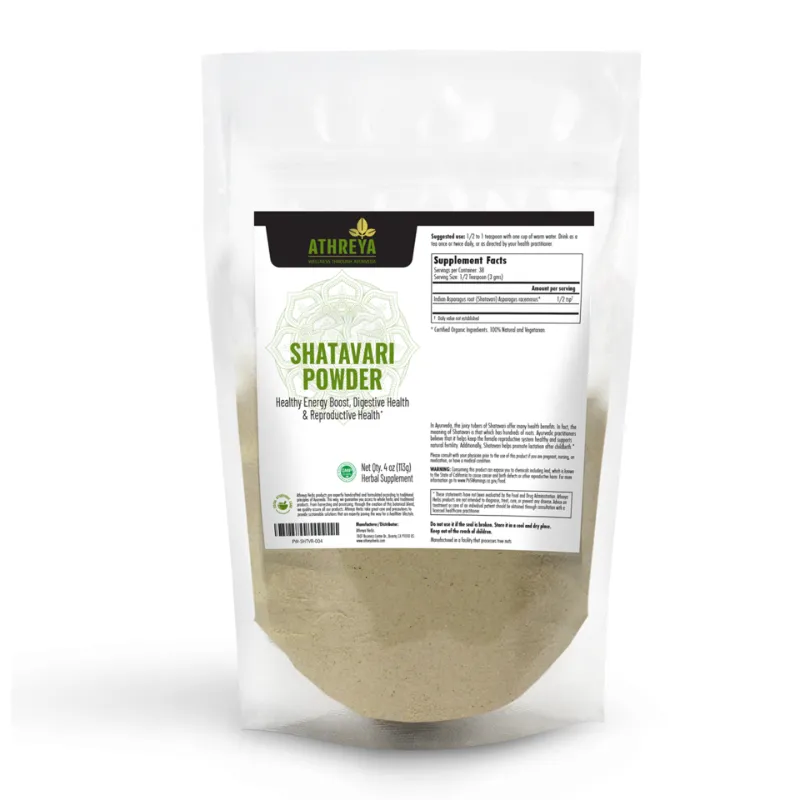
Triphala powder benefits for females specifically include support for hormonal balance when combined with adaptogens, and it is frequently paired with shatavari root powder in classical Ayurvedic protocols for women’s wellness.
How to Take Triphala Powder: Timing, Dose, and Simple Recipes
Timing matters. The classical recommendation is to take triphala powder at night before bed or first thing in the morning on an empty stomach. Nighttime use tends to favor detox and elimination; morning use favors absorption and toning.
Basic warm water method (most common):
- Measure your dose (follow the label guidance on the Athreya package)
- Stir into 6 to 8 oz of warm (not boiling) water
- Let it sit for 30 seconds, stir again, and drink immediately
- Wait at least 30 minutes before eating
Honey paste method (classical triphala powder recipe):
- Mix the powder with raw honey to form a paste
- Take it directly off a spoon and follow with warm water
- This method is preferred in cooler climates or for Vata constitutions
Golden milk variation:
- Stir into warm oat or dairy milk along with a pinch of ginger and cinnamon
- Useful if the astringent taste is too sharp plain
The taste is genuinely bitter and astringent. That is not a flaw (in Ayurveda those tastes are therapeutic for the gut) but knowing it upfront helps you stick with the routine.
Triphala Powder vs. Other Athreya Digestive Herbs: Which Should You Use
Not every digestive complaint calls for the same herb. Here is how triphala powder compares to a few close alternatives in the Athreya catalog:
| Herb | Primary Action | Best For |
|---|---|---|
| Triphala powder | Tridoshic gut toner, mild laxative | General regularity, long-term daily use |
| Athreya haritaki | Stronger laxative, carminative | Acute constipation, Vata-type bloating |
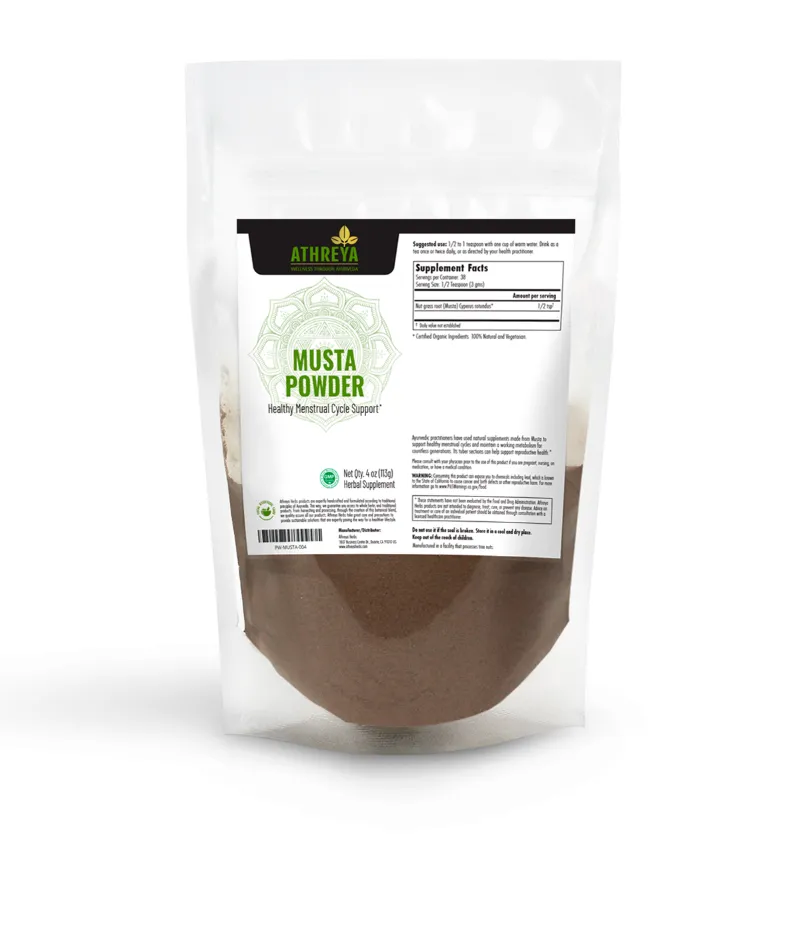
| Athreya musta | Digestive, anti-inflammatory | Loose stools, Pitta gut issues, IBS-D pattern |
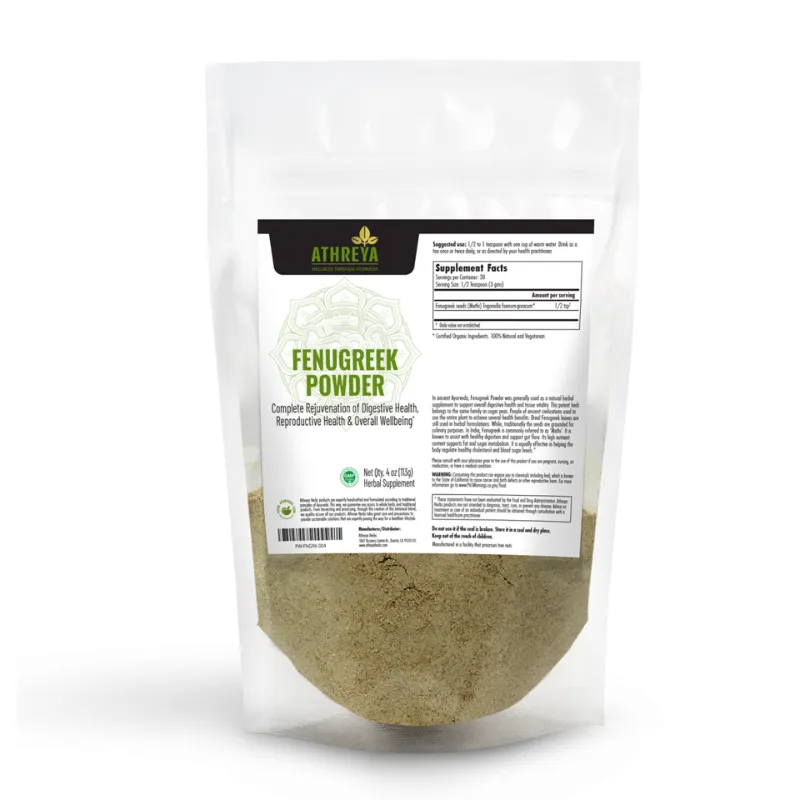
| fenugreek herbal | Prebiotic, blood sugar support | Post-meal sluggishness, metabolic support |
If you are unsure where to start, triphala is the most versatile entry point. If your issue skews more toward inflammation or loose stools, Athreya musta may be the better primary herb.
Pairing Triphala Powder with Adaptogens for a Broader Routine
A healthy gut is the foundation Ayurveda insists on before loading up on adaptogens. Once your digestion is working well with triphala, adding targeted adaptogens becomes more effective:
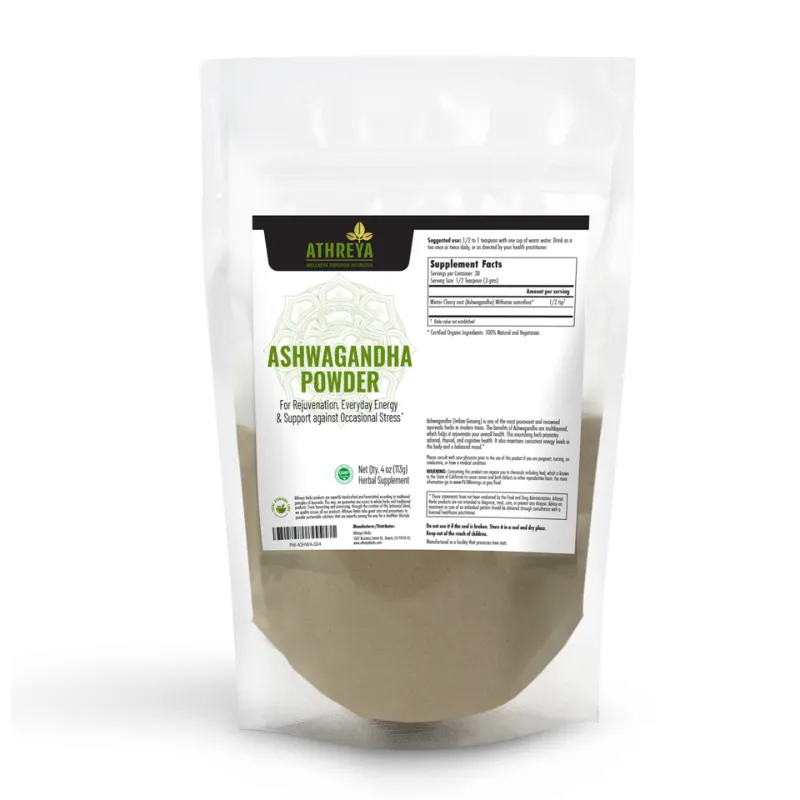
- ashwagandha powder withania somnifera: the go-to Ayurvedic adaptogen for stress resilience, muscle recovery, and adrenal support; pairs well with triphala taken at different times of day
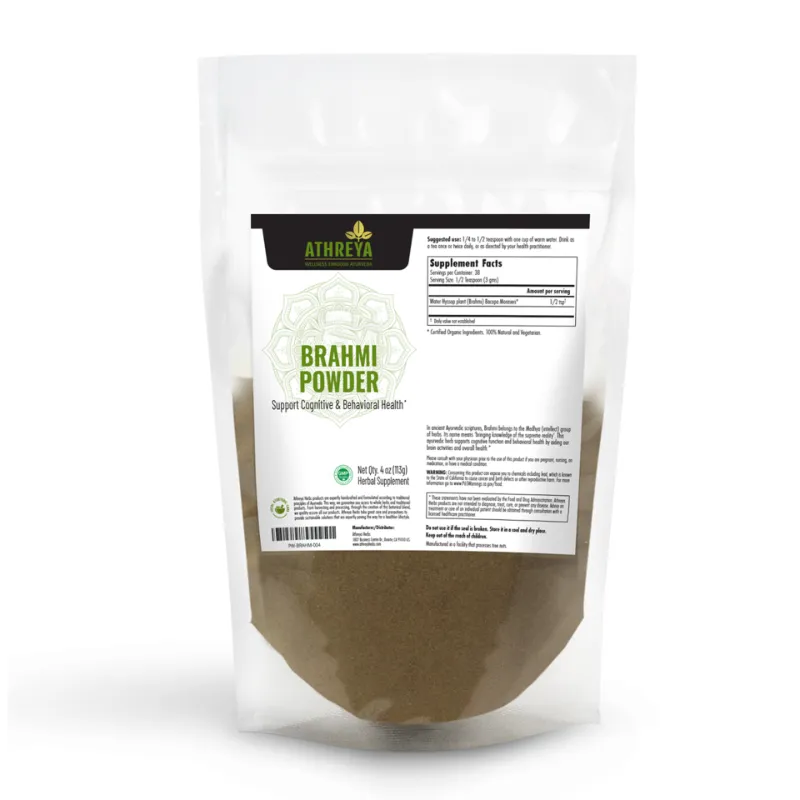
- Athreya brahmi: supports cognitive clarity and calm; traditionally used alongside triphala in rasayana (rejuvenation) protocols
- shatavari powder: Ayurveda’s primary female tonic; combines with triphala in women’s wellness formulas to support hormonal and reproductive health
- safed musli: a vitality herb often stacked with ashwagandha and triphala for energy and endurance
The key is sequence: establish the digestive routine with triphala first, then layer adaptogens based on your constitution and goals.
Where to Buy Athreya Triphala Powder and How to Save
Athreya Herbs ships directly and maintains quality control through every step of their supply chain.
If you are building a multi-herb routine, that discount stacks up quickly across triphala powder, ashwagandha powder withania somnifera, and Athreya brahmi in a single cart. Head to our Athreya Herbs discount code page to copy the current code before checkout.
Questions
How much triphala powder should I take daily?
The standard Ayurvedic dose is roughly half a teaspoon to one teaspoon once daily, but always follow the dosage printed on the Athreya Herbs label and consult a practitioner if you have existing health conditions. Start low and increase gradually to assess tolerance.
Can I take triphala powder long term?
Yes. Unlike stimulant laxatives, triphala powder is considered safe for long-term daily use in classical Ayurveda because it tones the gut rather than forcing a response. Many practitioners recommend taking a one-week break every two to three months as a precaution.
What does triphala powder taste like, and can I mask it?
It is distinctly astringent and bitter, with a slightly sour finish from the amalaki fruit. Mixing it into warm water with a small amount of raw honey or stirring it into warm milk with cinnamon are the easiest ways to make it more palatable without reducing its effectiveness.
Is Athreya haritaki the same as triphala?
No. Athreya haritaki is one of the three fruits that make up triphala, but it is also sold as a standalone supplement. Haritaki alone has a stronger laxative action, while the full triphala blend is more balanced and suitable for daily use by most people.
Can I use triphala powder alongside ashwagandha or shatavari?
Absolutely. Triphala is commonly used as a digestive base alongside adaptogens like ashwagandha powder withania somnifera or shatavari root powder. Take triphala at night or morning on an empty stomach, and space adaptogens around meals for best results.
Is there a discount code for Athreya Herbs triphala powder?
Yes. Check our discount code page for the current active code before you order.
Products in this guide
 Shopping at Athreya Herbs? See the discount code
15% OFF Sitewide
Shopping at Athreya Herbs? See the discount code
15% OFF Sitewide
More in this series
Haritaki vs. Triphala: Understanding the Difference and When to Take Each5 Aug 20264 minDoes Shilajit Powder Go Bad? Shelf Life and Storage Tips for Herbal Powders5 Aug 20265 min7 Athreya Herbs Supplements That Support Stress, Sleep, and Hormonal Balance5 Aug 20264 minThe Beginner’s Guide to Ayurvedic Adaptogens: Brahmi, Ashwagandha, and Shilajit Explained5 Aug 20264 minAshwagandha Powder vs. Shatavari: Which Athreya Herbs Supplement Is Right for You?5 Aug 20263 min