 A Athreya Herbs guide
Does Shilajit Powder Go Bad? Shelf Life and Storage Tips for Herbal Powders
Shilajit powder does expire, but with the right storage habits you can protect its potency and get every bit of value from your herbal supplement collection.
Shilajit powder does go bad over time, though proper storage can dramatically slow that process. Most high-quality herbal powders carry a shelf life of one to three years from the date of manufacture, and the way you store them matters just as much as that printed date. Whether you are new to Ayurvedic supplements or building out a full herbal pantry, this guide covers everything you need to keep your powders fresh, potent, and safe.
What Makes Shilajit Powder Degrade?
Moisture, heat, light, and oxygen are the four enemies of any herbal powder. According to Cleveland Clinic’s overview of shilajit benefits, shilajit is prized for its dense concentration of fulvic acid and minerals. Those same bioactive compounds are sensitive to environmental stress, meaning a warm, humid kitchen shelf can quietly strip away potency long before the expiry date arrives.
Key degradation triggers to watch:
- Humidity above 60% encourages clumping and mold growth
- Temperatures above 77°F (25°C) accelerate oxidation of active compounds
- Direct sunlight or UV exposure breaks down pigments and phytonutrients
- Repeated dipping with a wet spoon introduces moisture every single time you open the jar
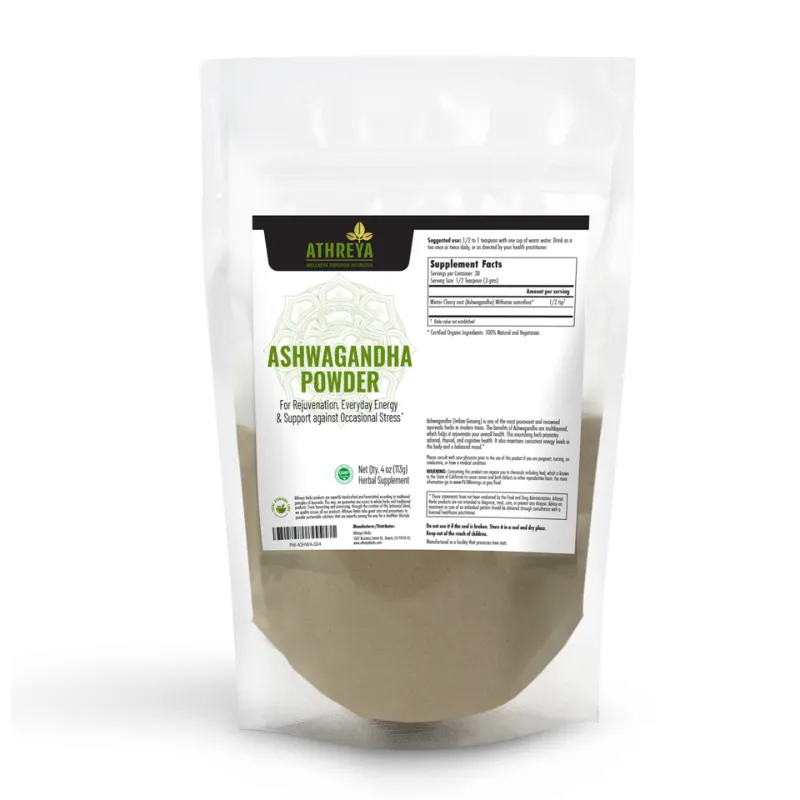
These same rules apply across your entire herbal cabinet. Products like ashwagandha powder withania somnifera and triphala powder are just as vulnerable to moisture and heat as shilajit extract powder, so consistent storage habits protect your whole collection at once.
How to Tell If Your Herbal Powder Has Gone Bad
You do not always need to check the expiry date first. Your senses are surprisingly reliable here.
- Smell: Fresh herbal powders have a distinct, earthy aroma. A musty, rancid, or “flat” smell is a red flag.
- Color: Significant fading or an uneven, blotchy appearance often signals oxidation.
- Texture: Clumping that does not break apart easily, or visible moisture pockets, suggests contamination.
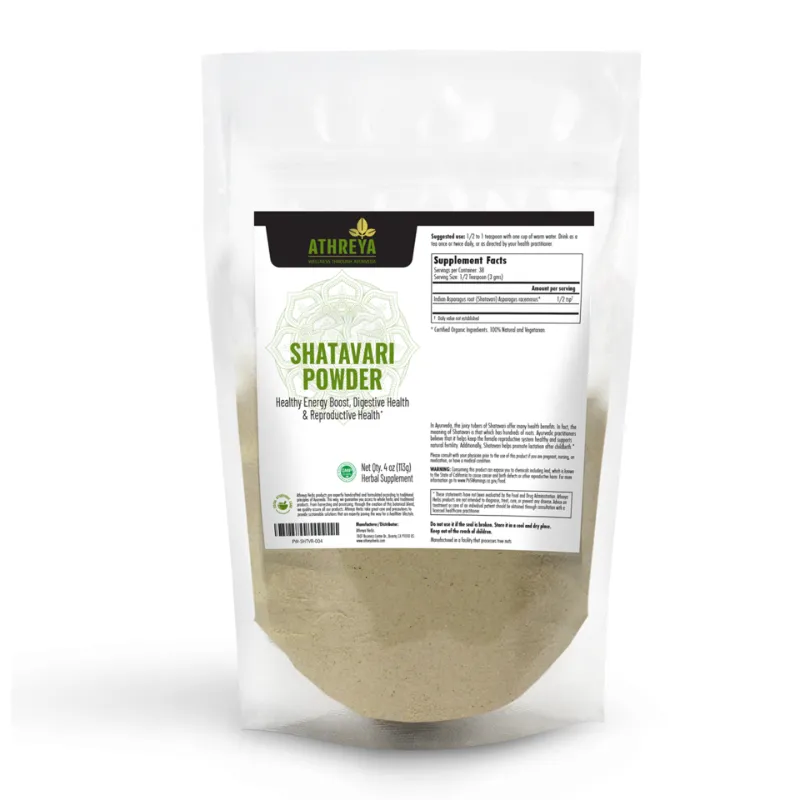
- Taste: Bitterness that feels wrong, or a sour note, can indicate spoilage in powders like shatavari powder and shatavari root powder that have naturally mild, slightly sweet profiles.
If you notice any combination of these signs, it is safer to replace the product than to push through.
Shilajit Powder vs Resin: Does Format Affect Shelf Life?
This is one of the most common questions buyers ask, and the answer is yes. Resin form contains much lower moisture content by nature, which generally gives it a longer shelf life and makes it slightly more forgiving if your storage conditions are not perfect. WebMD’s supplement guide notes that the form of the supplement can influence how its compounds are absorbed, and the same logic extends to stability.
| Format | Typical Shelf Life | Storage Sensitivity | Ease of Use |
|---|---|---|---|
| Shilajit powder | 1-2 years | High (moisture, heat) | Easy to mix |
| Shilajit resin | 2-3 years | Moderate | Requires measuring |
| Shilajit extract powder | 1-2 years | High | Very easy to dose |
Powder form wins on convenience and mixability. If you travel frequently or want to blend it into smoothies, shilajit powder is practical. Just commit to stricter storage.
Best Storage Practices for Shilajit Powder and Other Herbal Powders
Getting storage right is straightforward once you know the rules.
- Use airtight, opaque containers. Dark glass jars with rubber-sealed lids are ideal. Amber or cobalt glass blocks UV rays better than clear glass.
- Store in a cool, dry place. A pantry or cabinet away from the stove and dishwasher is better than a countertop. Avoid the refrigerator unless the label specifically recommends it, as condensation when you take the jar out can introduce moisture.
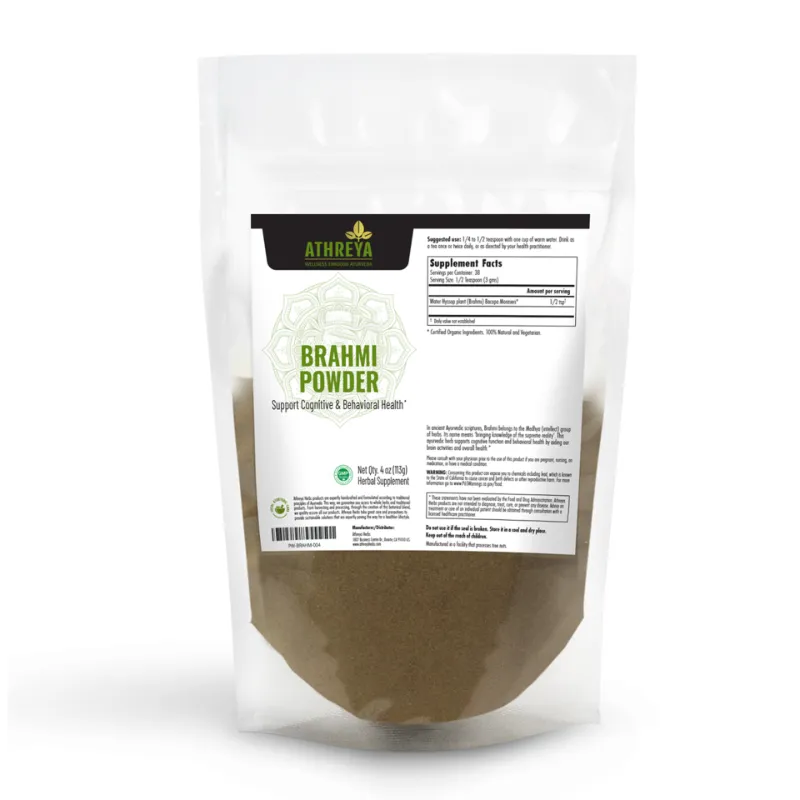
- Always use a dry spoon. This applies to every powder in your collection, including Athreya brahmi, Athreya haritaki, and brahmi bacopa.
- Label with the open date. The “best by” date tells you the unopened window. Once open, most powders are best used within six to twelve months.
- Buy in quantities you will actually use. Bulk buying saves money but only if you can store it properly. If you are stocking up on ashwagandha powder withania somnifera or fenugreek herbal, make sure you have enough airtight containers before ordering.
- Keep lids sealed between uses. Even a few minutes of open-air exposure in a humid kitchen adds up.
Shelf Life Guide for Common Ayurvedic Powders
Different herbs have slightly different stability profiles based on their natural chemistry. Here is a general reference for the powders you are most likely to have on hand.
| Herb / Supplement | Typical Shelf Life (Unopened) | Notes |
|---|---|---|
| Shilajit powder | 1-2 years | Very sensitive to moisture |
| Triphala powder | 2-3 years | Tannins add some natural stability |
| Shatavari powder | 1-2 years | Store away from heat |
| Ashwagandha powder | 2-3 years | Relatively stable |
| Athreya musta | 1-2 years | Keep sealed and dark |
| Safed musli | 1-2 years | Moisture-sensitive |
These are general estimates. Always defer to the printed best-by date on your specific product.
Who Should Pay Extra Attention to Powder Quality?
Anyone using herbal supplements consistently for wellness goals should care about freshness. Research on shilajit powder benefits for female hormonal balance, energy, and recovery is growing, and degraded product will not deliver the results you are looking for. The same applies to adaptogens like ashwagandha and nervines like brahmi. You are spending money and taking these supplements daily, so protecting their potency is worth the effort.
Athreya shatavari and Athreya brahmi are particularly popular among people building a consistent wellness routine. Keeping them fresh means you are actually getting what the label promises.
If you are shopping for fresh, quality-tested herbal powders, check the latest pricing and grab our discount code before you order. Athreya Herbs currently offers 15% off sitewide, which is a good moment to refresh powders that are past their prime or add new ones to your routine.
Practical Buying Tips to Avoid Wasting Money
- Check the manufacture date, not just the expiry date. A product with two years left but sitting in a hot warehouse for a year has already lost some potency.
- Buy from reputable sellers. Searching “shilajit powder near me” or browsing shilajit powder on Amazon might turn up options, but batch transparency and storage during shipping vary widely. Specialist retailers like Athreya Herbs tend to have higher turnover and better quality control.
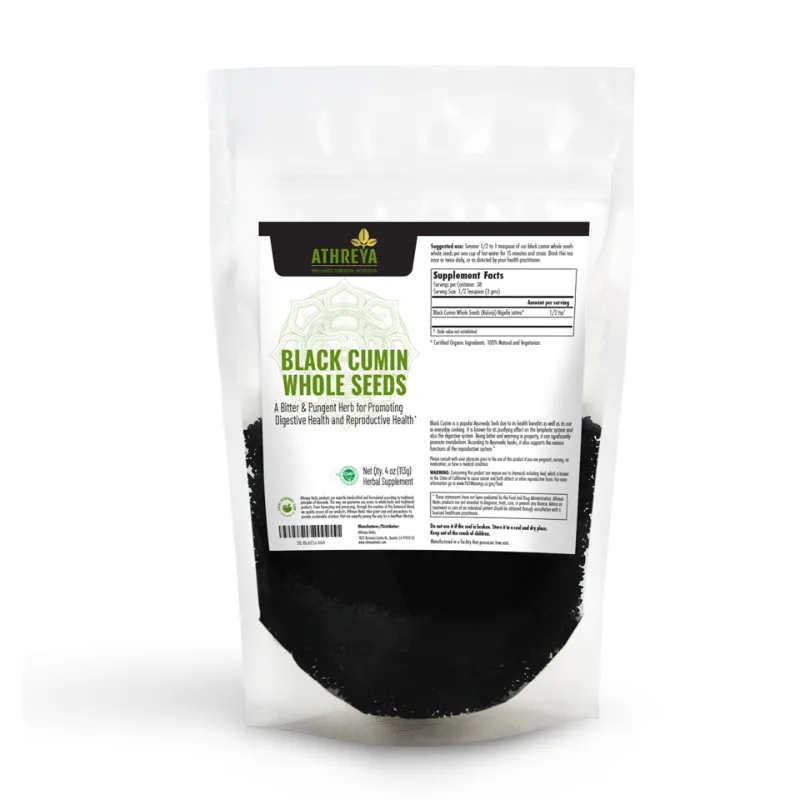
- Start with a smaller size if you are trying a new herb like black seed and black cumin or Athreya musta, so you are not sitting on a large bag that degrades before you finish it.
When you are ready to stock up, use our code at Athreya Herbs to save on your order. Fresh product, properly stored from day one, is the simplest way to get the full benefit of your herbal routine.
Questions
Does shilajit powder expire if it has never been opened?
Yes, shilajit powder still expires even when unopened. The printed best-by date on the packaging applies to properly stored, sealed product, and once that date passes the concentration of active compounds like fulvic acid may have declined meaningfully.
Can I store shilajit powder in the refrigerator?
It is generally not recommended unless the label specifically says so. Moving a cold jar in and out of the fridge causes condensation inside the container, which introduces moisture and can accelerate clumping or mold. A cool, dark pantry shelf is usually the better option.
How do I know if my ashwagandha powder withania somnifera or triphala powder has gone bad?
Check for a musty or rancid smell, visible clumping that does not break apart, significant color fading, or an off taste. Any of these signs across herbal powders, including ashwagandha or triphala, suggests the product should be replaced.
Does shilajit powder form last as long as resin?
Resin typically has a longer shelf life than powder because it contains less residual moisture. Powder is more convenient to measure and mix, but it requires stricter storage conditions to maintain potency over the same period.
Are there shilajit powder side effects I should know about before starting?
Some people report mild digestive upset, especially at higher doses or when using degraded product. Consulting a healthcare provider before starting is always wise, particularly if you take medications or have underlying health conditions.
Which Athreya Herbs powders are most sensitive to storage conditions?
Moisture-sensitive powders like shatavari powder, safed musli, and Athreya musta need the most careful storage, as do any powders with a high starch or saponin content. Keeping all of them in sealed, opaque containers away from heat is the safest universal habit.
Products in this guide
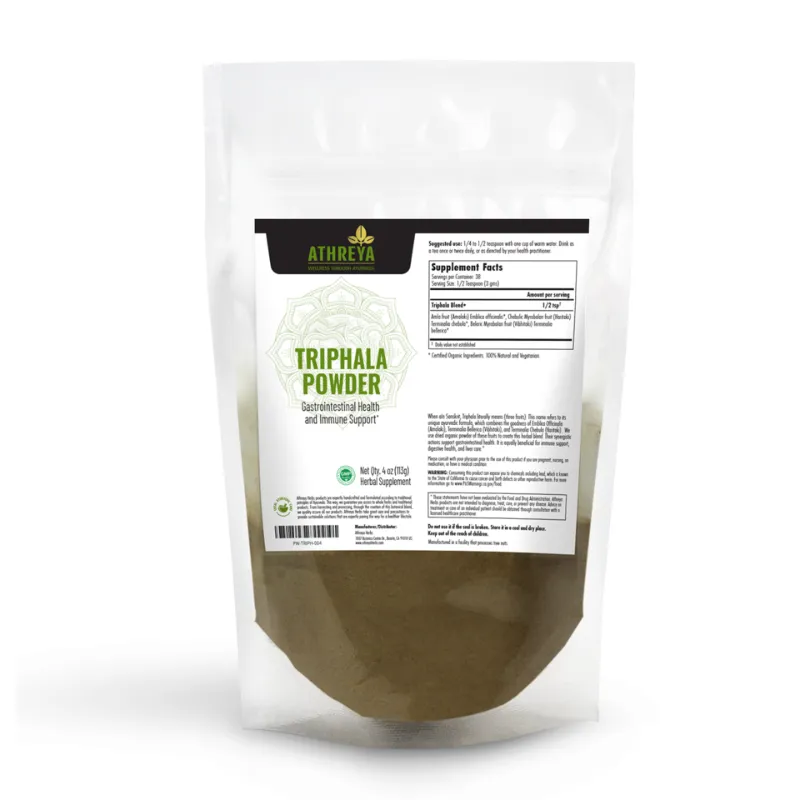
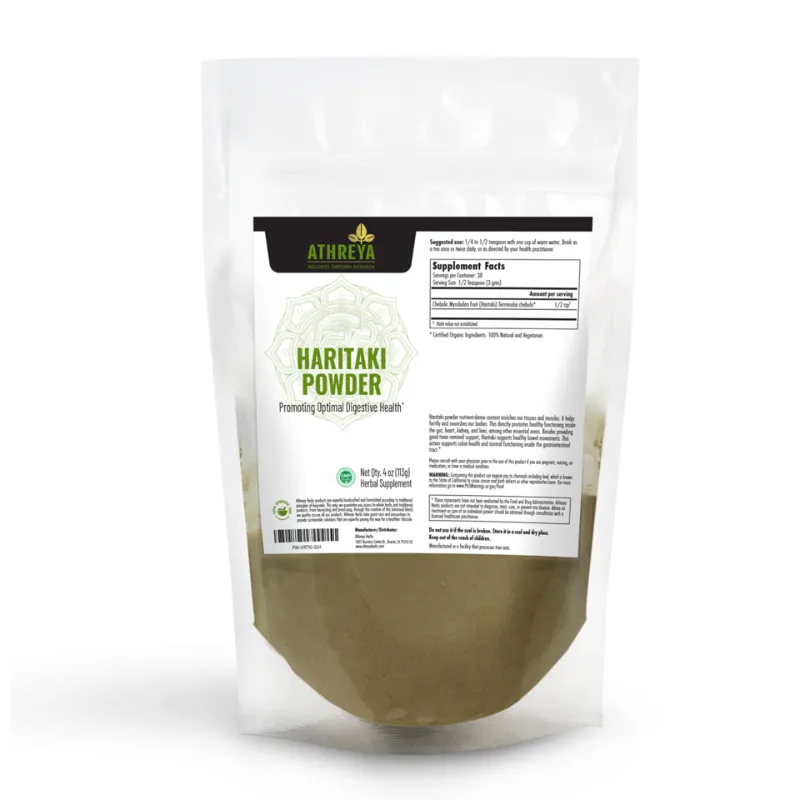
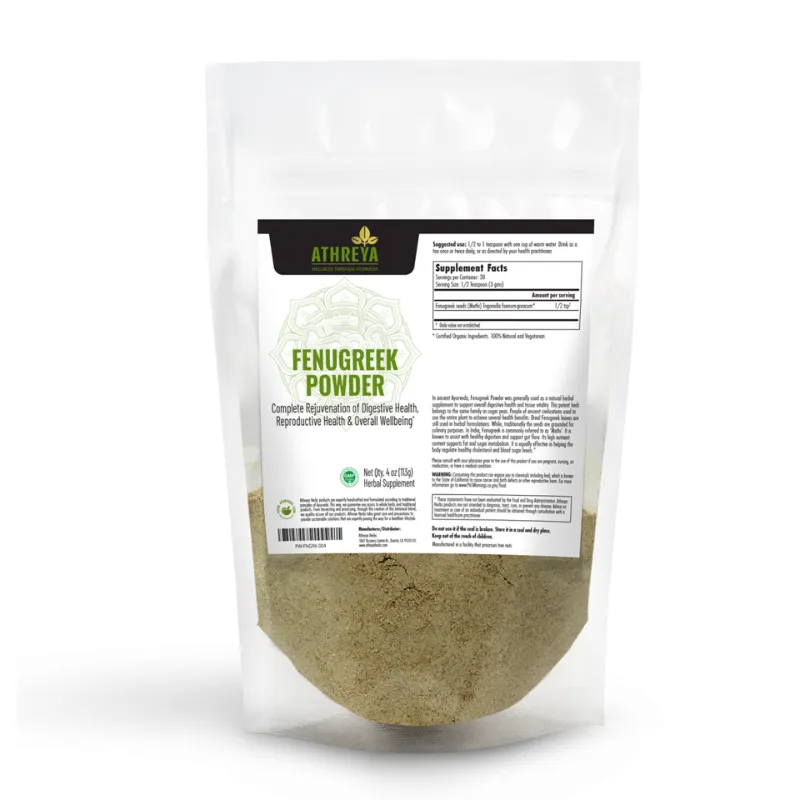 Shopping at Athreya Herbs? See the discount code
15% OFF Sitewide
Shopping at Athreya Herbs? See the discount code
15% OFF Sitewide
More in this series
Haritaki vs. Triphala: Understanding the Difference and When to Take Each5 Aug 20264 min7 Athreya Herbs Supplements That Support Stress, Sleep, and Hormonal Balance5 Aug 20264 minThe Beginner’s Guide to Ayurvedic Adaptogens: Brahmi, Ashwagandha, and Shilajit Explained5 Aug 20264 minHow to Use Athreya Triphala Powder for Daily Digestive Support5 Aug 20263 minAshwagandha Powder vs. Shatavari: Which Athreya Herbs Supplement Is Right for You?5 Aug 20263 min