 A Athreya Herbs guide
Ashwagandha Powder vs. Shatavari: Which Athreya Herbs Supplement Is Right for You?
Athreya shatavari and ashwagandha powder withania somnifera serve very different wellness goals, and knowing which one fits your body and routine can save you time, money, and guesswork.
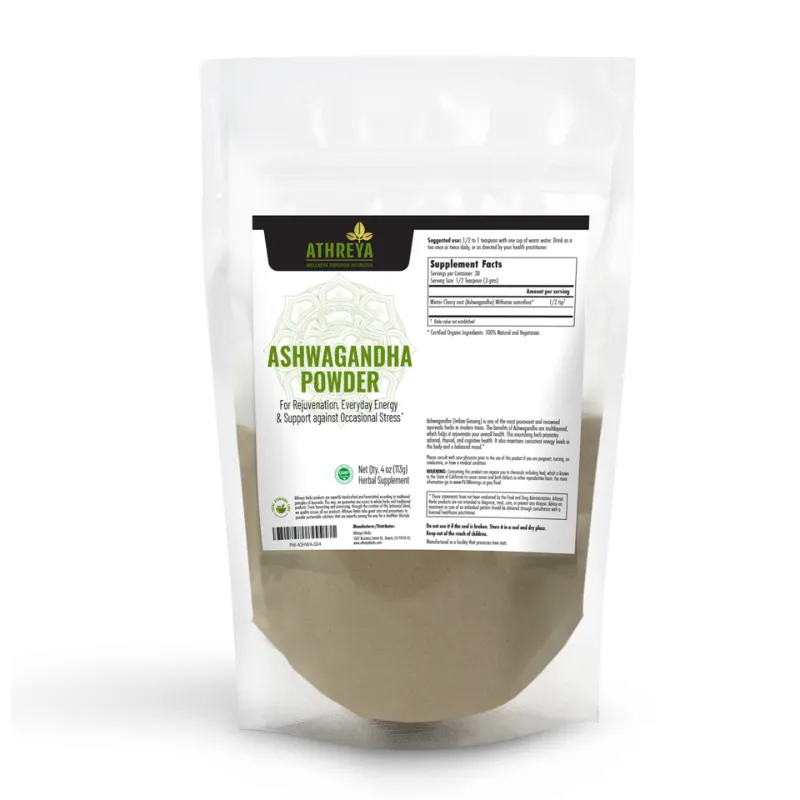
Athreya shatavari is one of the most searched Ayurvedic herbs online right now, and it often gets compared head-to-head with ashwagandha powder withania somnifera by shoppers who are not sure which one to try first. Both come from the Athreya Herbs lineup, both are rooted in classical Ayurveda, and both have a growing body of modern research behind them. This guide breaks down how they differ, who each one suits, how to stack them with other herbs, and how to get the best price.
What Makes Athreya Shatavari Different From Ashwagandha
The core difference is in what each herb is classically used for.
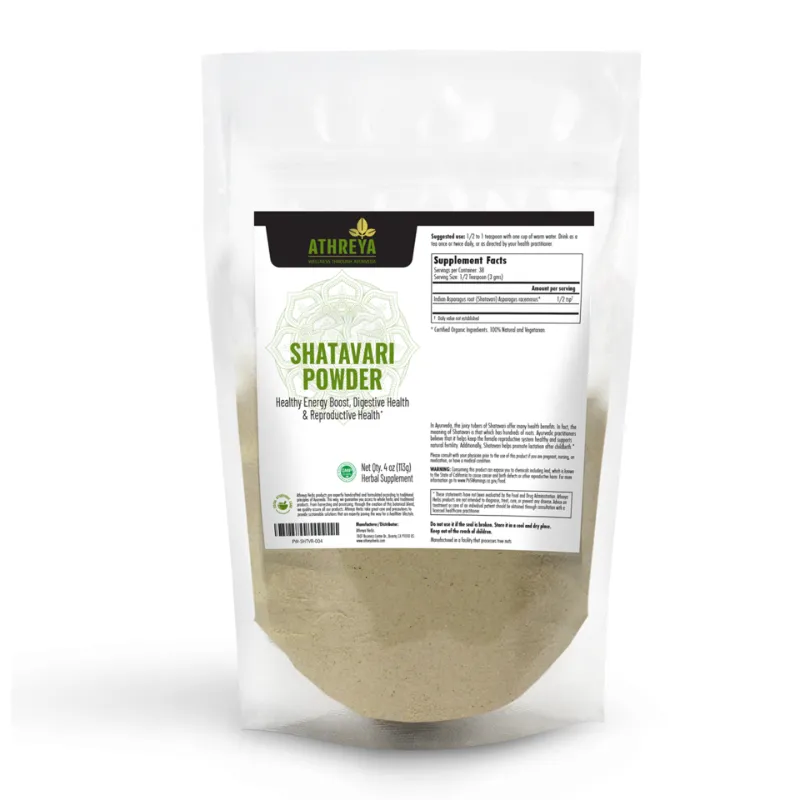
- Athreya shatavari (Asparagus racemosus) is a cooling, nourishing rasayana traditionally associated with female reproductive health, hormonal balance, and supporting the body during life transitions. Research published in PMC suggests it may be particularly relevant for postmenopausal women, and WebMD notes that it has been studied for its adaptogenic and antioxidant properties.
- Ashwagandha powder withania somnifera (Withania somnifera) is a warming adaptogen associated with stress resilience, energy, strength, and cortisol regulation. It is more commonly used by men and women who want support for fatigue, sleep quality, and athletic performance.
Neither herb is strictly gendered, but their energetics and traditional applications point in different directions. If you run hot, feel depleted, or are navigating hormonal shifts, shatavari tends to be the better fit. If you feel chronically wired, exhausted, or run down, ashwagandha is often the first recommendation.
Side-by-Side Comparison
| Feature | Athreya Shatavari | Ashwagandha Powder |
|---|---|---|
| Ayurvedic quality | Cooling (Sita) | Warming (Ushna) |
| Primary traditional use | Reproductive + hormonal support | Stress + vitality support |
| Best suited for | Women, Pitta/Vata types | Men and women, Vata/Kapha types |
| Common form | Shatavari root powder, capsule | Powder, capsule |
| Stackable with | Triphala, safed musli | Brahmi, ashwagandha |
Who Should Choose Shatavari
Athreya shatavari is a strong choice if you identify with any of these:
- You are navigating perimenopause, menopause, or postpartum recovery
- You want to support lactation naturally
- You experience dryness, irritability, or heat-related imbalances
- You prefer a milder, more nourishing adaptogen with a long safety record
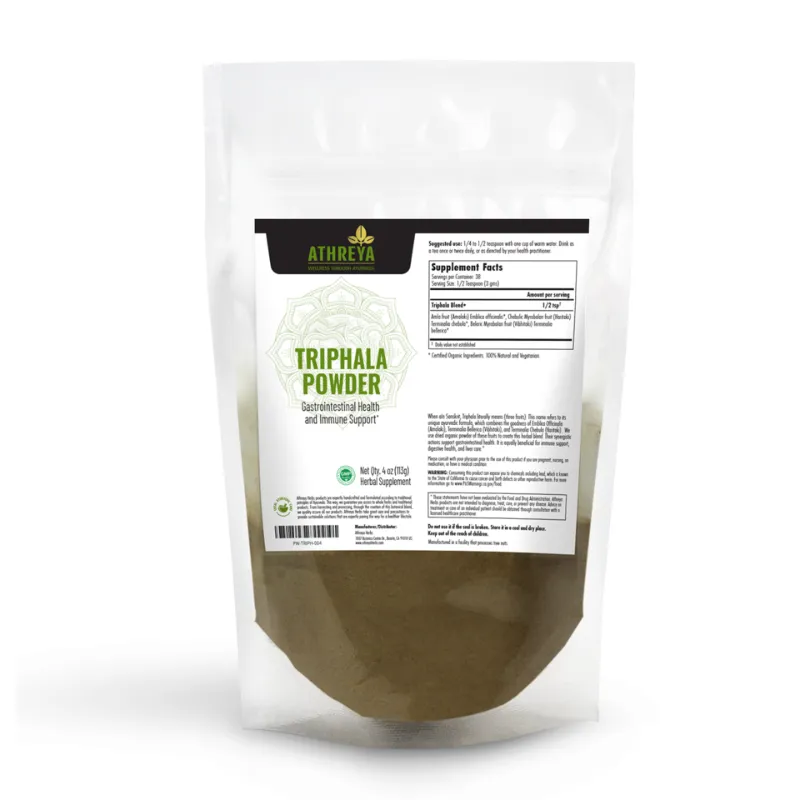
- You are already using triphala powder or Athreya haritaki for digestion and want to layer in hormonal support
Healthline’s overview of shatavari also highlights its traditional use for supporting the immune system and reducing inflammation, which makes it a useful general tonic beyond reproductive health.
You can find Athreya’s shatavari root powder and shatavari powder as separate SKUs depending on your preferred format.
Who Should Choose Ashwagandha
Ashwagandha powder withania somnifera fits better if you are dealing with:
- Chronic stress or burnout
- Poor sleep quality despite tiredness
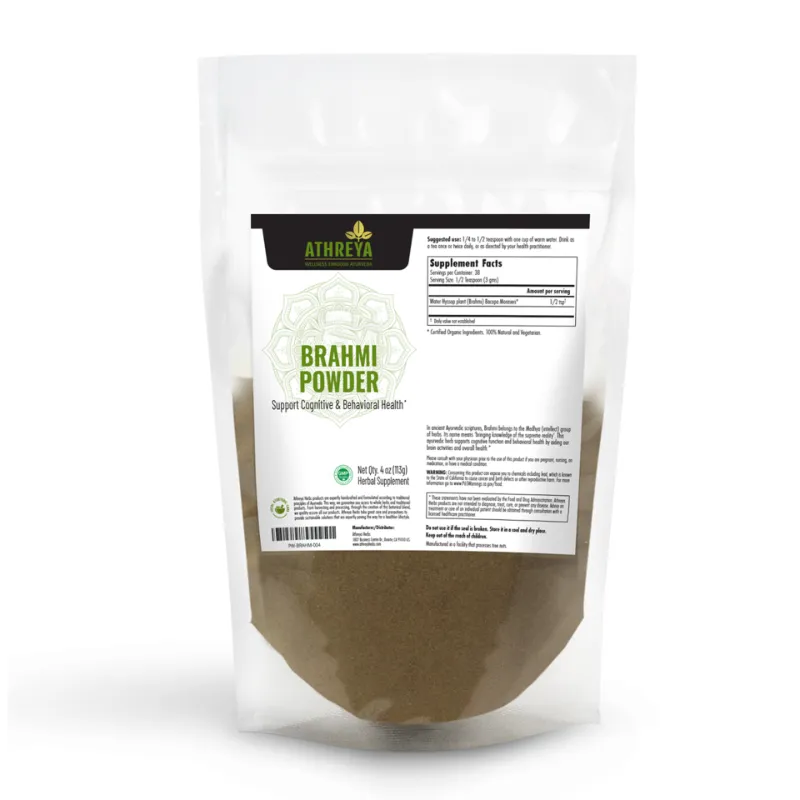
- Low motivation or brain fog (consider stacking with Athreya brahmi or brahmi bacopa)
- Physical training recovery
- Adrenal fatigue patterns
Men looking for vitality support often stack ashwagandha with safed musli, another Athreya herb with a long history in Ayurvedic tonic formulas.
How to Stack These Herbs With the Rest of the Athreya Lineup
You do not have to pick just one. Many buyers layer these herbs with complementary formulas:
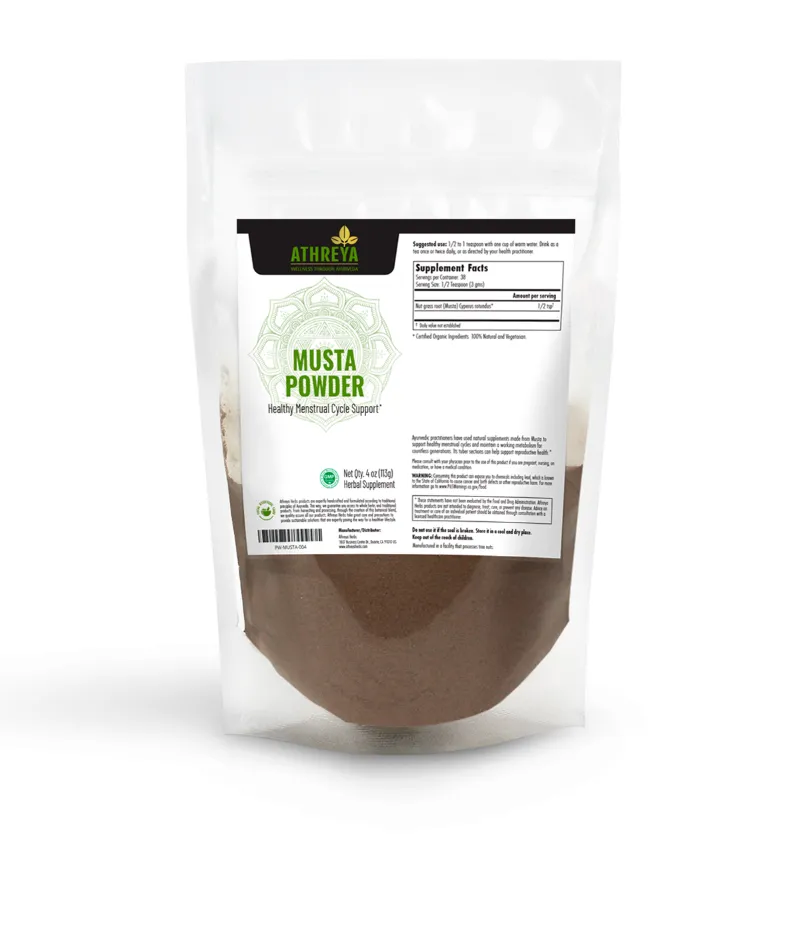
- For digestion and detox: Add triphala powder or Athreya musta, which focuses on digestive fire and gut health
- For cognitive clarity: Pair ashwagandha with Athreya brahmi for a classic Ayurvedic brain-support stack
- For immune resilience: Black seed and black cumin or fenugreek herbal work well alongside either adaptogen
- For female vitality: Combine shatavari with safed musli for a nourishing, strength-supporting duo
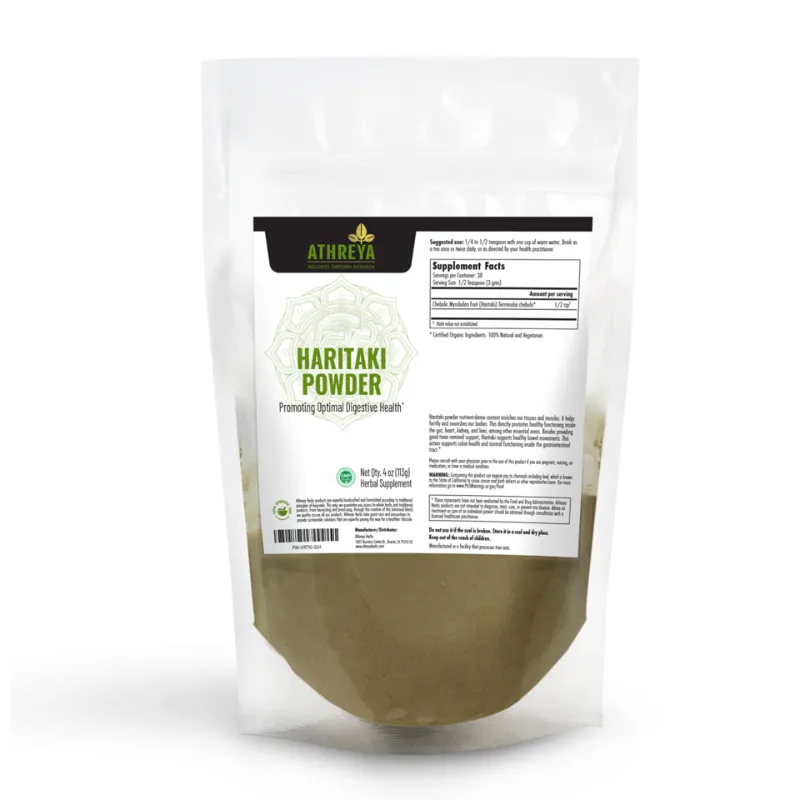
- For gentle cleansing: Athreya haritaki is a classic pairing with shatavari in traditional formulas
The key principle is to address your primary imbalance first, then layer in supporting herbs once you know how your body responds.
What to Look for in Quality Shatavari and Ashwagandha
Not all powders are the same. Here is what separates a reliable product from a generic one:
- Botanical sourcing: The Latin name should be confirmed on the label (Asparagus racemosus for shatavari, Withania somnifera for ashwagandha)
- Processing method: Low-heat or traditional processing preserves active constituents better than aggressive extraction
- Additives: A clean supplement should have minimal fillers, binders, or flow agents
- Third-party testing: Look for brands that verify heavy metal levels and purity
Athreya Herbs applies Ayurvedic quality standards throughout their range, which is part of why their products appear in conversations about trusted single-herb formulas.
Where to Buy and How to Save
Current pricing for each product is listed on the Athreya Herbs store page. If you are buying more than one herb (which most customers do once they get started), stacking savings matters. You can grab the current discount code at our coupon page before you check out, where a 15% sitewide offer is currently available.
Whether you start with Athreya shatavari, ashwagandha, or a combination, check the latest deal at our Athreya Herbs page to make sure you are not leaving money on the table. With a catalog this size, that percentage adds up quickly across multiple products.
Questions
Can I take Athreya shatavari and ashwagandha together?
Yes, many people take both at the same time since they address different systems. Shatavari is cooling and nourishing while ashwagandha is warming and energizing, so they can complement each other well. Start with one first to gauge your response, then introduce the second.
Is shatavari root powder the same as shatavari powder?
They refer to the same plant but may differ in the part used or processing method. Athreya Herbs offers both shatavari root powder and shatavari powder as separate products, so check each product page for the specific details before buying.
How long does it take to notice results from Athreya shatavari?
Adaptogenic herbs generally work best with consistent daily use over several weeks. Most users report noticing changes in energy, mood, or comfort levels within four to eight weeks, though individual results vary based on diet, lifestyle, and baseline health.
Which Athreya herb is best for stress and sleep?
Ashwagandha powder withania somnifera is the most commonly recommended choice for stress resilience and sleep quality. Stacking it with Athreya brahmi or brahmi bacopa can add additional cognitive and calming support.
Is there a discount code for Athreya Herbs products?
Yes, a sitewide discount is currently available. You can find the active code and confirm current pricing on our Athreya Herbs coupon page before placing your order.
What other Athreya Herbs products pair well with shatavari for women's health?
Safed musli is a traditional pairing for nourishment and vitality support, while triphala powder or Athreya haritaki can complement shatavari by supporting digestion and overall detoxification.
Products in this guide
 Shopping at Athreya Herbs? See the discount code
15% OFF Sitewide
Shopping at Athreya Herbs? See the discount code
15% OFF Sitewide
More in this series
Haritaki vs. Triphala: Understanding the Difference and When to Take Each5 Aug 20264 minDoes Shilajit Powder Go Bad? Shelf Life and Storage Tips for Herbal Powders5 Aug 20265 min7 Athreya Herbs Supplements That Support Stress, Sleep, and Hormonal Balance5 Aug 20264 minThe Beginner’s Guide to Ayurvedic Adaptogens: Brahmi, Ashwagandha, and Shilajit Explained5 Aug 20264 minHow to Use Athreya Triphala Powder for Daily Digestive Support5 Aug 20263 min