 A Athreya Herbs guide
Haritaki vs. Triphala: Understanding the Difference and When to Take Each
Athreya haritaki is a single-herb powerhouse, while triphala powder is a three-fruit blend, and knowing which one to reach for can make a real difference in your Ayurvedic routine.
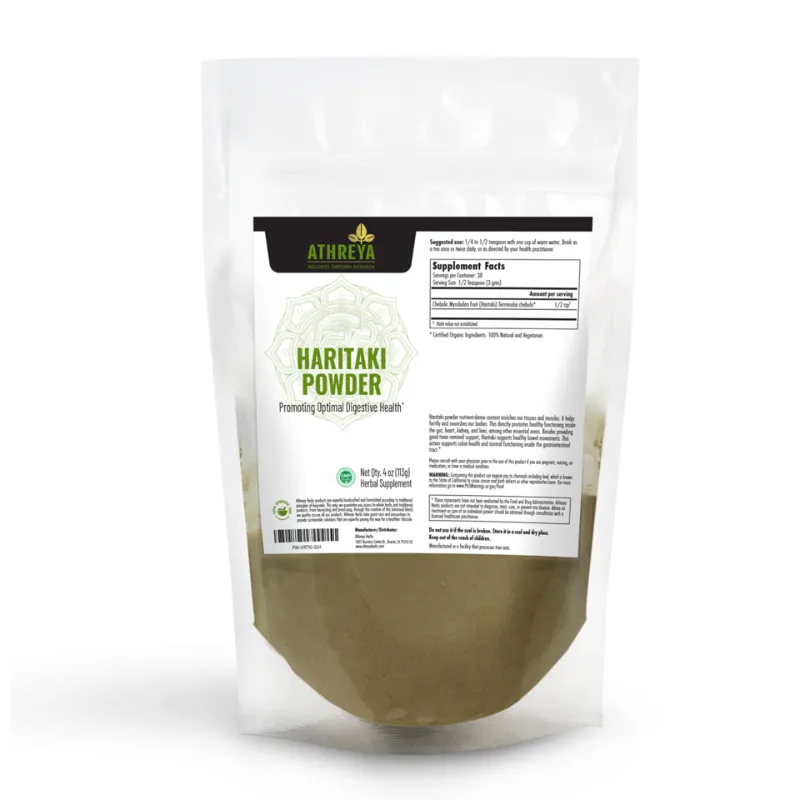
Athreya haritaki is a single-herb supplement built around *Terminalia chebula*, one of Ayurveda’s most revered botanicals. Triphala powder, by contrast, combines haritaki with two other fruits, amalaki and bibhitaki, to create a broader-spectrum formula. Understanding exactly what sets them apart helps you pick the right tool for the right job.
What Is Athreya Haritaki and Why Does It Stand Alone?
Haritaki (*Terminalia chebula*) is sometimes called the “king of herbs” in classical Ayurvedic texts because it is said to address all three doshas while having a particular affinity for Vata. Research summarized by Healthline points to antioxidant compounds, tannins, and chebulic acid as the main active constituents driving its reputation for digestive and elimination support.
Key reasons to use haritaki on its own:
- You want a targeted Vata-pacifying action rather than a broad tridoshic blend.
- Your primary concern is occasional constipation or sluggish digestion tied to dryness or irregular eating habits.
- A practitioner has specifically recommended isolated haritaki based on your constitution.
- You prefer a simpler ingredient list so you can track how your body responds.
For a deeper look at the herb’s traditional uses and safety profile, Herbal Reality’s full monograph on Haritaki is a solid independent reference.
What Is Triphala Powder and How Is It Different?
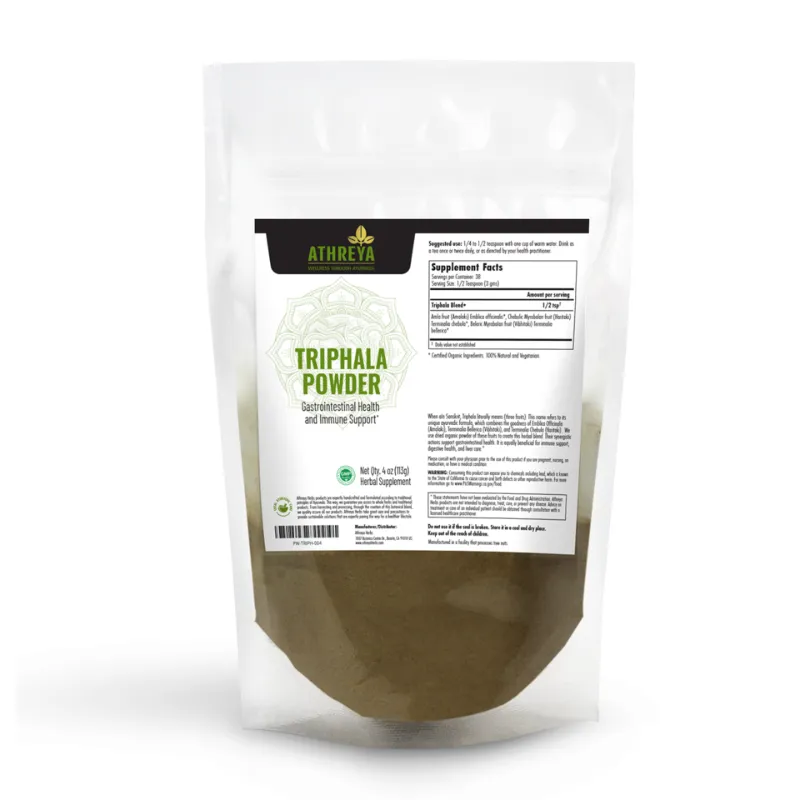
Triphala powder is a classical Ayurvedic formula that contains equal parts haritaki, amalaki (*Emblica officinalis*), and bibhitaki (*Terminalia bellirica*). Because amalaki is cooling and Pitta-pacifying while bibhitaki targets Kapha and respiratory mucus, the combined formula becomes genuinely tridoshic, meaning it is considered appropriate for almost any constitution.
Key reasons to choose triphala powder over isolated haritaki:
- You want a daily, long-term colon tonic that also supports antioxidant status through amalaki’s high vitamin C content.
- You are balancing more than one dosha or your practitioner has identified mixed-dosha imbalances.
- You want gentle, non-habit-forming digestive regularity rather than a stronger laxative effect.
- You are new to Ayurvedic herbs and prefer a time-tested, broadly safe starting point.
Side-by-Side Comparison
| Feature | Athreya Haritaki | Triphala Powder |
|---|---|---|
| Key ingredient(s) | Terminalia chebula only | Haritaki + Amalaki + Bibhitaki |
| Dosha focus | Primarily Vata | Tridoshic (all three doshas) |
| Strength of action | Stronger laxative/cleansing | Gentler, more tonic |
| Best for | Targeted Vata digestion support | Daily maintenance, mixed constitutions |
| Typical timing | Before bed with warm water | Before bed or early morning |
How to Take Each One
Athreya haritaki
- Take with warm water or warm milk, typically in the evening.
- A light honey or ghee carrier can modify the action depending on your goal (ghee for lubrication, honey for a more drying/cleansing effect).
- Shorter-term protocols are common when used for a specific digestive reset.
- Always follow the dosage guidance on the product label or your practitioner’s recommendation.
Triphala powder
- Dissolve in warm water 30 to 60 minutes before bed, or first thing in the morning on an empty stomach.
- A longer daily regimen (weeks to months) is traditional because the tonic benefits build over time.
- Start with a smaller amount than the label suggests if you have a sensitive digestion and increase gradually.
Building a Broader Ayurvedic Routine
Haritaki and triphala rarely exist in isolation in a serious Ayurvedic practice. Depending on your constitution and goals, you might pair either herb with complementary supports:
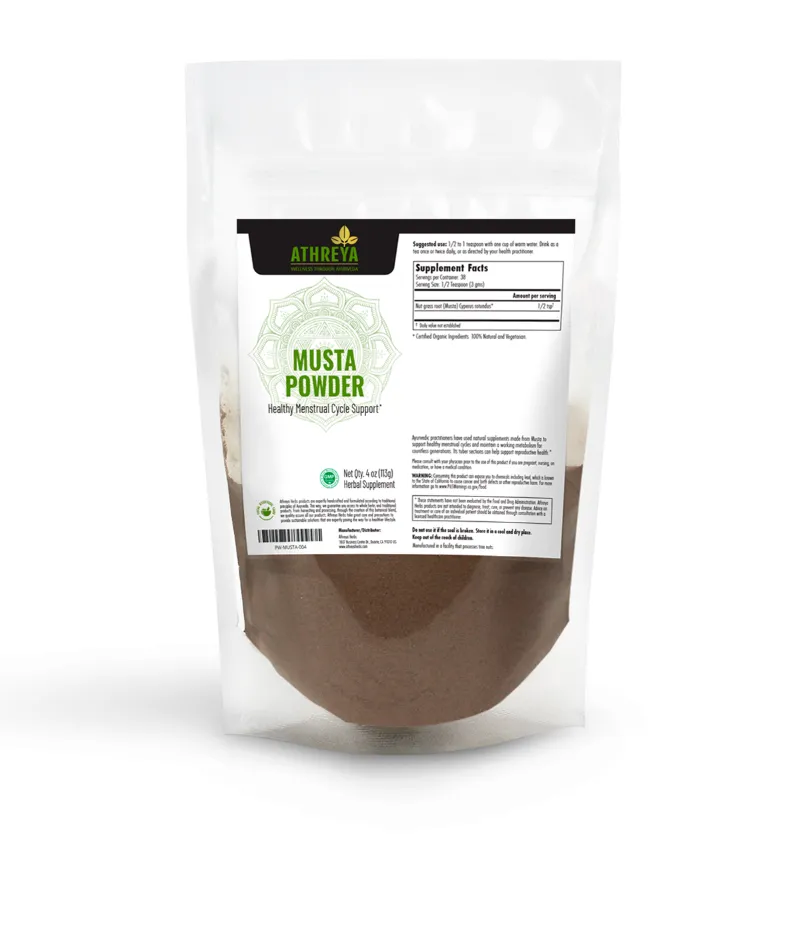
- Digestive fire and bloating: Athreya musta is a classic digestive bitter that pairs well with both haritaki and triphala for sluggish Agni.
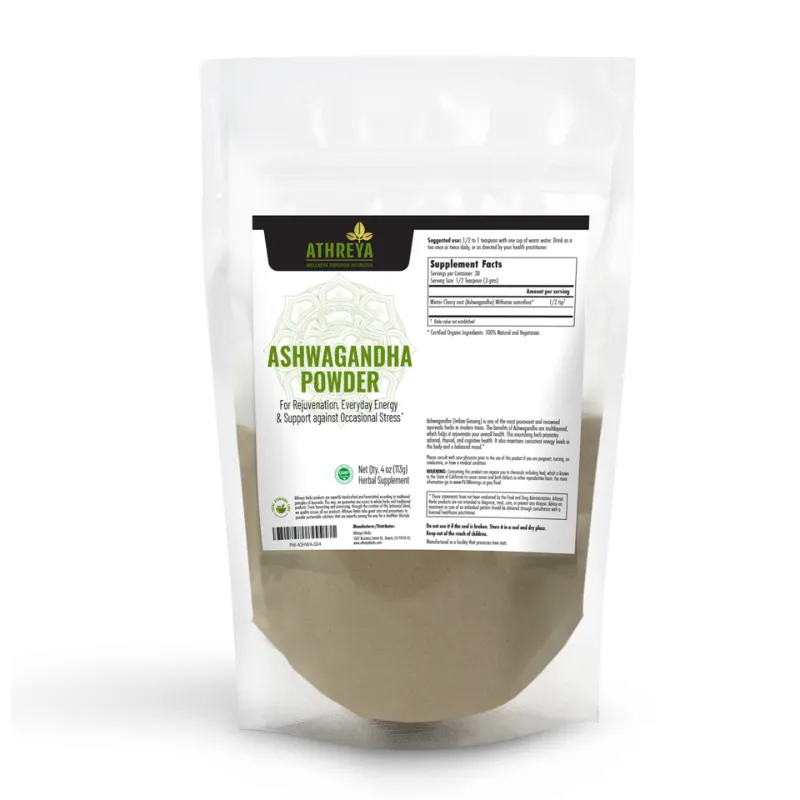
- Stress and nervous system: ashwagandha powder withania somnifera addresses Vata-driven anxiety and fatigue, a common companion imbalance when digestion is off.
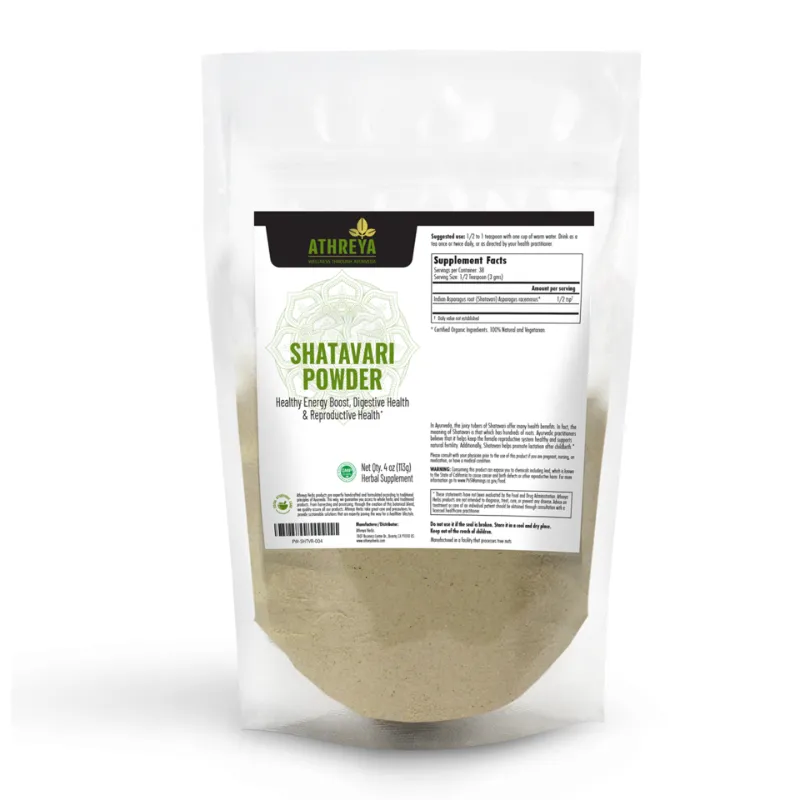
- Female reproductive and hormonal balance: shatavari root powder or Athreya shatavari is often layered in for women supporting hormonal and digestive health simultaneously.
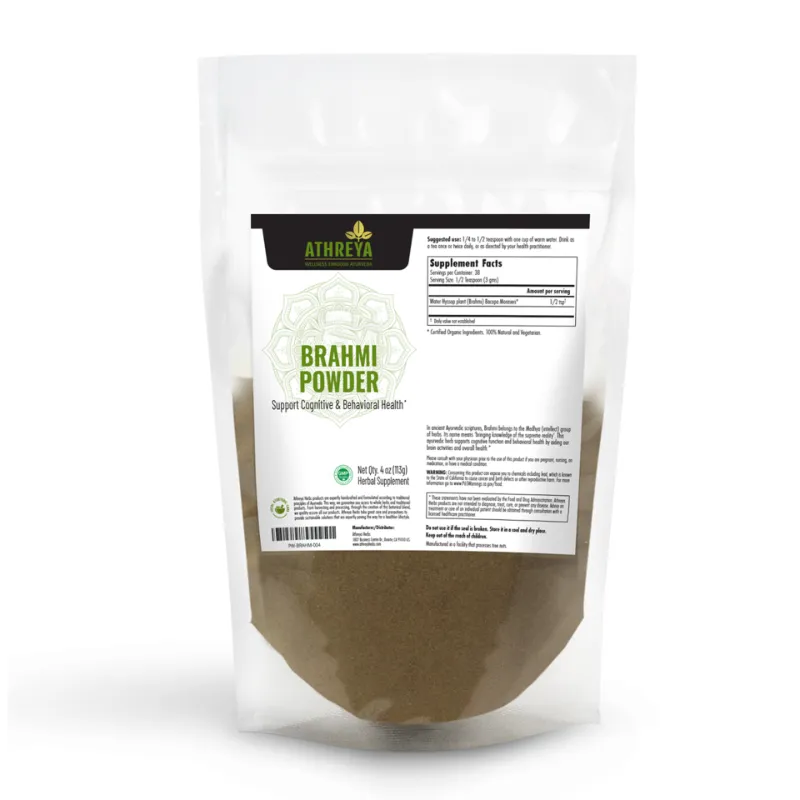
- Cognitive clarity: Athreya brahmi or brahmi bacopa addresses the mind-gut connection when mental fatigue accompanies digestive sluggishness.
- Metabolic support: fenugreek herbal is a traditional addition for blood sugar balance, commonly used alongside triphala in metabolic wellness protocols.
If you are exploring the full Athreya Herbs range, check our current discount code before you add anything to your cart as there is currently 15% off sitewide.
Who Should Prioritize Haritaki vs. Triphala?
Neither herb is a universal answer, and individual constitution matters. Here is a practical guide:
Lean toward Athreya haritaki if you:
- Identify as predominantly Vata (anxious, light, dry, irregular)
- Experience occasional constipation linked to stress or travel
- Are following a short-term Panchakarma-adjacent cleanse protocol
- Have been specifically advised by an Ayurvedic practitioner
Lean toward triphala powder if you:
- Want a gentle, year-round digestive tonic
- Are unsure of your dominant dosha
- Are also focused on antioxidant support and eye health (traditional uses of triphala)
- Are new to Ayurvedic herbs and want maximum tolerability
For anyone working with a qualified practitioner, Athreya Ayurveda’s integrative healthcare resources offer a useful clinical perspective on combining these formulas safely.
Where to Buy and How to Save
Both products are available directly through Athreya Herbs. You can pick up Athreya haritaki or triphala powder from their store, and if this is your first order (or even your fifth), it is worth grabbing the current discount code to get 15% off your total. Athreya Herbs sources single-origin, traditionally processed herbs, so the quality baseline is meaningfully higher than generic supplement aisle options.
The short version: reach for haritaki when you need targeted, stronger Vata-digestive support; reach for triphala when you want a gentle, daily, constitution-neutral tonic you can sustain for the long haul.
Questions
What makes Athreya haritaki different from a standard haritaki supplement?
Athreya haritaki is sourced and processed according to traditional Ayurvedic quality standards, prioritizing single-origin herb integrity. Many generic haritaki capsules use lower-grade raw material or skip traditional preparation steps, which can affect potency and tolerability.
Can I take haritaki and triphala powder at the same time?
Generally it is not necessary, since triphala already contains haritaki as one of its three fruits. Doubling up could produce a stronger laxative effect than intended. Check with an Ayurvedic practitioner before combining them.
Is triphala powder safe to take every day long-term?
Triphala is considered one of Ayurveda's safest daily tonics and has a long tradition of ongoing use. That said, individual response varies, so starting with a smaller amount and monitoring your digestion is a sensible approach before settling on a daily dose.
Which herb is better for weight management, haritaki or triphala?
Triphala is more commonly associated with metabolic and weight support in the Ayurvedic literature because its three-fruit combination addresses all three doshas and supports fat metabolism alongside digestion. Haritaki contributes to this through its cleansing action, but triphala is typically the first recommendation for this goal.
What other Athreya Herbs products pair well with a haritaki or triphala routine?
Athreya musta is a natural companion for improving digestive fire, while ashwagandha powder withania somnifera helps address the stress and fatigue that often accompany digestive imbalances. For women, shatavari root powder is a popular addition for hormonal and digestive support.
When is the best time of day to take haritaki or triphala?
Both are traditionally taken before bed with warm water, which allows the cleansing action to work overnight. Triphala is also commonly taken first thing in the morning on an empty stomach. Evening use tends to be more widely recommended for haritaki specifically.
Products in this guide
 Shopping at Athreya Herbs? See the discount code
15% OFF Sitewide
Shopping at Athreya Herbs? See the discount code
15% OFF Sitewide
More in this series
Does Shilajit Powder Go Bad? Shelf Life and Storage Tips for Herbal Powders5 Aug 20265 min7 Athreya Herbs Supplements That Support Stress, Sleep, and Hormonal Balance5 Aug 20264 minThe Beginner’s Guide to Ayurvedic Adaptogens: Brahmi, Ashwagandha, and Shilajit Explained5 Aug 20264 minHow to Use Athreya Triphala Powder for Daily Digestive Support5 Aug 20263 minAshwagandha Powder vs. Shatavari: Which Athreya Herbs Supplement Is Right for You?5 Aug 20263 min