 A Pelcas guide
How to Use a Microneedling Pen at Home Safely and Effectively
A microneedling pen at home can boost collagen and improve skin texture when used correctly, so here's exactly how to do it safely.
A microneedling pen at home can boost collagen and improve skin texture when used correctly, so here’s exactly how to do it safely. Microneedling works by creating controlled micro-injuries that trigger your skin’s natural healing response.
What is a Microneedling Pen and How Does It Work
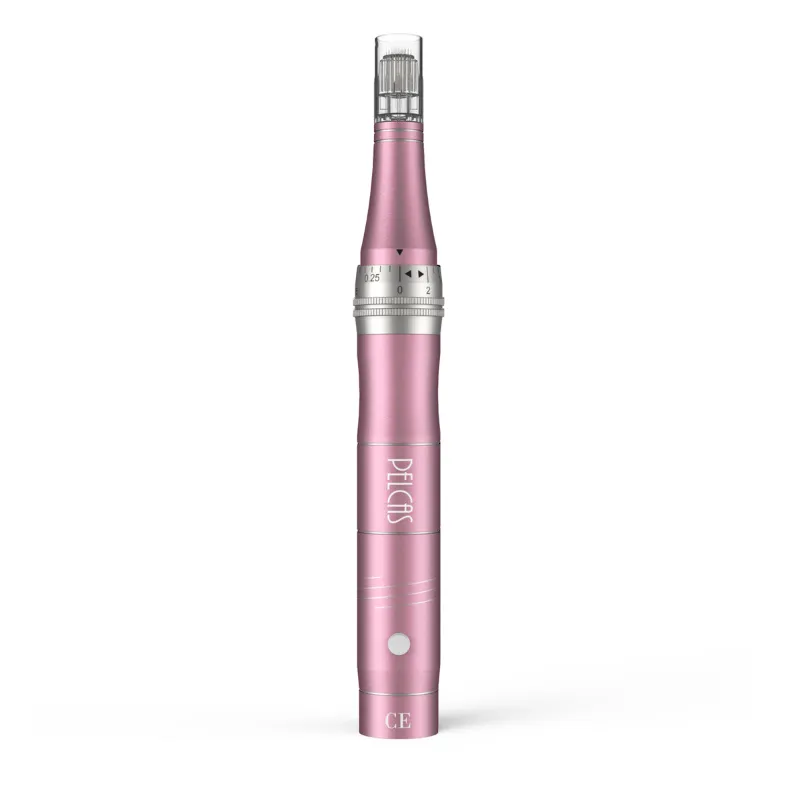
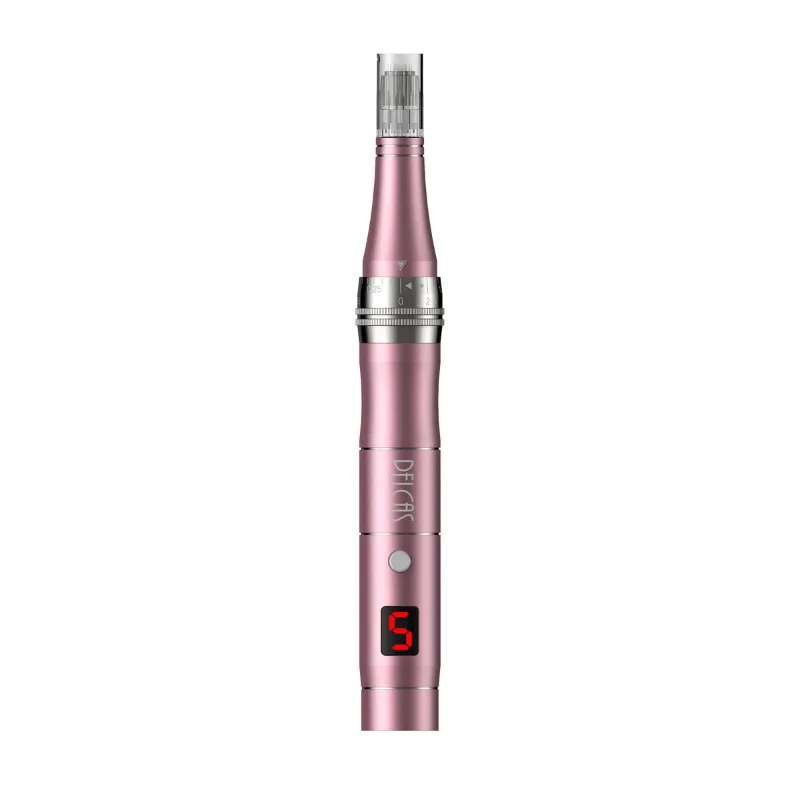
A microneedling pen is a handheld device with tiny needles that gently puncture the skin’s surface. Unlike derma rollers, a quality microneedling pen at home uses motorized needles that move vertically, creating precise, consistent micro-channels. These micro-injuries stimulate collagen and elastin production, helping fade scars, smooth fine lines, and improve skin texture over time.
The wireless microneedling pen models offer the most convenience, eliminating cord tangles during treatment. Look for adjustable needle depths, as different areas of your face need different settings. The best at-home options range from 0.5mm (gentle, for maintenance) to 1.5mm (deeper, for scars or texture).
Preparing Your Skin Before Microneedling
Proper prep is the foundation of safe, effective treatment. Start by cleansing your face thoroughly with a gentle cleanser and pat dry. Avoid active ingredients like retinoids, vitamin C, and acids for 3-5 days before your session, as they can increase irritation.
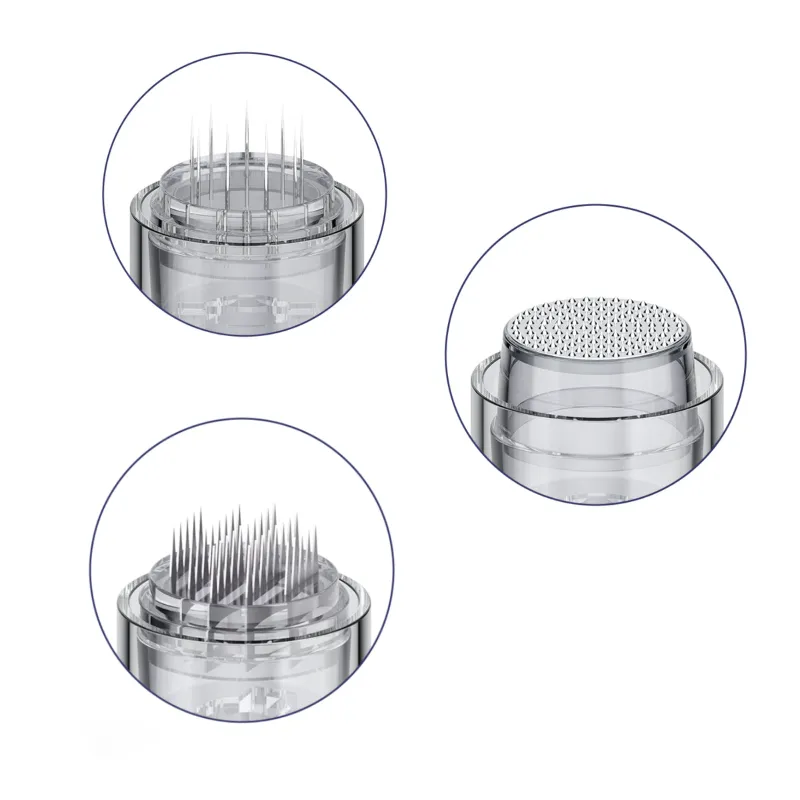
Apply a blt numbing cream packets for microneedling 20-30 minutes before you begin. This topical numbing agent reduces discomfort without numbing you so much that you can’t feel the device. Make sure your skin barrier is intact, skip microneedling if you have active breakouts, sunburn, or eczema flare-ups.
Sterilize your device according to the manufacturer’s instructions. Most come with a cleaning brush or alcohol swabs. A clean device prevents infection and ensures smooth gliding across your skin.
Best Technique for Using Your Microneedling Pen at Home
Start with the lowest needle depth (0.5mm) and work your way up as your skin adapts. Hold the at home microneedling pen at a 90-degree angle to your skin and move it in slow, deliberate strokes. Treat your face in sections: forehead, cheeks, nose, chin, and neck.
For each area, make 4-6 passes in different directions (vertical, horizontal, diagonal). Don’t apply heavy pressure. The device should do the work, let it glide smoothly without dragging or pressing hard. One session typically takes 10-15 minutes.
Avoid the eye area unless you’re using a specialized pen designed for that delicate zone. If you’re targeting scars or specific problem areas, spend extra time there with slightly slower passes. The professional microneedling pen at home models offer better precision for targeted treatment.
Aftercare: What to Do Right After Microneedling
Immediately after treatment, your skin will look flushed and feel sensitive. This is normal and typically fades within a few hours.
- Apply a hyaluronic acid serum to damp skin to lock in hydration
- Follow with a gentle, fragrance-free moisturizer
- Use broad-spectrum SPF 30+ sunscreen daily for at least one week
- Skip makeup, active ingredients, and heavy products for 24 hours
- Avoid hot showers, saunas, and intense exercise for 48 hours
- Don’t touch or pick at your skin during healing
Your skin will feel tighter and look slightly plumped within hours. Over the following weeks, you’ll notice improved texture and tone as collagen rebuilds.
How Often Should You Microneedle at Home
Frequency depends on your needle depth and skin sensitivity. Start with once every 3-4 weeks at 0.5mm depth. As your skin builds tolerance, you can move to every 2-3 weeks or slightly deeper depths. Never microneedle more than once per week, your skin needs time to heal and build collagen.
Most people see noticeable results after 4-6 consistent sessions. For deeper concerns like boxcar scars or severe texture, you may need 8-12 sessions spaced 4 weeks apart. Check the latest price on Pelcas devices and grab the 5% sitewide code to start your routine affordably.
Comparing Microneedling Pens: Cordless vs Wired Models
When shopping for your first device, consider whether cordless convenience or stable power matters more to you.
| Feature | Cordless Pen | Wired Pen |
|---|---|---|
| Battery life | 60-90 min per charge | Unlimited (plugged in) |
| Portability | High | Low |
| Weight | Lighter | Heavier |
| Needle speed | Often variable | Typically fixed |
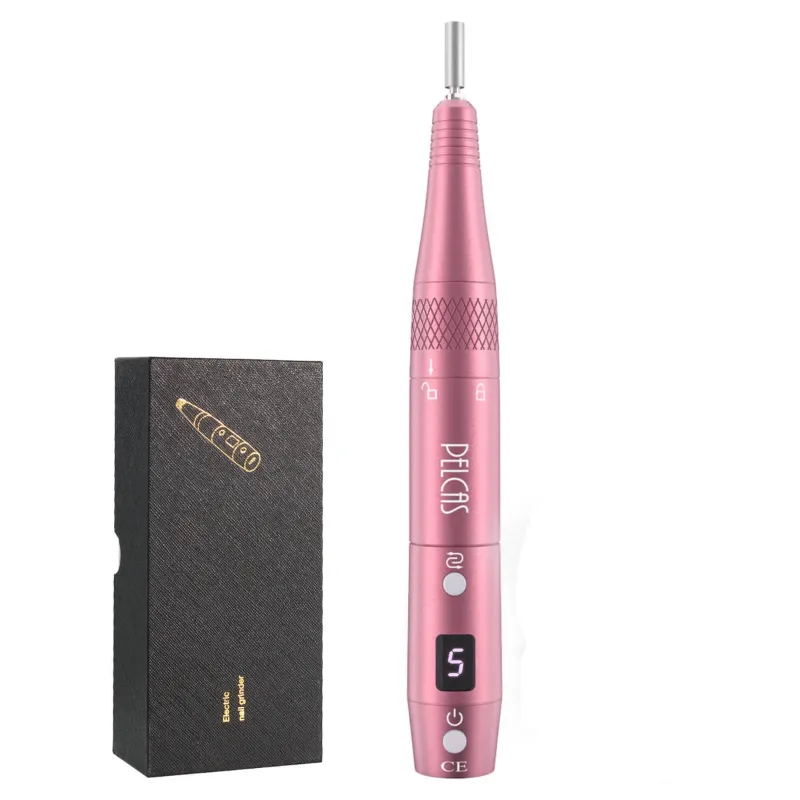
The cordless nail drill approach mirrors the benefits of cordless microneedling pens: freedom of movement and no tangled cords. A battery operated nail file shows the same durability and convenience logic. Wired models work well if you treat at home in one spot and don’t mind the cord. For most people, cordless offers the best balance of control and comfort.
Safety Tips and When to Skip Microneedling
Microneedling is safe for most skin types when done correctly, but certain conditions call for caution.
- Skip it if you’re pregnant, on blood thinners, or have active skin infections
- Avoid if you have rosacea, severe eczema, or open wounds
- Don’t microneedle over active acne or cystic breakouts
- If you have sensitive skin, start at 0.5mm depth every 4 weeks
- Those with keloid-prone skin should consult a dermatologist first
Always follow the device manufacturer’s guidelines. If you experience excessive bleeding, severe pain, or signs of infection, stop and contact a dermatologist. Learn more about at-home microneedling safety from expert sources to understand what to expect and when to seek professional help.
Combining Microneedling with Other At-Home Treatments
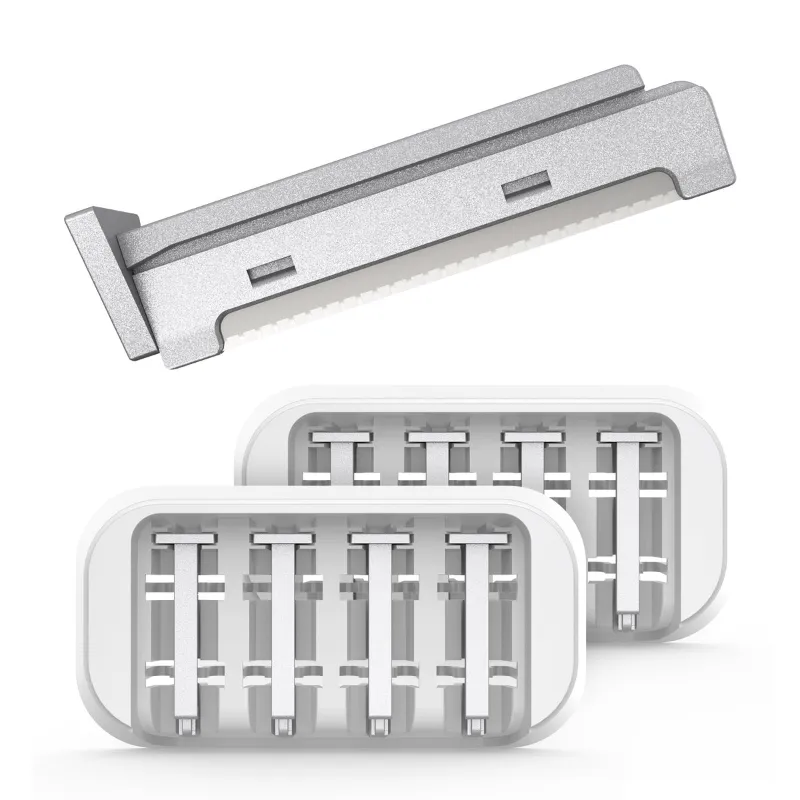
Once you’re comfortable with microneedling, you can layer it with other skin tools. Dermaplaning blades work well the week before microneedling to remove peach fuzz and dead skin, prepping your skin for deeper penetration. Just avoid dermaplaning immediately before or after microneedling.
For nail care routines, tools like the nail file drill or e file nail drill show the same precision-tool approach that makes microneedling effective. If you’re interested in multi-purpose beauty tools, the airbrush cosmetics kits can complement your skincare routine for full-face glow.
Wait at least one week after microneedling before using other active ingredients or devices. Your skin needs time to recover and maximize the collagen-boosting benefits of the treatment itself.
Getting Results: Timeline and Expectations
Results aren’t instant, but they’re worth the wait. Most people see skin smoothing and texture improvement within 2-4 weeks. Scars, hyperpigmentation, and fine lines take longer, typically 8-12 weeks of consistent treatment.
Your best bet is to grab the code for 5% off at Pelcas and invest in a quality device you’ll actually use consistently. Take before photos under the same lighting to track progress. Real results come from routine, not one-off sessions. Pair your device with the right aftercare products, and you’ll see why dermatologists recommend microneedling as one of the most effective at-home anti-aging treatments available.
Questions
How deep should the needle be on a microneedling pen at home?
Start at 0.5mm for beginners, which is gentle and suits maintenance or sensitive skin. Move to 0.75-1.0mm after a few sessions for texture and fine lines. Only go to 1.5mm for deep scars, and only after your skin is accustomed to microneedling. Never exceed 1.5mm at home.
Can I use numbing cream before microneedling?
Yes, using blt numbing cream packets for microneedling is safe and recommended. Apply it 20-30 minutes before treatment to reduce discomfort. It won't interfere with the treatment's effectiveness, and many people find it makes the session more tolerable.
How often can I use my microneedling pen at home?
At 0.5mm depth, once every 3-4 weeks is safe for most skin types. As you build tolerance, you can move to every 2-3 weeks. Never microneedle more than once per week, your skin needs recovery time to build collagen.
What's the difference between a wireless microneedling pen and a wired one?
Wireless models offer portability and freedom of movement but need charging every 60-90 minutes. Wired pens provide unlimited power but require managing a cord. For most at-home users, cordless is more convenient, though both deliver the same results when used correctly.
Is it safe to microneedle if I have sensitive skin?
Yes, but start conservatively. Use a 0.5mm depth, apply numbing cream, and space sessions 4 weeks apart. Skip microneedling if you have active rosacea, open wounds, or severe eczema. When in doubt, consult a dermatologist before starting.
How long before I see results from a professional microneedling pen at home?
Texture smoothing appears within 2-4 weeks. Fine lines, scars, and hyperpigmentation take 8-12 weeks of consistent monthly treatment. Results improve over time as collagen builds, so patience and consistency are key.
Products in this guide
 Shopping at Pelcas? See the discount code
5% OFF Sitewide
Shopping at Pelcas? See the discount code
5% OFF Sitewide
More in this series
How Often Should You Replace Microneedling Pen Needles and Refills?8 Sep 20264 minAirbrush Makeup Kit Maintenance: Cleaning and Preventing Clogging8 Sep 20265 minDoes Dermaplaning with an Electric Tool Actually Work Better Than Manual Blades?8 Sep 20264 minMicroneedling Pen Needle Depths Explained: Choosing the Right Size for Your Skin8 Sep 20265 minHow to Choose the Best Cordless Nail Drill for At-Home Manicures8 Sep 20264 min