 A Pelcas guide
Does Dermaplaning with an Electric Tool Actually Work Better Than Manual Blades?
An electric dermaplaning tool removes peach fuzz faster and more consistently than manual blades, with better control and less risk of nicks.
An electric dermaplaning tool removes peach fuzz faster and more consistently than manual blades, with better control and less risk of nicks. If you’re comparing the two, speed and precision are the real wins with electric options.
How an Electric Dermaplaning Tool Works Differently
Electric dermaplaning tools operate at hundreds of micro-vibrations per second, which moves the blade across your skin in a controlled, rapid motion. Manual dermaplaning blades require you to apply the right angle and pressure yourself, which is why consistency is harder to achieve. The oscillating motion of an electric device does the work for you, reducing user error and the chance of pressing too hard or dragging at the wrong angle.
The vibration also helps the blade glide more smoothly over your skin without tugging. Manual blades rely entirely on your technique, and one slip or a moment of uneven pressure can cause irritation or a small cut. Consumer Reports has reviewed top dermaplaning tools and consistently notes that electric models reduce the learning curve.
Speed and Consistency: Electric Wins
Manual dermaplaning with traditional blades takes longer because you’re moving slowly to stay safe and precise. You’re also working the same area multiple times to catch all the fine hairs. An electric dermaplaning tool covers the same area in a fraction of the time, and because the vibration is consistent, you get more even results with fewer passes.
For someone new to dermaplaning, this is huge. You’re less likely to over-treat one spot or miss patches. Professional-grade electric dermaplaning tools used in clinics operate on this same principle, which is why they’re faster and why results look more polished.
Control and Safety Comparison
With manual dermaplaning blades, you control the angle, speed, and pressure. That flexibility is useful if you have very sensitive areas, but it’s also where mistakes happen. A slight angle shift or a moment of distraction can cause the blade to nick delicate skin around the eyes or lips.
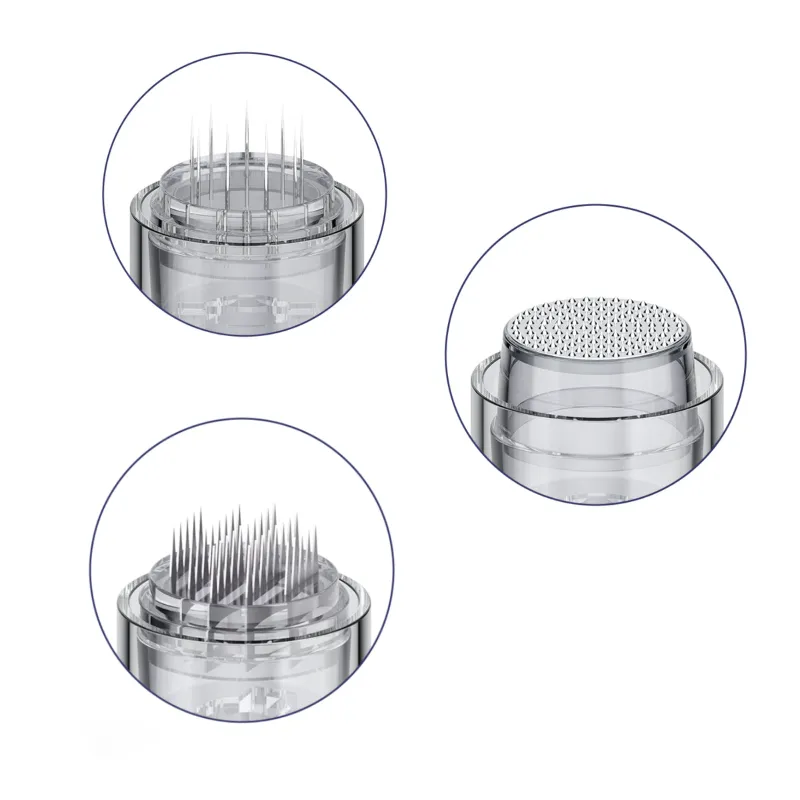
Electric options give you less manual control but more mechanical consistency. You can’t accidentally press harder midway through, and the blade vibrates at a set frequency. This makes electric dermaplaning tools safer for beginners and anyone nervous about the process. If you do choose to add a numbing step for extra comfort, products like blt numbing cream packets for microneedling can pair well with electric tools to keep you relaxed during the treatment.
Best Practice: Technique Still Matters
Regardless of whether you choose electric or manual, technique still affects results. You need the right angle, clean skin, and proper blade maintenance. An electric dermaplaning tool doesn’t eliminate the need to learn the basics, it just makes consistency easier.
Manual blades require more precision during application but less gear overall. They’re smaller, portable, and require no charging. The tradeoff is that you need steady hands and practice to avoid irritation. For best results with either method, follow up with hydrating serums and daily SPF to protect freshly exfoliated skin.
Electric Dermaplaning Tools vs. Other Methods
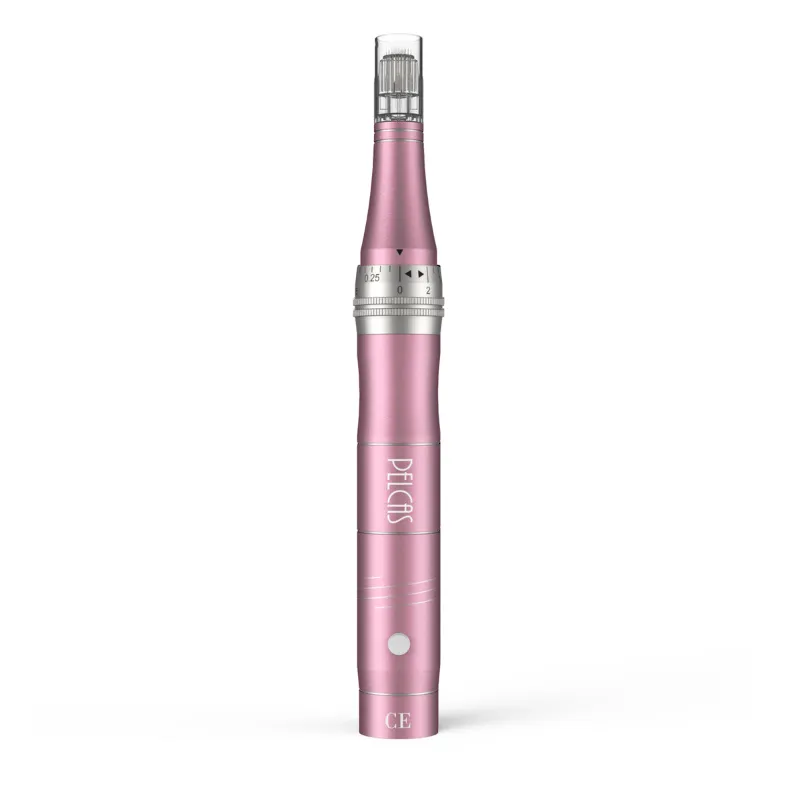
If you’re exploring skin exfoliation, you might also consider at-home options like a microneedling pen at home or a wireless microneedling pen, which work differently. Microneedling creates tiny controlled injuries to boost collagen, while dermaplaning physically removes dead skin and fine hair. Many people alternate between the two or use them for different skin concerns.
For pure peach fuzz removal and smooth skin prep, dermaplaning is faster. For addressing texture, scarring, or deeper skin concerns, microneedling is the better choice. An electric dermaplaning tool is also less intimidating than needling for first-timers.
| Factor | Electric Dermaplaning Tool | Manual Blades |
|---|---|---|
| Speed | Fast, covers area in one or two passes | Slower, requires multiple passes |
| Control | Consistent vibration, less user error | High user control, steep learning curve |
| Safety | Lower risk of nicks for beginners | Higher risk if technique slips |
| Portability | Needs charging, bulkier | Compact, always ready |
| Cost | Higher upfront | Lower entry cost |
Finding the Best Dermaplaning Tool for Your Skin
Beginners benefit most from an electric dermaplaning tool because the vibration does the heavy lifting. If you have sensitive skin, acne, or active inflammation, wait until your skin is calm before using either method. Byrdie’s roundup of the best dermaplaning tools of 2026 breaks down specific models by skin type and price point.
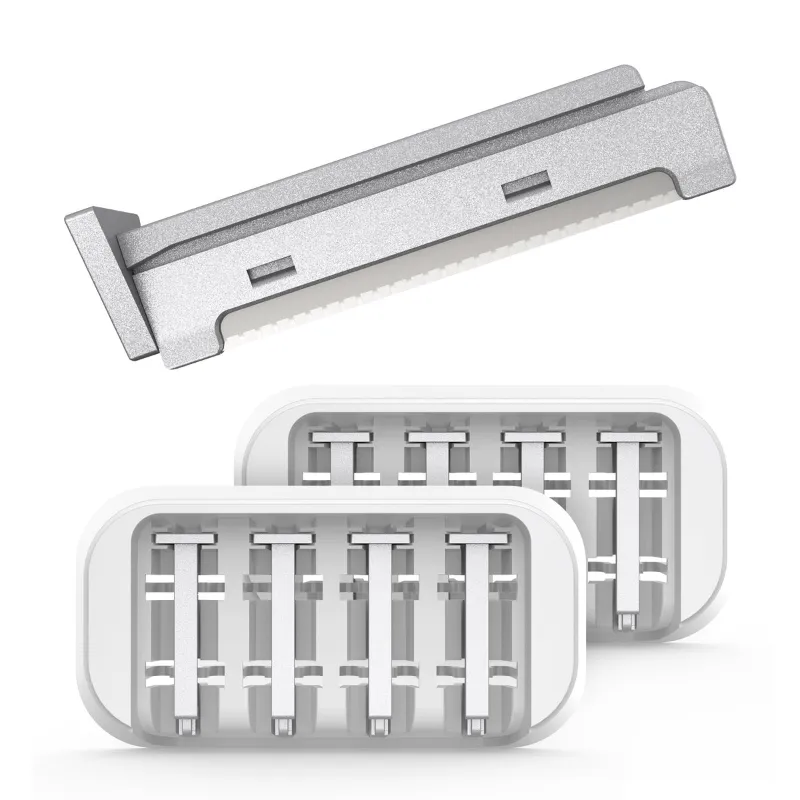
For professional-level results at home, look for tools with adjustable speed settings so you can start low and work your way up. High-quality dermaplaning blades matter too, whether you’re using electric or manual, because a dull blade tugs instead of gliding smoothly.
If you’re ready to invest in an electric option, grab the code to save 5% sitewide on tools and related products. Pair your dermaplaning routine with a solid post-treatment skincare plan to lock in results and keep your skin barrier healthy.
Who Should Choose Electric Over Manual
If you prioritize speed, consistency, and ease of use, an electric dermaplaning tool is worth the extra cost. If you have shaky hands, limited patience, or are doing this for the first time, electric takes the guesswork out. Professionals and enthusiasts with technique down might prefer manual for the control and portability.
Your skin type matters too. Sensitive, reactive, or compromised skin benefits from the gentler, more predictable motion of electric tools. If your skin is resilient and you’re comfortable with manual techniques, either method works. The real difference comes down to your comfort level and how much time you want to spend on the process.
Glamour’s guide to the best dermaplaning tools for gentle hair removal emphasizes that consistency and skin type are more important than price. Whether you go electric or manual, consistency beats intensity every time.
Questions
Can I use an electric dermaplaning tool if I have acne or active breakouts?
No, wait until your acne is fully healed. Using any dermaplaning tool, electric or manual, on active breakouts can spread bacteria and worsen inflammation. Once your skin is clear, electric tools are safer than manual blades because of their consistent, gentle motion.
How often should I use an electric dermaplaning tool?
Most people dermaplaning every 3 to 4 weeks, which is the time it takes for dead skin and fine hair to build back up. Using it too often can irritate your skin, while spacing it further apart means you're not maintaining smoothness.
Is an electric dermaplaning tool better than manual blades for peach fuzz removal?
Yes, for most people. Electric tools are faster, more consistent, and easier to control, making them less likely to cause nicks or irritation. Manual blades work well if you have advanced technique and steady hands, but electric removes the learning curve.
Can I combine dermaplaning with other treatments like microneedling?
It's best to space them out. Dermaplaning removes the top layer of skin, and microneedling creates micro-injuries to boost collagen. Doing both in the same week can over-stress your skin. Most experts recommend dermaplaning one week and microneedling the next, or sticking to one per week.
Do I need numbing cream before using an electric dermaplaning tool?
Most people don't, since electric dermaplaning is relatively painless compared to microneedling. If your skin is very sensitive or you're anxious, a gentle numbing option can help you relax during the treatment.
What's the best way to care for dermaplaning blades after use?
Rinse blades with warm water and mild soap immediately after use, then dry thoroughly to prevent rust or buildup. Replace blades every 2 to 3 months or when they start to feel dull. [Check the latest price and current offers](/pelcas-discount-code/) on replacement blades and tools.
Products in this guide
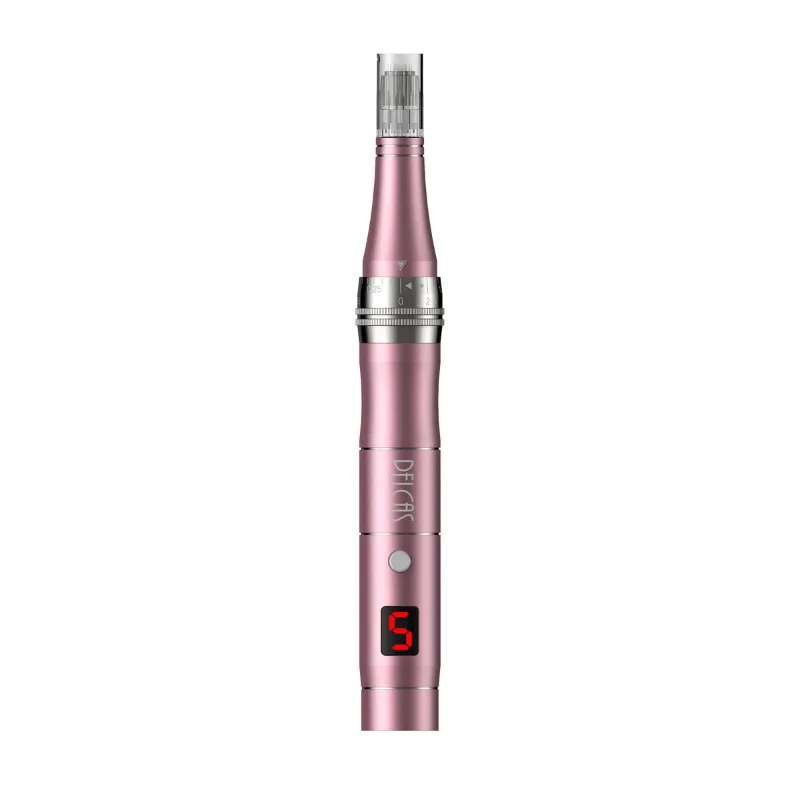 Shopping at Pelcas? See the discount code
5% OFF Sitewide
Shopping at Pelcas? See the discount code
5% OFF Sitewide
More in this series
How Often Should You Replace Microneedling Pen Needles and Refills?8 Sep 20264 minAirbrush Makeup Kit Maintenance: Cleaning and Preventing Clogging8 Sep 20265 minMicroneedling Pen Needle Depths Explained: Choosing the Right Size for Your Skin8 Sep 20265 min How to Choose the Best Cordless Nail Drill for At-Home Manicures8 Sep 20264 minHow to Use a Microneedling Pen at Home Safely and Effectively8 Sep 20265 min