 A Pelcas guide
Airbrush Makeup Kit Maintenance: Cleaning and Preventing Clogging
Keeping airbrush makeup systems clean and clog-free is essential for consistent, flawless results and equipment longevity.
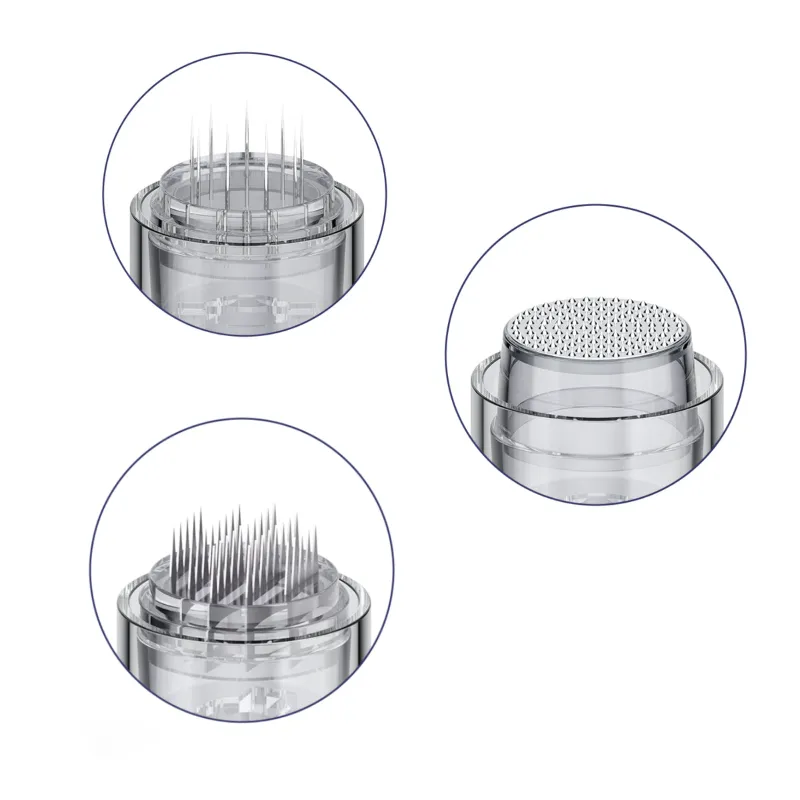
Keeping airbrush makeup systems clean and clog-free is essential for consistent, flawless results and equipment longevity. Whether you use professional airbrush cosmetics kits or invest in portable systems for personal use, regular maintenance prevents costly repairs and ensures your airbrush foundation spray applies smoothly every time.
Why Airbrush Makeup Systems Need Regular Cleaning
Airbrush makeup systems operate through precision spray mechanisms that can clog when product buildup dries inside the nozzle, needle, or air channels. Even small amounts of dried foundation or powder create blockages that disrupt spray patterns and reduce coverage quality. Regular cleaning prevents this damage and keeps your equipment performing like new.
Neglecting maintenance also shortens the lifespan of expensive components. When residue hardens, it can scratch the needle or warp the nozzle, requiring expensive replacement parts or full system replacement. A few minutes of cleaning after each use costs nothing compared to professional repair or buying a new airbrush makeup kit.
Daily Cleaning: The Essential Routine
The best professional airbrush makeup kits come with cleaning supplies, but even basic systems benefit from a consistent daily protocol. Clean your airbrush immediately after use, before product dries inside.
- Empty the cup or reservoir completely and wipe the interior with a damp cloth or cosmetic sponge
- Fill the cup halfway with warm distilled water and spray into a waste container for 10-15 seconds to flush internal channels
- Repeat with fresh water until the spray runs clear with no color
- Use a small, soft brush (often included) to gently clean the nozzle tip without touching the needle
- Soak the needle in warm water for 2-3 minutes if you notice resistance during application
- Pat all external parts dry with a lint-free cloth
Never use hot water, as extreme temperature can warp plastic components on cordless or battery-operated systems. Room-temperature or warm distilled water is safest for all airbrush makeup systems.
Weekly Deep Cleaning for Clogging Prevention
Once a week, perform a more thorough cleaning to remove stubborn buildup in hard-to-reach areas.
- Disassemble removable parts: the cup, nozzle cap, and air cap (consult your manual for proper disassembly)
- Soak these parts in warm distilled water with a drop of airbrush cleaner or specialized makeup brush cleanser for 15-20 minutes
- Use a soft-bristled toothbrush to gently scrub the nozzle and cup ridges
- Rinse thoroughly under running water and pat dry
- For the needle, soak it separately in cleaner and wipe gently with a soft cloth; never scrub or use abrasive materials
- Reassemble once all parts are completely dry to prevent water droplets from entering the airbrush mechanism
Store cleaned components in a dust-free area or sealed container to prevent contamination before reassembly.
Product Compatibility and Clogging Prevention
The type of airbrush foundation spray you use directly affects clogging risk. Heavy, thick formulas or powders designed for traditional application can clog finer nozzles on portable or professional airbrush makeup systems. When shopping for products, match viscosity to your equipment:
| Product Type | Best For | Risk Factor |
|---|---|---|
| Airbrush-specific foundation | All airbrush systems | Low |
| Lightweight liquid makeup | Most airbrush kits | Low |
| Powder or thick cream | Professional systems only | High |
| Mixing mediums | Thinning other products | Low when used correctly |
Always use distilled water as your thinning medium, never tap water or other liquids. Tap water contains minerals that build up inside airbrush makeup systems and cause clogs over time. Airbrush-specific products are formulated to flow smoothly and minimize residue, so they’re worth the investment for frequent users.
Storage Tips to Prevent Clogging
How you store your airbrush makeup kit between uses matters as much as daily cleaning. Improper storage allows moisture to accumulate or product to harden, both of which cause clogs.
- Store the assembled airbrush upright in a cool, dry place away from direct sunlight
- Keep the needle protected with the air cap in place to prevent dust or debris from settling on it
- Never store the airbrush with liquid in the cup or reservoir; always empty and dry completely
- Use a protective case for professional airbrush makeup kits to prevent physical damage that could misalign internal components
- If you won’t use your airbrush for more than a week, run distilled water through the system one more time before storage
For best professional airbrush makeup kits with sealed storage compartments, check that all caps and covers fit securely. Loose-fitting components allow air to enter and dry out any remaining moisture inside.
When to Replace Parts and Seek Professional Maintenance
Even with perfect cleaning habits, certain parts wear out and need replacement. Needles gradually become dull or develop micro-scratches that affect spray pattern, nozzles wear from repeated use, and seals dry out over time.
If you notice any of these issues, replacement is more cost-effective than attempting repair:
- Uneven spray pattern despite thorough cleaning
- Sputtering or hesitation during application
- Air leaking from seams during operation
- Visible cracks or warping on plastic components
Visit the manufacturer’s website or check the latest price at authorized retailers to find replacement parts specific to your model. Many professional systems offer affordable spare parts kits that include needles, nozzles, and seals. Grab the code to get 5% off sitewide when you purchase replacement parts or a new airbrush cosmetics kit.
Troubleshooting Common Clogging Issues
If your airbrush makeup systems are already clogging despite regular cleaning, targeted troubleshooting can restore performance.
- Partial clog (weak spray): Soak the needle and nozzle in cleaner for 30 minutes, then gently use a soft brush on the nozzle tip
- Complete clog (no spray): Disassemble completely, soak all components for 1-2 hours, and manually clear the nozzle opening with a soft cloth (never use metal picks or pointed tools)
- Buildup on the needle: Run distilled water through the system for 30 seconds, then soak the needle separately and wipe gently
- Dried product in the cup: Fill with cleaner and let sit for 20 minutes before scrubbing with a soft brush
For persistent clogs on expensive equipment, consult the manufacturer’s support team or visit a professional repair service rather than risk damaging internal components.
Expert Resources and Further Learning
To deepen your understanding of airbrush maintenance, explore resources from industry leaders. Byrdie’s guide to the best airbrush makeup kits includes maintenance notes for top-rated systems, and Airbrush Makeup Kits comparison breaks down cleaning requirements by model type. Luminess offers detailed foundation spray guides that cover product compatibility with different airbrush systems.
Proper maintenance transforms your airbrush makeup systems from a finicky tool into a reliable workhorse that delivers professional results every single time. Commit to daily rinsing, weekly deep cleaning, and using compatible products, and your equipment will last years longer than systems that receive only occasional care.
Questions
How often should I clean my airbrush makeup systems?
Clean your airbrush immediately after every use by rinsing with distilled water until the spray runs clear. Perform a deeper weekly soak and disassembly to remove stubborn buildup that can cause clogging over time.
What's the best way to prevent clogs in airbrush cosmetics kits?
Use airbrush-specific products, thin with distilled water only, and never let product dry inside the cup or channels. Empty and rinse completely after each application to stop residue from hardening.
Can I use tap water to clean my airbrush makeup kit?
No. Tap water contains minerals that build up inside the system and cause clogs. Always use distilled water for rinsing and as your thinning medium to keep airbrush makeup systems clog-free.
Why is my airbrush foundation spray coming out unevenly?
Uneven spray usually signals partial clogging in the nozzle or needle. Soak these parts in airbrush cleaner for 30 minutes, then gently brush the nozzle tip with a soft brush. If the problem persists, the needle may need replacement.
How do I store airbrush makeup systems to prevent clogging?
Store your airbrush upright, completely dry, with the air cap on to protect the needle. Keep it in a cool, dust-free area and never leave liquid in the cup. For extended storage, run distilled water through the system one final time.
What products work best with airbrush makeup systems?
Airbrush-specific foundations and lightweight liquid makeups designed for spray application minimize clogging risk. Avoid thick creams or powders unless your equipment is rated for professional-grade products.
Products in this guide
Shopping at Pelcas? See the discount code
5% OFF Sitewide
More in this series
 How Often Should You Replace Microneedling Pen Needles and Refills?8 Sep 20264 minDoes Dermaplaning with an Electric Tool Actually Work Better Than Manual Blades?8 Sep 20264 minMicroneedling Pen Needle Depths Explained: Choosing the Right Size for Your Skin8 Sep 20265 min
 How to Choose the Best Cordless Nail Drill for At-Home Manicures8 Sep 20264 minHow to Use a Microneedling Pen at Home Safely and Effectively8 Sep 20265 min