 A Pelcas guide
Microneedling Pen Needle Depths Explained: Choosing the Right Size for Your Skin
Needle depth is the most critical factor when choosing a microneedling pen at home, as the wrong size can damage skin or waste your time.
Understanding Microneedling Pen Needle Depths
Needle depth is the most critical factor when choosing a microneedling pen at home. The depth you choose determines how far needles penetrate your skin, which directly impacts results and safety. Most home-use devices range from 0.5mm to 2.5mm, and getting this wrong can either damage your skin or leave you wondering why your device isn’t working.
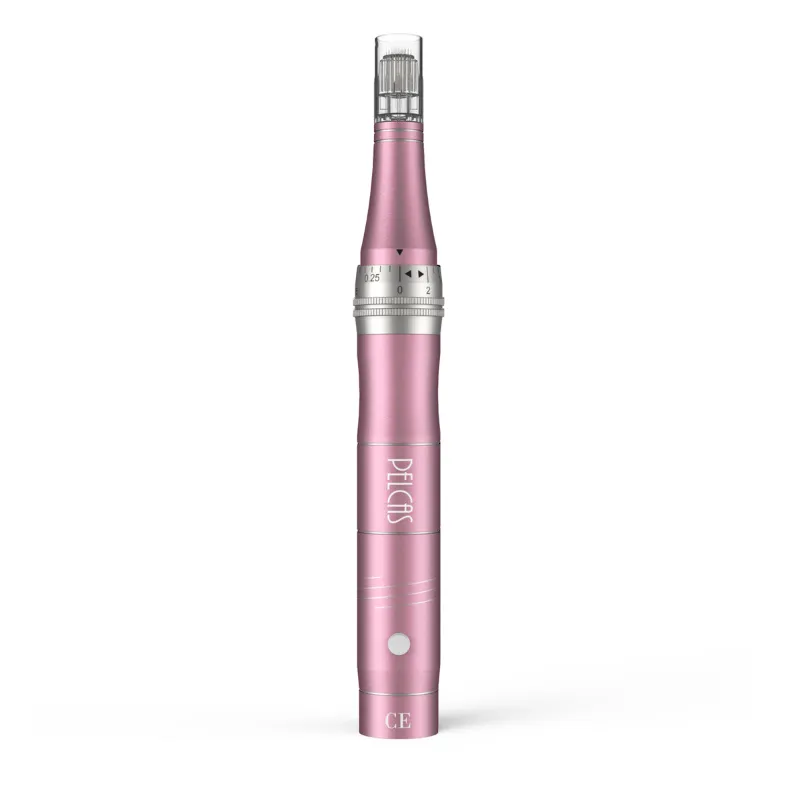
Unlike professional-grade equipment used in clinics, at-home models operate at shallower depths by design. This limits potential harm but also means you need to pick the right depth for your specific skin concerns. Understanding the relationship between needle size and skin outcome helps you make an informed choice between options like the microneedling pen at home and wireless microneedling pen variants on the market.
Needle Depth Ranges and What They Treat
Different depths target different skin issues. Here’s the breakdown:
| Depth | Best For | Skin Type |
|---|---|---|
| 0.5mm – 0.75mm | Fine lines, texture, dullness | Sensitive, thin skin |
| 1.0mm – 1.5mm | Acne scars, moderate aging, hyperpigmentation | Most skin types |
| 1.5mm – 2.0mm | Deep scars, severe aging, stretch marks | Thicker, resilient skin |
| 2.0mm – 2.5mm | Professional treatments, severe scarring | Resilient skin only; rare for home use |
Shallow depths (0.5mm to 0.75mm) work on the epidermis, the skin’s outermost layer. They boost collagen production gently, improve texture, and help serums absorb better. These are ideal if you have sensitive skin or want to start slow.
Mid-range depths (1.0mm to 1.5mm) reach the dermis, where collagen and elastin live. This is where most at-home results happen. Acne scars, sun damage, and moderate wrinkles respond well at this depth.
Deeper depths (1.5mm to 2.5mm) reach deeper dermal layers. They’re powerful for severe scarring and stretch marks, but carry higher bruising and downtime risks. Most home-use devices stay below 2.0mm for safety.
Choosing the Right Depth for Your Skin Concerns
Your specific goals should drive your depth choice. If you’re targeting fine lines and general skin refreshment, start with 0.5mm to 1.0mm. If you’re treating acne scars or deeper wrinkles, aim for 1.0mm to 1.5mm. Those with severe scarring or advanced aging may benefit from a best at home microneedling pen capable of 1.5mm to 2.0mm, though professional guidance is worth considering at this depth.
Sensitive skin types including those prone to redness, rosacea, or active breakouts should never exceed 0.75mm. Thicker, resilient skin without active inflammation can typically handle 1.0mm to 1.5mm comfortably.
Start with the shallower end of your target range. You can always increase depth on subsequent treatments, but overshooting leads to unnecessary bruising and recovery time. Most dermatologists recommend spacing treatments 3 to 4 weeks apart, which gives your skin time to respond and rebuild before deeper work.
How Needle Depth Affects Healing and Results
Shallower depths heal faster. At 0.5mm, you may see minimal redness and be back to normal the next day. At 1.0mm to 1.5mm, expect light bruising or redness for 24 to 48 hours. Depths above 1.5mm typically require 2 to 3 days of visible recovery.
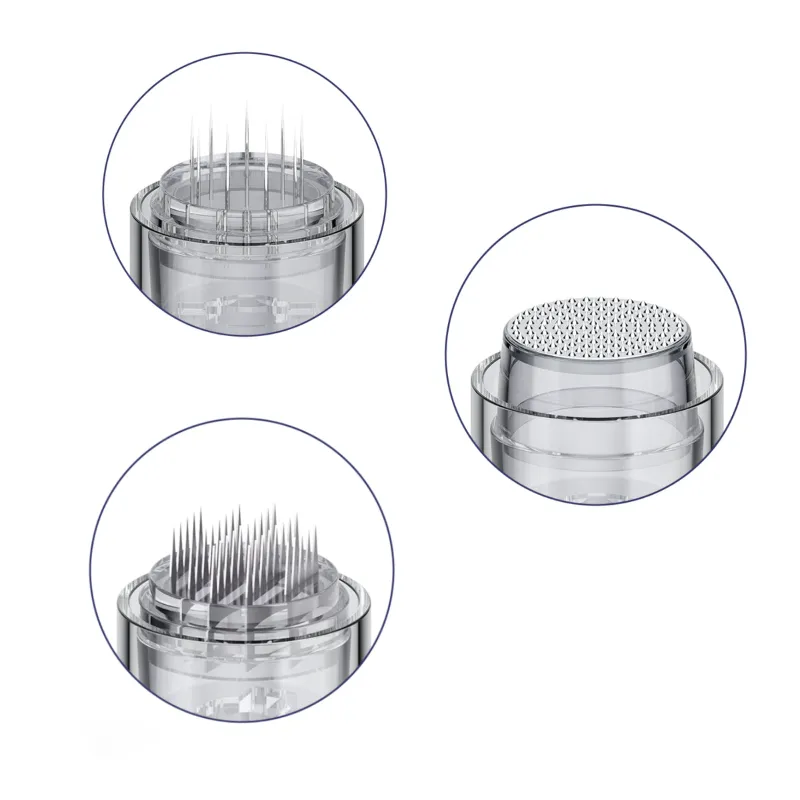
Deeper penetration triggers stronger collagen induction, which is why some people chase higher millimeter numbers. However, depth alone doesn’t guarantee better results. Consistency, proper aftercare, and using compatible serums matter equally. Pairing a wireless microneedling pen with blt numbing cream packets for microneedling helps you stay comfortable during treatment and maintain a regular schedule.
Results also depend on how often you treat. Shallow depths can be used weekly or biweekly, while mid-range depths work best every 3 to 4 weeks. Going too deep too often disrupts your skin barrier and slows healing.
Comparing Professional vs. At-Home Needle Depths
Professional microneedling pens in medical offices often go deeper than consumer versions, sometimes reaching 3.0mm or beyond. Dermatologists use higher depths because they’re trained in technique, can assess skin in real time, and manage complications if they arise. At-home devices intentionally cap depth to reduce risk.
The trade-off is predictable and manageable. A professional treatment at 2.5mm might deliver faster results in fewer sessions, but an at-home best at home microneedling pen at 1.5mm, used consistently every 3 to 4 weeks over several months, produces comparable improvement for mild to moderate concerns. Many users prefer this slower, safer approach, especially those new to microneedling.
For perspective, Vogue’s guide to at-home microneedling emphasizes that home users should stick to 0.5mm to 1.5mm depths for safety. Professional settings reserve deeper penetration for trained practitioners with sterile, clinical-grade equipment.
Safety Tips for Needle Depth at Home
Never assume deeper is better. Depths above 1.5mm at home risk infection, scarring, and prolonged inflammation. Your skin barrier is your first line of defense; go too deep too often and you compromise it.
Always sanitize your device before each use. Depths at 1.0mm and above create micro-channels; contamination increases infection risk significantly. Most modern pens include sterilization guides.
Use numbing cream before treatment, especially if you’re working at depths above 1.0mm. BLT numbing cream packets for microneedling are designed for this exact purpose and help you stay still during treatment, which improves results and safety.
Apply a barrier serum or moisturizer immediately after treatment. Your skin is temporarily more permeable, so ingredients penetrate deeper. Use gentle, fragrance-free products for at least 48 hours post-treatment.
Avoid sun exposure for at least 48 hours. UV damage to freshly micro-channeled skin can trigger hyperpigmentation or extend inflammation unnecessarily.
If you’re on retinoids, vitamin C serums, or other active ingredients, pause for 24 to 48 hours before and after treatment. Combining microneedling with actives can over-irritate skin.
Getting Started With the Right Device
Picking a device matters as much as picking a depth. Look for adjustable depth settings so you can start shallow and progress safely. Check the latest price on our recommended options and grab the code for 5% off your order.
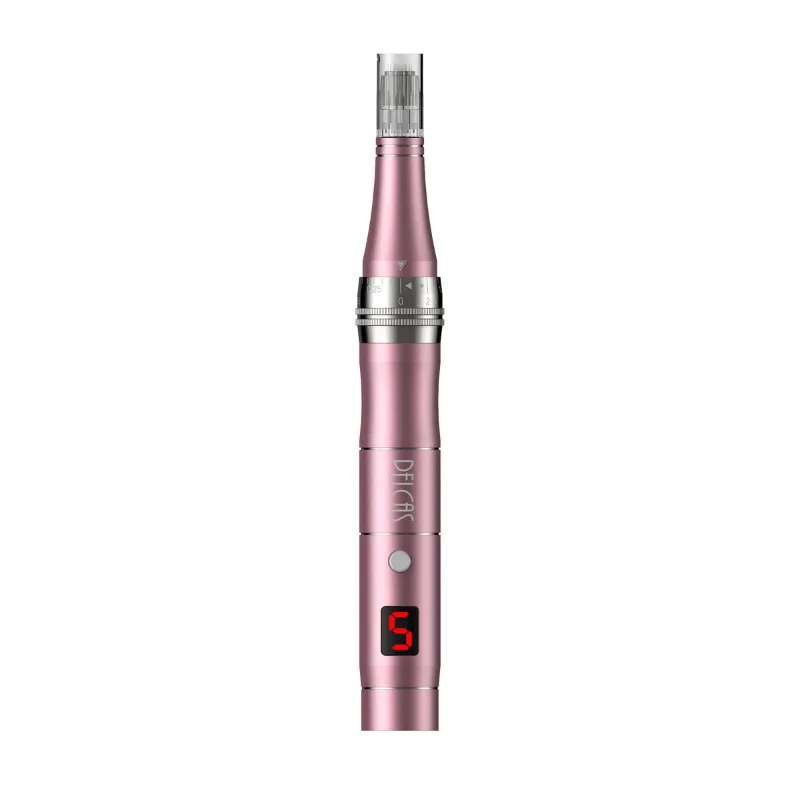
Devices like the microneedling pen at home and at home microneedling pen offer multiple depth options, letting you customize your experience. Some users appreciate the simplicity of a fixed depth, but adjustable devices work better if you’re targeting multiple concerns or have variable skin sensitivity.
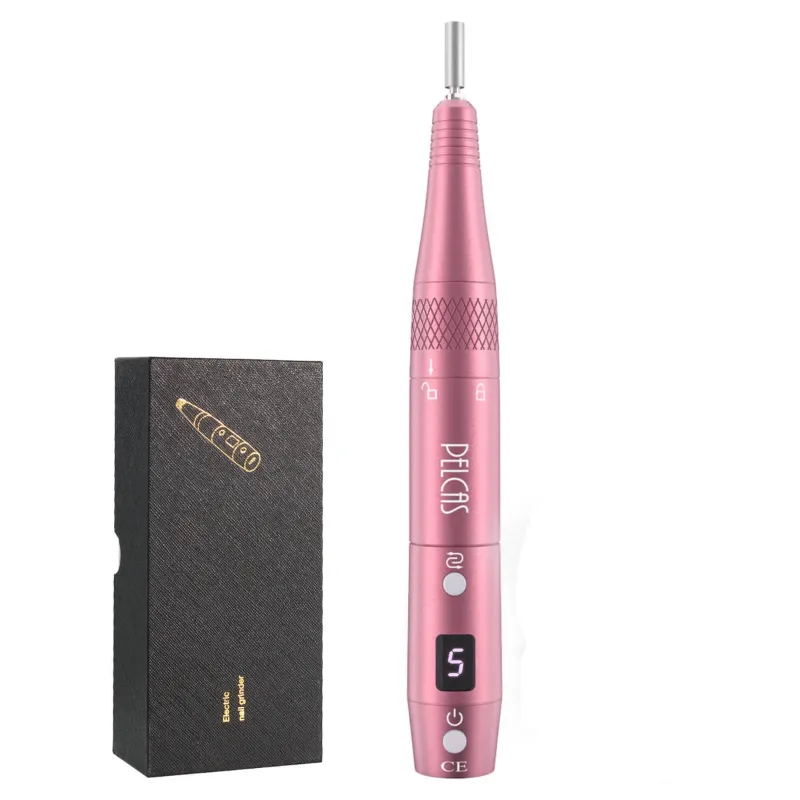
Battery life and needle quality also matter. A cordless nail drill or wireless microneedling pen gives you freedom of movement and consistent performance. Quality stainless steel needles stay sharp longer and create cleaner micro-channels than cheaper alternatives.
For best results, read real reviews from actual users. Reddit communities dedicated to skincare often discuss microneedling pen at home experiences honestly, including which depths worked and which felt too aggressive. Starting with a reputable brand at a moderate depth beats experimenting with an unknown device at maximum setting.
Questions
What is the best needle depth for a microneedling pen at home if I have never done this before?
Start at 0.5mm to 0.75mm for your first 2 to 3 treatments. This shallow depth builds tolerance, lets you see how your skin responds, and minimizes bruising and downtime. Once you're comfortable, you can gradually increase depth every few sessions if your skin shows no sensitivity.
Can I use a microneedling pen at home at 2.0mm depth safely?
Depths at 2.0mm and above carry higher risks of infection, scarring, and prolonged inflammation when used at home without professional guidance. Most dermatologists recommend staying between 0.5mm and 1.5mm for safe at-home use. If you have severe scarring, consulting a professional may be a better choice.
How often should I use my microneedling pen at different needle depths?
Shallow depths (0.5mm to 0.75mm) can be used weekly or biweekly. Mid-range depths (1.0mm to 1.5mm) work best every 3 to 4 weeks to allow proper healing and collagen remodeling. Spacing treatments gives your skin time to rebuild and prevents barrier damage.
Do I need numbing cream for a specific needle depth when using a microneedling pen at home?
Numbing cream helps at any depth, but it becomes important at 1.0mm and above. [BLT numbing cream packets for microneedling](/go/p/8344) are designed for this purpose and allow you to stay still during treatment, which improves results and comfort without compromising effectiveness.
What is the difference between professional microneedling and at-home microneedling pen needle depths?
Professional devices reach 2.5mm to 3.0mm or deeper, while at-home pens typically cap at 0.5mm to 2.0mm for safety. Professionals have training, sterile environments, and can manage complications. At-home depths are shallower but still deliver results over time with consistent use.
Can needle depth alone determine my microneedling results?
No. Depth is important, but consistency, proper aftercare, and compatible serums matter equally. Using the right depth inconsistently delivers weaker results than using a moderate depth regularly. Pairing your device with quality numbing cream and barrier serums maximizes outcome.
Products in this guide
 Shopping at Pelcas? See the discount code
5% OFF Sitewide
Shopping at Pelcas? See the discount code
5% OFF Sitewide
More in this series
How Often Should You Replace Microneedling Pen Needles and Refills?8 Sep 20264 minAirbrush Makeup Kit Maintenance: Cleaning and Preventing Clogging8 Sep 20265 minDoes Dermaplaning with an Electric Tool Actually Work Better Than Manual Blades?8 Sep 20264 minHow to Choose the Best Cordless Nail Drill for At-Home Manicures8 Sep 20264 minHow to Use a Microneedling Pen at Home Safely and Effectively8 Sep 20265 min