 A UltraFire guide
UltraFire Pistol Light Installation Guide for Glock and Picatinny Rails
A pistol light transforms your handgun's low-light capability when mounted correctly on Glock or Picatinny rails.
A pistol light transforms your handgun’s low-light capability when mounted correctly on Glock or Picatinny rails. Most modern tactical lights attach via a universal rail system, but the installation process varies slightly depending on your firearm’s mounting interface.
Understanding Glock vs Picatinny Rail Systems
Glock pistols use a proprietary accessory rail that differs from the MIL-STD-1913 Picatinny standard. Glock rails feature wider slot spacing and a slightly different profile, which means your light’s mounting adapter must match your specific rail type. Picatinny rails, found on many full-size and competition handguns, offer more universal compatibility with weapon-mounted lights designed to military specifications.
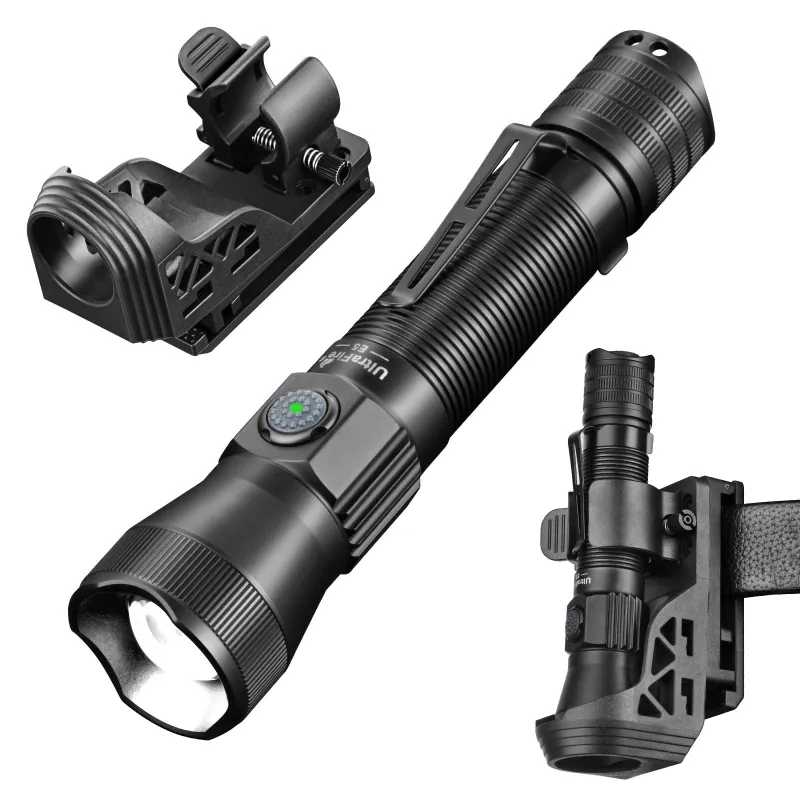
Most quality tactical lights ship with interchangeable rail keys or adapters. Before you begin installation, identify your rail type by measuring the slot width. Glock rails typically measure 0.15 inches between cross-slots, while Picatinny rails use 0.206-inch spacing. The UltraFire tactical flashlight includes both adapter types in the box, so you can switch between firearms without buying separate mounts.
Step-by-Step Pistol Light Installation
Start by ensuring your firearm is completely unloaded and the magazine is removed. Point the muzzle in a safe direction throughout the installation process.
For Glock Rails:
- Select the Glock-specific rail key from your light’s accessory kit
- Slide the rail key into the light’s mounting clamp until it clicks
- Loosen the clamp’s cross-bolt or lever mechanism completely
- Align the light’s rail key with the forward-most slot on your Glock’s dust cover
- Slide the assembly rearward until it seats firmly against the trigger guard
- Tighten the mounting bolt in quarter-turn increments, alternating sides if dual-bolt
- Test for lateral movement by pushing the light left and right
For Picatinny Rails:
- Install the Picatinny rail key (usually marked “1913” or “MIL-STD”)
- Open the mounting clamp fully by backing out the tightening mechanism
- Position the light so the clamp jaws straddle one full rail slot
- Press down firmly while beginning to tighten the bolt
- Ensure the cross-bolt engages the rail slot completely before final tightening
- Torque to hand-tight plus one-quarter turn (avoid over-tightening, which can crack polymer frames)
Your light should sit tight with zero wobble. If you notice any play, remove the assembly and verify the rail key is fully seated. Check current pricing and grab our discount code before you order additional mounting hardware.
Choosing the Right Battery for Your Setup
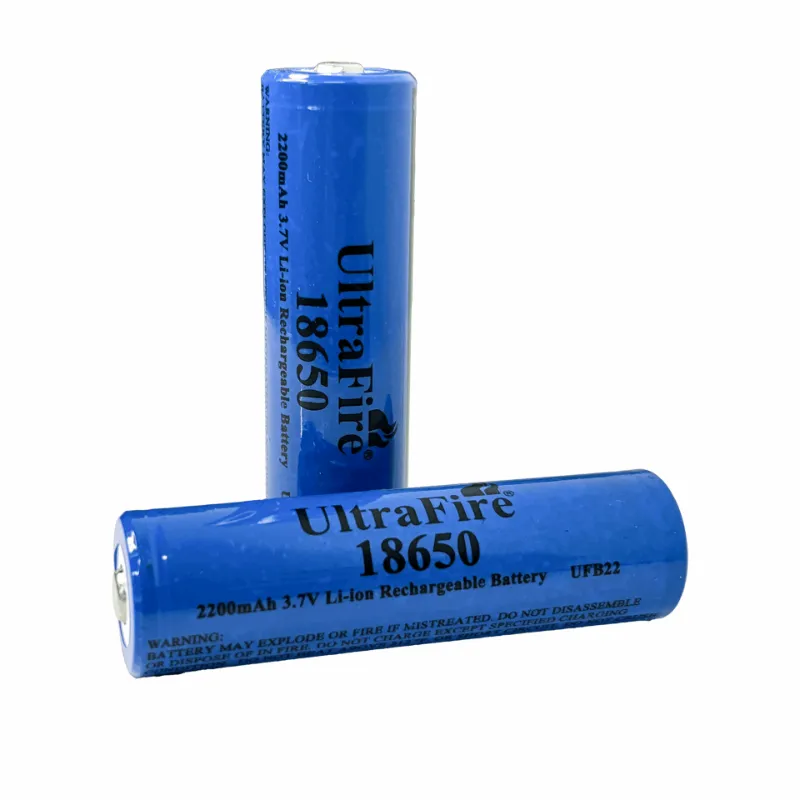
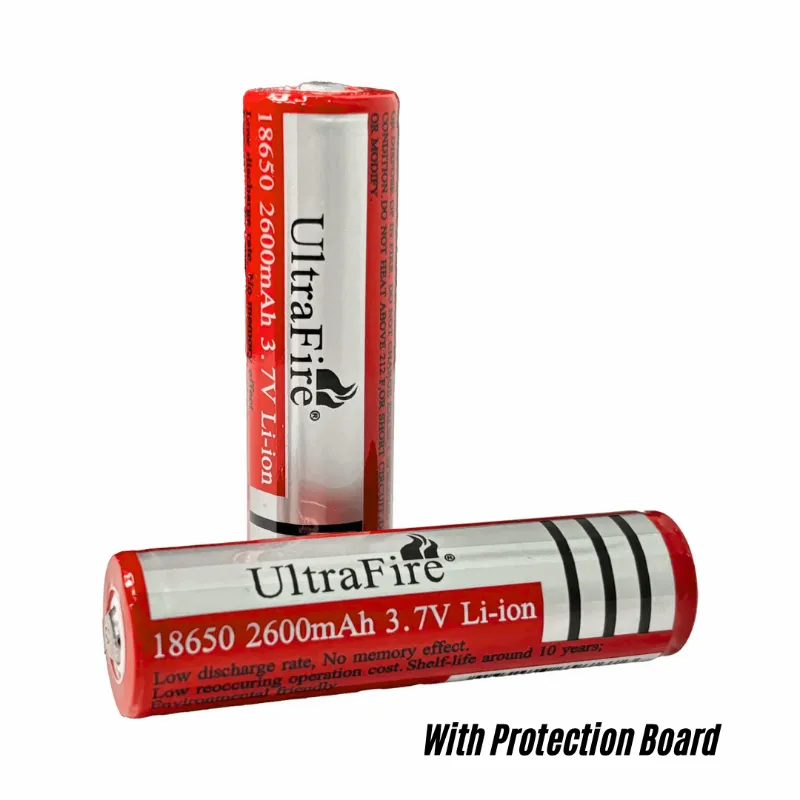
UltraFire tactical lights accept multiple battery formats, and your choice affects both runtime and output. The battery rechargeable 18650 delivers the longest runtime in a pistol-mounted configuration, typically providing 90 to 120 minutes of continuous illumination at full power. These 3.7-volt lithium cells offer the best balance of capacity and size for defensive use.
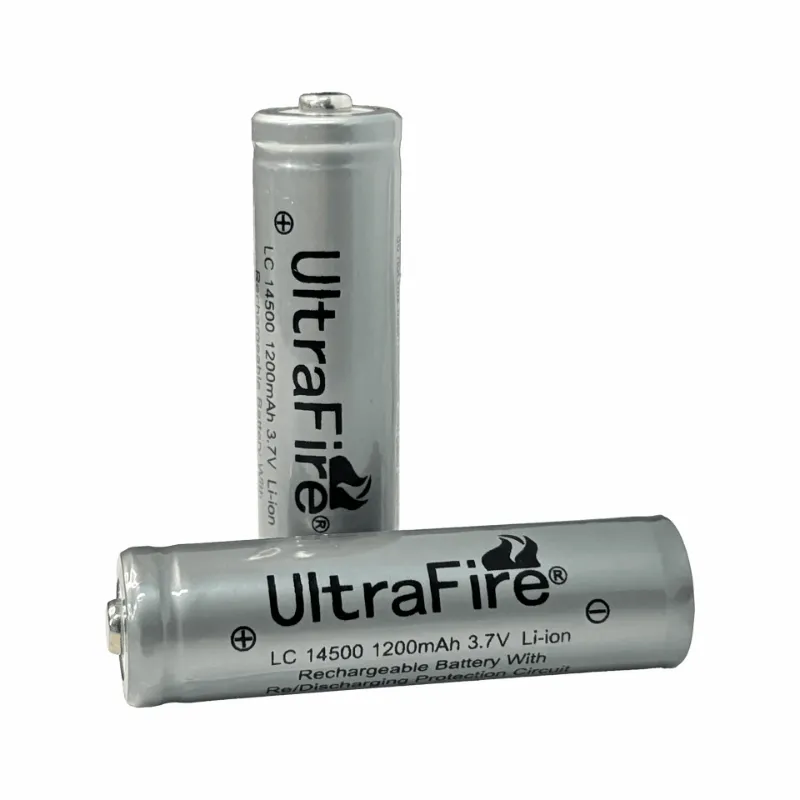
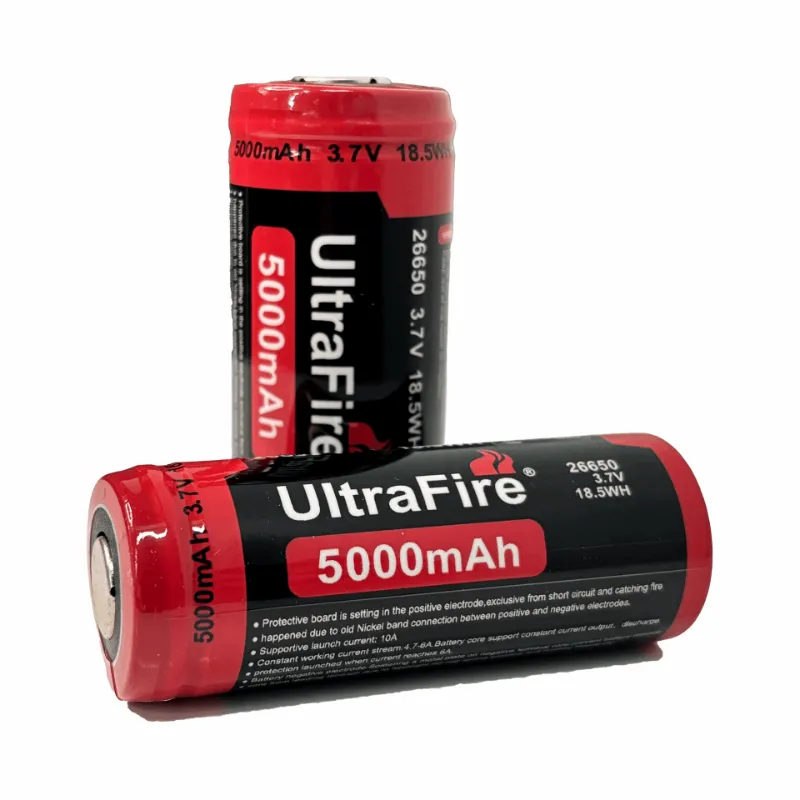
If your light accepts shorter cells, the 14500 battery fits the same diameter but measures only 50mm long compared to the 18650’s 65mm length. Some compact pistol lights use this format to reduce weight and profile. For maximum output in larger frames, the 26650 battery provides even greater capacity, though few pistol lights accommodate this wider cell.
We recommend keeping at least one spare 3.7v lithium battery in your range bag. Rechargeable cells lose approximately 1 to 2 percent of their charge per month when stored, so top them off before training sessions or defensive carry rotations.
Zeroing and Alignment After Installation
Once mounted, verify your light’s beam axis aligns with your bore. Stand 10 feet from a blank wall in a dark room and activate the light. The hotspot (brightest center area) should land directly below your sight picture when aiming at the same point. Minor misalignment is common and usually acceptable for defensive distances, but significant cant indicates improper rail key seating.
Most pistol lights designed for serious use feature ambidextrous activation switches. Test both paddles or buttons to confirm positive engagement without shifting your firing grip. The switch should require deliberate pressure to avoid accidental activation during holstering or movement.
If your light includes a strobe or momentary mode, practice mode transitions at the range before carrying the setup defensively. Muscle memory matters when stress narrows your focus. For additional guidance on selecting quality weapon lights, our friends at Top Firearm Reviews offer detailed testing by a CCW instructor.
Specialty Light Options for Tactical Applications
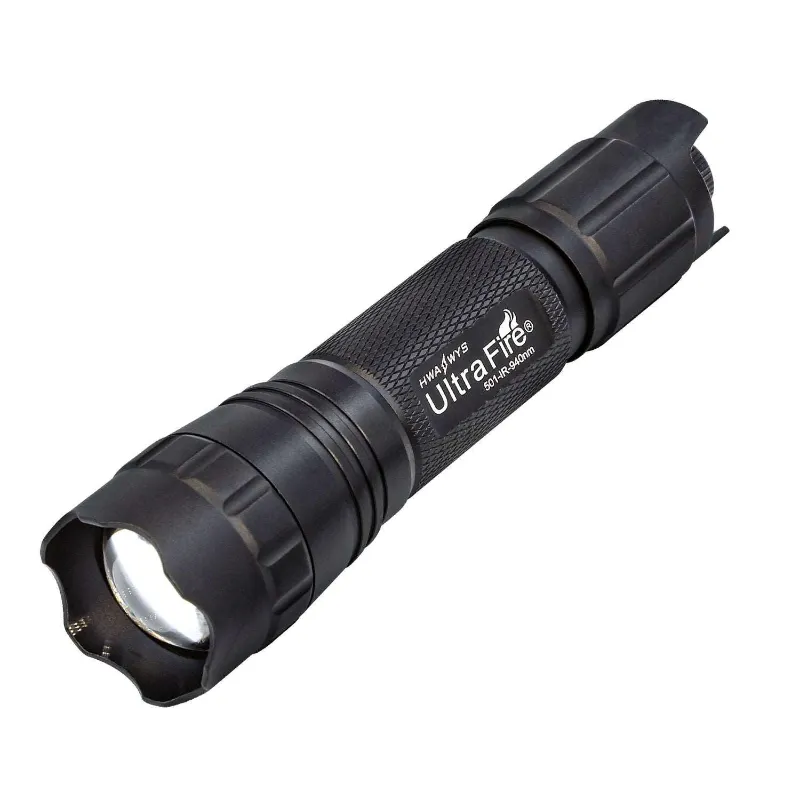
Beyond white-light models, UltraFire offers specialized illumination for niche applications. The ir flashlight operates in the infrared spectrum, invisible to the naked eye but compatible with night-vision devices. Law enforcement and military users pair IR illuminators with NVGs for covert target identification.
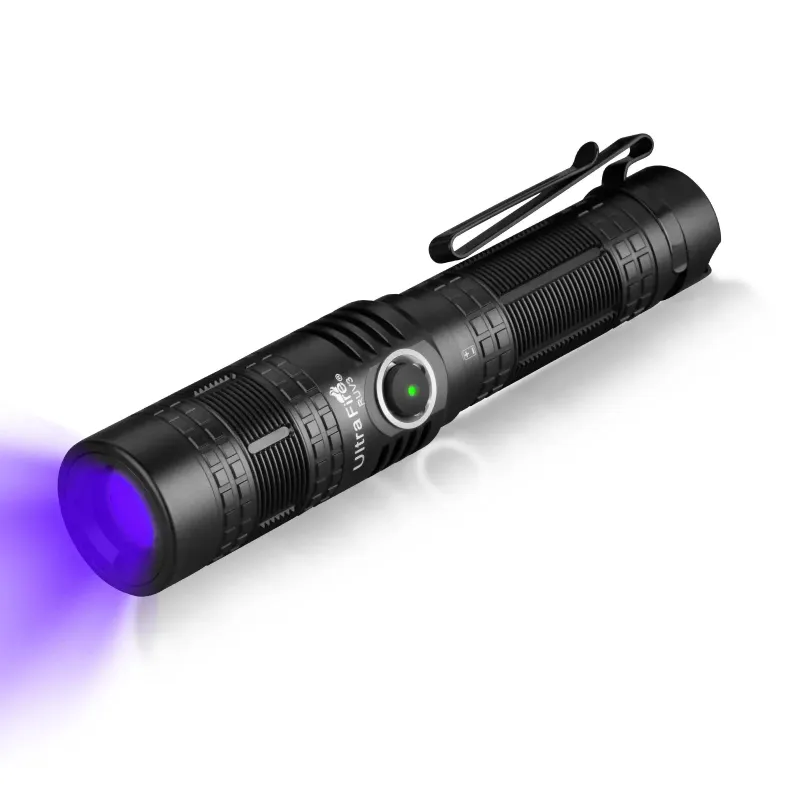
For forensic or detection work, the 365nm uv flashlight reveals biological fluids and certain chemicals that fluoresce under ultraviolet light. While not a defensive tool, this uv light serves investigators and cleaning verification applications. The black light flashlight works similarly for currency verification and leak detection in automotive or HVAC contexts.
Some operators mount a laser flashlight alongside their white-light source for rapid target designation. Visible lasers work in daylight when your iron sights are obscured by barriers or awkward shooting positions. Dual-mount setups require careful rail space management on compact pistols.
Maintenance and Holster Considerations
Weapon-light setups require dedicated holsters designed to accommodate the added bulk and length. Generic inside-the-waistband holsters will not retain a light-bearing pistol safely. Measure your light’s bezel diameter and overall length when shopping for compatible kydex or leather holsters.
Check mounting tightness every 200 to 300 rounds. Recoil and vibration can loosen cross-bolts over time, especially on polymer-frame pistols. Carry a small hex key or screwdriver in your range kit for field adjustments. Clean the rail slots and mounting surfaces every time you detail-strip your handgun, removing carbon residue and thread-locker debris that can prevent proper seating.
Store pistols with lights attached in a horizontal or muzzle-down position to prevent battery contact corrosion. Remove batteries if storing for more than 60 days. Visit our UltraFire discount code page to save on replacement batteries and backup lights for your training rotation.
Your pistol light installation is complete when the unit passes a 50-round live-fire test without shifting or loosening. Verify zero after this break-in period, then document your configuration with photos for future reference when swapping between multiple firearms or light models.
Questions
Can I use the same pistol light on both Glock and Picatinny rails?
Yes, if your light includes interchangeable rail keys or adapters. Most quality tactical lights ship with both Glock and Picatinny mounting hardware, allowing you to swap the adapter when changing firearms.
How tight should I torque the mounting bolt on a pistol light?
Tighten to hand-tight plus one-quarter turn using the provided tool. Over-tightening can crack polymer frames, while under-tightening allows the light to shift under recoil.
What battery lasts longest in a weapon-mounted light?
The 18650 rechargeable lithium battery delivers 90 to 120 minutes of continuous runtime in most pistol lights. It offers the best balance of capacity, size, and output for defensive applications.
Do I need a special holster for a light-bearing pistol?
Yes, you must use a holster specifically designed to accommodate your pistol model and the exact light attached. Generic holsters will not retain a weapon-light setup safely.
How often should I check my pistol light mounting tightness?
Inspect and re-tighten the mounting hardware every 200 to 300 rounds. Recoil gradually loosens cross-bolts, especially on polymer-frame handguns.
Can I mount an IR flashlight on a Glock for night vision use?
Yes, infrared flashlights mount the same way as white-light models using the appropriate rail adapter. IR illuminators pair with night-vision devices for covert target identification.
Products in this guide
 Shopping at UltraFire? See the discount code
4% OFF All Orders
Shopping at UltraFire? See the discount code
4% OFF All Orders
More in this series
What to Know Before Buying an IR Flashlight for Night Vision14 Aug 20264 minDo Rechargeable 18650 Batteries Lose Capacity Over Time?14 Aug 20265 minUltraFire UV Flashlight: 365nm vs 395nm for Pet Stain Detection14 Aug 20264 minHow to Choose the Right 18650 Battery for Your UltraFire Tactical Flashlight14 Aug 20264 min