 A UltraFire guide
Do Rechargeable 18650 Batteries Lose Capacity Over Time?
Battery rechargeable 18650 cells do lose capacity over time through charge cycles and aging, but understanding the science helps you maximize their useful life.
Yes, every battery rechargeable 18650 loses capacity over time through repeated charge-discharge cycles and calendar aging, even when stored unused. Lithium-ion chemistry degrades gradually as the electrolyte breaks down and internal resistance increases, reducing both runtime and voltage output. Most quality cells retain 80% capacity after 300-500 full cycles, though proper charging habits and storage conditions dramatically slow the decline.
How 3.7v Rechargeable Battery 18650 Cells Degrade
Lithium-ion degradation happens through two distinct mechanisms that work simultaneously.
Cycle degradation occurs each time you charge and discharge the cell. During charging, lithium ions move from the cathode to the anode through the electrolyte; discharging reverses the flow. Each cycle causes microscopic structural changes to the electrode materials and forms a thicker solid-electrolyte interface (SEI) layer that increases internal resistance. Deep discharges below 2.5V and charging above 4.2V accelerate this wear significantly.
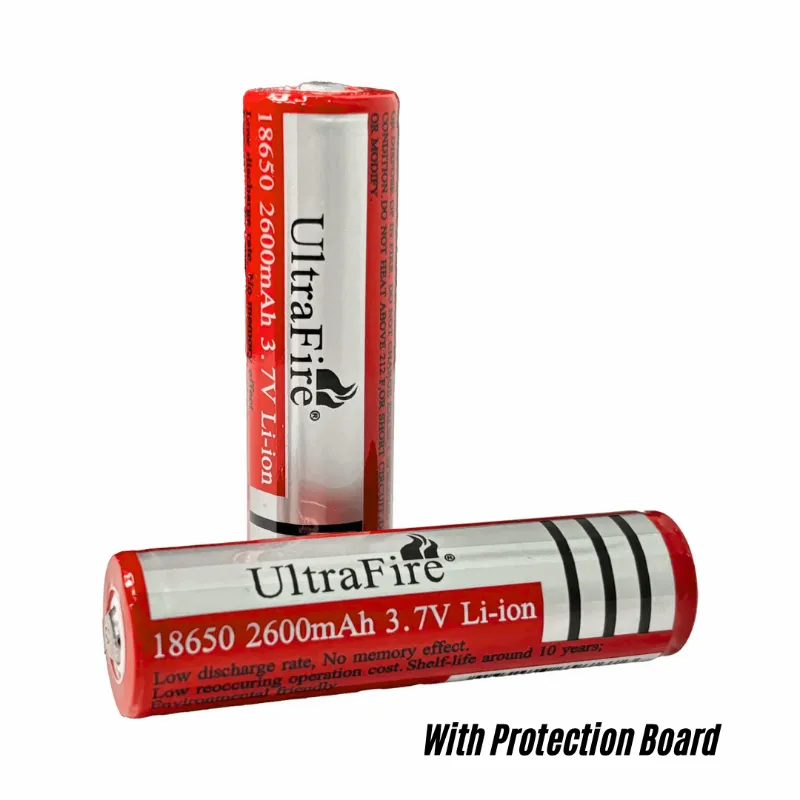
Calendar aging happens whether you use the cell or not. Chemical reactions slowly consume the electrolyte and degrade the cathode material, especially at elevated temperatures. A 3.7v lithium battery stored at 100% charge and 40°C (104°F) ages roughly four times faster than one kept at 40% charge in a cool environment, according to research from SureFire’s battery division.
The typical degradation curve shows:
- 0-200 cycles: minimal capacity loss (2-5%)
- 200-500 cycles: moderate decline (15-20% total)
- 500-800 cycles: accelerated fade (30-40% total)
- 800+ cycles: steep drop-off, often below 60% original capacity
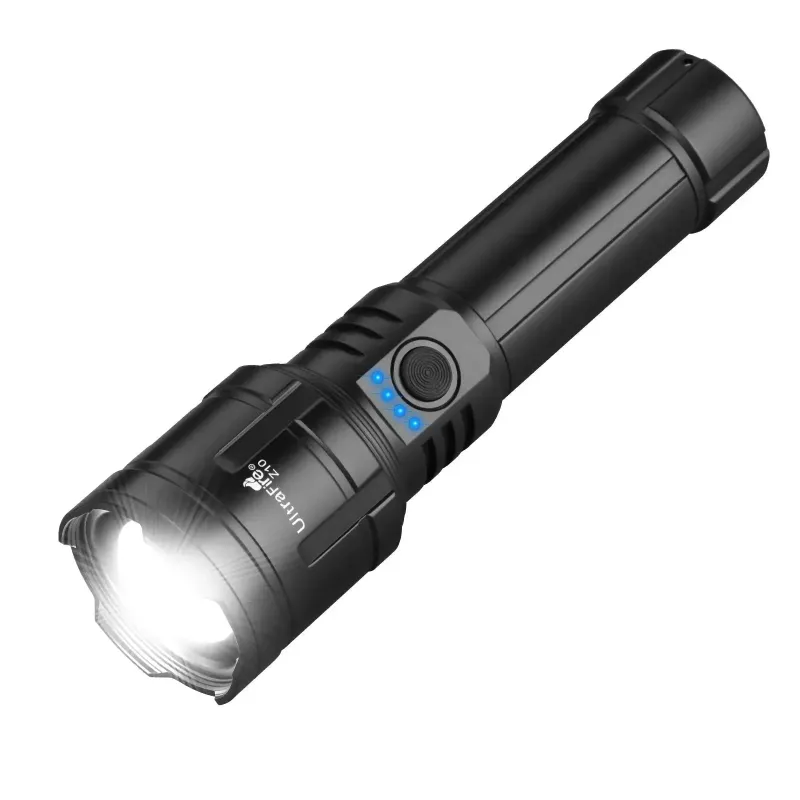
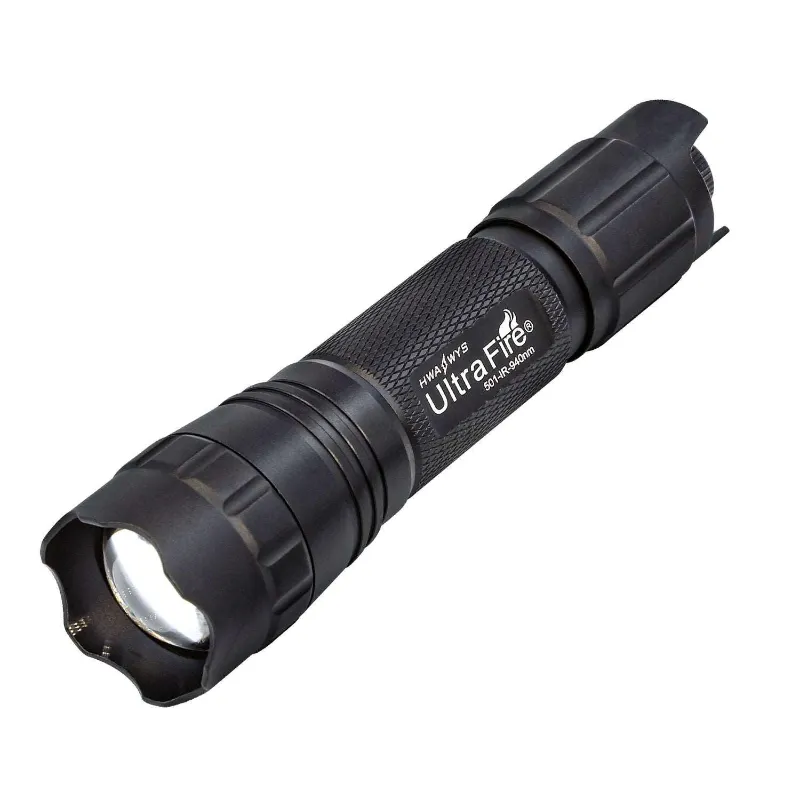
High-drain applications like a laser flashlight or ir flashlight stress cells more than low-drain uses, shortening cycle life by 20-30%.
Best 18650 Rechargeable Battery Storage Practices
Proper storage slows calendar aging and preserves capacity during periods of non-use.
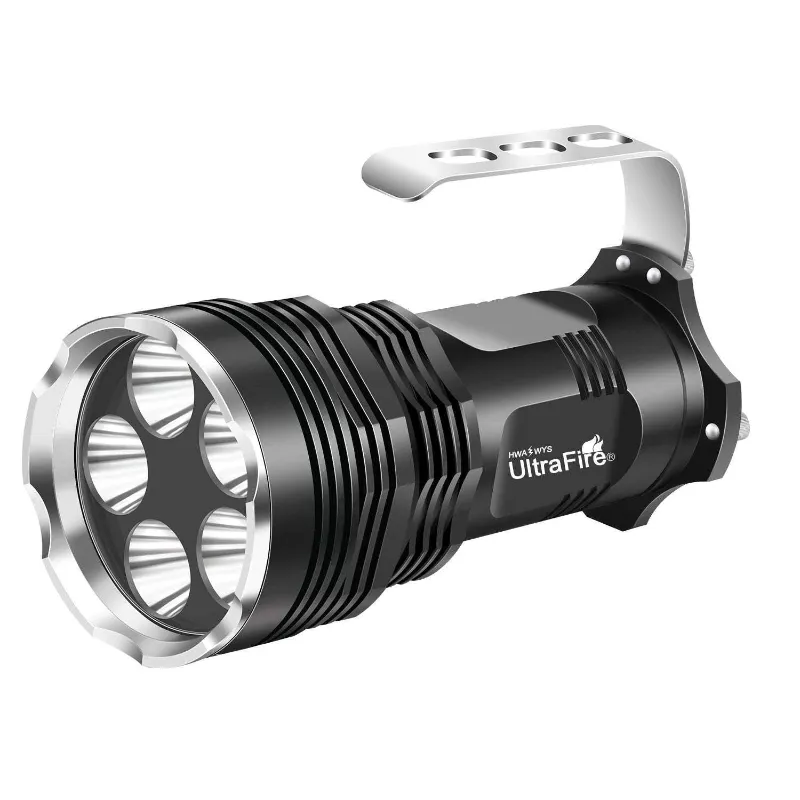
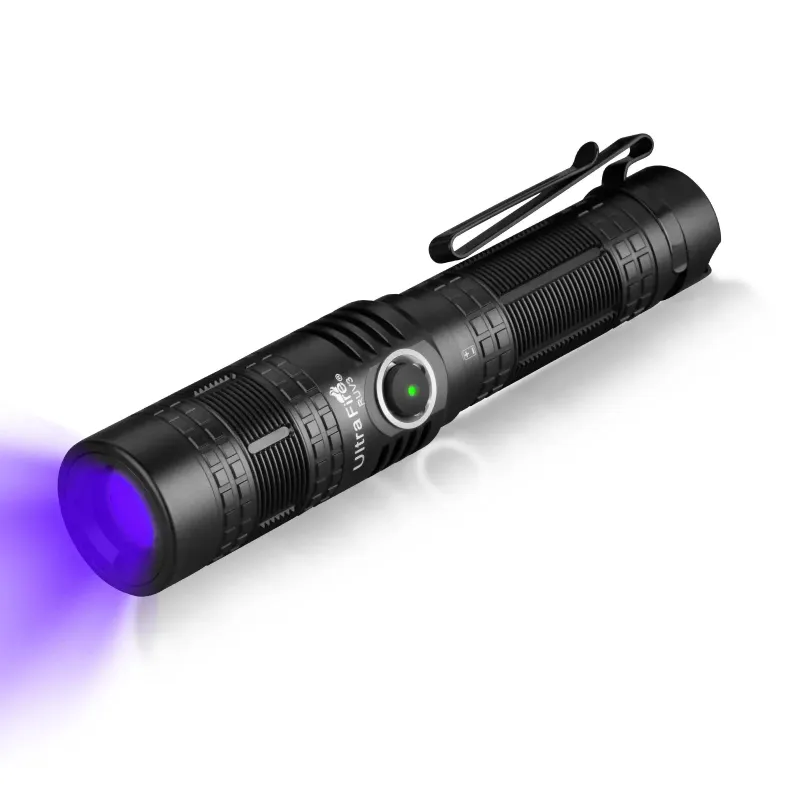
Charge level matters most. Store cells at 40-60% state of charge (approximately 3.7-3.8V per cell). Full charges maintain higher voltage stress on the cathode, while empty cells risk over-discharge and copper dissolution from the anode. We store backup cells for our black light flashlight and 365nm uv flashlight units at 50% charge and lose less than 2% capacity per year.
Temperature control is critical. Every 10°C increase roughly doubles the aging rate. Ideal storage temperatures range from 0-25°C (32-77°F). Avoid hot vehicles, attics, or direct sunlight. Refrigeration works but requires sealed containers to prevent condensation.
Storage checklist:
- Charge to 40-60% before long-term storage
- Check voltage every 3-6 months and top up if below 3.5V
- Use plastic cases to prevent short circuits
- Store in cool, dry locations away from metal objects
- Remove from devices during extended non-use
Professional battery suppliers like Battery Eliminator Kits recommend similar protocols for maximizing shelf life.
When to Replace Your Battery Rechargeable 18650
Runtime testing reveals when cells no longer meet your needs, even if they still function.
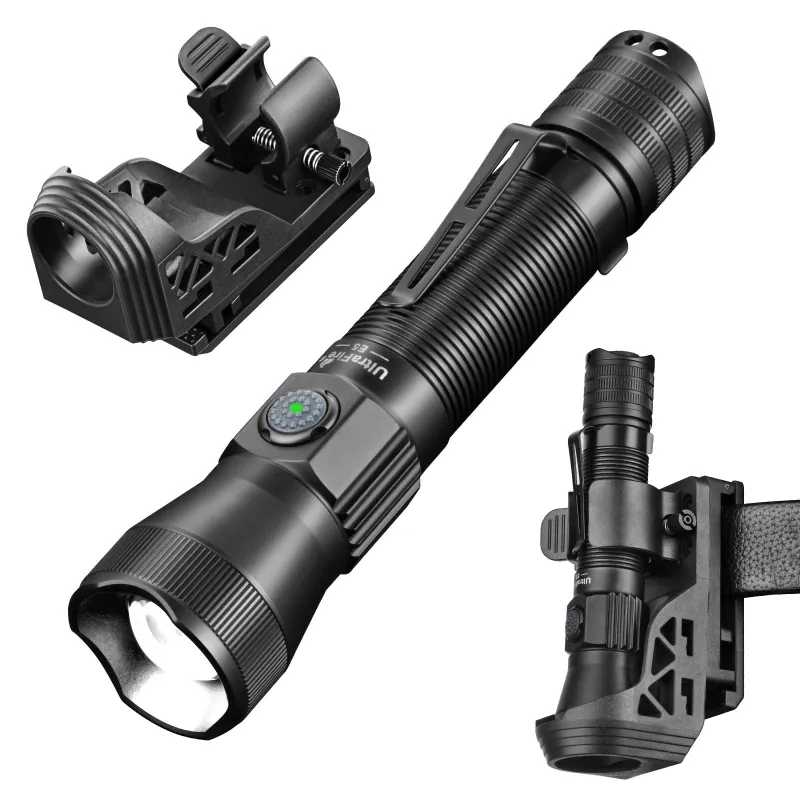
Capacity testing requires a calibrated charger or battery analyzer. Fully charge the cell, then discharge at a constant current (typically 0.5A for standard cells) until voltage drops to 2.5V. Multiply the discharge time (in hours) by current to get capacity in mAh. Compare this to the cell’s rated capacity. Replace cells below 70-80% of original capacity, especially for critical applications like a pistol light or tactical flashlight where runtime predictability matters.
Performance indicators signal degradation without formal testing:
- Rapid voltage sag under load (dimming flashlight output)
- Excessive heat during charging or use
- Charging completes in half the normal time
- Runtime drops below 60% of original performance
- Physical swelling or damaged wrapper
We replace cells in our high-drain devices after 400-500 cycles or when runtime drops noticeably. For budget-friendly replacements and current pricing on quality cells, check our UltraFire discount code for 4% off.
Maximizing Cycle Life Through Smart Charging
Charging habits directly control how quickly your cells degrade.
Partial charging extends cycle life dramatically. Limiting charge voltage to 4.1V instead of 4.2V reduces stress and can double cycle life, though you sacrifice 10% capacity per charge. Similarly, avoiding discharge below 3.0V preserves the anode structure. Smart chargers with adjustable voltage limits make this practical.
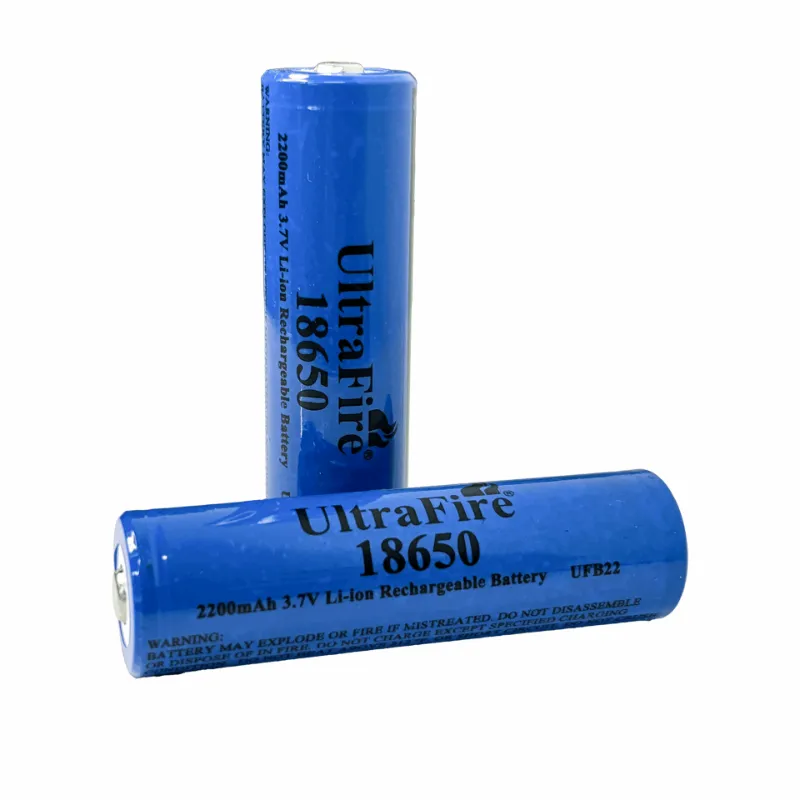
Charge rate matters more than most users realize. Slow charging (0.5C or lower, meaning 0.5A for a 1000mAh cell) generates less heat and allows more uniform lithium distribution than fast charging. We charge our battery rechargeable 18650 cells overnight at 0.5A rather than rushing with 2A quick chargers.
Temperature monitoring prevents accelerated aging. Never charge cells above 45°C or below 0°C. Many failures traced to “bad batteries” actually stem from charging in hot cars or cold garages. Quality chargers include temperature sensors; if yours doesn’t, touch-test the cell every 15 minutes during charging.
Charging best practices:
- Use chargers designed for lithium-ion chemistry with automatic termination
- Charge at room temperature (20-25°C) when possible
- Remove cells promptly after charging completes
- Avoid leaving cells on the charger for days after completion
- Balance-charge matched cells used in series (multi-cell lights)
Comparing Cell Quality and Longevity
Not all 18650 cells age equally. Manufacturing quality and chemistry variations create dramatic lifespan differences.
| Cell Type | Typical Cycles to 80% | Best Use Case |
|---|---|---|
| Premium (Samsung, LG, Panasonic) | 500-800 | High-drain devices, critical applications |
| Mid-tier (quality brands) | 300-500 | General flashlight use, moderate drain |
| Budget (unknown brands) | 100-300 | Low-drain applications, backup cells |
Premium cells from established manufacturers use purer materials, tighter quality control, and protective circuits that prevent over-discharge.
Protected vs. unprotected cells trade size for safety. Protected cells include a small circuit board that prevents over-discharge, over-charge, and short circuits, all conditions that accelerate degradation or cause failure. The protection adds 2-3mm length and slight weight but dramatically improves safety and longevity for users who don’t monitor voltage carefully.
Capacity ratings often mislead. Many budget cells claim 9800mAh or similar fantasy numbers when legitimate 18650 cells top out around 3500mAh. These fraudulent ratings correlate strongly with poor cycle life and safety issues. Stick with realistic specifications and established brands, or grab a discount code for cells from reliable suppliers.
Practical Tips for Multi-Cell Applications
Devices using multiple cells in series (like many high-power flashlights) require extra attention to prevent premature capacity loss.
Cell matching ensures balanced discharge. When cells age at different rates in a series string, the weakest cell limits performance and forces others to over-discharge, accelerating degradation across the pack. Purchase matched sets from the same manufacturing batch and mark them to stay together throughout their service life.
Rotation schedules equalize wear. If you carry a tactical flashlight daily but keep spares for your uv light, rotate cells every 50 cycles so all degrade evenly. This prevents situations where one “fresh” cell in a pack of worn cells causes imbalance issues.
Smaller cells like the 14500 battery follow similar aging patterns but with lower absolute capacity and often shorter cycle life due to less sophisticated construction. The larger 26650 battery format typically offers better cycle life (600-800 cycles) thanks to more robust construction and better thermal management.
Monitor your cells, charge smart, store cool, and replace proactively. These practices keep your lights running at full brightness for years rather than months.
Questions
How long do 18650 batteries last before losing significant capacity?
Quality battery rechargeable 18650 cells typically retain 80% capacity for 300-500 full charge cycles or 2-3 years of regular use. Premium cells from Samsung or Panasonic can reach 500-800 cycles, while budget cells often fade below 80% after just 100-300 cycles.
Can you restore capacity to old 18650 batteries?
No, capacity loss from electrode degradation and electrolyte breakdown is permanent and cannot be reversed. Some cells may show temporary improvement after a full discharge-recharge cycle if the battery management system needed recalibration, but actual chemical degradation is irreversible.
Should I store rechargeable 18650 batteries fully charged or empty?
Store cells at 40-60% charge (around 3.7-3.8V) in a cool location. Full charges accelerate calendar aging through voltage stress, while empty cells risk over-discharge and internal damage. Check voltage every 3-6 months and recharge if below 3.5V.
What kills 18650 battery capacity fastest?
High temperatures combined with full charge cause the fastest capacity loss, followed by deep discharge below 2.5V and fast charging above 1C rate. Storing cells at 40°C and 100% charge can reduce lifespan by 70% compared to storage at 20°C and 50% charge.
How do I know when my tactical flashlight batteries need replacement?
Replace cells when runtime drops below 70-80% of original performance, when you notice rapid voltage sag causing dimming under load, or when charging completes much faster than normal. Physical signs like swelling, excessive heat, or wrapper damage require immediate replacement.
Do 3.7v rechargeable battery 18650 cells lose capacity when not used?
Yes, calendar aging causes 2-10% capacity loss per year even when stored unused, depending on storage temperature and charge level. Cells stored cool at partial charge age slowest, while those kept hot and fully charged degrade fastest.
Products in this guide
 Shopping at UltraFire? See the discount code
4% OFF All Orders
Shopping at UltraFire? See the discount code
4% OFF All Orders
More in this series
UltraFire Pistol Light Installation Guide for Glock and Picatinny Rails14 Aug 20264 minWhat to Know Before Buying an IR Flashlight for Night Vision14 Aug 20264 minUltraFire UV Flashlight: 365nm vs 395nm for Pet Stain Detection14 Aug 20264 minHow to Choose the Right 18650 Battery for Your UltraFire Tactical Flashlight14 Aug 20264 min