 A UltraFire guide
What to Know Before Buying an IR Flashlight for Night Vision
A tactical flashlight with infrared capability lets you see in complete darkness when paired with night vision devices, but wavelength and power specs determine performance.
What Makes an IR Flashlight Different From a Standard Tactical Flashlight
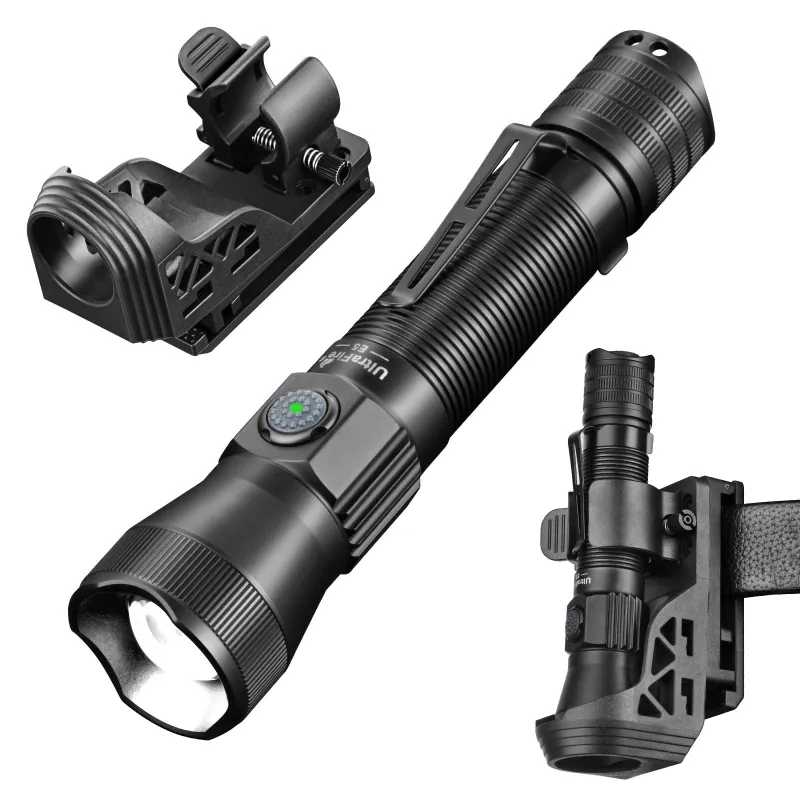
A tactical flashlight with infrared (IR) capability emits light in the 700 to 1000 nanometer wavelength range, which is invisible to the human eye but visible through night vision devices. Unlike a standard tactical flashlight that produces white light for everyday use, an ir flashlight serves hunters, security professionals, and wildlife observers who need covert illumination without alerting targets or disturbing nocturnal animals.
The core advantage is stealth. When you activate an IR light, the beam remains completely invisible to anyone without night vision equipment, letting you navigate or observe without giving away your position. Standard white-light models, even on low settings, create a visible signature that defeats the purpose of night operations.
Wavelength Matters: 850nm vs 940nm IR Output
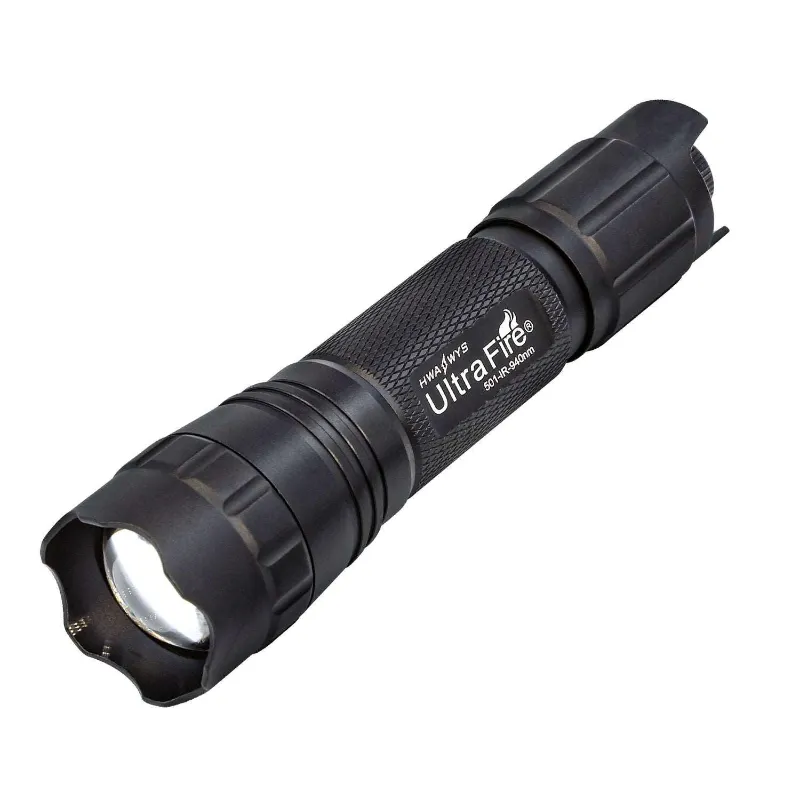
IR flashlights typically operate at two wavelengths, and the difference affects visibility and range. 850nm IR illuminators produce a faint red glow visible to the naked eye at close range but offer longer throw distances and better performance with most night vision devices. 940nm models emit zero visible light, making them truly covert, but they sacrifice 30 to 40% of effective range compared to 850nm units.
Choose 850nm if maximum beam distance matters more than absolute stealth, most Gen 2+ and Gen 3 night vision devices pair well with this wavelength. Pick 940nm for close-range work where even a faint glow could compromise your position, such as urban surveillance or close-quarters wildlife observation. For detailed comparisons of beam intensity across different tactical models, The Brightest Tactical flashlights list of 2026 breaks down lumen ratings and throw distances.
Battery Compatibility and Runtime Considerations
Most IR flashlights run on lithium-ion rechargeable cells, and choosing the right format affects both performance and convenience:
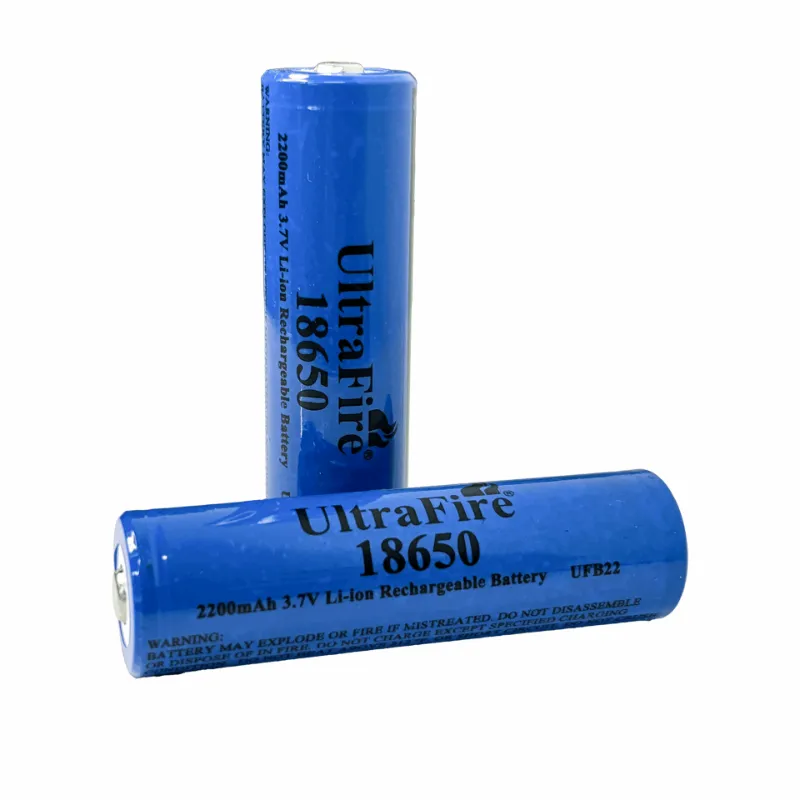
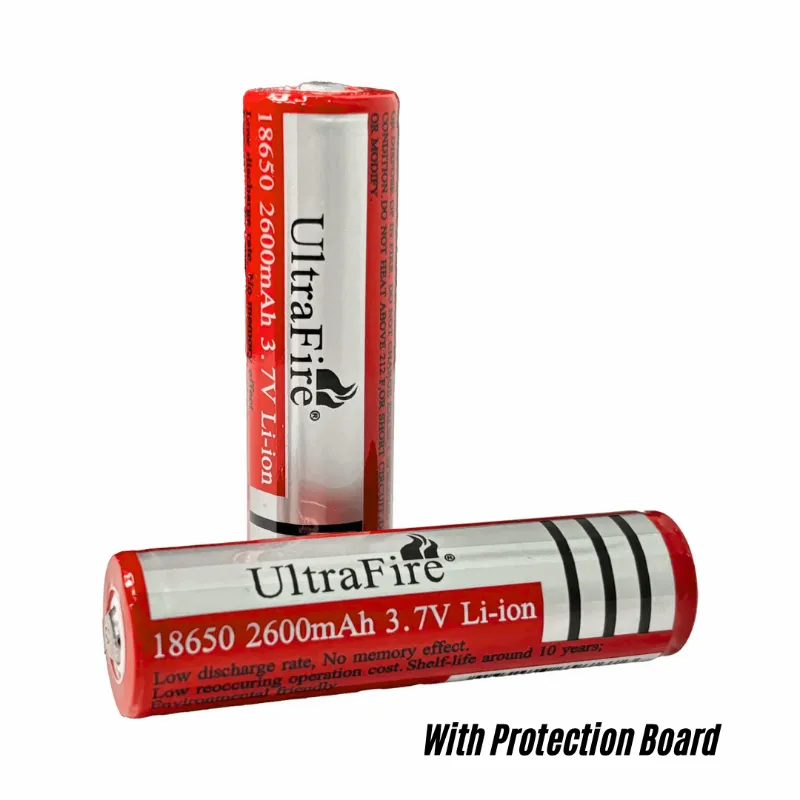
- 18650 cells: The most common format, offering 2000 to 3500mAh capacity and wide availability. A battery rechargeable 18650 typically delivers 2 to 4 hours of continuous IR output.
- CR123A primaries: Disposable lithium cells that perform well in cold weather but cost more over time and create waste.
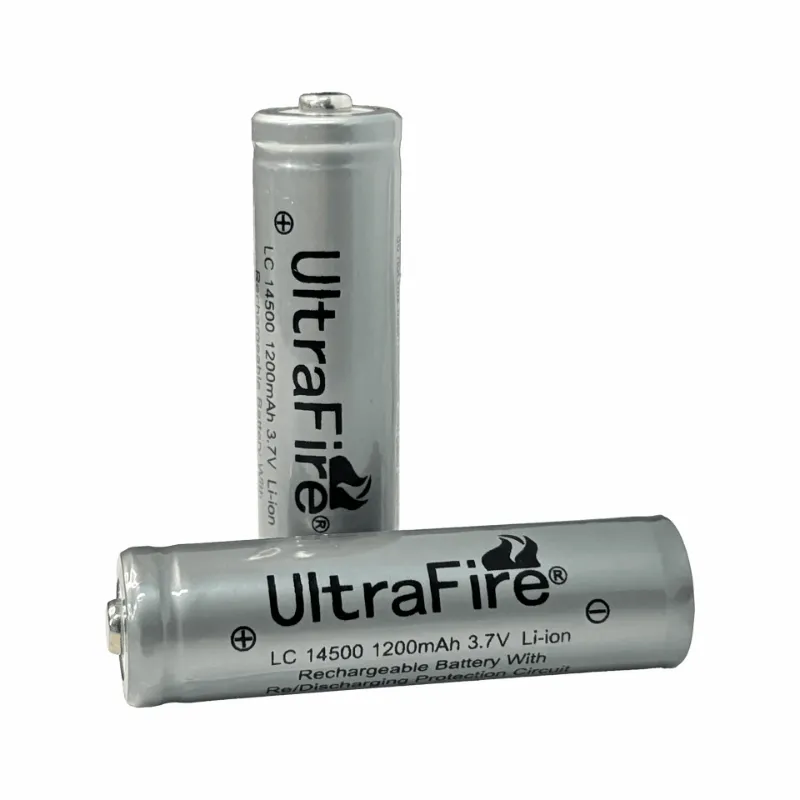
- 14500 batteries: AA-sized lithium cells that fit compact lights; a 14500 battery works in smaller IR models but holds less capacity than 18650 cells.
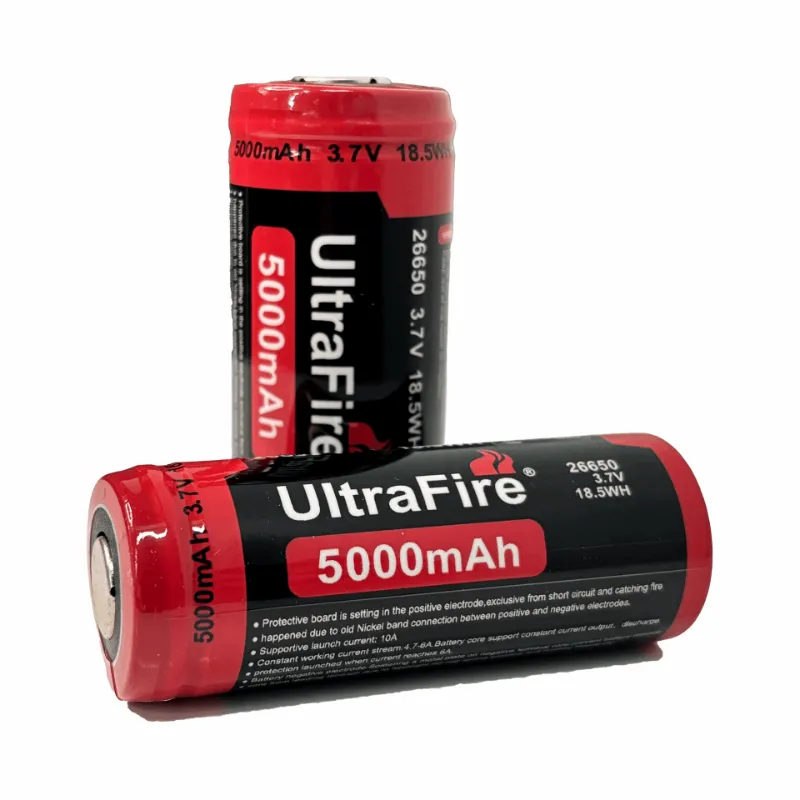
- 26650 cells: Larger format for extended runtime; a 26650 battery can push 5 to 7 hours in high-drain IR applications.
We recommend starting with 18650-compatible models because the format balances size, capacity, and cost. Carry at least one spare 3.7v lithium battery on multi-hour night operations, IR LEDs draw significant current, and runtime drops faster than white-light modes. Check the latest pricing on battery bundles to stock up before your next night mission.
Beam Pattern and Effective Range for Night Vision Use
IR flashlights produce either flood or throw beam patterns, and the right choice depends on your activity. Flood beams (wide, short-range) suit close observation within 30 to 50 meters, ideal for tracking or camp security. Throw beams (narrow, long-range) reach 100 to 200+ meters, necessary for scanning open terrain or identifying distant objects.
Many dual-purpose models let you switch between IR and white light modes, giving you a tactical flashlight for everyday carry and an IR tool for night work. Test your IR flashlight with your specific night vision device before fieldwork, beam hotspots or uneven flood patterns that are invisible to your eyes will show up clearly through NV optics and can wash out your image at close range.
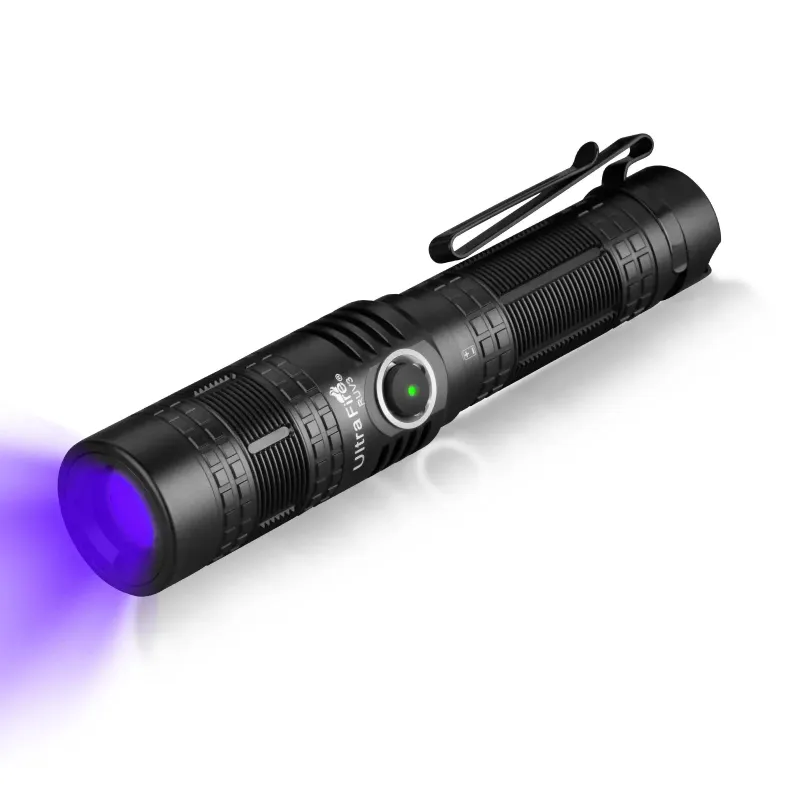
If you also work in forensic or inspection roles, a uv light or 365nm uv flashlight complements your IR setup by revealing biological traces and materials that fluoresce under ultraviolet but remain hidden under white or infrared light.
Durability and Mounting Options
Tactical-grade IR flashlights need the same ruggedness as any field tool. Look for:
- IPX7 or higher water resistance: Essential for damp environments and unexpected rain.
- Impact rating of 1+ meters: Aluminum bodies with reinforced bezels survive drops onto hard surfaces.
- Picatinny or M-LOK mounts: If you’re pairing IR with a firearm, a pistol light mount or rail adapter keeps your hands free for weapon manipulation.
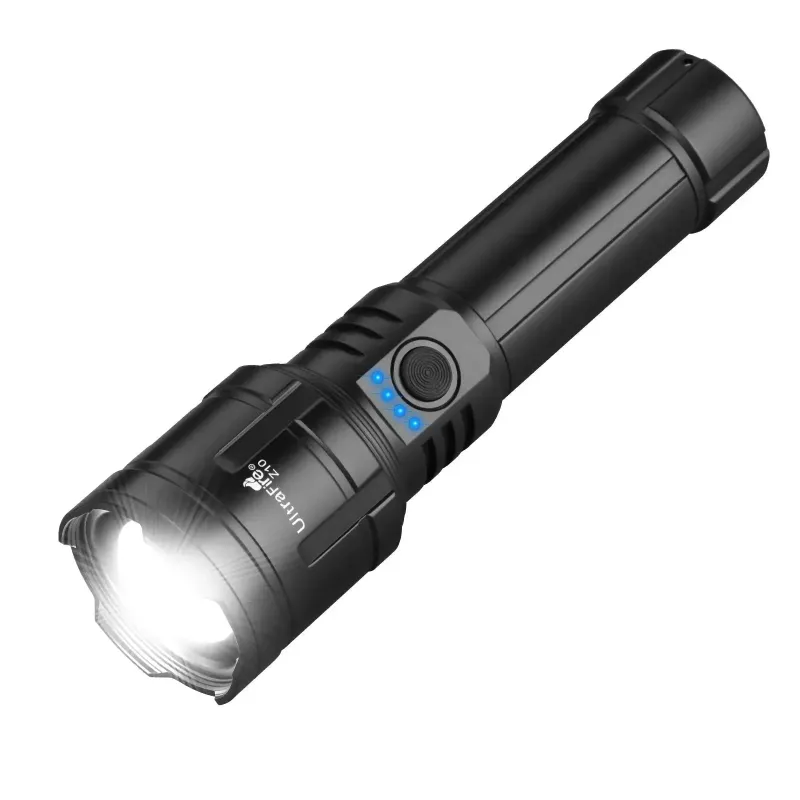
Hard-anodized aluminum housings resist corrosion and impact better than polymer, though they add weight. For firearm applications, zero your IR illuminator alongside your night vision scope so the beam center aligns with your point of aim. Some shooters also carry a laser flashlight for rapid target designation under NV, though this adds a visible signature if the laser operates in the visible spectrum.
Grab the discount code before ordering to save on multi-light setups, pairing a white-light tactical model with a dedicated IR unit covers both day and night scenarios without compromise.
Who Should Choose an IR Flashlight Over Standard Models
IR flashlights serve specific use cases where white light creates problems:
- Hunters and trappers: Approach game without spooking animals sensitive to visible light.
- Security and law enforcement: Observe suspects or survey property without revealing your location.
- Wildlife researchers: Document nocturnal behavior without altering natural activity patterns.
- Search and rescue: Navigate disaster zones at night while preserving team members’ natural night vision.
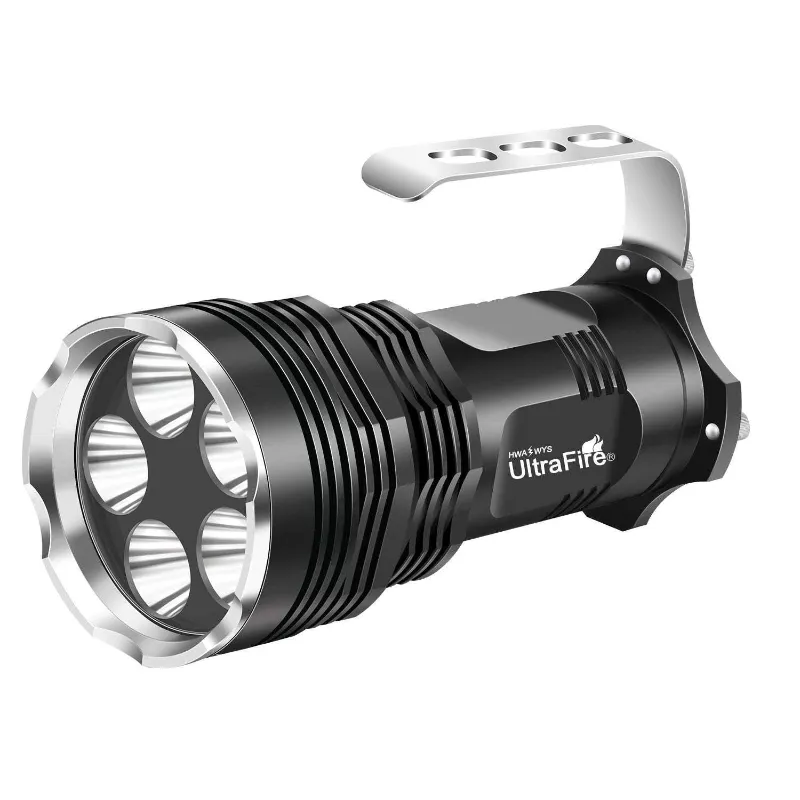
If you don’t own night vision equipment, an IR flashlight offers no advantage over a standard white-light tactical flashlight: the beam will be invisible to you. Some budget “IR” flashlights include a weak red LED as a compromise, but true IR output requires NV devices to see the illuminated area. For hunters who occasionally need to blood-track at night without IR, a black light flashlight can reveal blood trails through fluorescence, providing a middle-ground option.
Serious night operators often carry both: a white-light tactical model for navigation and tasks that don’t require stealth, and a dedicated IR unit for observation and covert movement. The Best Tactical Flashlight – Torch Testing Results from Ammoman covers real-world beam performance across dozens of models, helping you benchmark throw distance and durability before you invest.
Before committing to an IR setup, verify your night vision device’s spectral sensitivity, older Gen 1 systems may show reduced performance with 940nm IR, while Gen 3 tubes handle both wavelengths equally well. Pair the right wavelength and battery format with your existing gear, and you’ll gain a genuine tactical advantage in low-light and no-light environments.
Questions
Do I need night vision goggles to use an IR flashlight?
Yes, IR flashlights emit invisible infrared light that only becomes visible through night vision devices, digital NV cameras, or smartphone cameras with IR sensitivity. Without NV equipment, you will see nothing when the IR light is on.
Can I use an 18650 battery from my regular flashlight in an IR model?
Most likely yes, as long as both lights accept the same 18650 format and voltage. Check that your IR flashlight supports protected or unprotected cells depending on what you already own, since some high-drain IR models require unprotected cells for maximum current draw.
Will animals see the red glow from an 850nm IR flashlight?
Many animals, especially predators and some game species, can detect the faint red glow from 850nm IR emitters at close range. If absolute stealth matters, choose a 940nm model that produces zero visible light.
How far can a tactical flashlight with IR illuminate at night?
Effective range depends on wavelength, LED power, and your night vision device quality. Most 850nm IR flashlights reach 100 to 200 meters with Gen 2+ or Gen 3 NV, while 940nm models typically max out around 70 to 120 meters due to lower output.
Can I mount an IR flashlight on a pistol rail?
Yes, many IR flashlights include Picatinny or Glock-rail mounts, or you can buy separate adapters. Ensure the light can handle recoil forces if you mount it directly on a firearm, and test zero with your night vision optic.
Products in this guide
 Shopping at UltraFire? See the discount code
4% OFF All Orders
Shopping at UltraFire? See the discount code
4% OFF All Orders
More in this series
UltraFire Pistol Light Installation Guide for Glock and Picatinny Rails14 Aug 20264 minDo Rechargeable 18650 Batteries Lose Capacity Over Time?14 Aug 20265 minUltraFire UV Flashlight: 365nm vs 395nm for Pet Stain Detection14 Aug 20264 minHow to Choose the Right 18650 Battery for Your UltraFire Tactical Flashlight14 Aug 20264 min