 A UltraFire guide
How to Choose the Right 18650 Battery for Your UltraFire Tactical Flashlight
Choosing the right 18650 battery for your tactical flashlight ensures maximum runtime, consistent brightness, and safe operation across every mission.
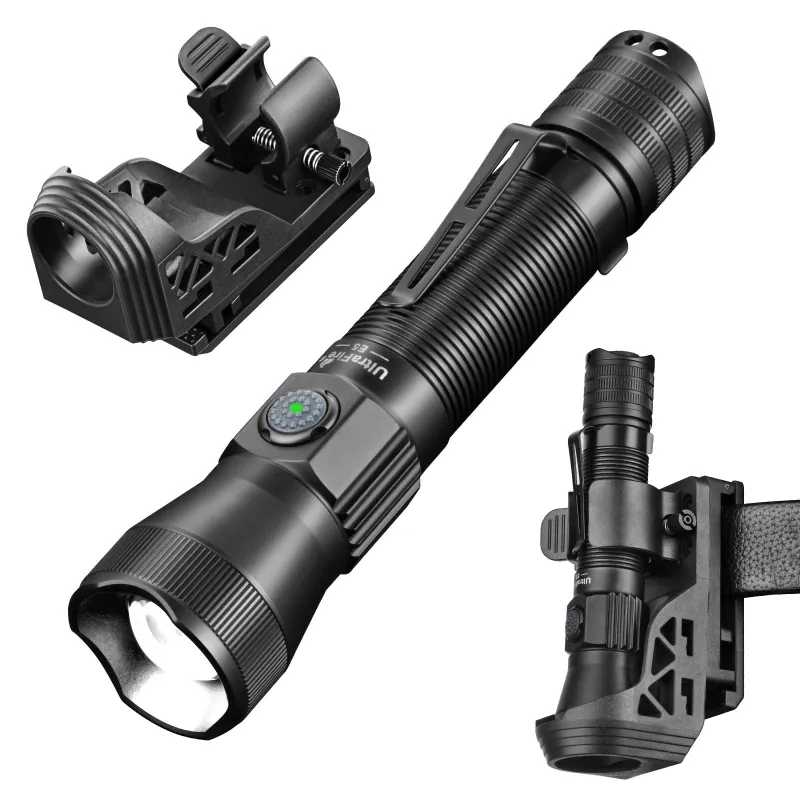
The right 18650 battery transforms your tactical flashlight from a dim novelty into a reliable tool that delivers full brightness for hours.
Why 18650 Batteries Power Most Tactical Lights
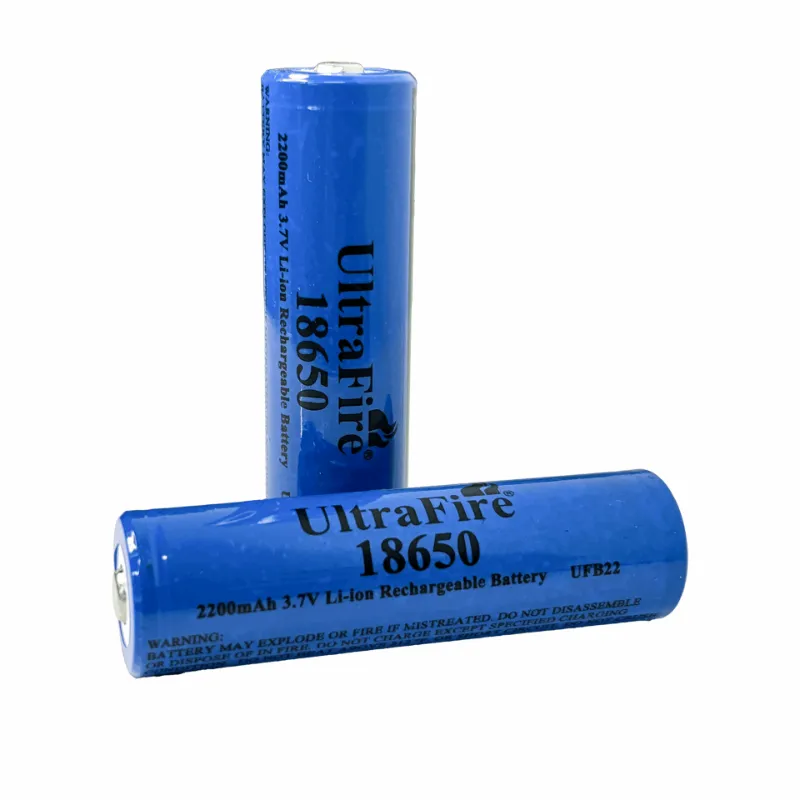
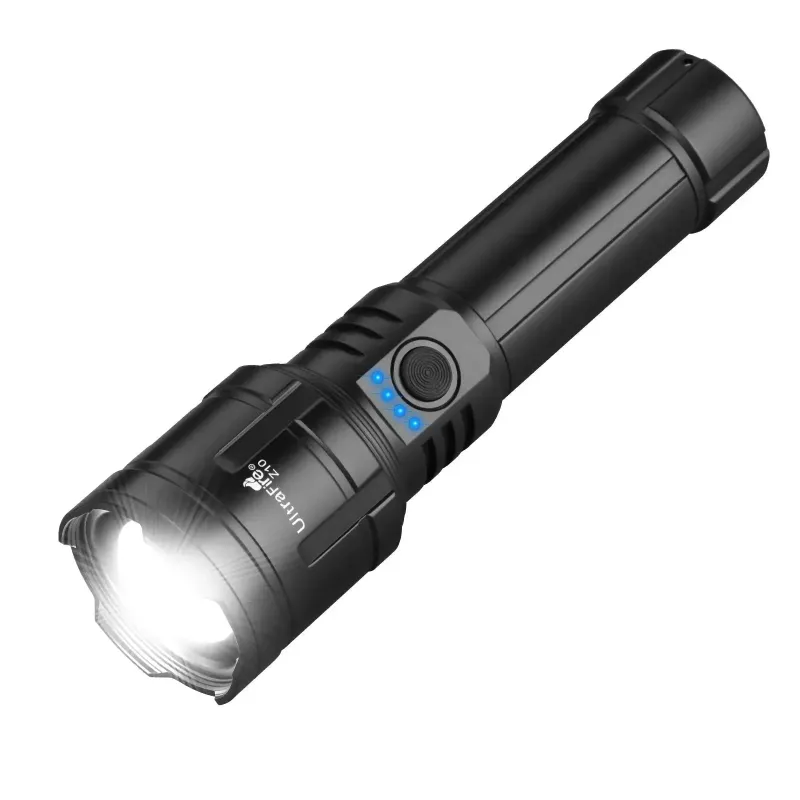
The 18650 format (18 mm diameter, 65 mm length) dominates tactical, professional, and enthusiast flashlights because it balances energy density, discharge rate, and cost. A quality battery rechargeable 18650 stores 2,500 to 3,500 mAh and delivers the sustained 3 to 10 amp draw that high-lumen LEDs demand. UltraFire tactical models, including the laser flashlight and ir flashlight, ship with 18650 tubes because the format supports both everyday carry and extended runtime without adding bulk.
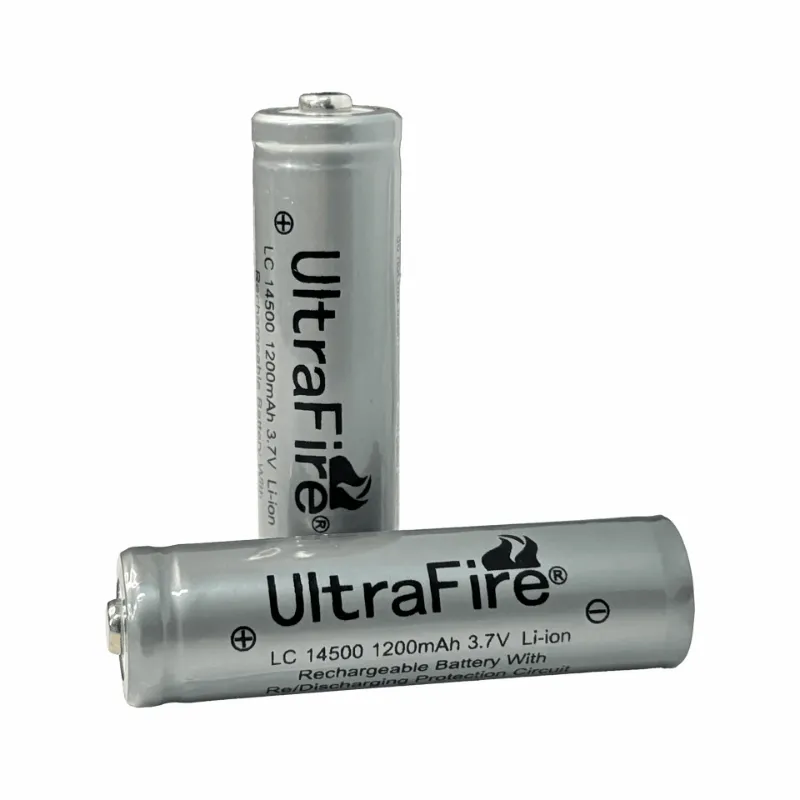
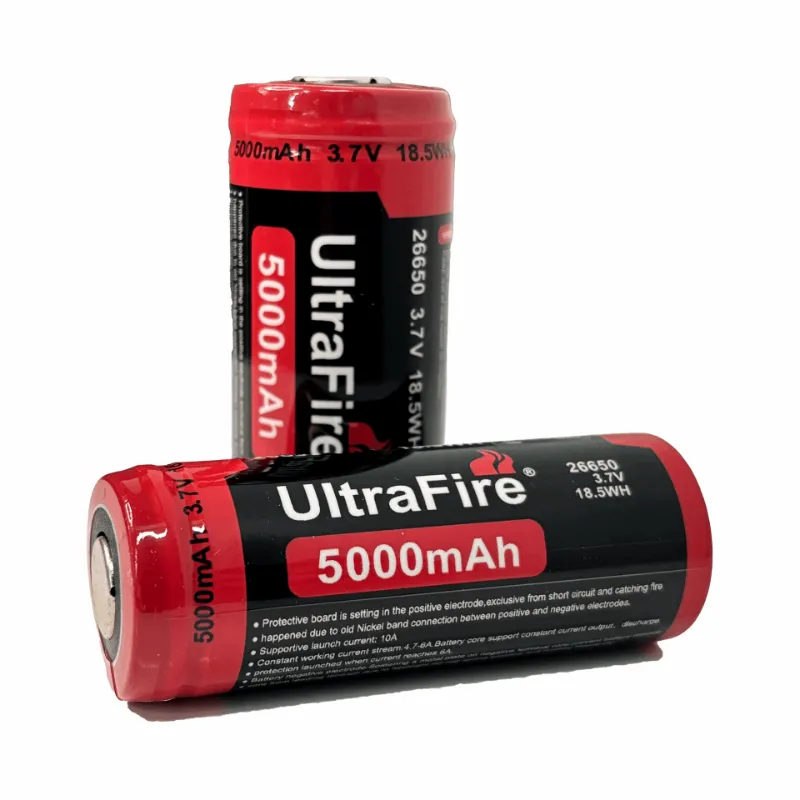
Smaller cells like the 14500 battery fit pocket lights but lack the capacity for sustained high output, while larger 26650 battery options add heft that many users find unnecessary. The 18650 sits in the sweet spot for duty lights, search-and-rescue kits, and outdoor navigation.
Key Specs to Match With Your Light
Not every 18650 fits every flashlight, and mismatched specs cause dim output, short runtime, or safety hazards. Focus on these four attributes when shopping.
Capacity (mAh)
Capacity determines how long your light runs on a single charge. Cells rated 2,600 to 3,500 mAh are genuine; anything claiming 5,000+ mAh is usually a fake label on a low-grade cell. We measure runtime at 500 lumens: a 3,000 mAh cell typically delivers 2.5 to 3 hours, while a 2,600 mAh cell drops to around 2 hours. If you run lower modes most of the time, even a mid-capacity cell will last a full shift.
Discharge Rate (Amps)
High-output tactical lights pull 5 to 10 amps on turbo mode. Your battery must supply that current without voltage sag or overheating. Look for cells rated 10A continuous or higher. Unprotected cells often handle higher discharge, but they lack the safety circuit that prevents over-discharge. For most users, a protected 10A cell balances safety and performance.
Chemistry and Voltage
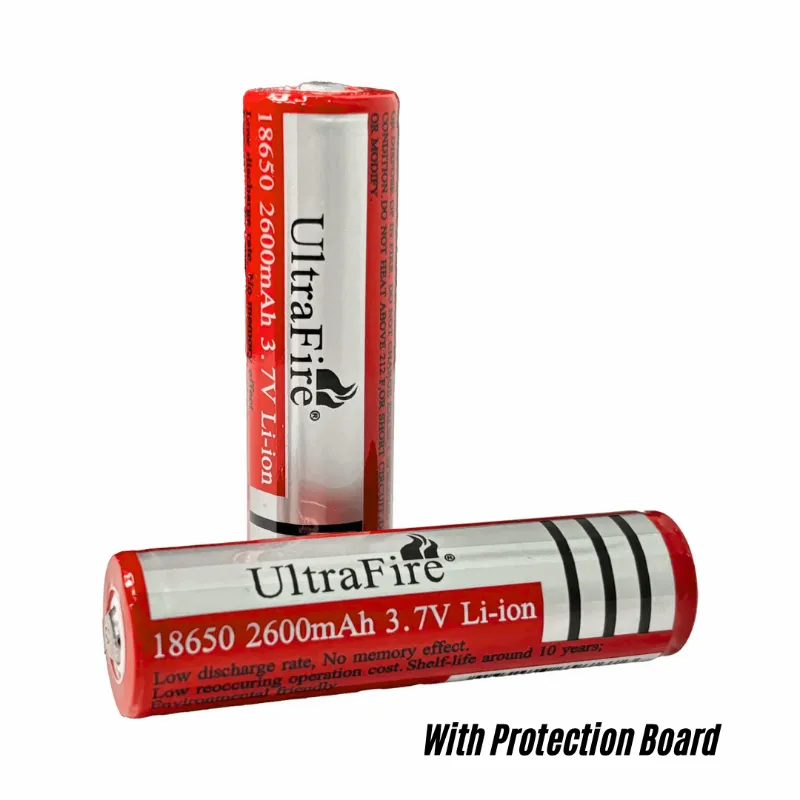
Standard lithium-ion 18650 cells deliver 3.6 to 3.7 volts nominal. UltraFire lights expect this range; using 3.0 V lithium-iron-phosphate (LiFePO₄) cells will cause significant dimming or failure to start. Stick with 3.7v lithium battery chemistry unless your light’s manual explicitly supports LiFePO₄.
Protected vs. Unprotected
Protected cells include a small circuit board at the positive terminal that cuts power if voltage drops too low, rises too high, or current spikes. This adds 2 to 3 mm of length, so confirm your flashlight tube accommodates it. Unprotected cells are shorter and handle higher discharge, but they require vigilance: over-discharging an unprotected cell can render it unsafe to recharge. We recommend protected cells for general users and unprotected only for enthusiasts who monitor voltage with a multimeter.
How to Check Compatibility With UltraFire Models
UltraFire’s lineup includes single-18650 models and multi-cell configurations. Most single-cell tactical lights accept both protected and unprotected 18650s, but always verify tube length. Measure your existing cell or check the product page on our discount code hub for official specs.
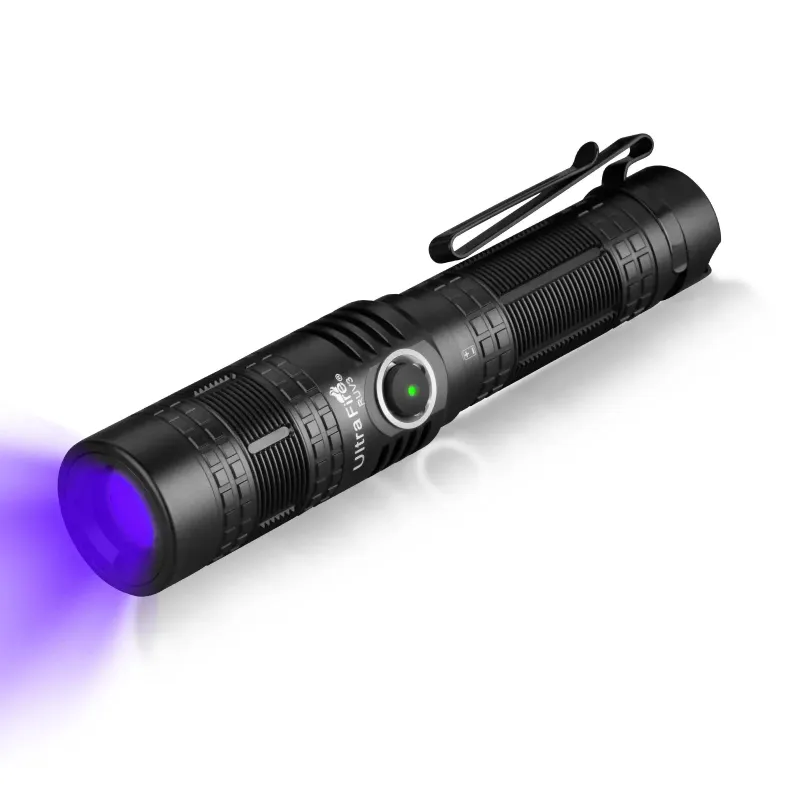
If your light also powers specialty LEDs, like the uv light, black light flashlight, or 365nm uv flashlight: the same 18650 rules apply, though UV modes often draw less current and extend runtime. The pistol light variants typically use the same tube dimensions, so your 18650 investment carries across multiple tools in your kit.
For lights that accept alternative sizes, keep a 14500 battery as a backup; it fits AA-compatible tubes and delivers 3.7 V, unlike alkaline AAs that provide only 1.5 V and risk damaging the driver circuit.
Choosing Between Button-Top and Flat-Top Cells
Button-top cells have a raised positive terminal; flat-top cells have a flush contact. UltraFire lights with a spring at the head usually accept either style, but flat-top cells can lose contact in lights with shallow springs. Button-top protected cells are the safest bet for most tactical flashlights, ensuring solid contact and built-in protection. Flat-top unprotected cells suit enthusiast builds where every millimeter of tube length matters.
Where to Buy Reliable Cells and Save
Counterfeit 18650s flood the market, especially on auction sites.
Stick with name-brand cells (Samsung, LG, Panasonic, Sony) or UltraFire’s own tested 3.7v lithium battery options. Avoid no-name “fire” brands that aren’t UltraFire; they often use recycled or low-bin cells that fail early. A genuine 3,000 mAh cell costs more than a fake 6,000 mAh label, but it won’t vent gas or die after twenty cycles.
Charging and Care for Maximum Lifespan
Use a dedicated lithium-ion charger with individual cell monitoring, not a cheap dual-slot model that charges in series. Avoid draining cells below 3.0 V; most protected cells cut off around 2.5 V, but unprotected cells will drain further and suffer permanent capacity loss. Store cells at 40 to 60 percent charge if you won’t use them for weeks, and keep them in a cool, dry case away from metal objects that could short the terminals.
Rotate your cells if you run multiple lights. Pairing a fresh cell with a worn one in a two-cell light causes imbalance and reduces total output. Label your cells with a date-of-purchase sticker so you can retire them after 300 to 500 cycles, typically two to three years of regular use.
Who Benefits Most From Premium 18650s
If you depend on your light for professional tasks (law enforcement, search and rescue, night hiking, or facility inspections) invest in high-discharge protected cells from top-tier manufacturers. The extra cost buys you predictable runtime, cooler operation, and longer cycle life. Casual users who run medium modes and charge weekly can save money with mid-tier cells, but never compromise on authenticity.
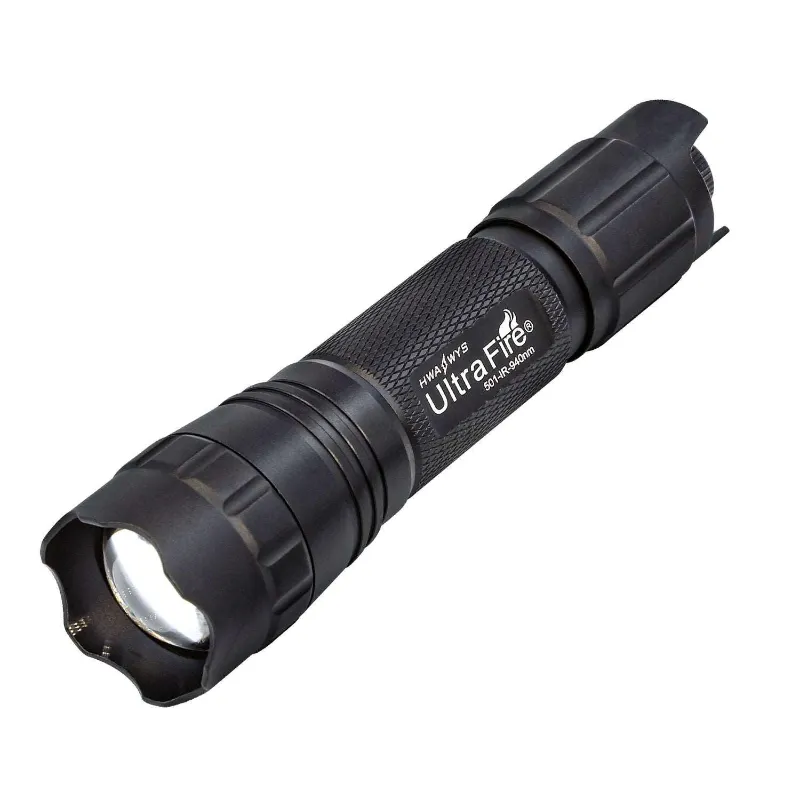
Pair your chosen cell with the right light: the tactical flashlight for general duty, the uv light for counterfeit detection and forensics, or the ir flashlight for night-vision work. Every configuration demands the same attention to battery quality, because even the brightest emitter can’t overcome a weak cell. Check current pricing and our exclusive code to build a complete system that won’t let you down when it matters.
Questions
Can I use any 18650 battery in my UltraFire tactical flashlight?
Most UltraFire tactical lights accept standard 3.7 V lithium-ion 18650 cells, but you must confirm the tube length accommodates protected cells (which are 2 to 3 mm longer) and that the discharge rate meets your light's current draw, typically 10A or higher for high-output modes.
What is the difference between protected and unprotected 18650 batteries?
Protected cells include a safety circuit that prevents over-discharge, overcharge, and short circuits, adding 2 to 3 mm of length. Unprotected cells are shorter and handle higher discharge rates but require careful monitoring to avoid damage.
How long does a 3,000 mAh 18650 battery last in a tactical flashlight?
At 500 lumens, a quality 3,000 mAh cell typically delivers 2.5 to 3 hours of runtime. Lower brightness modes extend that significantly, while turbo modes drain the cell faster.
Should I buy button-top or flat-top 18650 cells?
Button-top cells ensure reliable contact in lights with shallow springs and are the safer choice for most users. Flat-top cells work in lights with strong springs or deep contact points but can lose connection in some models.
Are high-capacity 18650 batteries labeled 5,000 mAh or higher real?
No, genuine 18650 cells max out around 3,500 mAh with current technology. Cells claiming 5,000 mAh or more are counterfeit or mislabeled low-capacity cells that pose safety and performance risks.
Can I use a 14500 battery instead of an 18650 in my UltraFire light?
Only if your light has an adapter sleeve or explicitly supports 14500 cells. The 14500 is much smaller and lower capacity, so it will significantly reduce runtime even though it provides the same 3.7 V output.
Products in this guide
 Shopping at UltraFire? See the discount code
4% OFF All Orders
Shopping at UltraFire? See the discount code
4% OFF All Orders
More in this series
UltraFire Pistol Light Installation Guide for Glock and Picatinny Rails14 Aug 20264 minWhat to Know Before Buying an IR Flashlight for Night Vision14 Aug 20264 minDo Rechargeable 18650 Batteries Lose Capacity Over Time?14 Aug 20265 minUltraFire UV Flashlight: 365nm vs 395nm for Pet Stain Detection14 Aug 20264 min