 A Qunature Global guide
Do Thermal Face Masks Really Keep You Warm in Extreme Cold?
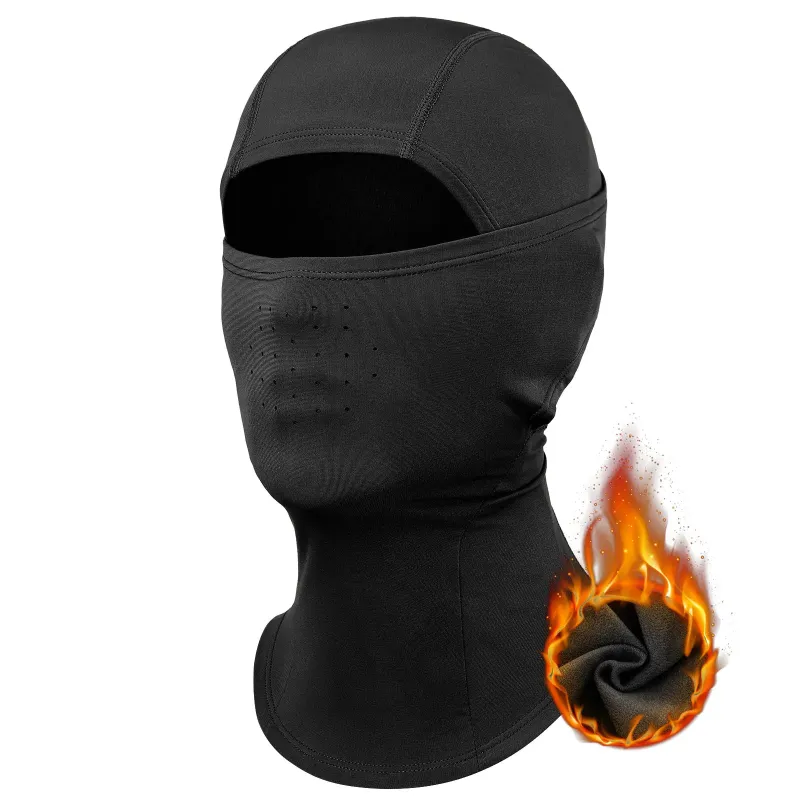
A thermal mask does keep your face warm in extreme cold by trapping a layer of heated air and blocking wind, though fabric choice and fit make the difference between comfort and frozen breath buildup.
A thermal mask does keep your face warm in extreme cold by trapping a layer of heated air against your skin while blocking wind, though performance depends heavily on fabric type, fit, and how well the design manages moisture from your breath.
How a Thermal Mask Traps Heat
The warmth comes from two mechanisms working together. First, the fabric itself provides insulation by creating dead air space between the fibers. Second, your exhaled breath warms the air pocket inside the mask, and that heat radiates back to your skin. Wind protection matters just as much, exposed skin loses heat twenty times faster in wind, so even a thin barrier makes a noticeable difference.
The catch is moisture. Every breath you exhale carries water vapor, and in extreme cold that vapor condenses or freezes on the fabric. Masks with poor breathability trap this moisture against your face, which then chills you. The best designs use materials that wick moisture away from skin while still blocking wind.
Best Fabrics for Subzero Performance
Not all materials perform equally when the temperature drops below freezing. We compared the most common options:
| Fabric | Warmth | Breathability | Moisture Management |
|---|---|---|---|
| Fleece | High | Moderate | Wicks well, dries slowly |
| Neoprene | Very High | Low | Traps moisture, heavy |
| Merino Wool Blend | High | High | Wicks and dries quickly |
| Synthetic Microfiber | Moderate | Very High | Dries fast, less warmth |
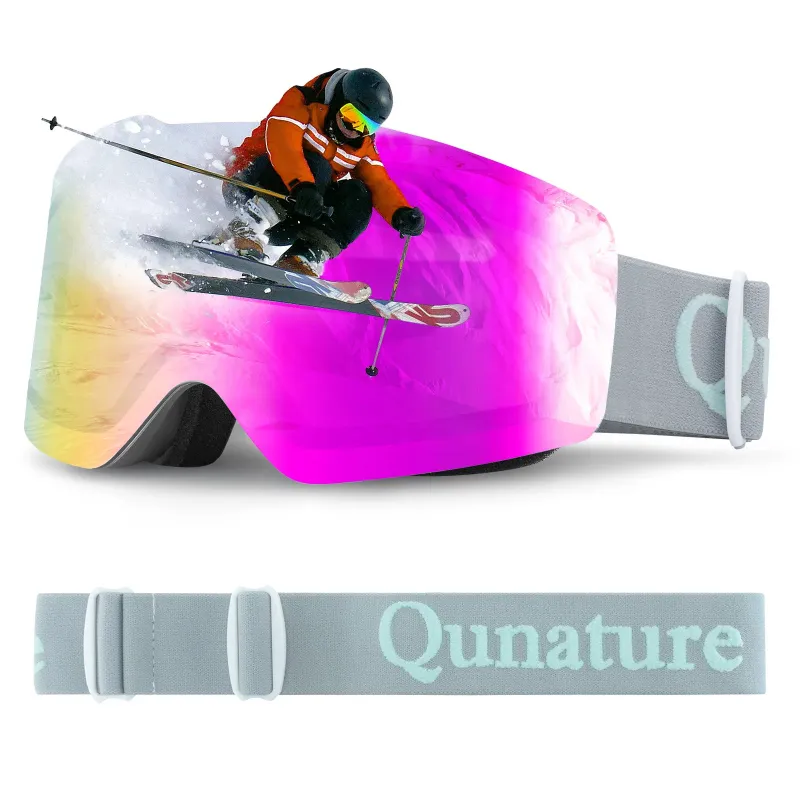
Fleece delivers the best all-around balance for most winter activities. Neoprene works for short exposures like a quick walk or waiting for a lift, but it gets clammy during any exertion. Merino blends cost more but handle sweat better if you’re skiing or snowshoeing. Pair your choice with ski goggles no frame to avoid pressure points where the mask meets your eyewear.
Sizing and Fit That Actually Seals Out Cold
A poorly fitted mask leaks cold air and defeats the purpose. Look for these features when choosing size:
- Adjustable nose bridge that molds to your face shape without gaps
- Elastic or drawstring lower hem to cinch under your chin or tuck into a collar
- Contoured cut that follows your jawline rather than hanging loose
- Stretch fabric that moves with your face when you talk or eat, then springs back
Try it on with your winter hat and hood, the layers need to overlap without bunching or creating air gaps. If you wear glasses or goggles, the top edge should sit high enough on your nose to prevent warm breath from channeling upward and fogging your lenses.
For current sizing charts and to grab the code for 15% off, check the store page before ordering.
Preventing Fog and Ice Buildup
Even the warmest mask fails if ice crystals form on the inside or your breath fogs your goggles. We learned these strategies work:
- Pre-breathe through your nose only for the first few minutes to let the fabric warm up gradually
- Angle your exhale downward by keeping your lower lip slightly forward, directing moisture away from goggles
- Choose masks with exhaust vents near the mouth that channel breath out and down
- Layer a thin moisture-wicking balaclava underneath in temps below zero to catch condensation before it reaches the outer mask
When you pair a face mask with rimless ski goggles, the lack of a bottom frame edge creates better airflow and reduces trapped breath. Apply anti-fog coating to goggle lenses as a backup, but proper venting matters more than any coating.
Who Benefits Most from Full Face Coverage
Thermal face protection isn’t just for extreme athletes. We see the biggest performance gains for:
- Ski lift riders who sit stationary in wind for extended periods
- Winter commuters on bikes or motorcycles exposed to wind chill
- Ice fishers spending hours in sub-zero temps with limited movement
- Anyone with cold-sensitive skin conditions like Raynaud’s or rosacea
- Outdoor workers who can’t retreat indoors to warm up
If you’re hiking or snowshoeing at a hard pace, you may find even a breathable mask too warm once you’re moving. In that case, choose a design you can pull down to your neck between climbs, then raise it for descents when you cool off and wind picks up.
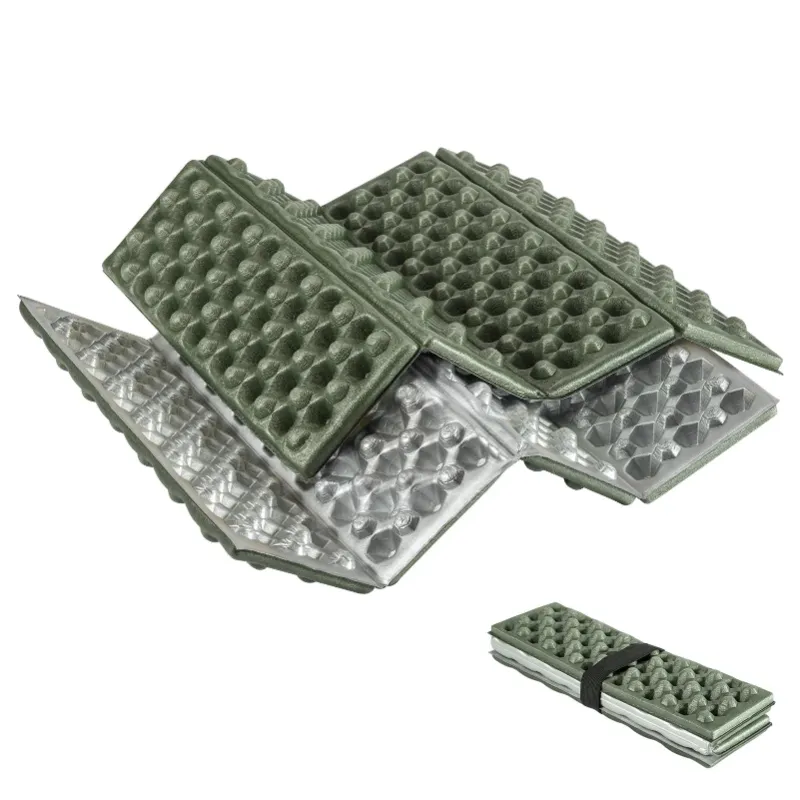
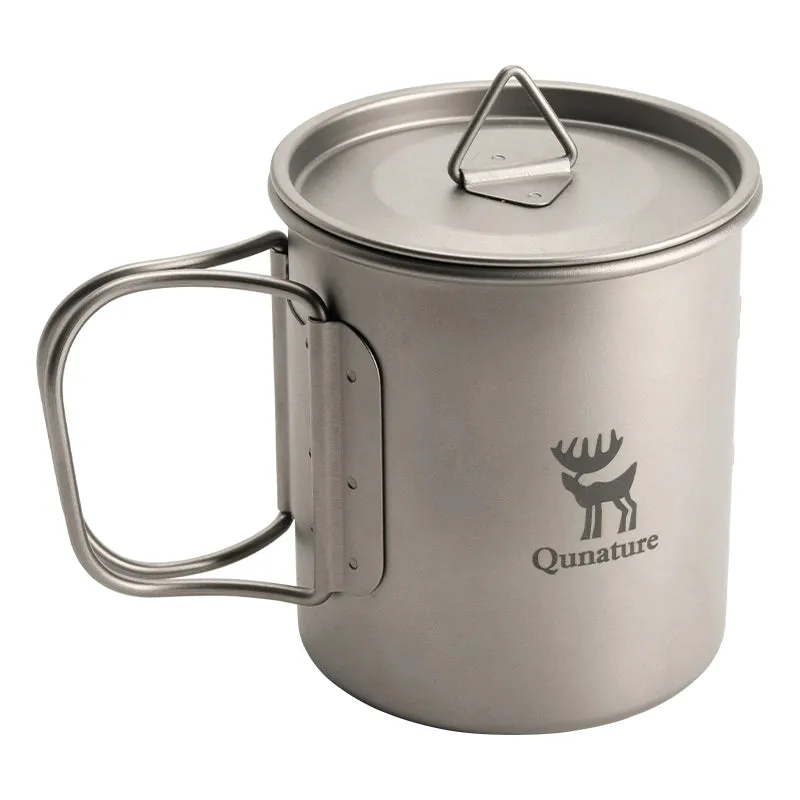
For complementary winter gear that holds up in the same conditions, the foldable seat cushion insulates you from frozen benches during breaks, and a compact 375ml cup keeps your coffee hot longer when you need to refuel.
Caring for Your Mask Between Uses
Proper maintenance extends the life of your mask and keeps it performing:
- Shake out moisture immediately after removing it, don’t stuff it wet into a pocket
- Air dry completely before storing to prevent mildew in synthetic fabrics or odor in wool
- Wash every 3 to 5 wears in cold water with mild detergent, no fabric softener that clogs fibers
- Avoid high heat in the dryer, which degrades elastic and shrinks some materials
If your mask develops a permanent damp smell or the elastic loses stretch, it’s time to replace it. Most quality masks last two to three seasons with regular use.
Check the latest pricing and active discount code to stock up before the coldest months hit.
The Bottom Line on Warmth vs Hype
Thermal face masks genuinely work in extreme cold when you match the fabric to your activity level and ensure a wind-blocking fit. They’re not magic (you’ll still feel cold if the rest of your body is under-layered) but they eliminate the sharp sting of frigid air on exposed skin and measurably reduce heat loss from your head and neck. For most winter outdoor enthusiasts, a well-chosen mask becomes as essential as gloves or a hat once temps drop into the single digits or below.
Questions
How cold does it need to be before a thermal face mask is necessary?
Most people benefit from a thermal mask once temperatures drop below 20°F (-7°C) or when wind chill pushes the feels-like temp into single digits. If your cheeks or nose start to sting or go numb during your usual outdoor activities, it's time to add face coverage.
Can I wear a thermal mask with glasses without fogging?
Yes, if you choose a mask with a moldable nose bridge that seals against your face and direct your breath downward through your mouth. Pairing it with anti-fog goggles or vented eyewear helps, and tucking the top edge of the mask under goggle foam creates a better seal.
Do I need to wash my face mask after every use?
Not necessarily. Air drying it completely between wears is enough for 3 to 5 uses, but wash it sooner if it gets visibly dirty, smells, or you've been sweating heavily. Regular washing prevents bacteria buildup and keeps the fabric breathing properly.
Will a neoprene mask keep me warmer than fleece?
Neoprene provides slightly more insulation but traps moisture against your skin, making it better for short exposures or low-activity use. Fleece breathes better and manages sweat more effectively during active winter sports or longer outings.
Can I use a thermal face mask for winter cycling or running?
Absolutely. A breathable thermal mask blocks wind chill while you're moving at speed, which is when exposed skin loses heat fastest. Choose a moisture-wicking fabric and a design that stays in place without shifting when you turn your head.
How do I stop ice from forming on my mask in subzero temps?
Direct your exhaled breath downward by angling your lower lip forward, and choose a mask with exhaust vents near the mouth. In extreme cold, layering a thin wicking liner underneath catches moisture before it freezes on the outer fabric.
Products in this guide
 Shopping at Qunature Global? See the discount code
15% OFF All Orders
Shopping at Qunature Global? See the discount code
15% OFF All Orders
More in this series
Are Foldable Seat Cushions Durable Enough for Daily Use?20 Aug 20265 minHow Long Do Anti-Fog Winter Goggles Stay Fog-Free?20 Aug 20264 min Best Foldable Grill for Camping: What to Look for Before You Buy20 Aug 20265 minRimless vs Framed Ski Goggles: Which Design Performs Better?20 Aug 20264 min
 How to Install a Bike Rear Rack with Bag: Step-by-Step Guide20 Aug 20266 min