 A Qunature Global guide
How Long Do Anti-Fog Winter Goggles Stay Fog-Free?
Anti fog winter goggles typically stay fog-free for 1 to 3 seasons depending on coating quality, care habits, and how often you ride.
Anti fog winter goggles typically stay fog-free for one to three seasons of regular use, though high-quality models with durable hydrophilic coatings can last longer when cared for properly. The longevity depends on coating technology, how often you touch the lens, storage conditions, and whether you clean them correctly.
What Makes Anti-Fog Coatings Wear Out
The anti-fog treatment on your goggles is a microscopic layer that either absorbs moisture or prevents water droplets from forming. Every time you wipe the inside lens with your glove, stuff the goggles in a wet pocket, or leave them face-down on a dashboard, you degrade that coating.
The most common factors that shorten fog-free performance include:
- Touching the inner lens: Oils from fingers and fabric abrasion remove coating molecules with each contact
- Improper cleaning: Using paper towels, harsh chemicals, or rubbing motions instead of gentle dabbing
- Heat exposure: Leaving goggles in a hot car or near a heater breaks down hydrophilic polymers
- Poor ventilation habits: Blocking vents with a hat brim or face covering traps moisture and overworks the coating
- Storage mistakes: Storing goggles in damp bags or without a protective pouch invites mold and residue buildup
How Long Different Coating Types Last
Not all anti-fog treatments are equal. Understanding which technology your goggles use helps set realistic expectations and care routines.
| Coating Type | Typical Lifespan | Best For |
|---|---|---|
| Basic spray-on | 10-20 days of use | Budget goggles, occasional riders |
| Factory hydrophilic | 1-2 seasons | Recreational skiing, moderate conditions |
| Dual-pane thermal | 2-3+ seasons | Frequent riders, extreme cold, high-output activities |
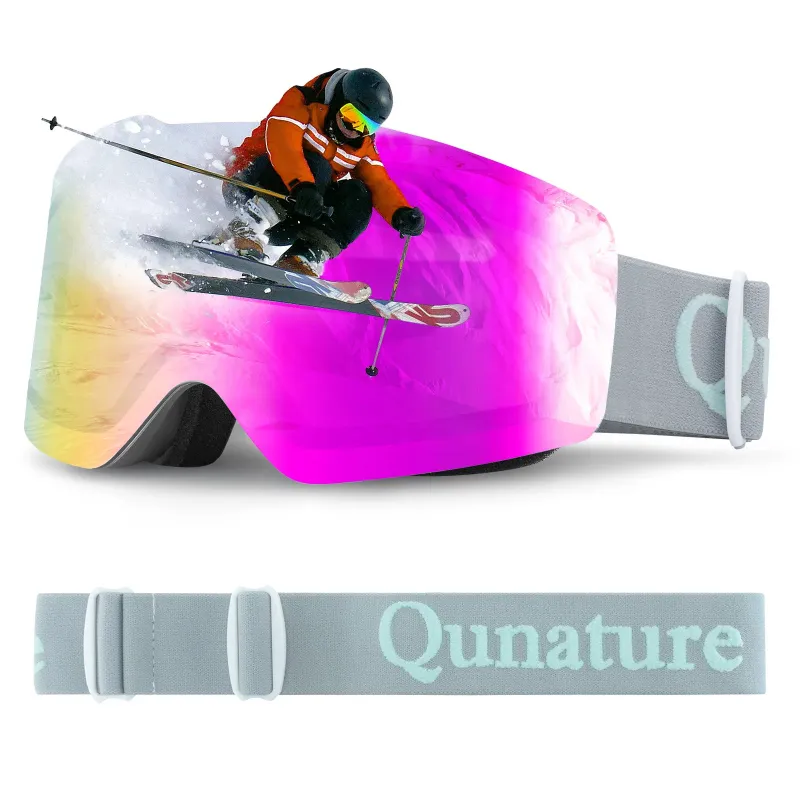
Dual-pane designs like those in ski goggles no frame models physically separate warm interior air from cold exterior surfaces, reducing reliance on chemical coatings alone. This extends fog-free performance and works better in sub-zero temps where moisture condenses faster.
For current pricing and to grab the code for 15% off, visit the store page before your next trip.
Signs Your Goggles Are Losing Anti-Fog Performance
You will notice degradation gradually rather than all at once. Watch for these warning signs that your coating is wearing thin:
- Fog patches in the center: The most-touched area fails first, leaving peripheral vision clear but the middle obscured
- Slower clearing time: Fog that used to dissipate in seconds now lingers for minutes
- Streaky appearance: Uneven coating creates water-repellent spots next to areas that bead up
- Persistent haze after wiping: Instead of crystal clarity, you see a film even when dry
If you catch these early, re-applying a compatible anti-fog spray can extend usability for another season. However, once the factory coating is fully compromised, aftermarket sprays only provide temporary relief.
How to Extend the Life of Anti Fog Winter Goggles
Simple habits can meaningfully extend coating lifespan without any special products. Implement these practices from day one:
After every ride:
- Shake off loose snow and let goggles air-dry at room temperature before storing
- Never wipe the inner lens; gently dab with the provided microfiber bag if absolutely necessary
- Store in a ventilated goggle case or hang them where air circulates
During your session:
- Remove goggles between runs to let moisture evaporate naturally rather than trapping it against your face
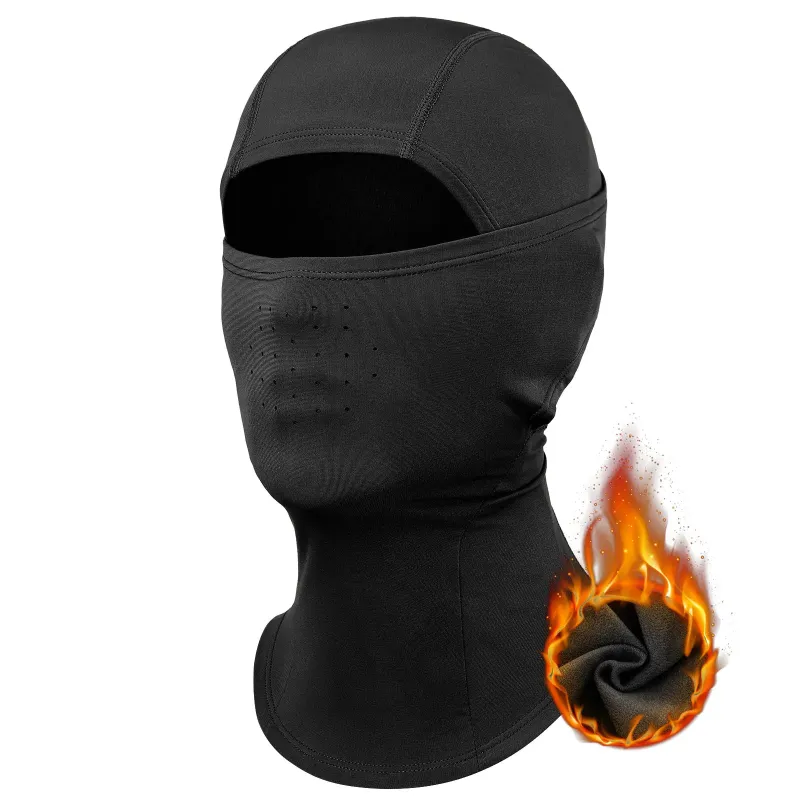
- Pair with a thermal mask that routes breath away from the goggle seal instead of funneling warm air upward
- Keep vents clear and unobstructed; adjust your helmet position if it blocks airflow
Seasonal maintenance:
- Rinse goggles under lukewarm water to remove salt, sunscreen, and dust without scrubbing
- Inspect the foam seal for compression or damage that allows humid air to seep in
- Replace worn straps or buckles that let goggles shift and break the seal
Many riders also invest in rimless ski goggles for their superior airflow design, which reduces fogging incidents and lessens the workload on the coating itself.
When to Replace vs. Re-Treat Your Goggles
Deciding whether to buy new goggles or revive your current pair depends on the extent of coating damage and the condition of other components.
Re-treat if:
- The frame, strap, and foam are in good shape
- Fogging only occurs in extreme conditions (heavy exertion, wet snow, temps above freezing)
- You can still see clearly in most situations with occasional dabbing
Replace when:
- The inner lens shows scratches, cracks, or permanent hazing
- Foam padding is compressed and no longer seals properly
- You experience fogging within the first few minutes of every run, even in cold, dry conditions
- The outer lens is too scratched to see through safely
For riders who log 30+ days per season, budgeting for new goggles every two years is realistic. Recreational skiers who ride 5 to 10 days annually can often stretch a quality pair like our anti fog winter goggles to four or five seasons with diligent care.
Check the latest price and current discount code to stock up before your next winter adventure.
Comparing Anti-Fog Performance Across Goggle Styles
Frame design influences how long your goggles stay clear. Frameless and minimalist styles typically offer better ventilation, while full-frame models provide more foam contact for sealing.
Frameless advantages:
- Wider vent channels that move air faster
- Less material to trap moisture near the lens
- Easier to clean without catching cloth on frame edges
Full-frame advantages:
- Better seal against wind-driven snow that can overload vents
- More surface area for foam, reducing gaps that let humid air in
- Often accommodate prescription inserts without compromising airflow
Regardless of style, prioritize models with at least two-layer foam and adjustable venting. These features give you control over airflow and ensure a custom seal that keeps the anti-fog system working at peak efficiency for as many seasons as possible.
Questions
How long do anti fog winter goggles typically last before fogging starts?
Most quality goggles with factory anti-fog coatings stay fog-free for one to three seasons of regular use. Dual-pane thermal models and those with hydrophilic coatings last longer than basic spray-on treatments, especially when you avoid touching the inner lens and store them properly.
Can I reapply anti-fog coating to extend my goggles' lifespan?
Yes, aftermarket anti-fog sprays and wipes can restore some performance once the factory coating wears down. However, they provide temporary relief and require reapplication every few days, unlike permanent factory treatments that last entire seasons.
Why do my goggles fog up even though they are supposed to be anti-fog?
Anti-fog coatings wear out from touching the inner lens, improper cleaning, heat exposure, or poor ventilation. Blocked vents, compressed foam seals, and storing goggles in damp conditions also degrade performance faster than normal use.
Do frameless ski goggles stay fog-free longer than full-frame models?
Frameless designs often maintain clarity longer in high-exertion activities because they offer better airflow and fewer surfaces to trap moisture. Full-frame goggles can perform equally well when they feature quality ventilation systems and dual-pane lenses.
How should I store my goggles to keep the anti-fog coating working?
Let goggles air-dry at room temperature after each use, never wipe the inner lens, and store them in a ventilated case or microfiber bag. Avoid leaving them in hot cars, damp pockets, or face-down on surfaces that can scratch or contaminate the coating.
Is it worth buying expensive goggles for better anti-fog performance?
Higher-priced goggles typically use dual-pane thermal designs and durable hydrophilic coatings that last two to three seasons or more, compared to budget models that may need replacing or re-treating after one season. The investment pays off for frequent riders.
Products in this guide
Shopping at Qunature Global? See the discount code
15% OFF All Orders
More in this series
 Are Foldable Seat Cushions Durable Enough for Daily Use?20 Aug 20265 min
 Best Foldable Grill for Camping: What to Look for Before You Buy20 Aug 20265 minDo Thermal Face Masks Really Keep You Warm in Extreme Cold?20 Aug 20264 minRimless vs Framed Ski Goggles: Which Design Performs Better?20 Aug 20264 min
 How to Install a Bike Rear Rack with Bag: Step-by-Step Guide20 Aug 20266 min