 A Qunature Global guide
Rimless vs Framed Ski Goggles: Which Design Performs Better?
Rimless ski goggles deliver superior peripheral vision and lighter weight, while framed designs provide more impact protection and durability for aggressive riding.
Rimless Ski Goggles vs Framed: Which Design Performs Better?
Rimless ski goggles typically outperform framed models in peripheral vision and weight, but framed goggles win on durability and lens protection. The right choice depends on your skiing style, face shape, and whether you prioritize panoramic views or maximum lens security.
How Rimless and Framed Designs Differ
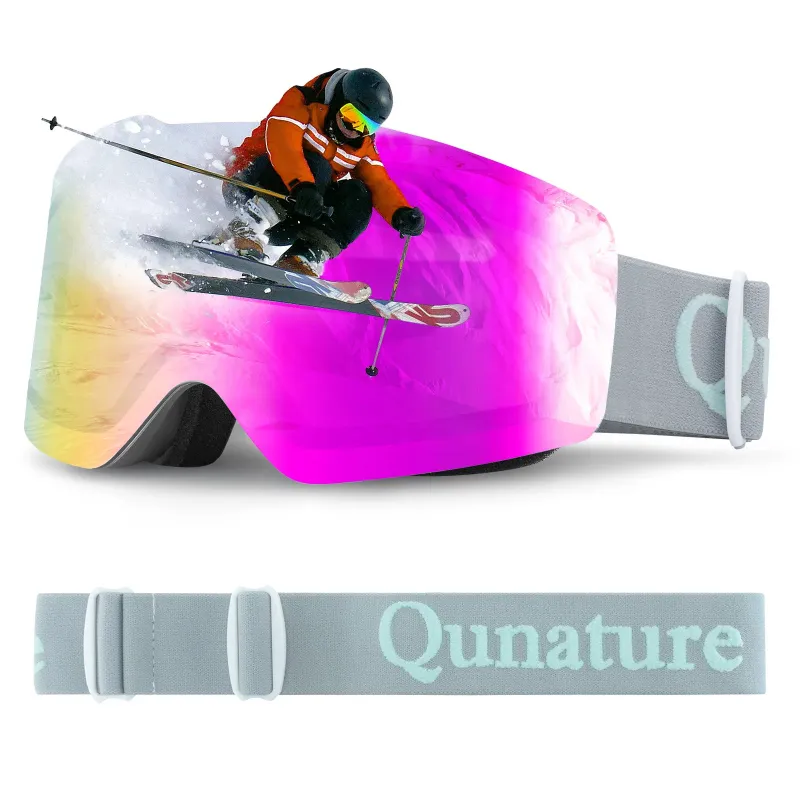
The core distinction lies in how the lens attaches to the goggle body. Framed goggles use a plastic or composite rim that wraps around the entire lens perimeter, adding structure and protecting the lens edge. Rimless designs, including popular ski goggles no frame models, bond the lens directly to the foam and strap system with minimal or no visible frame material.
This construction difference creates measurable trade-offs:
- Field of view: Rimless goggles eliminate the bottom and side frame obstruction, expanding peripheral vision compared to traditional framed models
- Weight: Removing frame material reduces overall weight, easing pressure on your nose bridge during long days
- Lens security: Framed designs hold the lens more securely against impacts and flexing, while rimless models rely on adhesive bonding and tension
- Aesthetic: Rimless goggles offer a sleeker, more modern look that many riders prefer
When shopping for either style, check the latest price to compare current offers across both frame types.
Peripheral Vision and Optical Clarity Compared
Rimless goggles are built to reduce the lower-frame shadow that can obscure moguls or terrain changes directly below your line, widening usable peripheral vision.
The optical advantage becomes most noticeable in three scenarios:
- Tree skiing: spotting obstacles and gaps in your periphery without turning your head
- Racing or high-speed carving: tracking gates or other skiers while maintaining forward focus
- Flat light: maximizing visible terrain when contrast is already limited
Framed goggles still provide excellent clarity, but the rim creates a subtle border in your lower and side vision. For riders who prioritize an unobstructed view, rimless ski goggles are the clear winner. Pair them with anti fog winter goggles technology to maintain that clarity in variable conditions.
Durability and Lens Protection in Real Conditions
Framed goggles prove more resilient in three key areas: edge impact, lens flex, and long-term bonding integrity. The protective rim absorbs hits from tree branches, other skiers’ equipment, and storage jostling that would directly strike a rimless lens edge.
Lens retention under stress also favors framed designs. Hard falls or goggle adjustments can stress the adhesive bond on rimless models, occasionally causing partial separation that requires warranty replacement. Framed goggles use mechanical retention (the rim physically holds the lens) plus adhesive, creating redundant security.
That said, quality rimless goggles from reputable brands use advanced bonding techniques that perform well for most recreational skiers. If you ski aggressively, frequently ride in tight trees, or toss your gear in a crowded locker, framed goggles offer better protection. For groomed runs and careful handling, rimless durability is adequate.
Weight, Comfort, and All-Day Wearability
The weight difference between rimless and framed designs ranges from negligible to noticeable depending on frame material. Budget framed goggles with thick plastic rims can feel heavy after four or five hours, creating pressure points on your nose and cheekbones. Premium framed models using lightweight composites narrow the gap significantly.
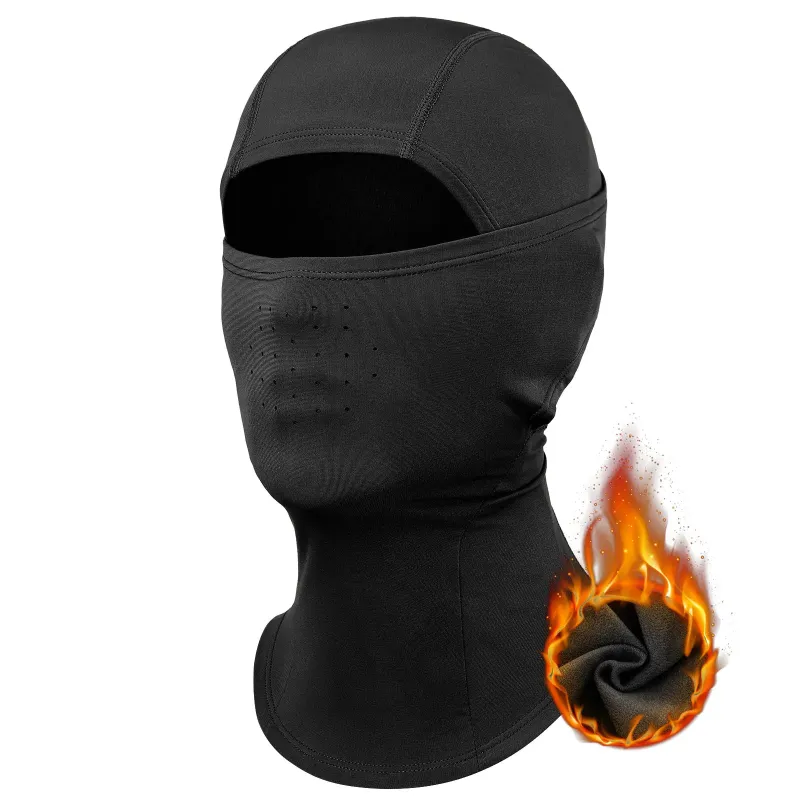
Rimless goggles consistently feel lighter and less intrusive. The reduced mass means less downward pressure, which matters if you wear goggles over a thermal mask or have a smaller face that concentrates weight on fewer contact points.
Comfort factors to consider:
- Foam contact: rimless designs often use wider foam distribution since there’s no rigid frame to anchor pressure points
- Helmet compatibility: both styles fit modern helmets, but rimless goggles’ flexibility can improve the seal on some helmet shapes
- Ventilation: framed goggles may channel airflow differently, though modern venting systems in both designs perform similarly
Which Design Suits Your Skiing Style?
Match your goggle frame style to how and where you ski:
| Skiing Style | Best Choice | Why |
|---|---|---|
| Groomers and resort cruising | Rimless | Maximum visibility, lighter weight, modern aesthetic |
| Backcountry and tree skiing | Framed | Better edge protection, more durable in variable terrain |
| Racing or aggressive carving | Rimless | Peripheral vision advantage for tracking gates and speed |
| Park and freestyle | Framed | Superior impact resistance for falls and trick landings |
Beginners benefit from framed goggles’ added durability while learning, since early-season falls and equipment mishandling are common. Intermediate to advanced skiers who prioritize vision and weight will appreciate rimless designs.
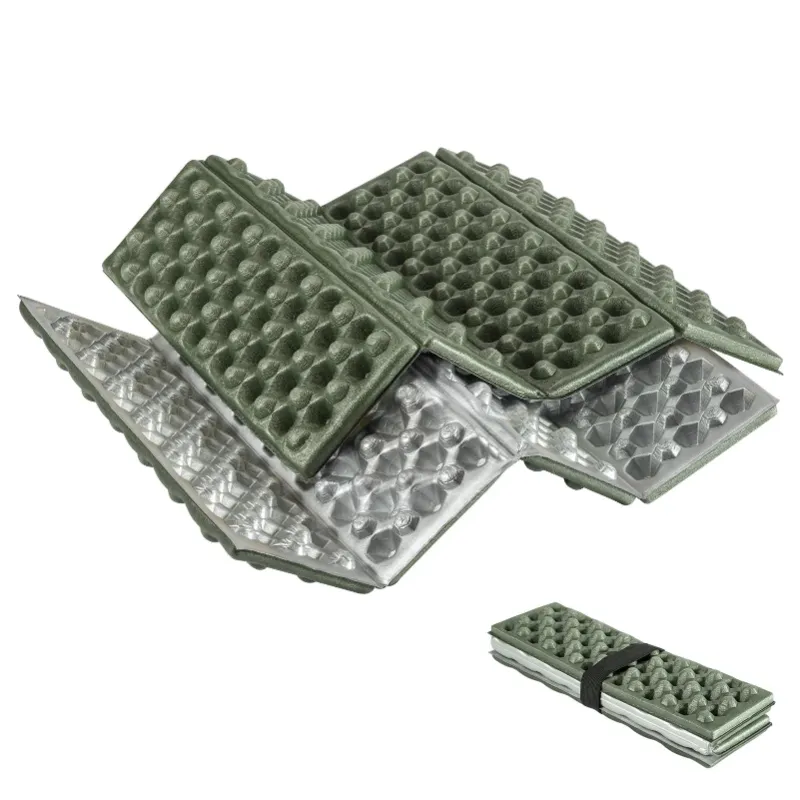
If you’re building a complete winter kit, grab accessories like a foldable seat cushion for lift rides and warm-up breaks. You can grab the code for 15% off across all orders to outfit your entire season.
Care and Maintenance for Both Frame Types
Rimless goggles require slightly more careful handling to protect the exposed lens edges and bonding points. Always store them in a hard case or protective pouch, never lens-down in a gear bag where edges can contact hard objects. Clean rimless lenses by dabbing (not wiping) with a microfiber cloth to avoid stressing the bond line.
Framed goggles tolerate rougher handling but still benefit from proper care. The rim can trap moisture and debris at the lens-frame junction, so rinse with lukewarm water after salty or muddy days and let air-dry completely before storage.
Both designs last multiple seasons when you follow these guidelines:
- Never wipe the interior lens surface (damages anti-fog coating)
- Avoid leaving goggles on hot dashboards or in direct sun (degrades foam and adhesives)
- Replace lenses at the first sign of deep scratches that affect vision
- Check strap elasticity annually and replace if stretched or frayed
Proper maintenance preserves optical clarity and structural integrity regardless of frame style, ensuring your investment performs season after season.
Questions
Do rimless ski goggles fog up more than framed goggles?
No, fogging depends on ventilation design and lens coating, not frame style. Both rimless and framed goggles use similar anti-fog technologies and vent systems, so performance is comparable when properly maintained.
Can I replace lenses on rimless goggles as easily as framed models?
Lens replacement is typically easier on framed goggles because you release mechanical clips or tabs. Rimless designs often use proprietary bonding or snap systems that vary by brand, and some models require professional replacement.
Are ski goggles no frame suitable for prescription inserts?
Most rimless goggles accommodate prescription inserts if the goggle has sufficient internal volume. Check the manufacturer's specs, as some ultra-low-profile rimless designs lack clearance for insert frames.
Which frame type works better in extreme cold?
Framed goggles handle extreme cold slightly better because the rigid frame maintains lens tension as adhesives become brittle. Rimless goggles can experience temporary bond stiffness below negative 20 degrees Fahrenheit, though quality models use cold-resistant adhesives.
Do rimless goggles cost more than framed designs?
Rimless goggles often carry a 10 to 20 percent premium because the bonding process and tooling are more complex. However, pricing overlaps significantly, and you'll find budget and premium options in both categories.
Can I use the same helmet with both rimless and framed ski goggles?
Yes, modern helmets are designed to work with both frame styles. Rimless goggles may conform slightly better to certain helmet shapes due to increased flexibility, but fit compatibility is generally universal.
Products in this guide
Shopping at Qunature Global? See the discount code
15% OFF All Orders
More in this series
Are Foldable Seat Cushions Durable Enough for Daily Use?20 Aug 20265 minHow Long Do Anti-Fog Winter Goggles Stay Fog-Free?20 Aug 20264 min Best Foldable Grill for Camping: What to Look for Before You Buy20 Aug 20265 minDo Thermal Face Masks Really Keep You Warm in Extreme Cold?20 Aug 20264 min
 How to Install a Bike Rear Rack with Bag: Step-by-Step Guide20 Aug 20266 min