 A Affordable Pet Labs guide
When Should You Test Your Dog for Heartworms? A Seasonal Guide
Learn when to test your dog for heartworms by season and how a dog dna test can complement your dog's annual health screening routine.
Test your dog for heartworms once a year, every year, even if your dog takes a preventive all year round, and test sooner if your dog shows signs such as a lasting cough or tiring easily. The American Heartworm Society recommends testing every 12 months. Many owners tie the yearly test to spring, before mosquito season picks up, but the right timing for your dog depends on where you live and on your vet’s advice.
Why you should test your dog for heartworms every year
Heartworm disease is spread by mosquitoes. An infected mosquito passes tiny larvae to a dog when it bites, and over the following months those larvae grow into adult worms that live in the heart and the blood vessels of the lungs. Left untreated, heartworm disease can cause lasting damage to the heart and lungs and can be fatal.
Timing matters because of a lag. Heartworms take about six months after infection to show up on a standard antigen test, which detects adult female worms. A dog bitten late in one season may still test negative early the next. That is one reason testing is a yearly habit rather than a one-off.
Testing still matters for dogs on prevention. No preventive is 100% effective: a dose can be missed, given late, spat out or vomited up. A yearly test catches an infection early, when your vet has the most options.
Spring: a common time for the yearly test
Many vets schedule the annual heartworm test in spring. Mosquito season is starting in many places, so a spring test confirms your dog is negative before the busiest months. If your dog missed doses of prevention over the winter, a test before restarting is especially important, since some preventives should not be given to a dog that already has heartworms.

Spring is also a common time to look at seasonal itching. If your dog scratches more as plants bloom, ask your vet whether allergy testing makes sense. Affordable Pet Labs sells a dog allergy test that uses a hair sample; share any result with your vet before changing food or treatment.
Summer: peak mosquito season
Summer is when mosquitoes are most active in many regions. Keep your dog’s preventive on schedule, and talk to your vet if your dog travels to warmer or more humid areas, spends long hours outdoors or lives near standing water, since those raise the risk.
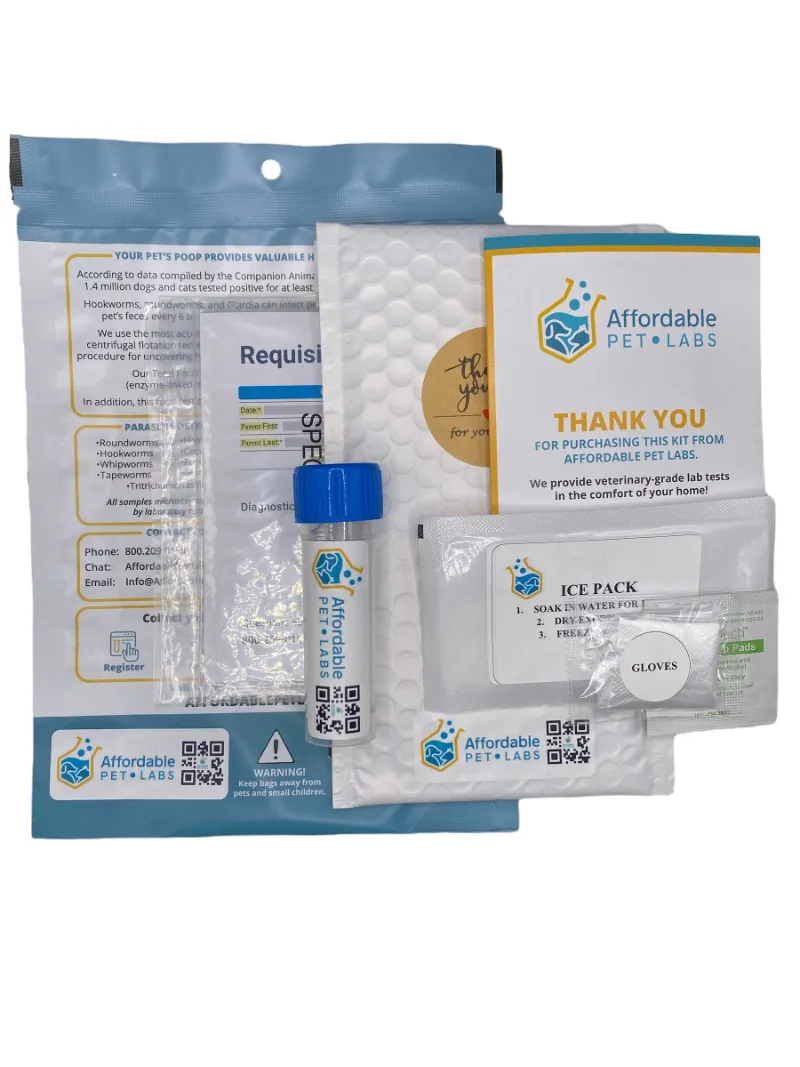
Warm weather also suits intestinal parasites. A dog fecal test screens a stool sample for them and can be a sensible routine check alongside the heartworm test.
Signs that mean you should call your vet now
| Sign | Why it matters | What to do |
|---|---|---|
| A mild, lasting cough | Can be an early sign of heartworm disease | Book a vet visit |
| Tiring after mild exercise | Can point to heart or lung strain | Book a vet visit |
| Weight loss or poor appetite | Can come with ongoing infection | Book a vet visit |
| Swollen belly or trouble breathing | Can mean advanced disease | Seek urgent vet care |
Many infected dogs show no signs early on, which is why routine testing matters. If you see any of these signs, do not wait for your usual test date.
Fall and winter: keep going
In colder places, mosquitoes are less active in winter, but the risk is not zero. Mild spells, warm homes and garages can let mosquitoes survive, and seasons vary from year to year. The American Heartworm Society advises giving prevention 12 months a year, so check with your vet before you pause it.
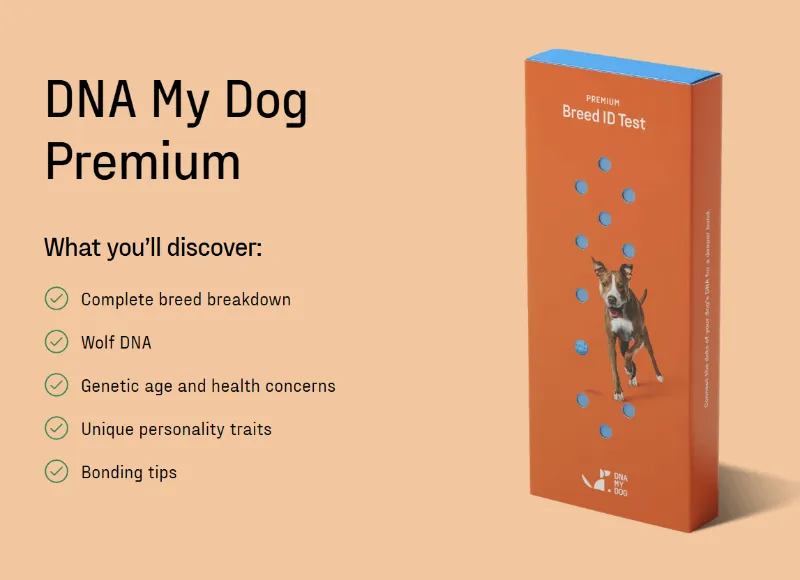
Quieter months are a good time for checks that do not depend on the season. If your dog is a mixed-breed rescue, a dog DNA breed test can suggest its breed mix. Some DNA tests also screen for inherited conditions, such as degenerative myelopathy or von Willebrand’s disease, so check the listing for what the panel covers. The Cornell University College of Veterinary Medicine explains how DNA testing can help breeders and owners by identifying carriers of inherited diseases.
If your dog has ongoing itching, ear problems or an upset stomach, ask your vet about food sensitivities. Affordable Pet Labs also lists a dog food sensitivity test; food allergies are usually confirmed with an elimination diet that your vet guides.
Heartworm test vs other home health tests
Each test answers a different question. Check each listing for the exact sample type before you order.
| Test | What it looks at | Best for |
|---|---|---|
| Heartworm test | Signs of heartworm infection | The yearly check |
| Dog allergy test | Possible environmental and food triggers | Ongoing itching or skin trouble |
| Dog fecal test | Intestinal parasites | Routine checks, digestive upset |
| Dog DNA test | Breed mix, and some genetic markers | Mixed-breed dogs, health planning |
| Dog food sensitivity test | Possible reactions to foods | Ongoing stomach or skin problems |
A DNA test does not check for heartworms or any other parasite. For heartworm you need a heartworm test, and it is worth confirming on the heartworm test listing that it includes a heartworm antigen check before you order.
How to choose the right test for your dog
- For heartworm: test every year, and sooner if you see warning signs. Keep prevention going as your vet advises.
- For breed mix: a DNA test is usually a once-in-a-lifetime purchase and most useful for dogs with an unknown history.
- For itching: ask your vet to rule out fleas and infections first, then discuss allergy or food testing.
- For gut health: a fecal test pairs well with the yearly heartworm check, especially for dogs that eat things they should not.
If you want to compare DNA tests, Wisdom Panel and Embark are two well-known breed identification brands to look at alongside Affordable Pet Labs.
Ordering and what to expect
Affordable Pet Labs sells mail-in kits: you collect the sample at home, send it to the lab and get the results back. Read the listing for the sample each kit needs and the expected turnaround, and follow the collection instructions closely. Share every result with your vet, who will confirm a positive heartworm result and plan treatment; never start or change heartworm medicine on your own.
Before you check out, see the current Affordable Pet Labs discount code. A yearly heartworm test, steady prevention and a vet who knows your dog are the simplest way to protect its heart and lungs.
Questions
How often should I test my dog for heartworms?
The American Heartworm Society recommends testing every 12 months, even if your dog is on year-round prevention. Your vet may suggest a different schedule based on where you live and your dog's history.
Can I test my dog for heartworms at home?
Some brands sell mail-in kits. Check the listing to confirm the kit includes a heartworm antigen check and what sample it needs, and share any result with your vet, who will confirm it and plan treatment.
Does a dog DNA test check for heartworms?
No. A DNA test looks at breed mix and some genetic markers. It does not screen for heartworms or other parasites, so you need a separate heartworm test.
What time of year should I test my dog for heartworms?
Many vets schedule the yearly test in spring, before mosquito season picks up. What matters most is testing every year and sooner if your dog shows signs such as a lasting cough or tiring easily.
Do I need to test in winter if I live in a cold climate?
The yearly test is enough for most dogs, but mosquitoes can survive mild spells and warm indoor spaces. Keep prevention going as your vet advises rather than stopping it for the winter on your own.
Products in this guide

 Shopping at Affordable Pet Labs? See the discount code
15% OFF All Orders
Shopping at Affordable Pet Labs? See the discount code
15% OFF All Orders