 A Affordable Pet Labs guide
At-Home Cat Allergy Tests: What They Can and Cannot Tell You
An at-home cat allergy test can identify what is making your pet scratch, sneeze, or lose fur without a stressful vet visit. We explain how the kits work, what they cost, and how to use the results.
At-home cat allergy tests can help an itchy cat, but only as a starting point. A kit can point you toward possible triggers such as dust mites, pollens, molds or certain food proteins, which gives you and your vet something concrete to discuss. It cannot diagnose an allergy on its own, and it does not replace a vet visit, especially when the itching is severe.
What at-home cat allergy tests measure
Allergy tests for cats generally look for signs that the immune system is reacting to specific substances. The best known lab method is serum IgE testing, often called RAST, which measures antibodies in a blood sample. VCA Hospitals explains how it works and where it fits in an allergy workup in its guide to RAST Testing in Cats.

Home kits differ in the sample they use (blood, saliva or hair) and in which allergens they cover. Before you order the Affordable Pet Labs cat allergy test, read the listing for three things: the sample type, the list of allergens on the panel, and what the report includes. Those details tell you far more about what you are buying than the product name does.
Keep in mind what a screening result is. A high reading suggests a possible trigger worth discussing with your vet; a low reading does not rule an allergy out. Vets usually diagnose allergies by ruling out other causes first, and food allergies are normally confirmed with an elimination diet that your vet supervises.
How an at-home cat allergy test works
Most home kits follow the same basic process:
- Register the kit online, if the instructions ask you to, so the lab can match your sample to you.
- Collect the sample exactly as the instructions describe, using the tools in the box.
- Seal and label the sample in the packaging provided.
- Mail it back promptly so it reaches the lab in good condition.
- Read the report when it arrives, then book a chat with your vet.
Pick a calm moment for collection, such as after a meal or a nap, and have a second person help hold your cat if needed. If collecting the sample would mean restraining a frightened or aggressive cat, stop and ask your vet for help instead.
Home kit vs vet allergy testing
| Factor | At-home cat allergy test | Allergy testing through your vet |
|---|---|---|
| Sample | Depends on the kit, check the listing | Usually a blood sample, sometimes intradermal skin testing via a dermatologist |
| Cost | Kit price only | Exam and lab fees, plus any referral |
| Convenience | Collect at home and mail in | Clinic visit, and your cat may need handling or sedation |
| Interpretation | You read it, then share it with your vet | Your vet reviews it with your cat’s history |
| Best use | A first look at possible triggers | Diagnosis and planning treatment |
A home test is a practical first step for a cat with mild, ongoing itch. For a cat with severe symptoms, or where your vet is considering allergy shots or drops, testing through the clinic is the better route.
What to do after you get your results
Take the report to your vet rather than acting on it alone. Depending on what they find, they may suggest:
- Environmental changes if dust mites, pollens or molds show up, such as washing bedding often, vacuuming and reducing dust where your cat sleeps.
- An elimination diet if food proteins appear, run for several weeks under your vet’s direction.
- Allergy treatment for more severe environmental allergies, which only your vet can plan and prescribe.
- Symptom tracking in a simple diary of scratching, grooming, skin and ears, so you can both see whether changes help.
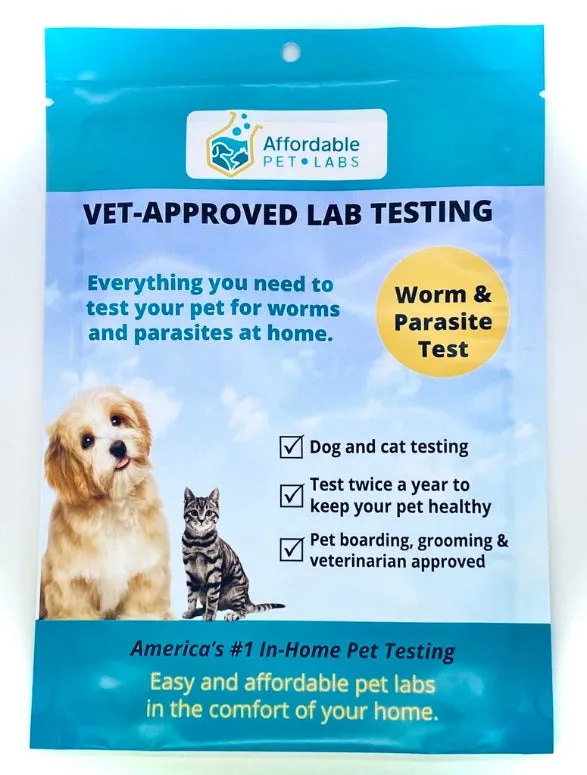
Parasites and other health problems can look like allergies. Fleas are a common cause of itching, and gut parasites can cause vomiting or diarrhea. If your cat also has digestive signs, the cat fecal test from the same brand screens for intestinal parasites and can be worth discussing with your vet at the same time.
Which cats an allergy test kit may suit
A kit may be worth considering if your cat shows signs like these and your vet has already ruled out fleas:
- Frequent scratching, biting or over-grooming
- Hair loss, especially on the belly, back or near the base of the tail
- Recurring ear problems or red, waxy ears
- Sneezing, watery eyes or a runny nose
- Vomiting or diarrhea that may be linked to food
If your cat has open sores, is not eating, is losing weight or seems distressed, see a vet straight away rather than waiting for a mail-in result.
Tips for a usable sample
- Read all the instructions before you open the collection materials.
- Store the kit as the listing or box directs, away from heat and direct sun.
- Ask your vet whether any current medicine could affect the result before you collect.
- Post early in the week so the sample does not sit in transit over a weekend.
- Fill in the registration details completely so the lab can match your sample.
Home kits are mailed out and processed remotely, so you do not need a lab nearby. Check the listing for where the brand ships before you order.
Other tests and where to buy
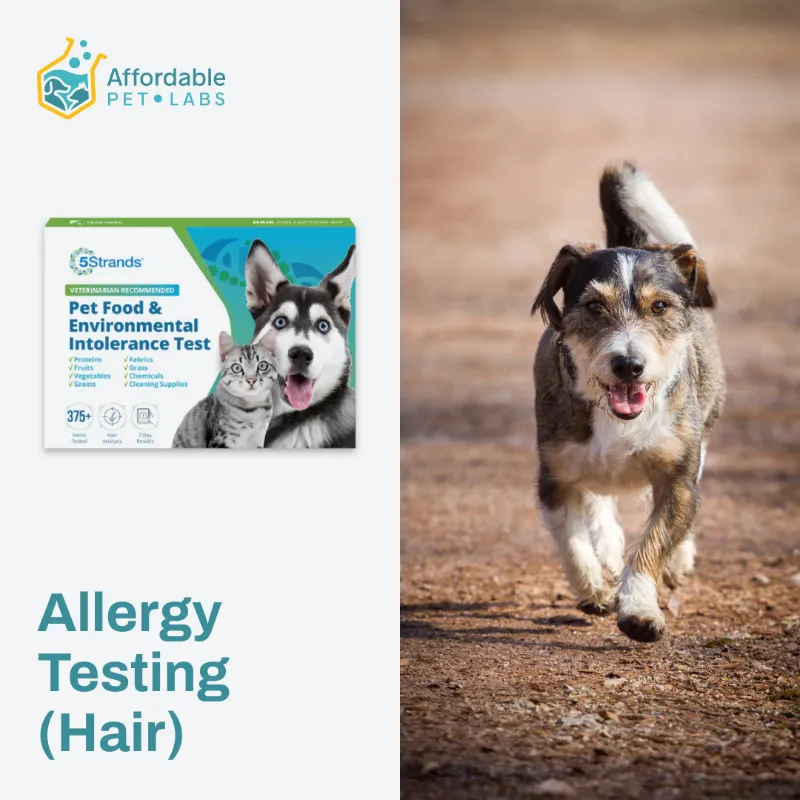
Affordable Pet Labs also sells a dog allergy test that uses a hair sample, which may interest multi-pet homes, and a pet DNA test for breed ancestry. Allergy panels are species specific, so use a cat kit for a cat and a dog kit for a dog.
Before you order, see the current Affordable Pet Labs discount code. Whatever the result, share it with your vet before you change your cat’s food or start any treatment.
Questions
Can at-home cat allergy tests help my itchy cat?
They can give you a starting point by flagging possible triggers to discuss with your vet. They cannot diagnose an allergy on their own, so share the report with your vet before changing food or starting treatment.
How accurate are at-home cat allergy tests?
It depends on the method and the sample type, so check the listing. Any screening test can give false positives or negatives, which is why vets diagnose allergies by ruling out other causes and look at results alongside your cat's history.
What is the difference between an allergy test and a food intolerance test?
An allergy test looks for an immune response to specific substances. A food intolerance or sensitivity test looks at reactions to foods that may cause digestive or skin problems. Food allergies are normally confirmed with an elimination diet guided by your vet.
Is a cat allergy test the same as a dog allergy test?
No. Allergen panels are species specific, so use a kit made for cats on your cat and a dog kit on your dog.
Do I need a vet to order an at-home cat allergy test?
Usually not; you order the kit, collect the sample and mail it in. We still suggest reviewing the results with your vet before starting any treatment plan.
Products in this guide
 Shopping at Affordable Pet Labs? See the discount code
15% OFF All Orders
Shopping at Affordable Pet Labs? See the discount code
15% OFF All Orders
More in this series
 What to Expect From a Dog Pregnancy Test: Timing, Methods and Next Steps5 Sep 20264 min
 How Accurate Is an At-Home Dog Food Sensitivity Test?5 Sep 20264 minWhen Should You Test Your Dog for Heartworms? A Seasonal Guide5 Sep 20265 min
 How to Collect a Dog Fecal Sample for an At-Home Test5 Sep 20265 min