 A Affordable Pet Labs guide
How Accurate Is an At-Home Dog Food Sensitivity Test?
We break down how accurate an at-home dog food sensitivity test really is, what it measures, and how to use the results to help your dog feel better.
A dog food sensitivity test from a reputable brand like Affordable Pet Labs is a reliable screening tool, but it is not a standalone diagnostic for true food allergies. These at-home tests identify sensitivities or intolerances that may cause digestive upset, skin issues, or lethargy, and they serve as a strong starting point before you invest in costly elimination diets or vet visits.
What a Dog Food Sensitivity Test Actually Measures

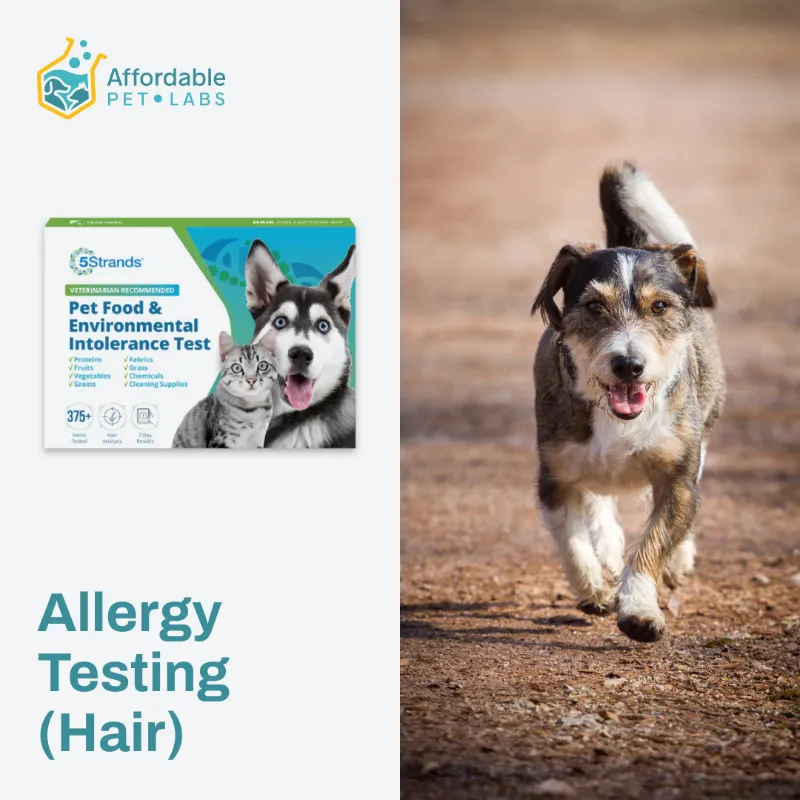
These tests work by analyzing a small hair or saliva sample for markers that indicate how your dog’s body reacts to common ingredients. The dog food sensitivity test from Affordable Pet Labs screens for dozens of food items, including proteins, grains, dairy, and additives. What it finds are sensitivities, not IgE-mediated allergies. That distinction matters. A sensitivity means the ingredient may cause a delayed, low-grade inflammatory response. A true allergy triggers an immediate immune reaction, often causing hives, swelling, or anaphylaxis. The test is excellent at flagging the first category and can help you narrow down which foods to trial or avoid.
Together, they give you a fuller picture.
How Accurate Is the Dog Food Sensitivity Test Compared to Vet Diagnostics
Accuracy depends on what you compare it to. The gold standard at a veterinary clinic is the elimination diet, where you feed a novel protein and single carbohydrate for 8 to 12 weeks, then reintroduce ingredients one at a time. That method is the most precise, but it is slow, expensive, and requires strict compliance. Many owners give up halfway through.
The at-home dog food sensitivity test is not meant to replace the elimination diet. It is meant to shortcut the guesswork. Studies on hair-based sensitivity testing show reasonable correlation with elimination diet results, especially for the most common trigger foods like chicken, beef, dairy, and wheat. You can think of the test as a priority list, telling you which ingredients to eliminate first. When you then grab the code and order a test, you get a customized report that ranks items from high reactivity to low reactivity, so you know exactly where to start.
What You Get with the Affordable Pet Labs Dog Food Sensitivity Test
The kit includes everything you need to collect a sample at home, and you mail it back with the prepaid envelope. Results arrive by email within days. Here is what is covered:
- Food items tested: Over 150 common ingredients including beef, chicken, lamb, pork, fish, eggs, dairy, soy, corn, wheat, rice, barley, and many fruits and vegetables
- Sample type: Hair (painless, noninvasive)
- Result format: Color-coded chart showing high, moderate, and low reactivity
- Actionable tips: Food rotation suggestions and ingredient substitution guides
How to Use the Results from Your Dog Food Sensitivity Test
Getting the report is only half the battle. The real value comes from acting on it. Here is our recommended approach:
- Eliminate high-reactivity items first. Remove the top 3 to 5 flagged ingredients from your dog’s diet for at least 4 weeks.
- Choose a limited ingredient diet. Look for a food that contains none of the flagged items. Single-protein, single-carb formulas work best.
- Monitor symptoms. Keep a journal of your dog’s stool quality, skin condition, energy level, and coat shine. Note any changes.
- Reintroduce slowly. After 4 weeks, add one ingredient back at a time and watch for reactions over 3 to 5 days. This confirms whether the sensitivity was real.
If you see clear improvement during the elimination phase and symptoms return during reintroduction, you have strong evidence that the test was accurate for that specific ingredient.
Dog Food Sensitivity Test vs. Other At-Home Dog Tests
Affordable Pet Labs offers a full suite of at-home tests, and it helps to know how the sensitivity test fits alongside them.
| Test Type | What It Detects | Best For |
|---|---|---|
| Dog Food Sensitivity Test | Food intolerances and sensitivities | Digestive issues, chronic ear infections, dull coat |
| Dog Allergy Test | Environmental allergens (pollen, dust, mold) | Seasonal itching, paw licking, watery eyes |
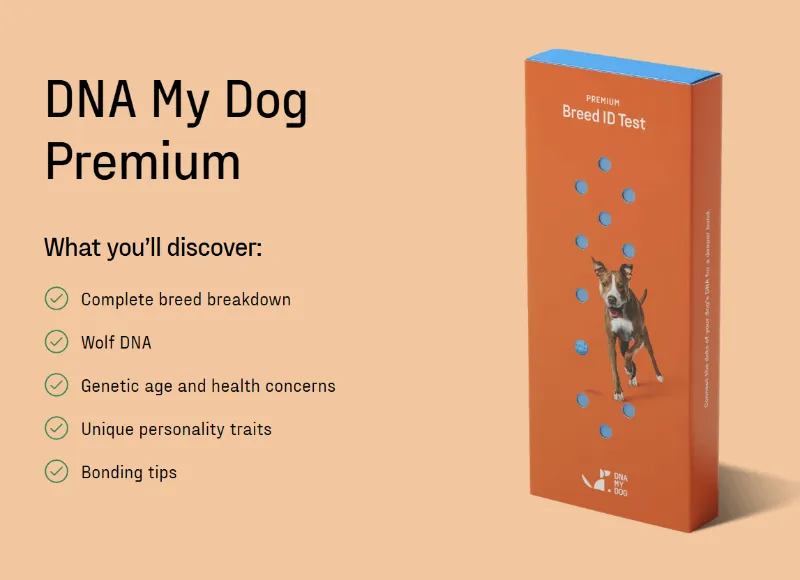
| Dog DNA Breed Test | Breed ancestry, genetic traits | Mixed-breed curiosity, health screening |
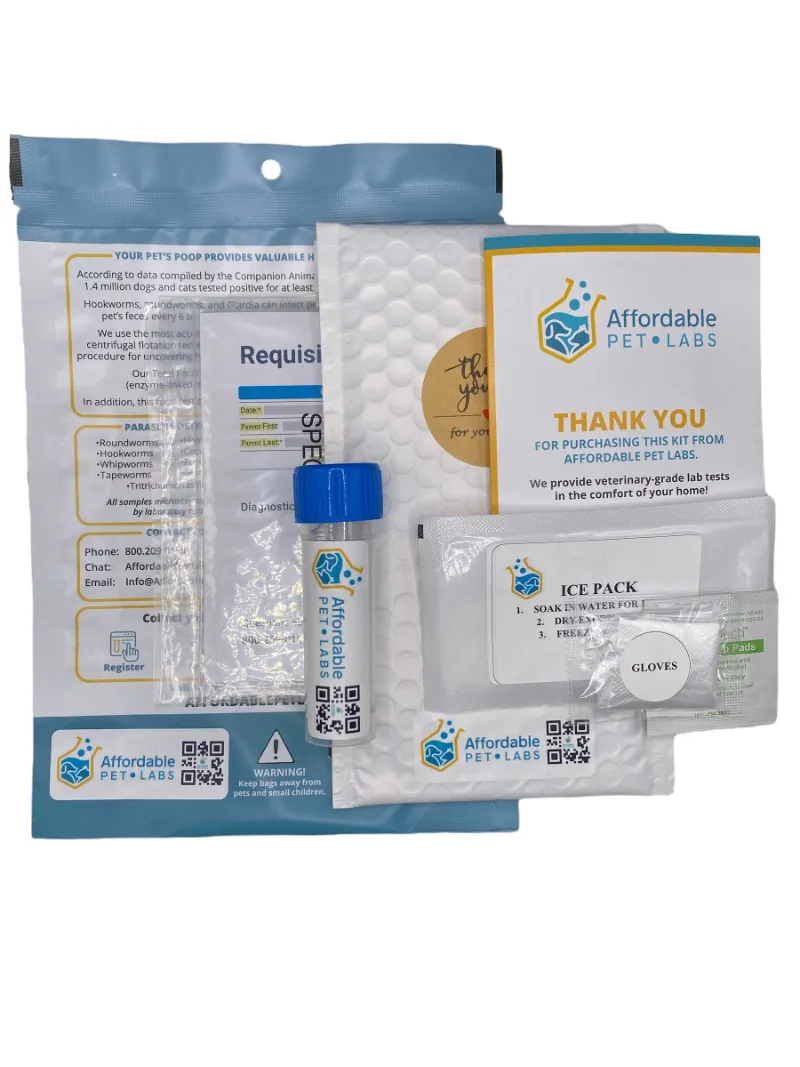
| Dog Fecal Test | Parasites, worms, giardia | Diarrhea, weight loss, scooting |
| Heartworm Test | Heartworm antigen | Annual screening, rescue dogs, travel history |

If your dog has both digestive and skin symptoms, consider running the cat allergy test alongside the sensitivity panel, as many of the same environmental triggers affect cats too. And if you have a multi-pet household, the pet dna test covers both dogs and cats.
Who Should Use an At-Home Dog Food Sensitivity Test
This test suits owners who have been dealing with vague, chronic symptoms and have not found clear answers. Common scenarios include:
- Your dog has soft stool or diarrhea that comes and goes with no obvious cause
- You notice excessive scratching, licking paws, or recurrent ear infections
- You have tried switching foods but never knew which ingredient was the problem
- You want a baseline before starting a raw or homemade diet
- You are looking for a best allergy test for dogs option that is affordable and convenient
It is also a great fit for owners who have read the Research Update: Testing for Food Allergies from Tufts and want a practical tool to implement a targeted elimination diet at home.
Our Final Take on the Dog Food Sensitivity Test
It is not a replacement for veterinary diagnosis of true food allergies, but it does give you a data-driven roadmap for dietary changes. For the price of a single vet visit, you get a comprehensive report that can save you months of trial and error. To get 15 percent off your order, check the latest price and apply the code at checkout.
Questions
How long does it take to get results from a dog food sensitivity test?
After you mail in your hair sample, results are typically emailed within 5 to 7 business days. The turnaround time is faster than most vet-referred labs.
Can a dog food sensitivity test replace a vet elimination diet?
No. The test is a screening tool that helps you identify which ingredients to eliminate first. The elimination diet is the diagnostic gold standard.
What is the difference between the dog food sensitivity test and the dog allergy test?
The food sensitivity test screens for reactions to ingredients like chicken, beef, dairy, and grains. The dog allergy test screens for environmental allergens like pollen, dust mites, and mold. Many dogs react to both, so running both panels gives you the full picture.
Is the hair sample reliable for a dog food sensitivity test?
Hair-based testing is widely used in veterinary functional medicine and has shown good correlation with elimination diet outcomes for food sensitivities. The key is following the collection instructions carefully to avoid contamination.
Can I use the dog food sensitivity test for a puppy?
Yes, the test is safe for puppies as young as 8 weeks. The hair collection is painless and noninvasive. However, puppy digestive systems are still developing, so we recommend consulting your vet before making major diet changes.
Does the dog food sensitivity test require a blood draw?
No. The Affordable Pet Labs test uses a simple hair sample, not blood. There is no needle, no stress for your dog, and no trip to the vet required.
Products in this guide
 Shopping at Affordable Pet Labs? See the discount code
15% OFF All Orders
Shopping at Affordable Pet Labs? See the discount code
15% OFF All Orders
More in this series
 What to Expect From a Dog Pregnancy Test: Timing, Methods and Next Steps5 Sep 20264 minWhen Should You Test Your Dog for Heartworms? A Seasonal Guide5 Sep 20265 minAt-Home Cat Allergy Tests: What They Can and Cannot Tell You5 Sep 20264 minHow to Collect a Dog Fecal Sample for an At-Home Test5 Sep 20265 min