 A LifeBasis guide
Why Your Stud Finder Keeps Missing Metal Studs (and How to Fix It)
A stud finder for metal works differently than one designed for wood, and understanding that gap is the key to never missing a stud again.
A reliable stud finder for metal is the difference between a clean, confident wall job and a frustrating afternoon of false readings and missed marks. Most people blame their tool when the real problem is technique, settings, or a mismatch between the tool type and the wall material. This guide walks through every common reason a stud finder misses metal and exactly what to do about it.
Why a Stud Finder for Metal Behaves Differently Than You Expect
Wood studs and metal studs interact with detection technology in opposite ways, and that trips up a lot of DIYers.
- Magnetic vs. edge-detection modes: Basic magnetic stud finders hunt for drywall screws or nails, not the stud itself. When metal studs are fastened with self-tapping screws, the signal profile changes enough to cause misses.
- AC detection interference: Many stud finders include live-wire detection that can mask a nearby metal stud signal entirely.
- Wall thickness variation: Thicker drywall, multiple layers, or tile over drywall all reduce effective detection depth, which hits metal detection harder than wood because metal studs are often thinner-gauge.
- Low battery performance: Sensor sensitivity drops noticeably below about 20% battery on most units. Swap in fresh batteries before you start.
- Calibration on a stud: Starting your scan directly over a stud is the single most common mistake. Always place the finder on an area you know is clear, then sweep slowly toward the stud.
Understanding these factors is the first step to getting consistent results.
Choosing the Right Mode for Metal Stud Detection
Most mid-range and premium stud finders ship with multiple scan modes. Using the wrong one is the fastest route to missed readings.
| Mode | Best For | Metal Stud Use |
|---|---|---|
| Stud (standard) | Wood framing | Unreliable on metal |
| Deep scan | Thick drywall, tile | Better for metal |
| Metal scan | Rebar, conduit, metal studs | Best choice |
| AC scan | Live wires | Use separately, not simultaneously |
Switch to metal scan or deep scan mode before you start. If your finder only has a single mode, check the manufacturer spec sheet for maximum detection depth on ferrous metal. Less than 1.5 inches of depth on metal is a sign to upgrade.
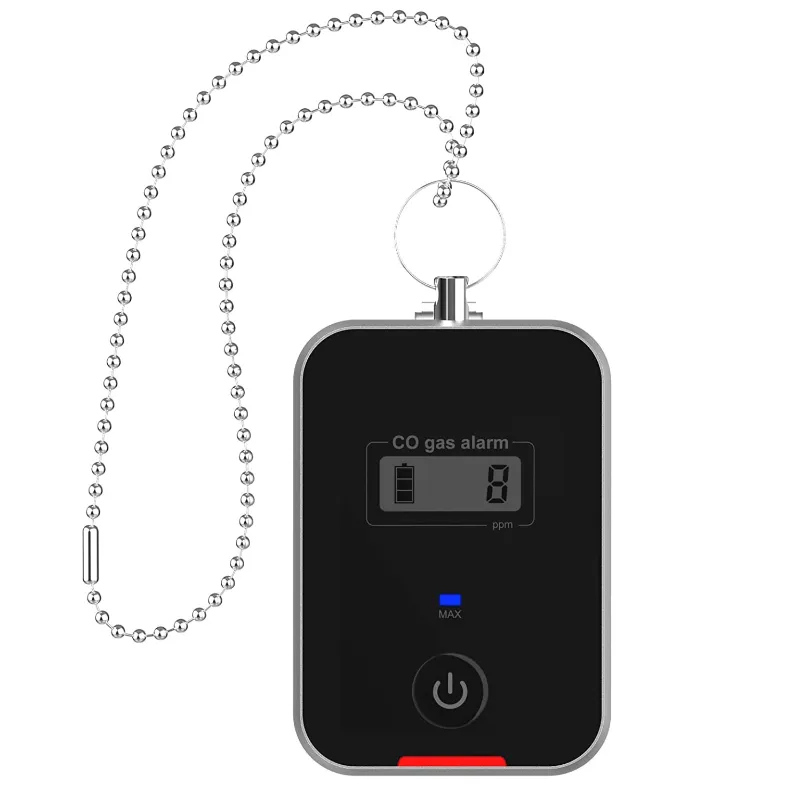
If you are shopping for a new home-safety device and want to see what else LifeBasis carries in the detection category, a low level co monitor is worth pairing with any home improvement project where you are cutting into walls near a garage or utility room.
Common Technique Mistakes (and the Fixes)
Even the best stud finder for metal fails when the technique is off. Here is a quick checklist:
- Calibrate on clear wall. Press and hold the power button on open drywall before scanning. Release only when the device signals it is ready.
- Move slowly. A sweep faster than about two inches per second causes the sensor to average across too wide an area, blurring the stud edge.
- Mark both edges, find the center. Scan left to right, mark where the signal starts and stops, then measure the midpoint. For metal studs, that center is usually 1.5 inches to 3.5 inches wide.
- Scan twice in opposite directions. A left-to-right pass followed by a right-to-left pass on the same line cross-confirms your marks.
- Keep the finder flat against the wall. Rocking it away from the surface reduces sensor contact and widens the detection margin dramatically.
- Remove interference sources. Phones, tablets, and other electronics held close to the unit can affect readings. Set them aside.
For tested comparisons of specific models that handle metal well, Popular Mechanics’ stud finder roundup is one of the most thorough hands-on resources available.
Wall Materials That Fool Metal Detection
Not every wall is standard half-inch drywall. Here is how different surfaces affect your results:
- Plaster over metal lath: The metal lath itself triggers constant alerts, making individual stud detection nearly impossible without a deep-scan or specialized tool.
- Cement board (wet areas): Dense backer board cuts effective detection depth significantly.
- Double drywall layers: Common in soundproofed rooms and older renovations. Go straight to deep scan mode.
- Foil-faced insulation behind the drywall: Creates a broad false positive that masks stud edges.
- Tile walls: Grout lines can look like stud edges. Always verify with a secondary pass at a different height.
If you suspect your walls have unusual construction, the most reliable backup is a small rare-earth magnet dragged slowly across the surface to find screw locations. It is slow but completely reliable.
When to Trust the Reading (and When Not To)
A stud finder for metal gives you a probability, not a certainty. Here is how to triage the signal:
- Strong, repeatable signal at the same position on two passes: High confidence. Mark and proceed.
- Signal shifts by more than an inch between passes: Wall material interference likely. Use the magnet method to confirm.
- Continuous alert across the whole wall: Reset calibration or check for large metal objects (HVAC ducts, plumbing) behind the drywall.
- No signal at all in an area where studs must exist: Battery, calibration, or wrong scan mode. Fix those before doubting the wall.
Wirecutter’s stud finder testing methodology is a solid reference if you want to understand how accuracy is benchmarked across different wall types before you buy.
Pairing Smarter Tools With Your Home Projects

A stud-finding session is often part of a larger home improvement or safety project. While your walls are open or freshly inspected, it is a smart time to address hidden hazards. A radon detector is particularly valuable if your project is in a basement or lower level, since radon accumulates in enclosed spaces and is invisible without testing. Similarly, a low level co monitor belongs in any room near gas appliances or an attached garage.
If you want to check current pricing on LifeBasis home safety gear or apply a discount, check the latest deals on our coupon page before you add anything to your cart.
Quick Reference: Fixing the Most Common Misses
| Symptom | Most Likely Cause | Fix |
|---|---|---|
| Beeps everywhere | Calibrated on a stud | Recalibrate on clear wall |
| No beeps at all | Wrong mode or dead battery | Switch to metal/deep scan, replace batteries |
| Signal shifts left to right | Fast sweep speed | Slow down, re-scan |
| Reading stops mid-wall | Interference (AC wire or duct) | Use AC mode first, then metal mode separately |
| Stud width seems too wide | Plaster or double drywall | Use rare-earth magnet to verify edges |
Getting consistent results comes down to three things: the right mode, a slow and deliberate sweep, and confirmed calibration on a clear section of wall. Do those three things and a quality stud finder for metal will locate steel framing accurately every time.
LifeBasis carries a range of home detection and safety products. Grab the code to save on your next order and check out the full lineup while you are there.
Questions
Can any stud finder work as a stud finder for metal, or do I need a special model?
Most mid-range and higher stud finders include a dedicated metal or deep scan mode that works on metal studs. Basic single-mode magnetic finders are designed to locate screws and nails in wood framing and are much less reliable on metal stud construction. Check the spec sheet for a specific metal scan mode before buying.
Why does my stud finder beep the whole way across the wall when scanning for metal?
A continuous beep usually means you calibrated the device while it was already positioned over a stud or a large metal object like an HVAC duct. Restart the calibration process on a section of wall you are confident is clear, then sweep again slowly.
How do I tell the difference between a metal stud and a pipe or conduit behind the wall?
Metal studs run vertically and appear at regular intervals, typically 16 or 24 inches apart. Pipes and conduit are usually horizontal or diagonal and produce a narrower or more localized signal. Scanning at two different heights on the same wall and comparing where the signals align will help you distinguish framing from plumbing or electrical runs.
Does a low level co monitor or radon detector interfere with stud finder readings?
No, a radon detector or low level co monitor does not emit signals that interfere with stud finder sensors. Keep smartphones and tablets away from the unit during scanning, but home safety monitors are fine to have nearby.
What is the best backup method when a stud finder keeps giving inconsistent readings on a metal-framed wall?
A small rare-earth magnet dragged slowly across the drywall surface is the most reliable backup. It locks onto the self-tapping screws used to attach drywall to metal studs, giving you a precise fastener location and confirming stud position without any electronics involved.
Do fresh batteries really make a difference in stud finder accuracy for metal?
Yes, noticeably so. Sensor sensitivity on most electronic stud finders drops as battery voltage falls, and the effect is more pronounced when detecting thinner or lower-density metal studs compared to wood. Replacing batteries before a scan is one of the easiest fixes for inconsistent readings.
Products in this guide
Shopping at LifeBasis? See the discount code
5% OFF All Orders
More in this series
Carbon Monoxide Detectors for Low-Level Exposure: What You Need to Know28 Aug 20263 min UV Toothbrush Sanitizer vs Traditional Cleaning: What Actually Works28 Aug 20263 min
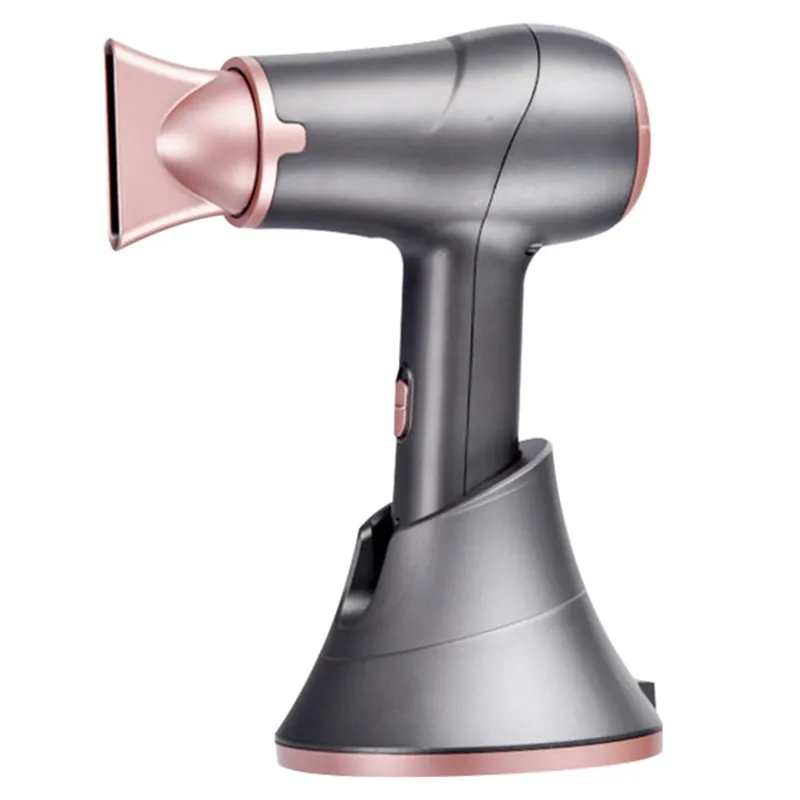 Best Cordless Hair Dryers for Travel: Speed, Heat and Battery Life28 Aug 20263 min
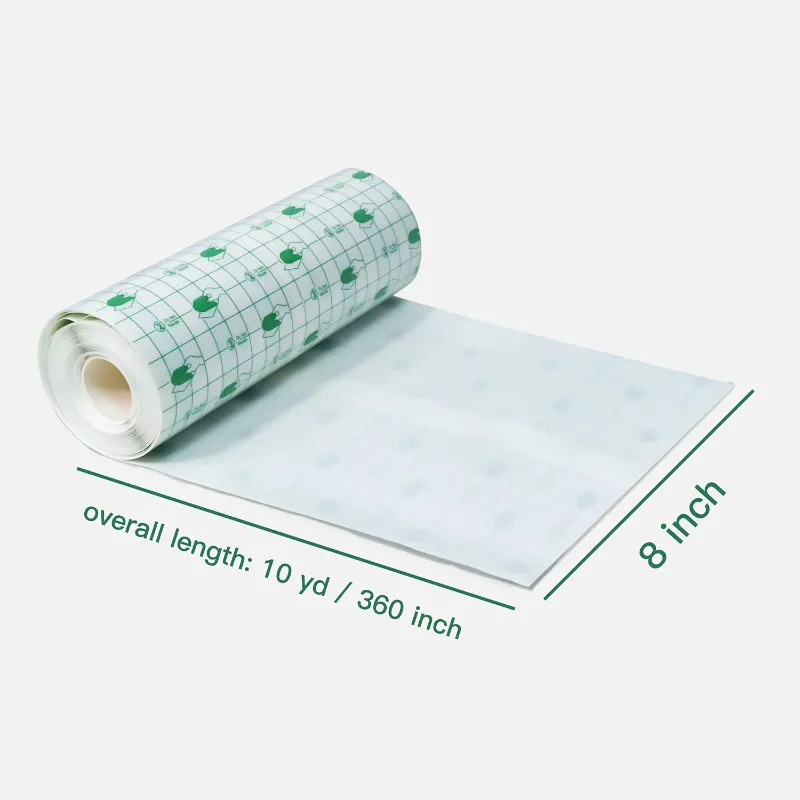 How to Apply a Waterproof Tattoo Bandage for Better Healing28 Aug 20264 minDoes a Radon Detector Really Protect Your Home?28 Aug 20265 min