 A LifeBasis guide
Carbon Monoxide Detectors for Low-Level Exposure: What You Need to Know
A low level carbon monoxide monitor detects dangerous CO exposure before symptoms appear, protecting your household from the silent threat of chronic poisoning.
A low level carbon monoxide monitor detects dangerous CO exposure before symptoms appear, protecting your household from the silent threat of chronic poisoning. Unlike standard CO detectors that alarm at 70 ppm and above, these specialized units catch exposure at 30 to 70 ppm-the range where prolonged exposure can cause real harm without obvious warning signs.
Why You Need a Low Level Carbon Monoxide Detector
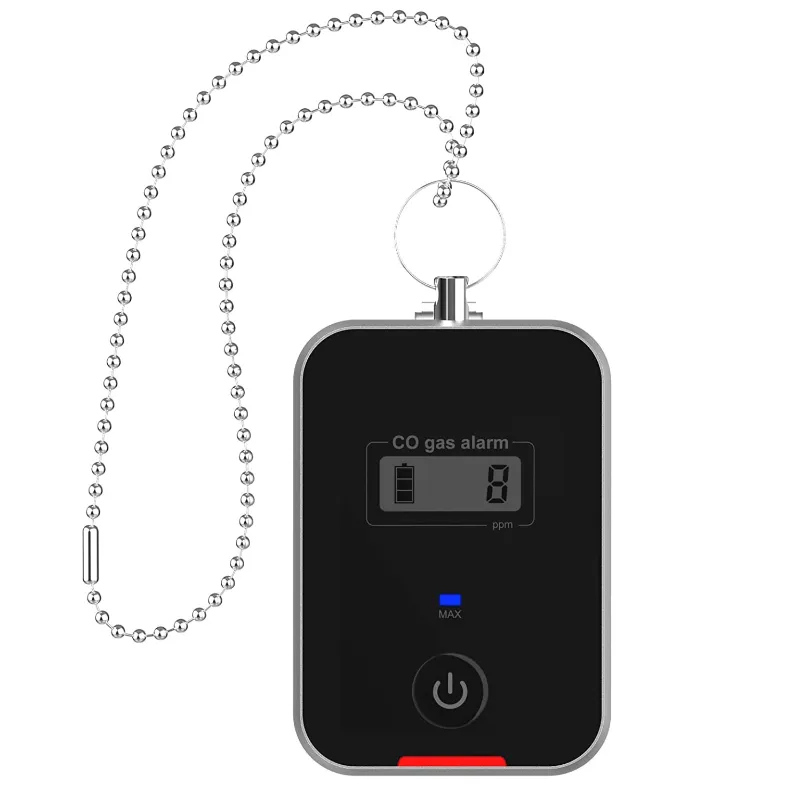
Standard carbon monoxide detectors meet building codes, but they’re designed for acute emergencies. They alarm when CO reaches dangerous levels fast. A low level co monitor, however, watches for the creeping exposure that happens with faulty furnaces, water heater issues, or slow appliance leaks. Low-level carbon monoxide poisoning causes headaches, fatigue, and dizziness long before a standard detector reacts.
If your home has aging heating equipment, or you’ve noticed unexplained headaches on cold mornings, a low level carbon monoxide monitor fills the gap between regular maintenance and emergency response. The Defender LL6270 Low Level CO Monitor is a recognized option in this space, designed specifically to catch subtle exposure.
Understanding Detection Levels and What They Mean
Standard detectors alarm at:
- 35 ppm for 4+ hours (continuous exposure)
- 70+ ppm for 1-2 hours
Low-level models typically trigger alerts starting around 30 ppm, giving you hours to investigate before acute symptoms develop. This threshold matters because chronic low-level exposure compounds over time-you might not notice it until it’s caused real damage.
The difference between a low level carbon monoxide detector for car environments and home use is threshold. Vehicle models detect rapid exposure in confined spaces. Home units prioritize sustained low-level detection to catch furnace leaks or ventilation problems before they become emergencies.
How to Choose Between Detection Options
When comparing options, consider where exposure risk is highest:
| Model Type | Best For | Detection Range | Primary Use |
|---|---|---|---|
| Standard detector | Code compliance | 70+ ppm | Emergency response |
| Low-level monitor | Chronic exposure | 30-70 ppm | Preventive health |
| Portable unit | Temporary testing | Variable | Travel or rental spaces |
| Combo air quality monitor | Multi-hazard | CO + radon + others | Full home assessment |
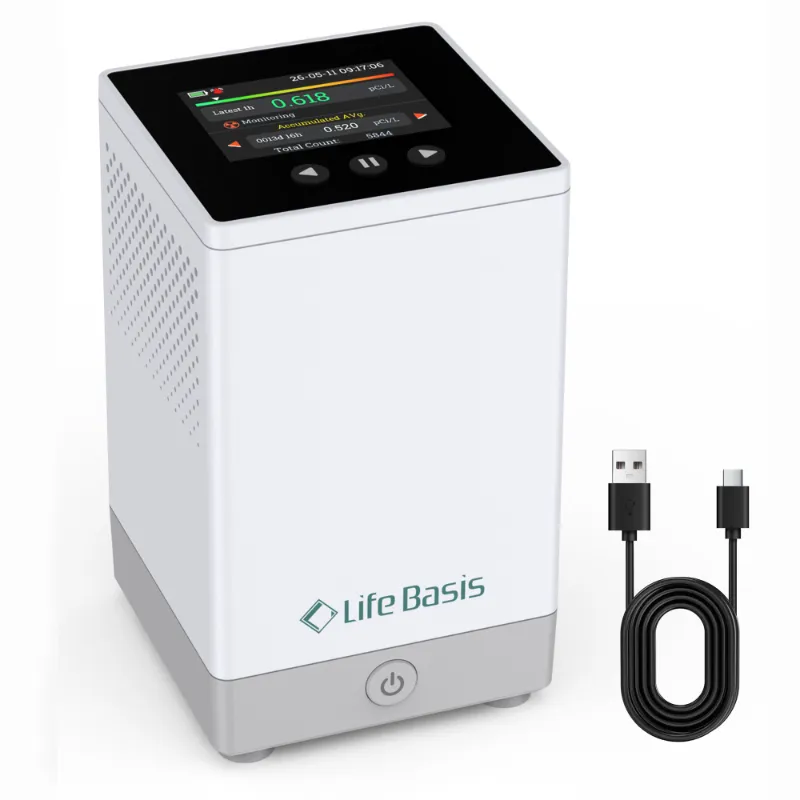
A radon detector or radon tester won’t catch CO, but many homes benefit from monitoring both hazards simultaneously. Some people layer a dedicated low level co monitor in the bedroom or main living area with a standard unit in the basement-redundancy catches what one might miss.
For homes with higher risk (older furnaces, gas appliances, recent equipment servicing), a low level carbon monoxide monitor becomes a practical safety layer. Check the latest price on LifeBasis to see current options and grab the 5% discount code.
Placement and Setup for Best Detection
The room where you spend the most time should have the best detection. Bedrooms catch overnight exposure from heating systems. Living rooms catch daytime exposure. Kitchens catch gas stove leaks.
- Place units 4-6 feet from the floor (CO mixes throughout the room, unlike carbon dioxide which rises)
- Keep detectors away from windows and doors (fresh air dilutes readings)
- Avoid placing near bathrooms or high humidity (moisture can interfere)
- Test monthly and replace batteries seasonally if they’re battery-powered
Many low-level models plug directly into outlets, eliminating battery maintenance. The trade-off is you lose portability. If you rent or move frequently, a portable unit gives flexibility, though sensitivity may vary by model.
When Low-Level Monitoring Matters Most
Low-level carbon monoxide poisoning risk is highest when:
- Your furnace is over 15 years old
- You’ve recently had any gas appliance serviced
- You notice headaches, nausea, or dizziness that disappear when you leave home
- You have a water heater in a confined space
- Your home shows signs of poor ventilation (moisture on windows, stuffiness)
Understanding Low-Level CO Monitors from industry sources reinforces why prevention beats emergency response. Once someone is poisoned, the damage is done. Early detection stops it before symptoms worsen.
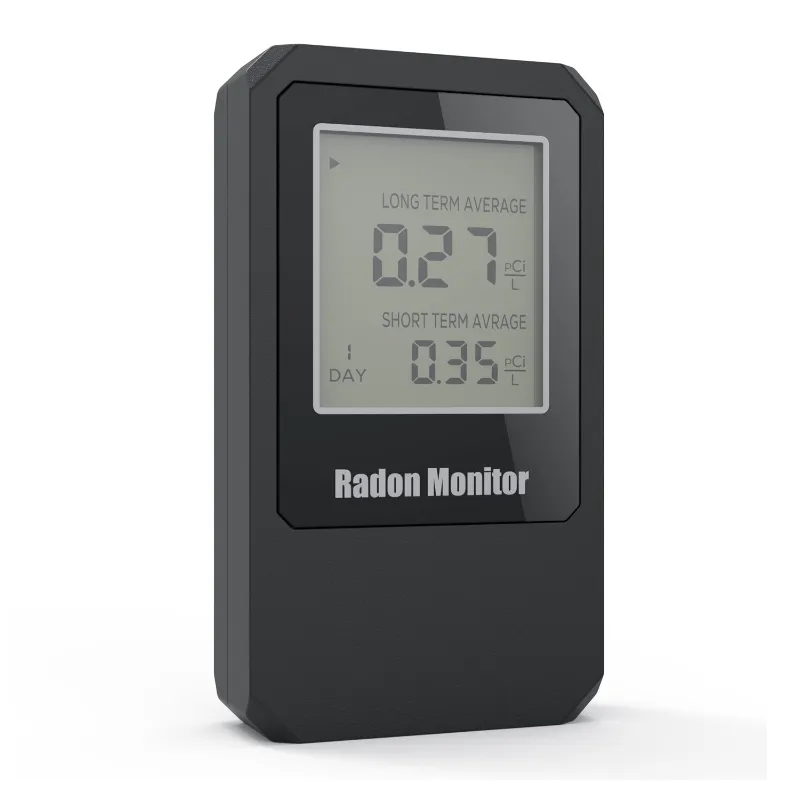
If your home has both CO and radon risk, layering a low level co monitor with a detector radon unit covers both hazards. Many homeowners install these as part of broader air quality management.
Testing, Maintenance, and When to Replace
Test your low level carbon monoxide monitor monthly using the built-in test button. If it doesn’t alarm, batteries may be dead or the unit may have failed. Most units last 5-7 years before sensitivity degrades.
Keep records of readings if your model logs data. Some units show running averages or peak exposure, helping you identify patterns. If readings drift upward over weeks, it signals an emerging problem-time to have your furnace or appliances inspected by a professional.
Grab the code when you’re ready to order, and verify your chosen model meets UL or CSA standards. Not all monitors are created equal, and certification matters when it comes to your family’s safety.
For independent rankings to help you choose a model, Consumer Reports’ guide to portable carbon monoxide detectors offers independent reviews and rankings.
Questions
What's the difference between a low level carbon monoxide monitor and a standard CO detector?
Standard detectors alarm at 70 ppm or higher, designed for emergencies. A low level carbon monoxide monitor triggers alerts around 30-70 ppm, catching chronic exposure before acute symptoms develop.
Can a radon detector also detect carbon monoxide?
No. A radon detector and a low level co monitor are separate devices. Radon detects radioactive gas; CO monitors detect carbon monoxide. You need both if your home has both risks.
Where should I place my low level carbon monoxide monitor?
Place it 4-6 feet from the floor in bedrooms, living rooms, or near gas appliances. Avoid windows, doors, and humid areas that interfere with readings.
How often do I need to replace my low level co monitor?
Most units last 5-7 years. Test monthly and replace batteries seasonally if battery-powered. If readings no longer trigger during tests, the sensor has degraded.
What are signs of low-level carbon monoxide poisoning?
Headaches, dizziness, nausea, and fatigue that improve when you leave home are common signs. A low level carbon monoxide detector catches exposure before symptoms become severe.
Is a low level carbon monoxide monitor required by code?
No. Standard detectors meet building codes. Low-level monitors are optional but recommended for older homes with gas appliances or aging heating systems.
Products in this guide
Shopping at LifeBasis? See the discount code
5% OFF All Orders
More in this series
Why Your Stud Finder Keeps Missing Metal Studs (and How to Fix It)28 Aug 20265 min UV Toothbrush Sanitizer vs Traditional Cleaning: What Actually Works28 Aug 20263 min
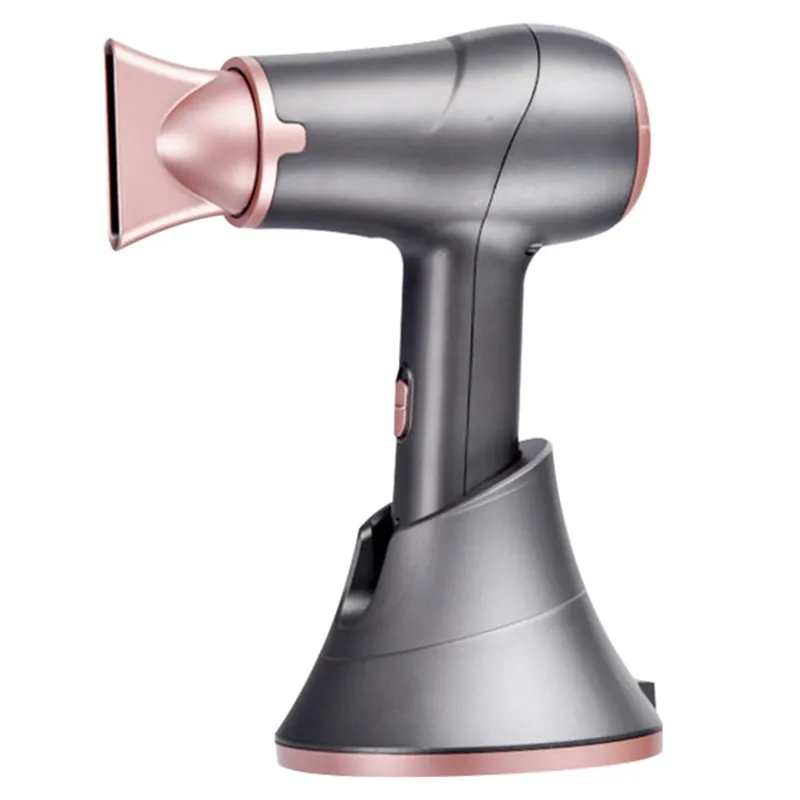 Best Cordless Hair Dryers for Travel: Speed, Heat and Battery Life28 Aug 20263 min
 How to Apply a Waterproof Tattoo Bandage for Better Healing28 Aug 20264 minDoes a Radon Detector Really Protect Your Home?28 Aug 20265 min