 A LifeBasis guide
How to Apply a Waterproof Tattoo Bandage for Better Healing
A tattoo bandage protects your fresh ink during the critical healing window, and applying it correctly makes all the difference in how well your tattoo sets.
A tattoo bandage protects your fresh ink during the critical healing window, and applying it correctly makes all the difference in how well your tattoo sets. We’ll walk you through the process, explain why waterproof options matter, and show you how to care for your tattoo while it heals under a protective cover.
Why a Waterproof Tattoo Bandage Matters
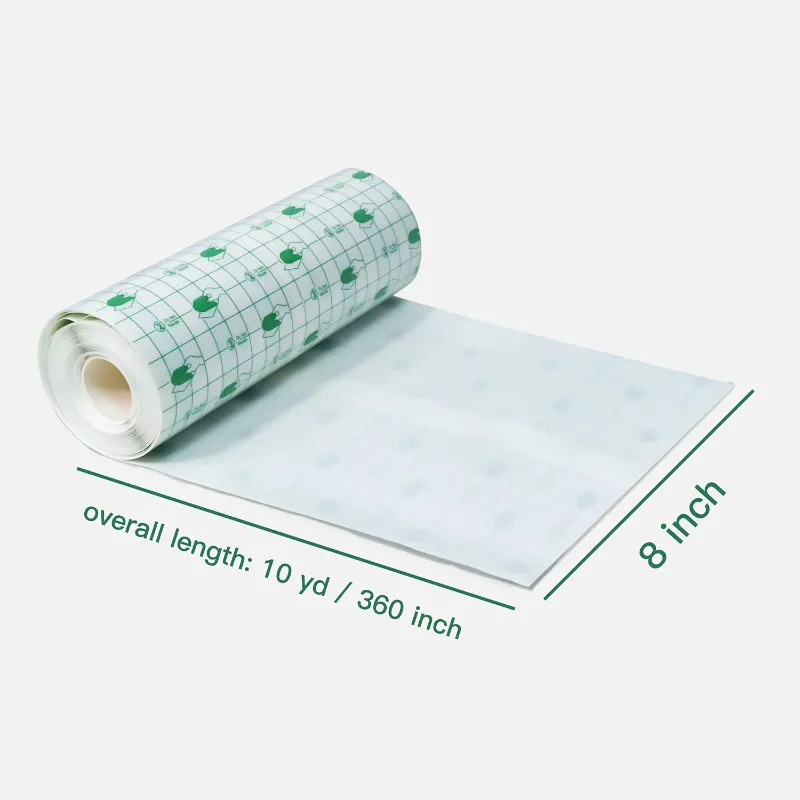
Your tattoo is an open wound for the first two weeks. A waterproof tattoo bandage creates a sealed barrier that keeps bacteria, moisture, and friction away from your healing skin. Unlike standard bandages, a quality tattoo bandage waterproof design allows your skin to breathe while blocking external contaminants. This reduces scabbing, prevents color loss, and speeds up the healing process. The tattoo bandage from LifeBasis is engineered specifically for this purpose, with a breathable yet waterproof membrane that stays flexible as your skin heals.
Preparing Your Skin Before Application
Before you apply your tattoo bandage, your artist will typically clean and dry the tattooed area. Here’s what you need to do at home:
- Wash your hands thoroughly with soap and water
- Gently clean the tattoo with unscented antibacterial soap
- Pat the area completely dry with a clean paper towel (not cloth, which can leave fibers)
- Wait 5 to 10 minutes for any residual moisture to evaporate
- Apply a thin layer of unscented moisturizer or tattoo aftercare balm if recommended by your artist
Proper preparation ensures the bandage adheres properly and creates the strongest seal. Moisture or oil buildup will cause the edges to lift, compromising protection.
Step-by-Step Application Guide
Applying a tattoo bandage correctly takes just a few minutes:
- Position yourself in good lighting so you can see the tattoo clearly
- Peel back one corner of the waterproof dressing for tattoos without touching the adhesive side
- Align the bandage with the edges of your tattoo, leaving a half-inch border on all sides
- Press the first edge down firmly, then work your way across to eliminate air bubbles
- Smooth out any wrinkles by pressing from the center outward
- Check all edges are sealed by running your fingertip around the perimeter
The bandage should feel snug but not tight. If you notice air pockets, lift that section gently and reapply. Proper adhesion is key to keeping the bandage in place for the duration it’s meant to stay on.
How Long to Keep Your Tattoo Bandage On
Most waterproof tattoo bandages stay on for 3 to 5 days, though some can last up to a week depending on the brand and the tattoo’s size. Check your artist’s aftercare instructions, they may recommend a specific timeline based on your tattoo’s depth and placement.
Remove the bandage by peeling back one corner slowly. If it hurts or feels stuck, dampen the edge with warm water first to loosen the adhesive. Once removed, continue your regular aftercare routine: wash gently, apply balm, and avoid submerging the tattoo in water for the remainder of the healing period.
Some people wear a second tattoo bandage after the first one comes off if the tattoo is still oozing or very tender. This is fine, but most tattoos only need one application during the critical early phase.
Waterproof Protection vs. Standard Bandages
The difference between a waterproof bandage and a standard one is significant for tattoo healing. Standard adhesive bandages absorb moisture, which softens the scab and can trap bacteria. A waterproof tattoo bandage repels water while allowing vapor to escape, creating the ideal microclimate for healing. This is why many artists now recommend them over older methods like plastic wrap or standard gauze.
| Feature | Waterproof Tattoo Bandage | Standard Bandage |
|---|---|---|
| Breathability | Yes, vapor permeable | Limited |
| Water resistance | Full barrier | Absorbs moisture |
| Scab formation | Minimal | Heavy |
| Color retention | Better | Fades faster |
| Durability | 3 to 7 days | 1 to 2 days |
Investing in a dedicated tattoo bandage protects your investment, both the money you spent on the tattoo and the healing quality you’ll see in the final result. Check the latest price on LifeBasis to find the right option for your budget.
Troubleshooting Common Issues
If your tattoo bandage is peeling at the edges after a day or two, the adhesive may not have sealed properly. Dry the area thoroughly, trim any loose edges with clean scissors, and reinforce problem spots with waterproof medical tape. If the bandage is causing irritation or a rash, remove it immediately and switch to a gentler aftercare method, some people are sensitive to certain adhesives.
If you notice excessive oozing under the bandage, that’s normal for the first 24 hours but should taper off quickly. If it persists or smells unusual, remove the bandage and inspect the tattoo. Contact your artist if there are signs of infection like redness beyond the tattoo line, warmth, or pus.
Who Should Use a Waterproof Tattoo Bandage
Anyone getting a tattoo benefits from proper aftercare, but a tattoo bandage is especially valuable if you work in a dirty or wet environment, exercise frequently, or can’t keep the tattoo completely dry for several days. Athletes, healthcare workers, and people who spend time in pools or at the beach should prioritize this protection. Even office workers gain peace of mind knowing their fresh tattoo is sealed against accidental bumps and environmental exposure.
The tattoo bandage works for any tattoo size or placement, though smaller pieces may only need one sheet while larger designs might require multiple bandages. Your artist can advise on quantity during your appointment.
Ready to protect your next tattoo? Grab the code for 5% off all orders at LifeBasis and get your waterproof bandage before your appointment.
Questions
How long can you keep a tattoo bandage on?
Most waterproof tattoo bandages stay on for 3 to 7 days depending on the brand and your artist's recommendation. Check your aftercare instructions for the specific timeline. Remove it gently by dampening the edge with warm water if it feels stuck.
Can I shower with a tattoo bandage on?
Yes, a waterproof tattoo bandage is designed to protect your tattoo during showering and brief water exposure. Avoid long baths or submerging the tattoo, as prolonged moisture can soften the seal.
What's the difference between a tattoo bandage and Saniderm?
Saniderm is one brand of waterproof tattoo bandage. Other brands like the tattoo bandage from LifeBasis offer similar waterproof and breathable protection. All work on the same principle, creating a sealed barrier while allowing skin to breathe.
Should I apply lotion before putting on a tattoo bandage?
Apply only a thin layer of unscented balm or moisturizer if your artist recommends it, then let it dry slightly. Too much product will prevent the bandage from adhering properly and will weaken the seal.
What happens if my tattoo bandage gets a wrinkle or air bubble?
Air bubbles and wrinkles reduce protection and can trap moisture. If you notice them immediately after application, gently lift that section and smooth it down again. Once sealed for a few hours, they're usually not a concern.
Can I use a tattoo bandage waterproof cover on a tattoo that's already started peeling?
Yes, you can apply a second bandage during the peeling phase if the tattoo is still tender or oozing. However, most tattoos only need one bandage during the critical early healing window. Stop using bandages once the peeling phase is well underway.
Products in this guide
Shopping at LifeBasis? See the discount code
5% OFF All Orders
More in this series
 Carbon Monoxide Detectors for Low-Level Exposure: What You Need to Know28 Aug 20263 minWhy Your Stud Finder Keeps Missing Metal Studs (and How to Fix It)28 Aug 20265 min
 UV Toothbrush Sanitizer vs Traditional Cleaning: What Actually Works28 Aug 20263 min
 Best Cordless Hair Dryers for Travel: Speed, Heat and Battery Life28 Aug 20263 min
 Does a Radon Detector Really Protect Your Home?28 Aug 20265 min