 A LifeBasis guide
Does a Radon Detector Really Protect Your Home?
A radon detector monitors your home's radon gas levels in real time, but effectiveness depends on placement, calibration, and knowing when action is needed.
A radon detector monitors your home’s radon gas levels in real time, but effectiveness depends on placement, calibration, and knowing when action is needed.
How a Radon Detector Works
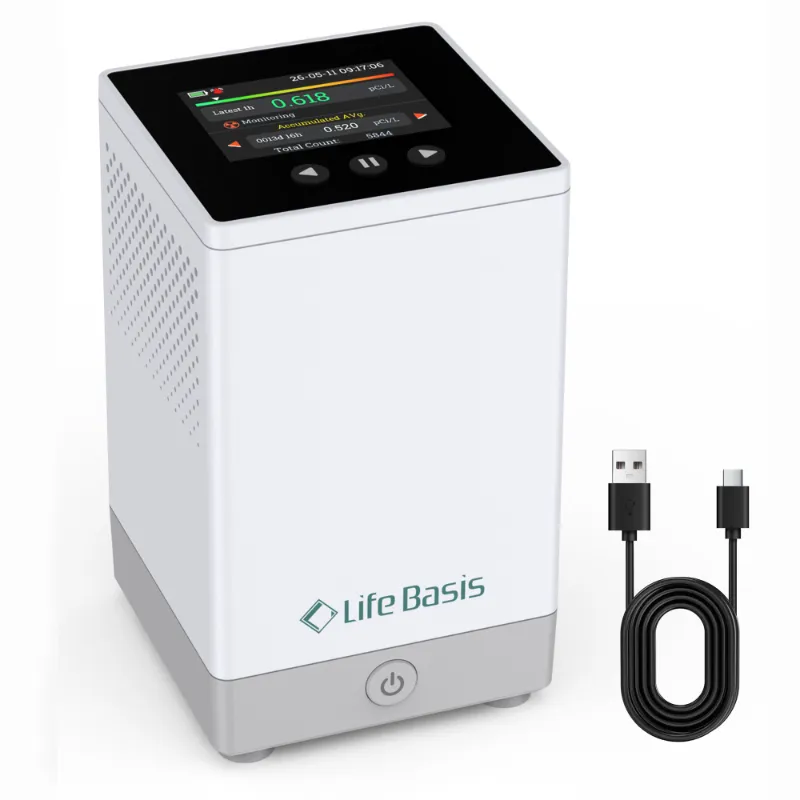
A radon detector uses one of several sensing methods to identify radioactive radon gas in your indoor air. Most plug-in models, like the radon detector from LifeBasis, employ electret ion chambers or solid-state photodiodes that emit an electrical charge when exposed to radon particles. The device logs measurements over hours or days, then displays a radon level reading on its screen.
The core value is early warning. Radon is colorless and odorless, so without a detector you cannot know whether dangerous concentrations are accumulating in your basement, crawlspace, or living spaces. A radon tester that continuously monitors air gives you data to make decisions about ventilation, sealing, or mitigation systems.
Best Radon Detector for Your Home: What LifeBasis Offers
The LifeBasis Air Quality Monitor serves homeowners, renters, and home inspectors. Its plug-in design means no battery dependency for long-term monitoring, which matters if you’re tracking radon levels over weeks or months in a basement. The device displays real-time air quality metrics and stores historical data so you can spot trends.
For a best radon detector setup, placement is as important as the device itself. Install the unit in the lowest lived-in level of your home, ideally in a bedroom or living area where you spend time. Avoid placing it near doors, windows, or HVAC vents, since air movement interferes with accurate readings.
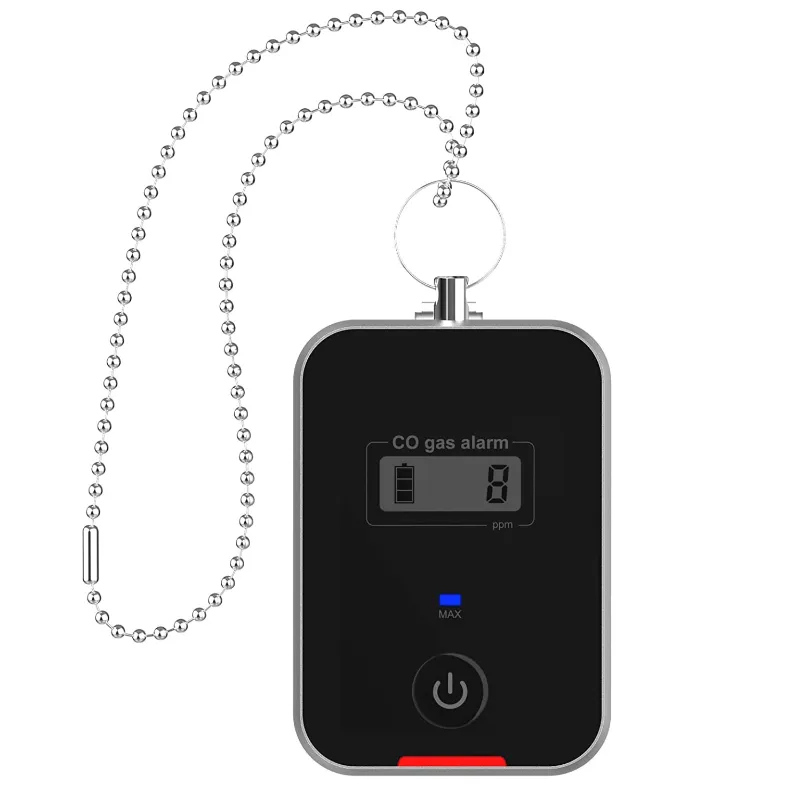
The LifeBasis model also functions as a low level co monitor, tracking carbon monoxide alongside radon. This dual-function approach is practical for households concerned with multiple air quality threats. Grab the code to get 5% off and reduce your upfront cost.
Radon Detector for Basement: Placement and Accuracy
Basements are radon hotspots because gas seeps through foundation cracks, sump pump openings, and soil contact. If you own a home with a basement, a detector radon unit belongs down there. However, basement placement alone does not guarantee useful data.
Key placement rules:
- Position the device 2 to 3 feet above the floor (radon pools at ground level).
- Keep it at least 1 foot away from walls and 3 feet from doors or windows.
- Allow at least 12 hours of stable readings before trusting the result.
- Avoid areas with drafts, humidity spikes, or temperature swings.
For home inspectors using a radon detector for home inspections, consistent placement protocols ensure comparable results across properties. The EPA and certified radon labs follow these same guidelines. If you’re renting and concerned about radon, check the latest price and consider a portable model you can take with you.
Radon Detector Amazon vs. Professional Testing
Consumer-grade radon detectors like LifeBasis are convenient but differ from lab-certified radon canisters. A radon detector amazon search returns many affordable options, yet professional testing via accredited labs remains the gold standard for purchase or legal decisions.
Here’s how they compare:
| Method | Cost | Time | Accuracy | Best For |
|---|---|---|---|---|
| Consumer radon detector | $100-300 | Hours | Indicative | Home monitoring, trends |
| Canister test kit | $30-50 | 2-7 days | EPA-certified | Legal/sales purposes |
| Professional radon measurement | $150-300 | 1-2 days | Lab-verified | Baseline before mitigation |
| Continuous professional monitor | $200-500 | 48+ hours | High precision | Post-mitigation verification |
The LifeBasis Air Quality Monitor excels at continuous home monitoring and alerting you to changes. For official documentation, you may still need a certified lab result. Many homeowners use both: a plug-in detector for ongoing peace of mind, plus a lab test for records.
Understanding Radon Levels and When to Act
A radon detector’s value lies in knowing your baseline. The EPA recommends action if your home averages 4 picocuries per liter (pCi/L) or higher over a year. Even short-term readings above 4 pCi/L warrant follow-up.
The LifeBasis device displays real-time levels, allowing you to:
- Identify problem areas in your home (basement vs. upper floors).
- Track seasonal variations (radon often spikes in winter).
- Monitor the effect of open windows, fans, or ventilation changes.
- Spot sudden spikes that may indicate a new entry point or crack.
If your readings consistently exceed safe thresholds, mitigation options include sub-slab depressurization, sealing cracks, improving ventilation, or hiring a certified radon mitigation contractor. The radon detector is your starting point, not your solution.
Plug-in Radon Detector for Home: Convenience vs. Precision
A plug-in radon detector for home use offers unmatched convenience. You do not need to swap batteries, remember to charge, or juggle multiple devices. The LifeBasis model stays in place, continuously logging data and alerting you to changes without your intervention.
This passive monitoring approach works well for:
- Renters wanting to track their living space without landlord involvement.
- Homeowners establishing a baseline before buying a radon mitigation system.
- Families concerned about air quality in specific rooms or levels.
- Anyone seeking peace of mind between professional tests.
One trade-off: plug-in models require an outlet, limiting placement to areas with nearby power. Battery-powered alternatives offer flexibility but demand regular recharging and recalibration.
What Is a Radon Detector Used For Beyond Home Safety
Beyond personal safety, a radon detector serves home inspectors, real estate professionals, and contractors. Inspectors routinely use testing devices to establish radon levels as part of pre-purchase assessments. Mitigation specialists use continuous monitors to verify that their system works after installation.
The EPA provides a directory to find a radon test kit or measurement and mitigation professional if you need certified help. Many states also maintain registries of approved radon contractors. For detailed insight into testing approaches, the 3 methods to test for radon explains canister, electronic, and continuous monitoring side-by-side.
Does It Actually Protect Your Home?
A radon detector protects your home by arming you with information. It does not remove radon or seal cracks. What it does is tell you whether radon is present, at what level, and whether intervention is needed. That knowledge lets you make informed decisions about your family’s health and your home’s value.
The LifeBasis Air Quality Monitor is a practical starting point. Its dual radon and CO monitoring covers two major indoor air hazards. Over weeks and months, consistent use reveals your home’s patterns, helping you prioritize fixes where they matter most. Combined with periodic professional testing and proactive mitigation, a radon detector becomes part of a complete air quality strategy.
Ready to monitor your home? Grab the code and get 5% off your first order.
Questions
What is a radon detector used for, and do I really need one?
A radon detector monitors radon gas levels in your home continuously. You need one if you live in a region with elevated radon risk, have a basement, or want to verify that mitigation systems work after installation. The EPA recommends testing every home at least once.
Can I use a radon detector to measure if my home is safe?
A radon detector gives you real-time readings, but interpret them carefully. Consistent levels above 4 pCi/L warrant professional follow-up testing. Short-term spikes may reflect placement issues rather than actual risk, so baseline readings over days or weeks are more reliable than single readings.
Is the LifeBasis Air Quality Monitor accurate compared to professional radon testing?
Consumer radon detectors like LifeBasis provide indicative readings suitable for trend monitoring, but are not certified for legal or sales documentation. For official baselines or post-mitigation verification, a certified lab test remains the standard.
Where should I place a radon detector in my basement?
Place it 2 to 3 feet above the floor, at least 1 foot from walls, and 3 feet away from doors or windows. Avoid drafty or humid areas, and allow 12 hours of stable conditions before trusting readings.
Does a radon detector work if I rent my home?
Yes. Many renters use plug-in detectors to monitor their space without requiring landlord permission. If you find elevated levels, contact your landlord or local health department to pursue mitigation or request testing by a certified professional.
Can I use a radon detector to verify my mitigation system is working?
A radon detector helps track trends before and after mitigation, but professional post-mitigation verification with a certified continuous monitor is recommended to confirm your system meets EPA standards.
Products in this guide
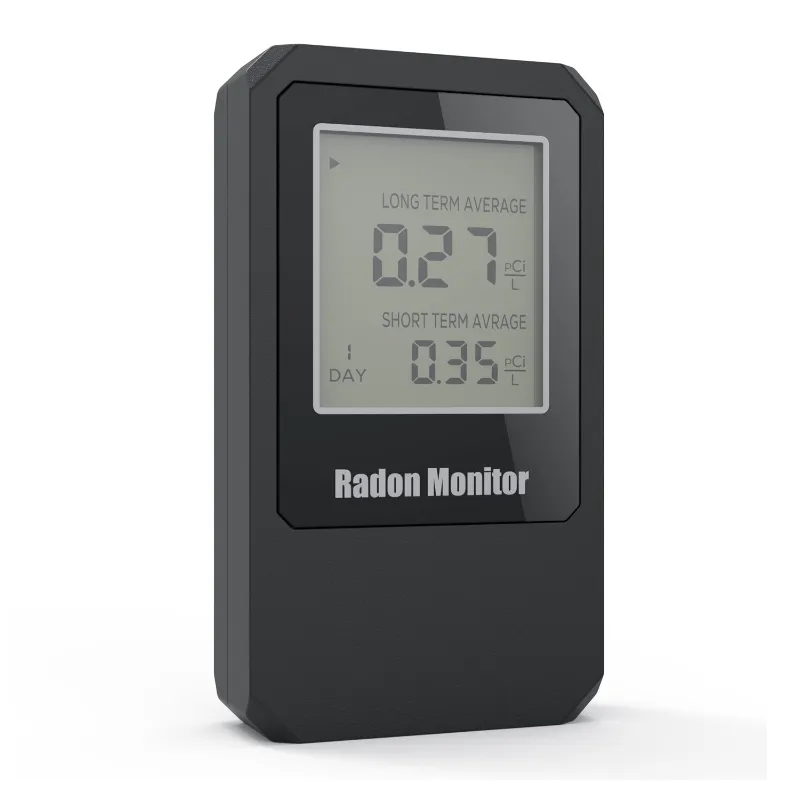 Shopping at LifeBasis? See the discount code
5% OFF All Orders
Shopping at LifeBasis? See the discount code
5% OFF All Orders
More in this series
Carbon Monoxide Detectors for Low-Level Exposure: What You Need to Know28 Aug 20263 minWhy Your Stud Finder Keeps Missing Metal Studs (and How to Fix It)28 Aug 20265 min UV Toothbrush Sanitizer vs Traditional Cleaning: What Actually Works28 Aug 20263 min
 Best Cordless Hair Dryers for Travel: Speed, Heat and Battery Life28 Aug 20263 min
 How to Apply a Waterproof Tattoo Bandage for Better Healing28 Aug 20264 min