 A Atlantic Flagpole guide
Do Solar Flagpole Lights Work Year-Round in Cold Climates?
A solar flagpole light can absolutely work year-round in cold climates if you choose a model with lithium batteries, proper weatherproofing, and enough sunlight exposure.
A solar flagpole light can absolutely work year-round in cold climates if you choose a model with lithium batteries, proper weatherproofing, and enough sunlight exposure. While traditional solar lights struggle below freezing, modern flagpole solar light kits engineered for outdoor use continue to charge and illuminate flags reliably even in sub-zero temperatures. The key is understanding which battery chemistry, solar panel efficiency, and build quality actually survive winter conditions.

Whether you’re flying a texas flag, gadsden flag, or american flag new jersey, here’s what works in cold weather and what fails.
How Cold Affects Solar Flagpole Light Performance
Temperature impacts three critical components: the battery, the solar panel, and the LED module. Most cheap solar flag pole lights use nickel-cadmium or nickel-metal-hydride batteries that lose 30 to 50 percent of their capacity below 20°F. Lithium-ion and lithium iron phosphate batteries perform far better, retaining 80 to 90 percent capacity down to -4°F.
Solar panel efficiency actually improves slightly in cold air because semiconductors conduct better at lower temperatures. The real challenge is snow cover and shorter days. A panel covered in snow produces zero charge, and winter’s reduced daylight hours mean less energy to store.
LED longevity improves in cold weather. The solid-state diodes generate less heat stress and typically outlast their warm-weather runtime. The weak link remains the battery chemistry and whether the housing protects electronics from moisture infiltration during freeze-thaw cycles.
Best Solar Flagpole Light Features for Winter Use
When shopping for a cold-climate model, prioritize these specs:
- Lithium battery chemistry (LiFePO4 or Li-ion) with operating range rated to at least 0°F
- IP65 or IP67 weatherproof rating to block moisture and ice infiltration
- Adjustable solar panel angle so you can tilt toward low winter sun
- Overcharge and deep-discharge protection to extend battery lifespan through seasonal extremes
- Lumen output of 20+ lumens to compensate for any efficiency loss
We recommend the brightest solar flagpole light options with removable solar panels. Mounting the panel separately on a sunny roof or fence post solves the snow-cover problem entirely. Models with panels integrated into the flagpole top require frequent brushing after storms.
The Best Solar Flagpole Lights for 24/7 Flag Display, Tested covers additional laboratory testing data on cold-weather performance across popular brands.
Sunlight Requirements and Winter Positioning
A typical flagpole solar light kit needs four to six hours of direct sunlight for a full charge. In northern latitudes, December and January deliver only eight to nine hours of daylight total, and the low sun angle reduces panel efficiency by 20 to 30 percent.
Position your flagpole or tilt your panel to face true south (or true north in the southern hemisphere). Even a 15-degree adjustment can add 30 minutes of usable charge time. Clear snow from the panel within a few hours of accumulation, waiting a full day allows ice bonding that risks scratching the panel surface when removed.
If your site receives fewer than four hours of winter sun, consider a commercial solar flagpole light with a larger panel (5+ watts) or a hybrid model that accepts a backup AC adapter during the darkest weeks. You can check the latest price on higher-capacity kits that include both solar and plug-in options.
Comparing Solar vs. Hardwired LED Flagpole Lights
| Feature | Solar Flagpole Light | Hardwired LED |
|---|---|---|
| Installation | No wiring, mount and go | Requires electrician or buried conduit |
| Winter reliability | Good with lithium batteries | Excellent, no sun dependency |
| Operating cost | Zero after purchase | ~$3 to 8/year in electricity |
| Portability | Move anytime | Permanent |
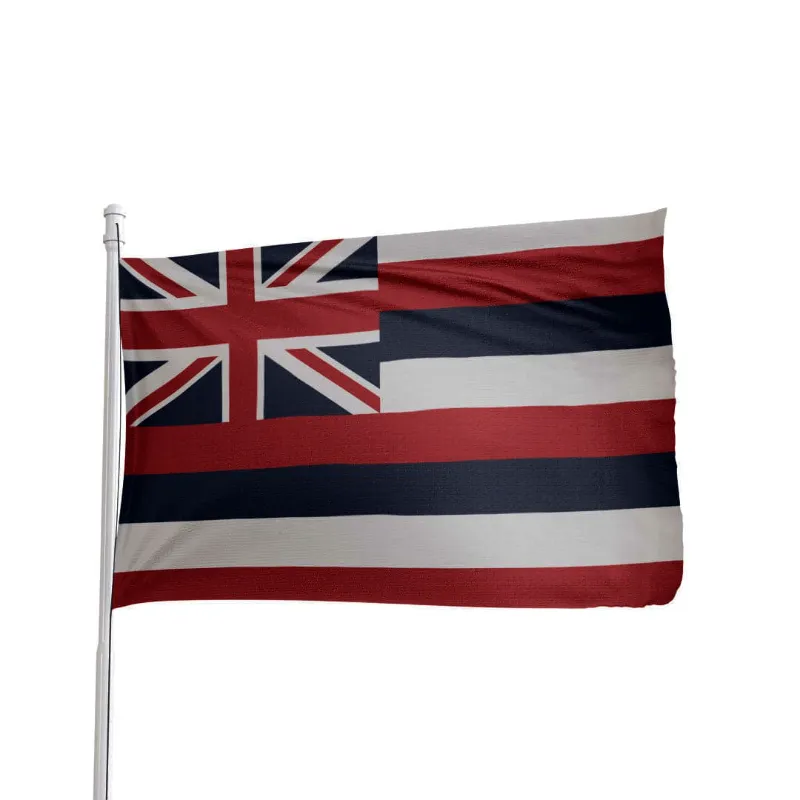
Solar wins on simplicity and portability. If you rotate seasonal flags like a hawaii flag in summer and a south korean flag in winter, solar lets you reposition the pole without rewiring. Hardwired LEDs deliver consistent brightness regardless of weather but lock you into one location.
For most residential flagpoles displaying a flag of texas usa or texas state flag year-round, a quality solar model with lithium batteries and a separate panel provides the best balance of reliability and convenience.
Maintenance Tips for Cold-Weather Solar Lights
Winter maintenance extends the lifespan of your solar flagpole light and keeps illumination consistent:
- Clean the solar panel monthly: road salt spray and airborne dust block up to 25 percent of light even when the panel looks clear
- Remove snow within 12 hours using a soft brush or your hand; never use metal scrapers
- Tighten mounting hardware in late fall: freeze-thaw cycles loosen bolts and clips
- Bring the battery indoors if temperatures drop below -10°F for more than three consecutive days (only if your model has a removable pack)
- Replace batteries every 2 to 3 years: even lithium cells degrade, and a fresh battery restores original runtime
We also recommend applying a thin coat of dielectric grease to any exposed charging ports or wire connections before the first freeze. This prevents corrosion from de-icing salt and moisture.
Flagpole Solar Light for Telescoping Flagpole offers installation diagrams that show best practices for sealing connections on telescoping poles, which are especially vulnerable to moisture wicking.
Who Should Choose Solar Flagpole Lighting in Cold Climates
Solar flagpole lights work best for cold-climate users who have:

- Unobstructed southern exposure for at least four hours per day in winter
- Willingness to brush snow from the panel after storms
- Residential or light commercial use: municipal or highway flags under 24/7 public scrutiny may need hardwired reliability
- Flagpoles displaying seasonal or ceremonial flags like a cuban flag, haiti flag, or vatican city flag that benefit from portability
If your site is heavily shaded by buildings or trees in winter, or if you cannot commit to occasional panel cleaning, a low-voltage hardwired LED spot light for flag pole will serve you better. But for most home and small-business installations, a well-chosen solar model delivers dependable illumination from October through March without any electrical work.
Ready to upgrade your flag display? Grab the code for 5 percent off solar lighting kits and flags, and make sure to select a model with lithium batteries and an IP65 rating or higher. Your drc flag or korean flag deserves reliable lighting every night of the year, no matter how cold it gets.
Questions
Do solar flagpole lights work in winter snow and ice?
Yes, if they use lithium batteries and carry an IP65 or higher weatherproof rating. You will need to brush snow off the solar panel after storms to maintain charging, but quality models continue to operate in sub-zero temperatures.
How many hours of sunlight does a solar flagpole light need in winter?
Most models need four to six hours of direct sunlight for a full charge. In winter, position the panel facing true south and tilt it toward the low sun angle to maximize charge time during shorter days.
What is the brightest solar flagpole light for cold climates?
Look for models rated at 20 lumens or higher with lithium-ion or LiFePO4 batteries. Separate solar panels that mount away from the pole top also deliver brighter, more consistent performance because they avoid snow accumulation.
Can I use a flag pole with solar light made in USA in freezing weather?
Yes, many American-made solar flagpole lights are specifically engineered for cold climates with lithium batteries rated to 0°F or lower. Check the manufacturer's operating temperature range before purchasing.
Should I bring my solar flagpole light indoors during winter?
No, leave the light installed unless temperatures drop below -10°F for more than three consecutive days. Modern lithium-battery models are designed to handle typical winter cold, and frequent removal risks damaging seals and connections.
How often do I need to replace batteries in a cold-climate solar light?
Lithium batteries in quality solar flagpole lights last two to three years even with winter use. Replace them when you notice the light no longer stays on through the full night after a sunny day.
Products in this guide

 Shopping at Atlantic Flagpole? See the discount code
5% OFF All Orders
Shopping at Atlantic Flagpole? See the discount code
5% OFF All Orders
More in this series
Portable Door Lock Buying Guide: Hotel Security and Travel Safety3 Sep 20266 minWhat Size Flagpole Do You Need for State and International Flags?3 Sep 20265 minThe Complete Guide to Flying Historical Flags Like the Gadsden Flag3 Sep 20266 minInternational Flags vs State Flags: Which Should You Fly at Home?3 Sep 20265 minHow to Properly Display and Care for Your Texas State Flag3 Sep 20266 min