 A Atlantic Flagpole guide
What Size Flagpole Do You Need for State and International Flags?
The texas state flag and most state or international flags fly best on poles between 15 and 25 feet for residential use, with commercial installations ranging from 20 to 40 feet.
The texas state flag and other state or international flags typically need a 15 to 25-foot pole for home display, while commercial and institutional settings work best with 20 to 40-foot poles. Your final choice depends on flag size, mounting location, and local sight lines.

Whether you’re flying a texas state flag, a cuban flag, or a south korean flag, the pole height directly affects visibility and proportion. Too short and the flag looks cramped; too tall and it overwhelms the space or violates local codes.
Standard Flag-to-Pole Ratios
The most common guideline calls for the pole height to be roughly two to two-and-a-half times the vertical height of the flag. A 3×5-foot flag pairs naturally with a 15 to 20-foot pole, while a 4×6-foot flag suits a 20 to 25-foot pole.
Typical pairings:
- 3×5 flag: 15 to 20 ft pole (most residential)
- 4×6 flag: 20 to 25 ft pole (larger homes, small businesses)
- 5×8 flag: 25 to 30 ft pole (commercial, institutional)
- 6×10 flag: 30 to 40 ft pole (large buildings, parks)
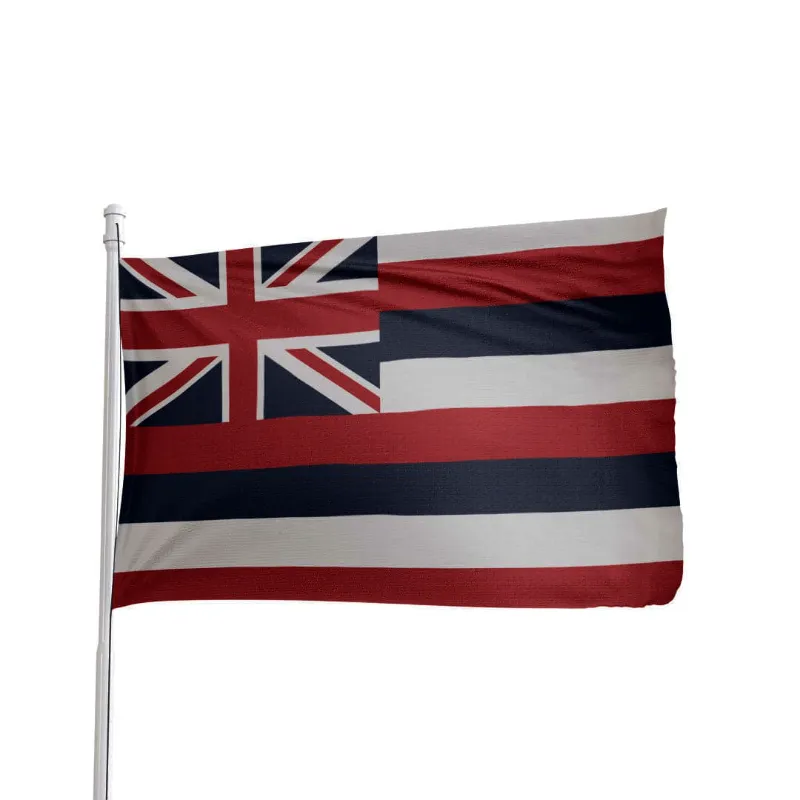
These ratios keep the flag proportional and prevent excessive wear from wind leverage. If you plan to fly a texas flag or hawaii flag alongside the U.S. flag, account for the additional visual weight and choose a pole that can handle both without looking crowded.
Residential Flagpole Sizing
Home installations usually fall between 15 and 25 feet. A 20-foot pole is the sweet spot for most single-family properties, it keeps the flag visible from the street without dominating the roofline.
Consider these factors:
- Lot size and setback: Larger yards can support taller poles; narrow lots may require 15 to 18 feet to stay proportional.
- Roof height: The pole should extend at least three to five feet above nearby structures so the flag clears eaves and trees.
- HOA rules: Many associations cap residential poles at 20 or 25 feet; check covenants before ordering.
If you’re displaying the Flag of Texas or another american state flag, a 3×5 or 4×6 size on a 20-foot pole offers excellent curb appeal. Grab the code for 5% off before selecting your pole kit.
Commercial and Institutional Poles
Businesses, schools, and government buildings typically need 25 to 40 feet to match building scale and ensure flags remain visible across parking lots and open plazas. A one-story office often pairs with a 25-foot pole, while multi-story buildings may require 30 to 40 feet.
Commercial considerations:

- Building height: The pole should be at least one-quarter to one-third the height of the main structure.
- Parking and approach: Taller poles keep flags visible from arterial roads and entries.
- Multi-flag setups: Flying a korean flag, vatican city flag, or haiti flag alongside state or national flags demands a robust pole with enough halyard capacity.
Many commercial clients choose 30-foot poles with 5×8 or 6×10 flags. This combination balances visibility with wind load and keeps maintenance manageable. For the latest pricing on heavy-duty kits, check the latest price on our Atlantic Flagpole page.
Texas State Flag Specifics
The texas state flag carries a unique proportion, its width-to-height ratio is 3:2, identical to the U.S. flag. According to the Texas State Flag Description, the Lone Star banner features a vertical blue stripe occupying one-third the width, with white on top and red below.
Because the texas state flag colors and design are so recognizable, sizing matters. A flag that’s too small loses the iconic lone star detail at a distance; one that’s too large can overpower residential settings. Most Texas homeowners choose a 3×5 or 4×6 flag of texas usa on a 20-foot pole.
Historical context:
The Flags of Texas have evolved since the Republic era. The current lone star flag meaning emphasizes independence and pride, making proper display a priority for many residents. Whether you’re interested in the old texas state flag designs or the modern banner, pole height ensures the symbolism remains front and center.
Material and Wind Load
Flagpole material (aluminum, fiberglass, or steel) affects how tall you can go safely. Aluminum poles dominate the 15 to 25-foot residential range because they resist corrosion and weigh less. Fiberglass works well in coastal or high-wind zones, especially for taller commercial poles.
Wind load checklist:

- Flag fabric: Nylon dries quickly and flies in light wind; polyester resists UV and high gusts.
- Wind speed: Coastal and open-prairie locations (common for a gadsden flag or drc flag display) need shorter poles or reinforced bases.
- Halyard type: Internal halyards reduce noise and tangling, especially on taller poles.
A 20-foot aluminum pole with an internal halyard handles most 3×5 and 4×6 flags in moderate climates. If you’re in a high-wind corridor, step down one pole height or upgrade to a tapered fiberglass model.
Local Codes and Permits
Many municipalities limit flagpole height to 25 or 30 feet without a permit. Zoning rules often treat poles above that threshold as structures requiring engineered drawings and inspections.
Before you buy:
- Call your local planning or zoning office to confirm height caps.
- Ask whether setback rules apply (some codes require poles to sit a certain distance from property lines).
- Check if HOA or historic-district overlays impose stricter limits.
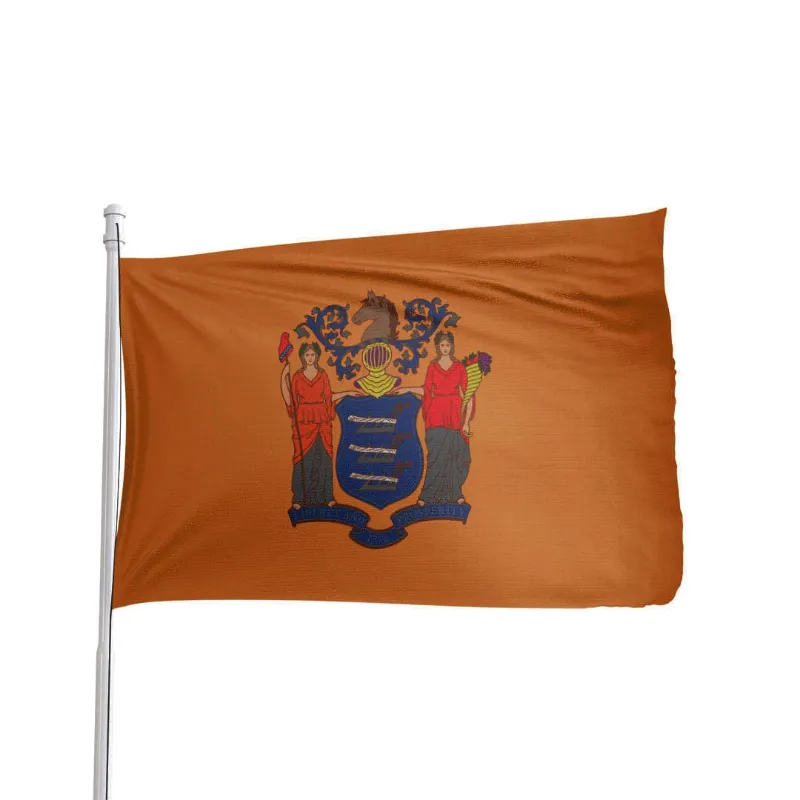
For an american flag new jersey installation or any state flag in a governed community, securing approval up front saves time and avoids fines. Most residential 20-foot setups fall below permit thresholds, but always verify.
Choosing the Right Pole for Your Flag
Start by measuring your flag (length and width) then multiply the vertical edge by two to two-and-a-half. Compare that number to your property scale and local restrictions. If the math points to 22 feet but your HOA caps at 20, go with 20 and choose a slightly smaller flag.
Quick decision guide:
- Measure your flag (or choose a standard 3×5, 4×6, or 5×8).
- Calculate minimum pole height (flag height × 2).
- Check lot size and building height to ensure proportion.
- Verify local codes and HOA rules.
- Select material (aluminum for most residential, fiberglass for high wind).
Once you’ve settled on dimensions, visit our store to compare kits and apply our exclusive discount. Atlantic Flagpole offers complete packages with poles, hardware, and flags ready to ship.
Flying a texas state flag, an international banner, or a historic emblem becomes a source of pride when the pole fits the setting. Take the time to measure, research local rules, and match your flag size to the right height, you’ll enjoy years of worry-free display.
Questions
What size pole do I need for a 3×5 texas state flag?
A 3×5 texas state flag pairs best with a 15 to 20-foot pole. Most residential installations choose 20 feet for optimal visibility and proportion.
Can I fly multiple flags on one pole?
Yes, but you'll need a pole with multiple halyards or a multi-flag adapter. Ensure the pole height and diameter can handle the combined wind load of all flags.
Do I need a permit for a 20-foot flagpole?
Most municipalities allow poles up to 25 feet without a permit, but rules vary. Check with your local zoning office and HOA before installation.
How do I choose between aluminum and fiberglass poles?
Aluminum is lighter and rust-resistant, ideal for most residential settings. Fiberglass offers greater flex and durability in high-wind or coastal areas.
What is the proper flag-to-pole ratio?
The pole height should be two to two-and-a-half times the vertical dimension of the flag. A 5-foot-tall flag works well on a 20 to 25-foot pole.
Can I use the same pole for state and international flags?
Yes, as long as the flag sizes are similar. A 20-foot pole handles most 3×5 or 4×6 state and international flags without issue.
Products in this guide

 Shopping at Atlantic Flagpole? See the discount code
5% OFF All Orders
Shopping at Atlantic Flagpole? See the discount code
5% OFF All Orders
More in this series
Portable Door Lock Buying Guide: Hotel Security and Travel Safety3 Sep 20266 minThe Complete Guide to Flying Historical Flags Like the Gadsden Flag3 Sep 20266 minDo Solar Flagpole Lights Work Year-Round in Cold Climates?3 Sep 20264 minInternational Flags vs State Flags: Which Should You Fly at Home?3 Sep 20265 minHow to Properly Display and Care for Your Texas State Flag3 Sep 20266 min