 A Atlantic Flagpole guide
How to Properly Display and Care for Your Texas State Flag
The texas state flag requires proper display etiquette, regular cleaning, and correct mounting to maintain its vibrant colors and honor the Lone Star's heritage.

The texas state flag deserves respectful display and proper care to honor the Lone Star State’s proud heritage. Whether you fly a texas state flag at home, your business, or a public building, understanding the official guidelines and maintenance best practices ensures your flag looks sharp and lasts for years.
This guide walks you through everything from mounting height to washing techniques, so your flag always flies with pride.
Understanding Texas State Flag Colors and Meaning
The texas state flag colors carry deep symbolism rooted in the state’s fight for independence. The vertical blue stripe represents loyalty, the white stripe stands for purity, and the red stripe symbolizes bravery. The single white star in the blue field earned Texas its nickname, the Lone Star State, representing unity and independence.
According to the Texas State Library and Archives Commission, the flag’s proportions are officially set at a width-to-length ratio of two to three. The blue vertical stripe occupies one-third of the flag’s length, while the white and red horizontal stripes split the remaining two-thirds equally.
The lone star flag meaning has evolved since its adoption in 1839, but the core symbolism remains constant. Unlike historical variations like the de zavala flag or earlier designs, the current flag has remained unchanged for over 180 years, making it one of the oldest continuously used state flags in America.
Proper Display Etiquette for Your Texas State Flag
Flying your flag of texas usa correctly shows respect for state traditions and complies with official protocols. Here are the essential display rules we follow:
- Position: When displayed with the U.S. flag, the American flag always flies higher or in the position of honor (to the flag’s own right, the observer’s left)
- Orientation: The white stripe always appears on top when hung horizontally; the blue field goes to the observer’s left when displayed vertically
- Timing: Fly your flag from sunrise to sunset, or illuminate it properly if displayed 24 hours
- Weather: Use all-weather nylon flags for year-round outdoor display, or bring cotton flags indoors during storms
- Height: Mount residential flagpoles 15 to 25 feet high for optimal visibility and wind clearance
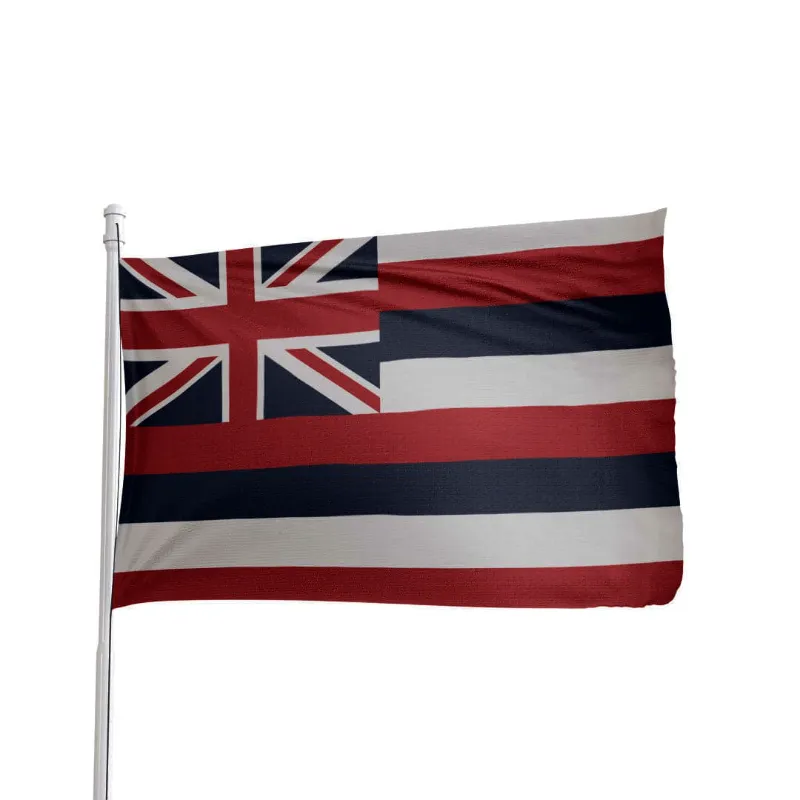
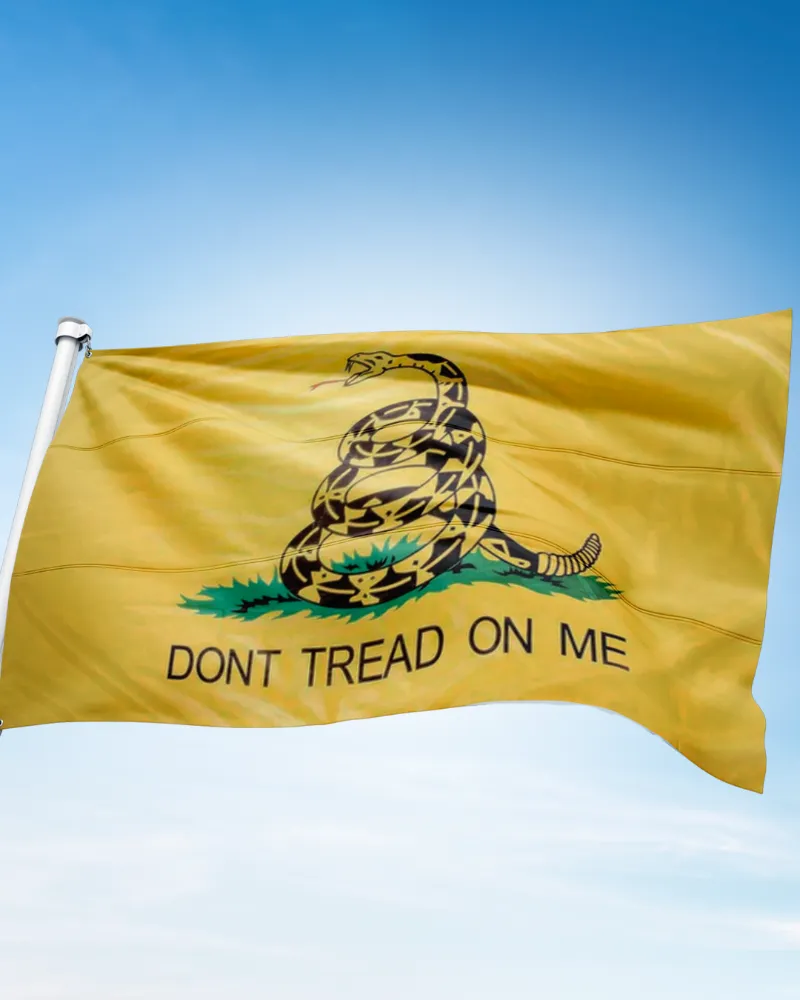
The Flag of Texas should never touch the ground, be used as decoration or draped over objects (bunting serves that purpose), or displayed in a damaged or faded condition. When flying multiple state flags like a hawaii flag or gadsden flag, the Texas flag may be flown at equal height since no state flag takes precedence over another.
Check Atlantic Flagpole’s current pricing and our discount code for quality all-weather options that withstand Texas heat and storms.
How to Clean and Maintain Your Texas Flag
Regular cleaning extends your flag’s lifespan and keeps the texas state flag colors vibrant. We recommend washing your flag every two to three months in high-traffic or industrial areas, or every four to six months in residential settings.
Hand Washing Method (best for delicate or older flags):
- Fill a basin with cold water and add mild liquid detergent
- Submerge the flag and gently agitate for 3-5 minutes
- Rinse thoroughly with cold water until soap residue disappears
- Air-dry flat or hang on a line; never wring or twist the fabric
Machine Washing Method (safe for modern nylon flags):
- Use cold water on a gentle cycle with mild detergent
- Wash the flag separately or with similar colors
- Skip fabric softener, which can coat fibers and reduce color vibrancy
- Air-dry completely before re-hanging; avoid high-heat dryers
Inspect your flag monthly for frayed edges, fading, or tears. Minor fraying can be trimmed with sharp scissors, but once the flag shows significant wear, retire it properly. Many veteran organizations and scout troops offer flag retirement ceremonies, or you can grab replacement flags with our code when needed.
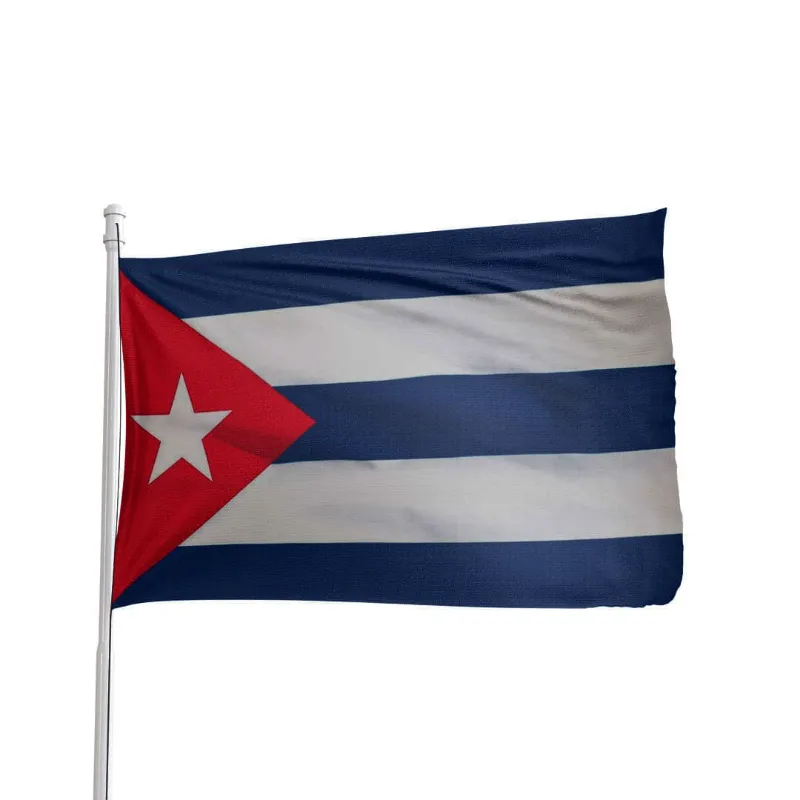
For customers who also display international flags like the cuban flag, korean flag, or south korean flag, these same cleaning protocols apply across all nylon and polyester flag materials.
Mounting Options and Hardware for Long-Lasting Display
The right mounting system prevents damage and makes maintenance easier.
| Mounting Type | Best For | Typical Cost Range |
|---|---|---|
| In-ground pole | Permanent residential display | $150 – $500 |
| Wall-mount bracket | Commercial buildings, homes without yards | $30 – $120 |
| Vertical banner pole | Porch columns, decorative display | $40 – $90 |
In-ground poles offer the most traditional display and work beautifully for a texas state flag in front yards or business properties. Choose poles made from aluminum or fiberglass for rust resistance and durability. The pole height should be at least 2.5 times the flag’s vertical dimension (a 3×5-foot flag needs a minimum 15-foot pole).
Wall-mount brackets save space and work well for urban homes or storefronts. Look for powder-coated steel brackets with adjustable angles, so you can position the flag away from the building for proper airflow. This prevents mildew and reduces wear from rubbing against siding.
Hardware maintenance matters as much as flag care. Lubricate pulleys and clips twice yearly with silicone spray, check for rust on metal components, and replace worn snap hooks before they damage your flag’s grommets.
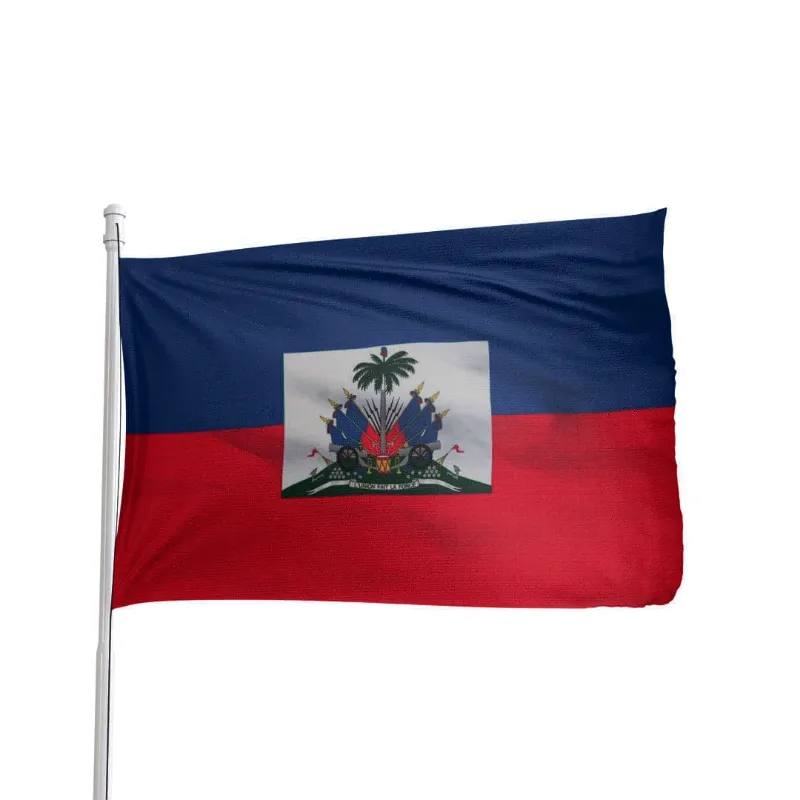
Atlantic Flagpole offers complete mounting kits alongside flags like the haiti flag and american flag new jersey. Visit their store page to see current bundle deals with poles and hardware included.
Texas State Flag History and When to Fly It
The texas state flag history traces back to January 25, 1839, when the Third Congress of the Republic of Texas officially adopted the design. The Handbook of Texas Online documents at least eight flags that flew over Texas before this design, but the Lone Star flag has remained the official standard through statehood and into modern times.
Before the current design, proposals included the Burnet flag (a single gold star on blue) and variations with different stripe arrangements. There is no official “new texas state flag” or “old texas state flag” designation, though some Texans incorrectly refer to earlier revolutionary flags by these terms.
Key dates to fly your texas state flag:
- Texas Independence Day (March 2): Commemorates the 1836 declaration of independence from Mexico
- San Jacinto Day (April 21): Celebrates the decisive battle that secured Texas independence
- Texas Statehood Day (December 29): Marks Texas joining the Union in 1845
- National and state holidays: Memorial Day, Independence Day, Veterans Day, and other patriotic observances
Many Texans fly their state flag year-round alongside the American flag, which is perfectly acceptable under both state and federal flag code. The pride associated with the Lone Star makes it one of the most commonly displayed american state flag designs nationwide.
Choosing the Right Size and Material
Flag size and material affect both appearance and durability. We recommend matching your flag size to your pole height and choosing materials based on your climate and display location.
Residential sizing guidelines:
- 15 to 20-foot pole: 3×5-foot flag
- 20 to 25-foot pole: 4×6-foot flag
- 25 to 40-foot pole: 5×8-foot flag
- 40+ foot pole: 6×10-foot flag or larger
Material comparison:
- Nylon: Lightweight, flies well in light wind, dries quickly, best for most residential use
- Polyester: Heavier, more durable, better for high-wind areas or commercial 24/7 display
- Cotton: Traditional look, rich colors, indoor or ceremonial use only (not weather-resistant)
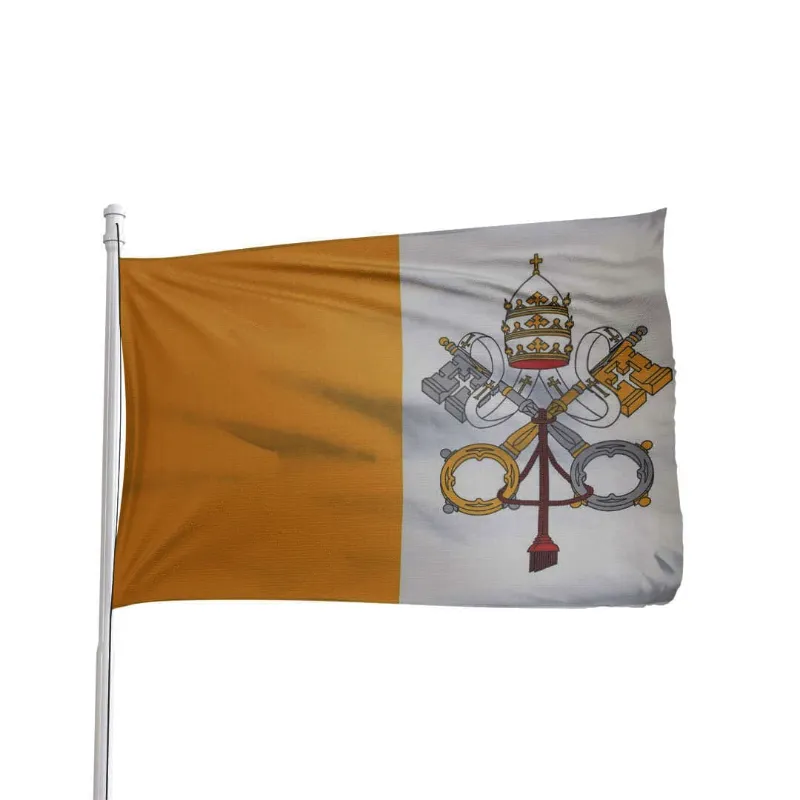
Texas weather demands fade-resistant, UV-treated materials. Atlantic Flagpole’s nylon flags use durable dyes that resist the intense sun and sudden storms common across the state. The same quality standards apply to their other state flags like the hawaii flag and specialty options like the vatican city flag or drc flag.
When you order through our Atlantic Flagpole discount code page, you will find detailed material specifications and size recommendations for every flag in their catalog, plus 5% off your entire order.
Storing Your Flag During Severe Weather
Even all-weather flags benefit from temporary storage during extreme conditions. Texas experiences high winds, hail, and severe thunderstorms that can shred even the toughest materials.
When to bring your flag indoors:
- Wind speeds forecast above 40 mph
- Hail warnings in your area
- Ice storms or freezing rain
- Extended periods of heavy rain (3+ hours)
Fold your flag properly before storage. The traditional triangle fold (like military ceremonies) works well and prevents creasing. Store folded flags in a cool, dry place away from direct sunlight. Avoid plastic bags that trap moisture; instead, use breathable cotton or canvas storage bags.
Before re-hanging after storage, inspect the flag for any damage that occurred before you brought it in, and check that all hardware and connections remain secure. This quick inspection routine keeps your texas state flag display looking professional year-round.
Flying the Lone Star flag connects you to Texas heritage and shows pride in your state. With proper display, regular cleaning, quality mounting hardware, and thoughtful storage during severe weather, your flag will remain a vibrant symbol for years to come.
Questions
Can I fly the Texas state flag at the same height as the U.S. flag?
No, when displayed together, the U.S. flag must always fly higher or in the position of honor. The Texas flag should be flown on a separate pole at equal or lower height, never above the American flag.
How often should I replace my texas state flag?
Replace your flag when colors fade significantly, fabric tears, or edges fray beyond trimming. In harsh climates with constant sun exposure, expect to replace outdoor flags every 6 to 12 months. Protected or occasionally displayed flags can last several years.
What does the single star on the Texas flag represent?
The lone star symbolizes Texas as an independent republic and represents unity as one state. It earned Texas the nickname Lone Star State and has remained the flag's central feature since 1839.
Can I wash my Texas flag in a washing machine?
Yes, modern nylon and polyester flags are machine washable on a gentle cycle with cold water and mild detergent. Always air-dry your flag completely and avoid high-heat dryers that can damage fibers and fade colors.
What size Texas flag do I need for a 20-foot flagpole?
For a 20-foot pole, choose a 3×5-foot or 4×6-foot flag. The general rule is that your pole should be at least 2.5 times the vertical dimension of your flag for proper proportion and wind clearance.
Should I take down my Texas flag during rain?
All-weather nylon flags can stay up during normal rain, but bring them indoors during severe storms, high winds above 40 mph, or hail. Extended heavy rain can accelerate wear, so temporary storage during multi-day storms extends flag life.
Products in this guide
 Shopping at Atlantic Flagpole? See the discount code
5% OFF All Orders
Shopping at Atlantic Flagpole? See the discount code
5% OFF All Orders
More in this series
Portable Door Lock Buying Guide: Hotel Security and Travel Safety3 Sep 20266 minWhat Size Flagpole Do You Need for State and International Flags?3 Sep 20265 minThe Complete Guide to Flying Historical Flags Like the Gadsden Flag3 Sep 20266 minDo Solar Flagpole Lights Work Year-Round in Cold Climates?3 Sep 20264 minInternational Flags vs State Flags: Which Should You Fly at Home?3 Sep 20265 min