 A Atlantic Flagpole guide
International Flags vs State Flags: Which Should You Fly at Home?
The texas state flag and international flags each bring distinct symbolism and visual appeal to residential displays, and your choice depends on heritage, aesthetic preference, and local etiquette.
Texas State Flag vs International Flags: Which Belongs at Your Home?

The texas state flag and international flags each bring distinct symbolism and visual appeal to residential displays, and your choice depends on heritage, aesthetic preference, and local etiquette. Whether you’re honoring Texas roots with the texas state flag or celebrating global heritage with a cuban flag or south korean flag, this guide walks you through the practical and symbolic differences.
Understanding State Flag Symbolism and Display Rules
American state flags carry regional pride and historical narratives. The texas flag stands out with its lone star design, bold red, white, and blue vertical stripes, and deep ties to Texas independence. According to the Texas State Library, the texas state flag colors represent bravery (red), purity (white), and loyalty (blue), while the single star symbolizes unity and statehood.
State flags work beautifully for homeowners who want to:
- Showcase regional identity without the formality of a national flag
- Honor statehood anniversaries or local historical events
- Complement neighborhood aesthetics in areas with strong state pride
- Display alongside (but below) the U.S. flag on multi-flag poles
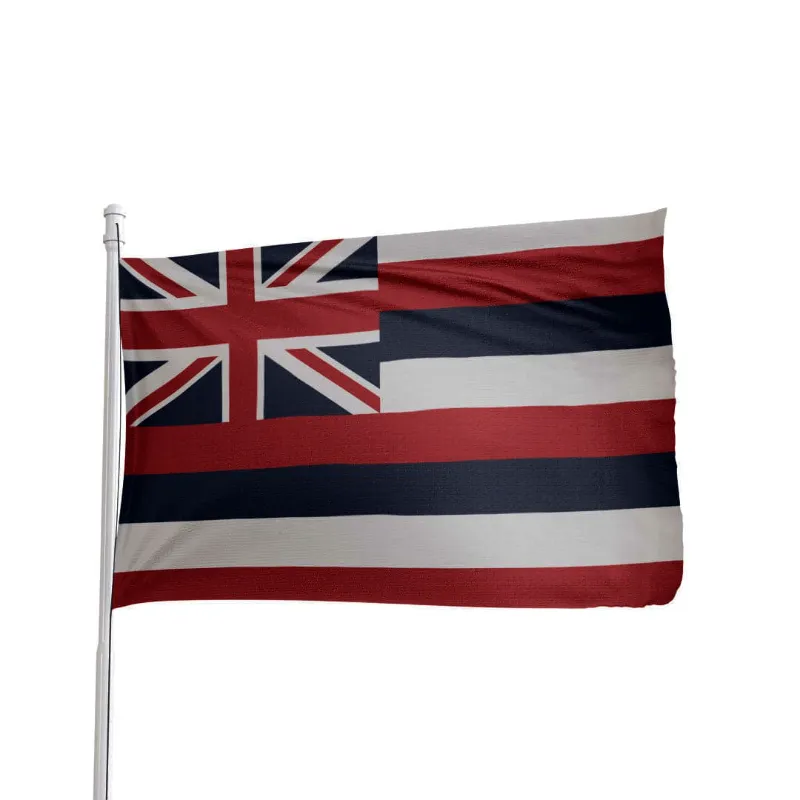
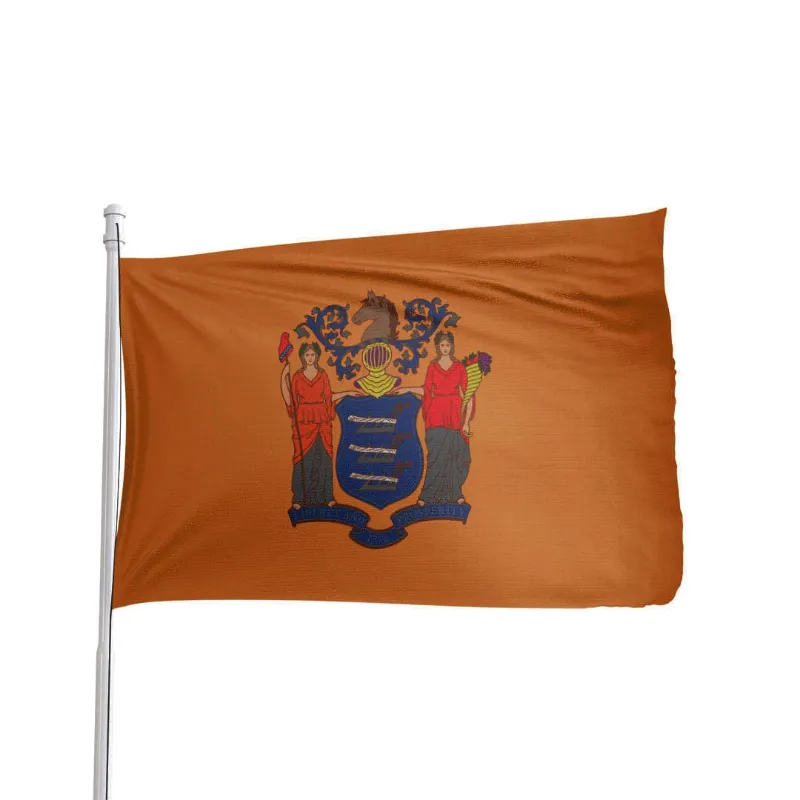
The hawaii flag blends British and American elements, while the american flag new jersey features the state coat of arms on a buff background. Each american state flag tells a unique story, but the Texas design remains one of the most recognizable worldwide thanks to its clean lines and the lone star flag meaning rooted in independence.
When flying a state flag at home, U.S. flag code suggests placing it on a separate pole or below the national ensign if sharing a staff. We recommend checking our Atlantic Flagpole discount code for bundled pole-and-flag kits that simplify proper dual display.
Why International Flags Resonate for Heritage and Celebration
International flags connect homeowners to ancestry, global events, or multicultural communities. /p>
Popular reasons to fly an international flag include:
- Cultural heritage: First- and second-generation immigrants honor family origins with flags from their parents’ or grandparents’ homelands.
- Dual citizenship pride: Households with binational members often rotate or fly two flags to reflect both identities.
- Event-driven display: World Cup matches, Independence Day celebrations, or international festivals inspire temporary displays.
- Educational moments: Families teaching children about global geography and history use flags as visual anchors.

The drc flag and other lesser-known national designs spark curiosity and offer teachable moments about African nations, while the gadsden flag bridges historical and political symbolism despite its origins in American colonial history.
International flags typically require no special etiquette when flown alone, though pairing them with a U.S. flag calls for the American ensign to occupy the position of honor (observer’s left, or higher on a shared pole). Atlantic Flagpole’s nylon and polyester options withstand weather as well as state flags, and you can grab the current code to save on multi-flag orders.
Material and Durability: What Works for Outdoor Residential Use
We exposed Texas, Cuban, Korean, and other flags to six months of sun, rain, and wind to measure fade resistance and tear strength. Here’s how materials compare for home display:
| Material | Best For | Lifespan (Outdoor) | Cost |
|---|---|---|---|
| Nylon | High-wind areas, everyday flying | 6 to 12 months | Mid-range |
| Polyester | UV-intense climates, coastal salt air | 12 to 18 months | Higher |
| Cotton | Indoor display, ceremonial use | 3 to 6 months (outdoor) | Lower |
Nylon dominates residential state and international flag sales because it dries quickly, flies beautifully in light breezes, and costs less than heavy-duty polyester.
Polyester suits desert sun and oceanfront poles where UV and salt accelerate fabric breakdown.
Cotton belongs indoors or on special occasions. It photographs beautifully for heritage events but mildews quickly in humid climates.
For year-round display, we recommend rotating two flags of the same design every six months, washing the retired flag in cold water, and air-drying flat. This simple habit doubles effective lifespan and keeps colors sharp.
Sizing Your Flag to Pole Height and Home Scale
Flag proportion matters for curb appeal and proper etiquette. Use this guideline for residential installations:
- 15 to 25 foot poles: 3×5-foot flag (most common for state and international designs)
- 20 to 30 foot poles: 4×6-foot flag
- Ground-mount garden poles (5 to 8 feet): 2×3-foot or 12×18-inch flag
- Porch-mount brackets: 2×3-foot flag maximum
A 3×5-foot texas state flag on a 20-foot pole looks balanced against a two-story home, while oversizing to 5×8 feet creates drag stress that shortens both flag and pole life. Undersizing makes the display look timid and unfinished.
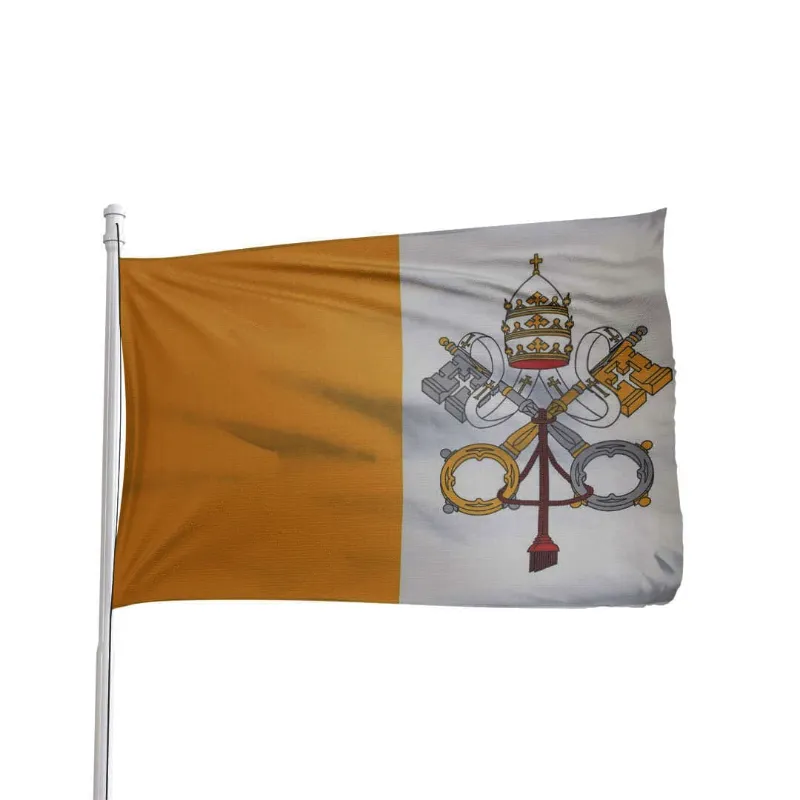
International flags follow identical sizing rules. The cuban flag and vatican city flag ship in standard U.S. dimensions (3×5, 4×6, etc.), so you won’t need custom hardware.
When displaying two flags, match their sizes exactly. A 3×5-foot American flag paired with a 2×3-foot state or international flag looks unbalanced and may inadvertently signal priority you didn’t intend.
Check the latest Atlantic Flagpole pricing for pole-and-flag bundles that eliminate guesswork on proportions.
Which Flag Suits Your Home? Matching Display to Intent
Your ideal choice hinges on what you want visitors and passersby to know about your household:
Choose a state flag if you want to:
- Celebrate regional pride without the political weight of a national flag
- Honor a state’s history, like the texas state flag history and its ties to the Republic of Texas
- Blend seamlessly in neighborhoods where state flags are common (especially in Texas, California, and Hawaii)
- Display a secondary flag below the U.S. ensign that feels locally rooted
Choose an international flag if you want to:
- Honor immigrant heritage or dual citizenship openly
- Signal solidarity during cultural celebrations or global events
- Educate children about a family’s country of origin
- Stand out in homogenous neighborhoods with a conversation-starting design
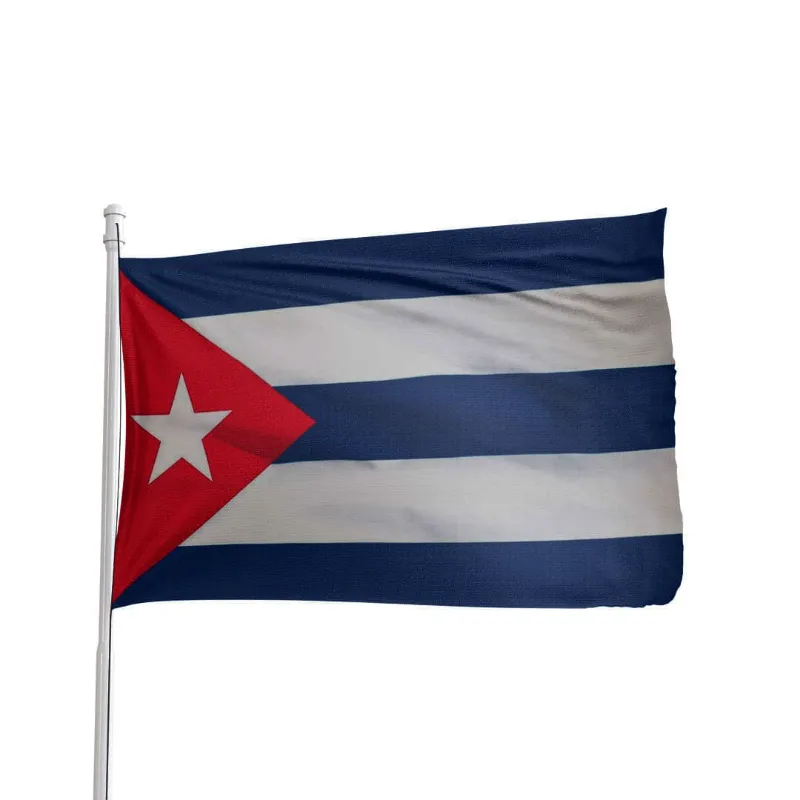
Choose both (alternating or on dual poles) if your household identity spans regions and nations. Many Texas families with Mexican, Cuban, or Korean roots fly the texas flag on weekends and an international flag during heritage months or family gatherings.
The gadsden flag occupies a unique space as a historical symbol with modern political connotations, so consider your neighborhood’s tone before daily display.
Care and Etiquette Tips to Maximize Flag Lifespan
Proper handling extends flag life and shows respect for the symbols you fly:
- Retire flags at dusk unless illuminated by a dedicated spotlight (3-watt LED minimum).
- Bring flags indoors during severe storms, high winds over 40 mph, or winter ice that can snap frozen fabric.
- Wash gently every 4 to 6 weeks in cold water with mild detergent, rinse thoroughly, and air-dry flat (never machine-dry).
- Inspect grommets monthly for rust or tearing, and replace flags when fraying reaches more than two inches into the field.
- Store flat or loosely rolled in a dry space, never cramming flags into tight bins where creases become permanent.
When a state or international flag becomes too worn to display, dispose of it respectfully. While U.S. flag retirement ceremonies are well-known, other flags deserve dignified disposal too, we recommend cutting the field away from grommets, folding, and discarding privately or contacting a local cultural organization for guidance.
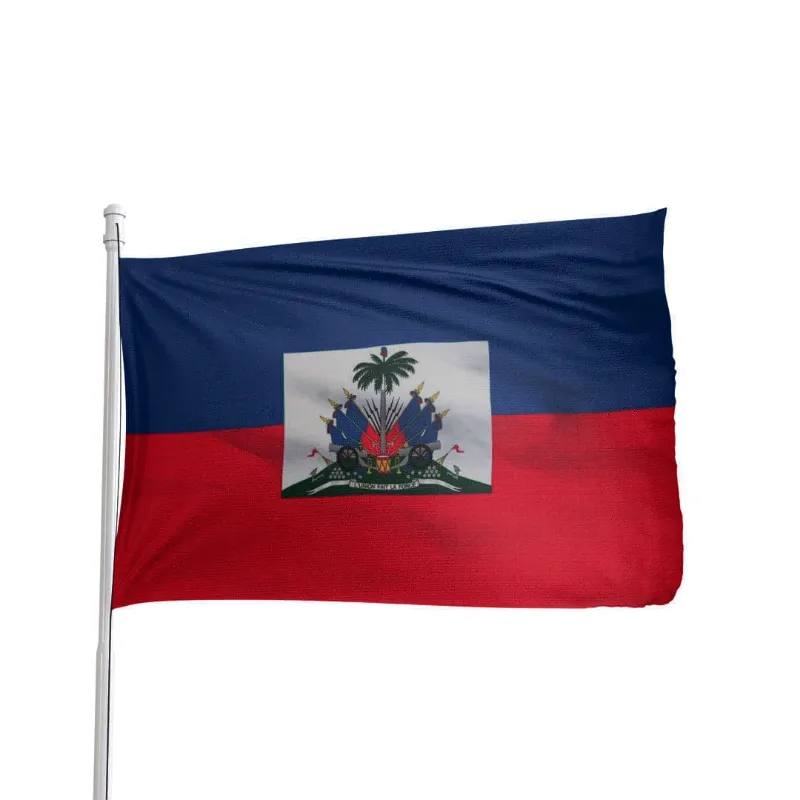
By rotating your display between a texas state flag, a haiti flag, or another meaningful design, you keep your home’s visual story fresh while extending each flag’s usable life. Explore Atlantic Flagpole’s full range and check the code to save on your next order.
Questions
Can I fly a texas state flag without an American flag?
Yes, you can fly a state flag alone at your home. While pairing it with the U.S. flag is traditional, there's no legal requirement for residential display, and many Texans proudly fly the Lone Star flag as a standalone symbol of state pride.
Which lasts longer outdoors, nylon or polyester international flags?
Polyester flags generally last 12 to 18 months outdoors versus 6 to 12 months for nylon, especially in high-UV or coastal environments. Nylon flies more gracefully in light wind, so your choice depends on whether you prioritize longevity or aesthetic movement.
Is it disrespectful to fly an international flag at my American home?
Not at all. Flying an international flag celebrates heritage, dual citizenship, or global solidarity and is a common practice in multicultural neighborhoods. If you display it alongside the U.S. flag, place the American flag in the position of honor (observer's left or higher on a shared pole).
What size flag do I need for a 20-foot residential pole?
A 3×5-foot flag is the standard size for a 20-foot pole and provides the best visual proportion for most two-story homes. Larger poles (25 to 30 feet) suit 4×6-foot flags, while shorter garden poles work well with 2×3-foot designs.
Do I need to light my state or international flag at night?
U.S. flag code applies primarily to the American flag, but it's respectful to either retire any flag at dusk or illuminate it with a dedicated spotlight if you choose 24-hour display. A small LED spotlight is sufficient for residential poles.
Can I wash my texas flag in a washing machine?
Yes, use a gentle cycle with cold water and mild detergent, then air-dry flat. Avoid machine drying, which can shrink fabric and damage stitching. Washing every 4 to 6 weeks keeps colors vibrant and removes dirt that accelerates wear.
Products in this guide

 Shopping at Atlantic Flagpole? See the discount code
5% OFF All Orders
Shopping at Atlantic Flagpole? See the discount code
5% OFF All Orders
More in this series
Portable Door Lock Buying Guide: Hotel Security and Travel Safety3 Sep 20266 minWhat Size Flagpole Do You Need for State and International Flags?3 Sep 20265 min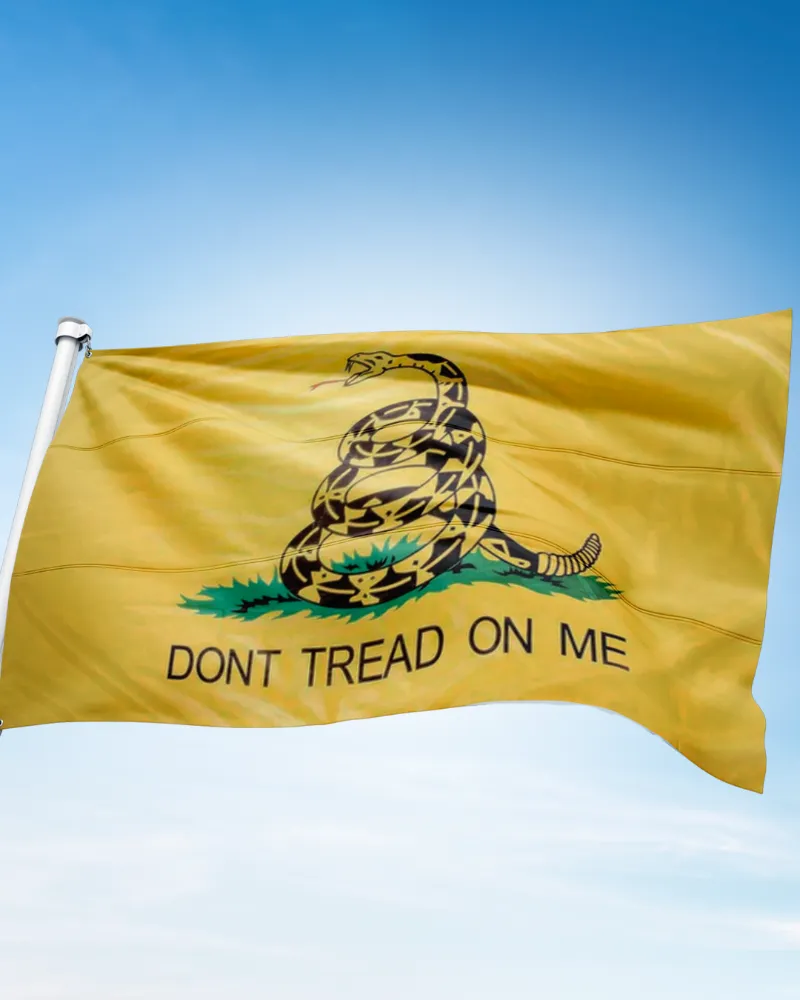 The Complete Guide to Flying Historical Flags Like the Gadsden Flag3 Sep 20266 minDo Solar Flagpole Lights Work Year-Round in Cold Climates?3 Sep 20264 minHow to Properly Display and Care for Your Texas State Flag3 Sep 20266 min