 A Stinger Sports guide
What Size First Base Mitt Should You Buy for Youth and Adult Players?
A first base mitt should measure 11.5 to 12 inches for youth players and 12 to 13 inches for adults, sized to match hand span and catching comfort.
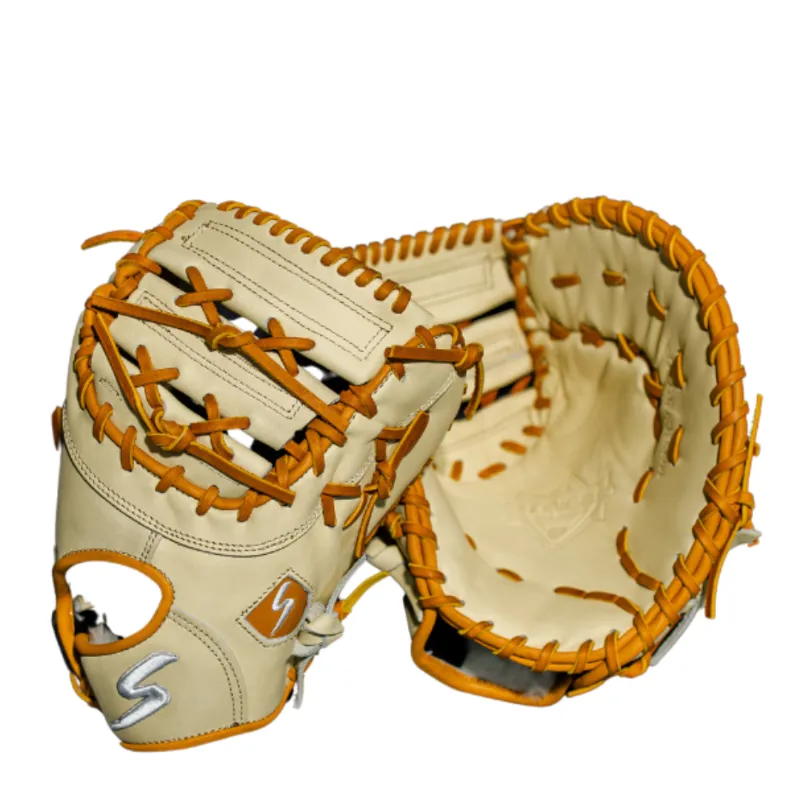
A first base mitt should measure 11.5 to 12 inches for youth players and 12 to 13 inches for adults, with the right size determined by your hand span, age group, and whether you prioritize reach or control. Unlike standard fielding gloves, a first base mitt features a deeper pocket and single-post web that helps scoop low throws and secure fast feeds from infielders.
This guide walks you through the sizing standards, how to measure your hand, and what to look for when choosing between 12-inch and 13-inch models.
Standard First Base Mitt Sizes by Age and League
Youth, high school, and adult leagues each favor different size ranges based on hand development and the speed of play.
| Age Group | Mitt Size (inches) | Best For |
|---|---|---|
| 7 to 10 years | 11.5 to 12 | Smaller hands, learning fundamentals |
| 11 to 14 years | 12 to 12.5 | Middle school, travel ball |
| High school & adult | 12.5 to 13 | Competitive play, maximum reach |
- Youth mitts (11.5 to 12 inches) suit players with hand spans under 7 inches and help younger athletes close the glove without strain.
- Adult mitts (12.5 to 13 inches) offer the deepest pocket and widest catching surface for high school, college, and recreational leagues.
- A 12-inch mitt bridges both categories and works well for players aged 10 to 13 transitioning between youth and adult gear.
Most manufacturers size from the heel of the mitt to the top of the index finger along the outer edge. Check the latest pricing on youth and adult models to compare your options.
How to Measure Your Hand for a First Base Mitt
Measure from the base of your palm to the tip of your middle finger with your hand flat. This number helps you choose a mitt length that closes comfortably without excessive squeeze or gap.
- Under 6.5 inches: stick with 11.5 to 12-inch mitts to maintain control and quick transfers.
- 6.5 to 7.5 inches: a 12 to 12.5-inch mitt balances pocket depth and hand fit.
- Over 7.5 inches: adult 12.5 to 13-inch models give you the reach and pocket size to handle low scoops and wide throws.
Try closing the mitt with one hand while wearing it. If you need both hands or significant effort to squeeze the pocket shut, size down half an inch. The break-in period will soften the leather, but the initial fit sets your baseline comfort.
Youth vs Adult Mitt Features Beyond Size
Size alone does not define a youth or adult mitt. Material weight, pocket depth, and wrist construction all shift between age groups.
Youth mitts use lighter leather or synthetic blends to reduce hand fatigue during long practices. The pocket runs shallower to help smaller hands secure the ball quickly, and the wrist opening narrows to prevent the glove from sliding during catches. These design choices make an 11.5-inch youth mitt feel more controlled than a 12-inch adult model cut down.
Adult mitts feature thicker, stiffer leather that holds its shape under repeated hard throws. The single-post web extends deeper, creating a larger catching zone for scooping low balls in the dirt. Wrist adjustments include dual straps or D-ring systems that lock the mitt securely on your hand. When you grab the code, compare the leather grade and web style alongside the listed size.
Choosing Between 12-Inch and 13-Inch Models
The half-inch jump from 12.5 to 13 inches changes how the mitt handles scoops, pop-ups, and fast feeds, so your position habits and hand strength matter as much as your palm measurement.
A 12 to 12.5-inch mitt gives you faster glove-to-hand transfers and lighter weight, which helps during double-play feeds or when you need to throw to another base. This range suits high school players still building hand strength and adult recreational leagues where quickness outweighs raw reach.
A 13-inch mitt maximizes your catching surface and pocket depth, making it easier to snag errant throws and dig low pitches out of the dirt. College and competitive adult players favor this size because the added surface area compensates for split-second reaction gaps. The tradeoff is slightly slower transfers and more break-in time due to the larger leather panel.
If you regularly field bunts or cover ground beyond the base, lean toward 12.5 inches. If you anchor the bag and prioritize securing every throw, go with 13.
Breaking In and Caring for Your Mitt
A new first base mitt arrives stiff, and the pocket needs shaping before it performs like the gloves you see in the pros. We recommend the ball-and-rubber-band method: place a baseball deep in the pocket, fold the mitt around it, wrap two thick rubber bands around the folded glove, and leave it overnight. Repeat this for five to seven nights while playing light catch to accelerate the leather flex.
- Apply a thin layer of glove oil or conditioner every two to three weeks during the season to keep the leather supple without over-saturating it.
- Store the mitt with a ball in the pocket to maintain the pocket shape between games.
- Avoid leaving it in a hot car or direct sunlight, which dries out the leather and weakens the laces.
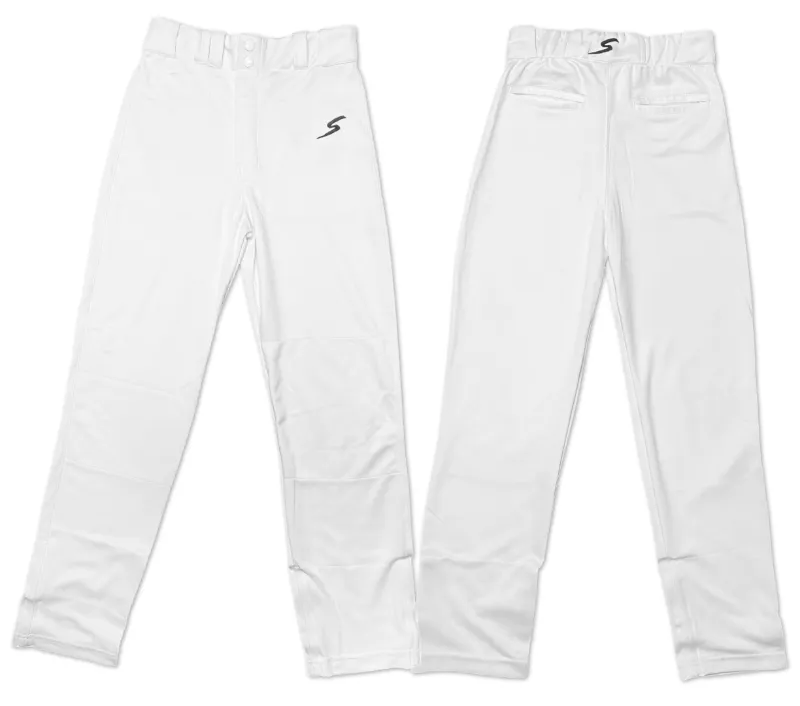
Proper care extends the mitt’s usable life to four or five seasons of regular play, making the upfront sizing decision even more important. Pair your new mitt with baseball pants or batting gloves to complete your field-ready setup, and check our discount code page for bundle savings across all gear.
Who Should Size Up or Down
Standard size charts work for most players, but certain scenarios call for adjustments outside the age-based recommendations.
Size down if you have shorter fingers relative to your palm width, play in faster-paced leagues where transfer speed matters more than reach, or find that standard mitts feel loose even after tightening the wrist strap. A snug fit always outperforms a large, floppy glove.
Size up if you have long fingers and a wide hand span, your league throws harder or faster than typical recreational play, or you struggle to catch low throws with your current mitt. The extra half inch of pocket depth can turn misses into outs when you are stretched to your limit.
We have also seen players with hand spans in the 7-inch range prefer 12-inch mitts over 12.5-inch models because the tighter fit gives them better pocket control during quick plays. Test the mitt with a few practice throws before committing to a size, and remember that the break-in process will loosen the pocket slightly over the first month of use.
Questions
What size first base mitt do most high school players use?
Most high school players use 12.5 to 13-inch mitts because these sizes offer the reach and pocket depth needed for competitive play while still allowing quick transfers. The exact choice depends on hand size and whether the player prioritizes scooping ability or transfer speed.
Can a 12-year-old use an adult first base mitt?
A 12-year-old can use an adult mitt if their hand span measures at least 7 inches and they have the grip strength to close a stiffer glove. However, most players this age perform better with a 12 to 12.5-inch model designed for youth-to-adult transition.
How do I know if my first base mitt is too big?
Your mitt is too big if you cannot close it with one hand, the ball pops out of the pocket on routine catches, or the glove slides around your wrist even after tightening the strap. A properly sized mitt closes comfortably and stays secure during movement.
Is a 13-inch mitt harder to break in than a 12-inch?
Yes, 13-inch mitts typically require more break-in time because they use larger, thicker leather panels. Expect an extra week or two of conditioning and catch sessions compared to a 12-inch model, especially if the leather is high-grade cowhide or steerhide.
Should I buy the same size mitt I used last season?
Not necessarily. If your hand has grown more than half an inch since last season or you have moved up to a faster league, size up to maintain the same level of control and reach. Re-measure your hand each season to confirm your current fit.
Do synthetic first base mitts come in the same sizes as leather?
Yes, synthetic mitts follow the same 11.5 to 13-inch size range as leather models. However, synthetic materials often feel slightly larger because they do not compress and mold to your hand the way leather does during break-in.
Products in this guide
Shopping at Stinger Sports? See the discount code
10% OFF All Orders
More in this series
 When to Replace Your Batting Gloves: Signs of Wear and Loss of Grip20 Aug 20265 min
 Custom Baseball Jerseys: Sublimation vs Screen Print Durability Compared20 Aug 20264 minDo White Baseball Pants Stay Clean? Care and Stain Removal Tips20 Aug 20265 min
 Batting Gloves vs Sliding Mitts: Which Hand Protection Do You Actually Need?20 Aug 20265 minHow to Choose the Right Wood Baseball Bat Material for Your Swing Style20 Aug 20266 min