 A Stinger Sports guide
How to Choose the Right Wood Baseball Bat Material for Your Swing Style
Choosing the right wood baseball bat material comes down to matching the wood's density and flex to your swing speed and hitting approach.
The best wood baseball bat material depends on whether you prioritize exit velocity, bat speed, or durability. Maple delivers maximum hardness for power hitters, ash offers flex and forgiveness for contact hitters, birch blends both characteristics, and bamboo provides budget-friendly strength.
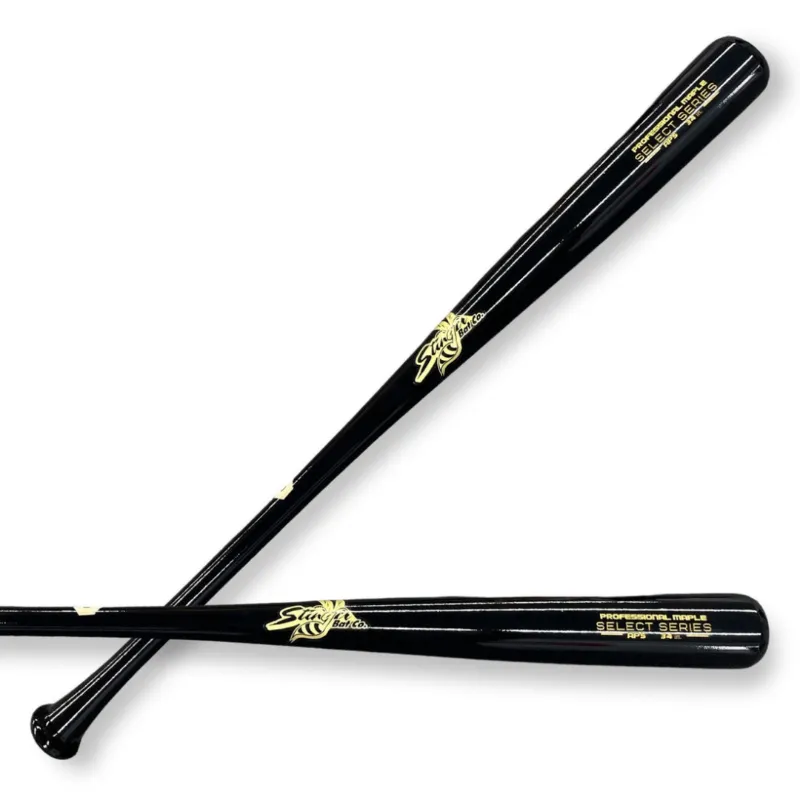
Stinger Sports stocks all four major wood baseball bat material options, and right now you can grab the code for 10% off your order.
Match Wood Density to Your Swing Speed
Fast-swing hitters generate enough bat speed to maximize hard, dense woods. Slower, more controlled swingers benefit from lighter, flexible options that help them catch up to inside pitches.
Maple is the densest option and requires the most bat speed to drive through the zone. The tight grain structure creates a rock-hard hitting surface that won’t dent or flake easily, making it ideal for players who already generate 70+ mph bat speed. The lack of flex means you need to square the ball perfectly, but when you do, exit velocity jumps 2-4 mph compared to softer woods.
Ash sits at the opposite end. Its wider grain and lower density create natural flex during the swing, which adds whip through the zone and helps slower swingers catch up to fastballs. The trade-off is durability: ash flakes and dents faster, especially on mishits. Contact hitters who spray the ball to all fields and rarely swing for the fences get the most from ash.
Birch splits the difference with medium density and a break-in period. Fresh birch feels closer to ash, but after 100-200 swings the surface compresses and hardens to near-maple levels. This makes it the most versatile wood baseball bat material for high school and college players still refining their approach.
Bamboo composite is technically a grass, not a hardwood, but it’s pressed into strips and laminated for extreme durability. It’s heavier than maple but nearly indestructible, which makes it a smart choice for batting practice or for players on a budget who can’t afford to replace cracked bats every few weeks.
Swing Style Recommendations by Position
| Wood Type | Best For | Swing Characteristics |
|---|---|---|
| Maple | Power hitters, corner outfielders, cleanup spots | High bat speed, uppercut swings, pull-heavy approach |
| Ash | Contact hitters, middle infielders, leadoff/two-hole | Line-drive swings, opposite-field spray, bat control priority |
| Birch | All-around hitters, developing players | Balanced approach, adjusting to wood from metal |
| Bamboo | Practice, budget-conscious players | Heavy training swings, cage work, infield drills |
Middle infielders who focus on putting the ball in play and moving runners benefit most from ash. Corner players hunting extra-base hits should lean maple. If you’re transitioning from aluminum or still experimenting with your stance and timing, birch gives you room to evolve without sacrificing performance.
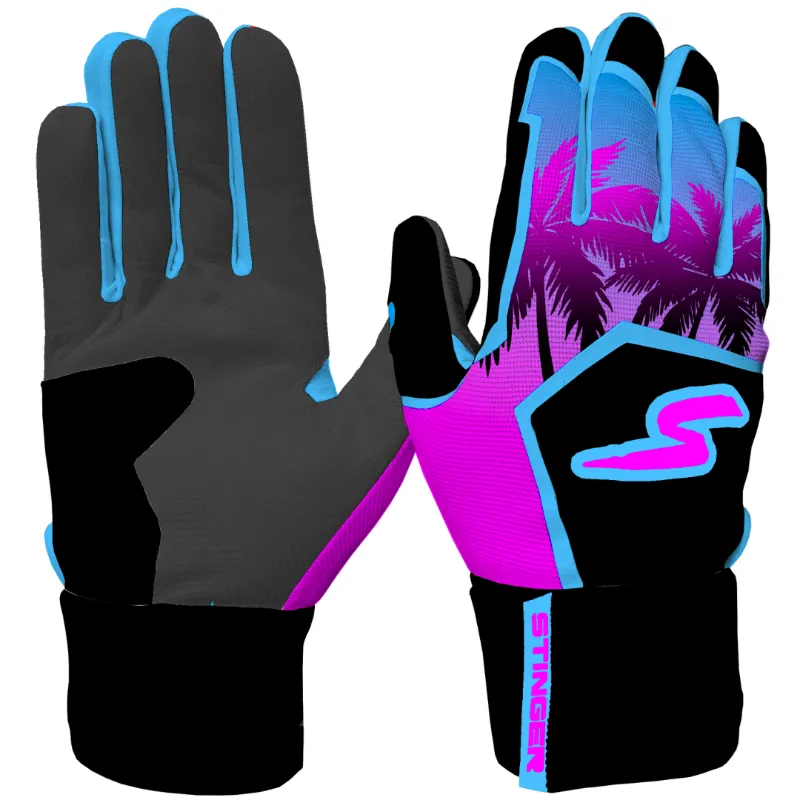
Pair your bat with quality batting gloves to maintain grip consistency across all four wood types, especially in humid or sweaty conditions.
Grain Orientation and Break Points
The way the wood grain runs through the barrel determines where and how your bat will eventually crack. Hitting on the correct side of the barrel extends bat life significantly.
Ash and birch show visible grain lines. You want to make contact with the grain running perpendicular to the ball, which puts the strongest part of the wood into the collision. Most manufacturers ink-stamp the logo on the face-grain side, so you should hit with the logo facing up or down, not toward the pitcher.
Maple has such tight grain that orientation matters less, but the same logo-up rule applies. The wood is hard enough that even edge-grain contact holds up for dozens of swings.
Bamboo composite has no grain, so you can rotate the barrel freely without worrying about weak points. This makes it especially forgiving for younger players still learning proper bat angle at contact.
Barrel Size and Weight Distribution
Wood bats must meet specific barrel diameter limits (2.61 inches for high school and college), but within that constraint, manufacturers shape the weight distribution differently depending on the wood type.
Maple bats often feature end-loaded designs because the wood is dense enough to maintain structural integrity with more mass in the barrel. This pushes the sweet spot farther from your hands and increases momentum through the zone, ideal for power swingers who want maximum force at contact.
Ash and birch are typically balanced or slightly end-loaded. The lower density means shaving too much handle material would create a fragile break point, so manufacturers keep more wood in the taper and distribute weight evenly.
Length matters more than many players realize. A 33-inch maple bat swings noticeably heavier than a 33-inch ash bat even if they’re listed at the same drop weight. We recommend going down half an inch in length when switching from ash to maple to maintain similar swing feel.
When you’re ready to check the latest price on any of these options, Stinger Sports lists the exact weight distribution and barrel profile for each model so you can compare apples to apples.
Durability vs Performance Trade-Offs
No wood bat lasts forever, but understanding the failure modes helps you decide how much to invest.
Maple cracks cleanly, usually along a single fracture line through the handle or barrel. You’ll get 200-500 swings depending on how often you miss-hit, and the performance stays consistent right up until the bat breaks. When it does fail, it tends to snap into large pieces rather than splintering.
Ash flakes and dents gradually. You’ll notice small chunks missing from the barrel after 50-100 swings, and the sweet spot shrinks as the surface degrades. Most players retire ash bats when the flaking becomes severe, usually around 150-300 swings, even though the bat is technically still usable.
Birch behaves like ash early in its life, with some surface wear during break-in, then hardens and cracks like maple once it’s fully compressed. Total lifespan runs 250-400 swings.
Bamboo simply refuses to break. We’ve seen bamboo bats survive 1,000+ cage swings with nothing more than cosmetic scuffing. The trade-off is feel: bamboo has a stiffer, less responsive impact that some hitters describe as “dead” compared to hardwood.
If you’re burning through three ash bats per season, switching to maple or birch cuts replacement costs even though the upfront price is slightly higher. For practice-only use, bamboo pays for itself in a month.
How to Test Before You Commit
Most players can’t afford to buy all four wood types, so we recommend this testing sequence.
Start with birch. Its middle-ground characteristics reveal whether you need more flex (switch to ash) or more hardness (move to maple). Take 20-30 cuts in the cage and note whether the bat feels too whippy, too stiff, or just right through the zone.
If birch feels too rigid and you’re struggling to get the barrel around on inside pitches, ash will give you the extra flex you need. If birch feels too soft and you’re crushing the ball but seeing surface damage, upgrade to maple.
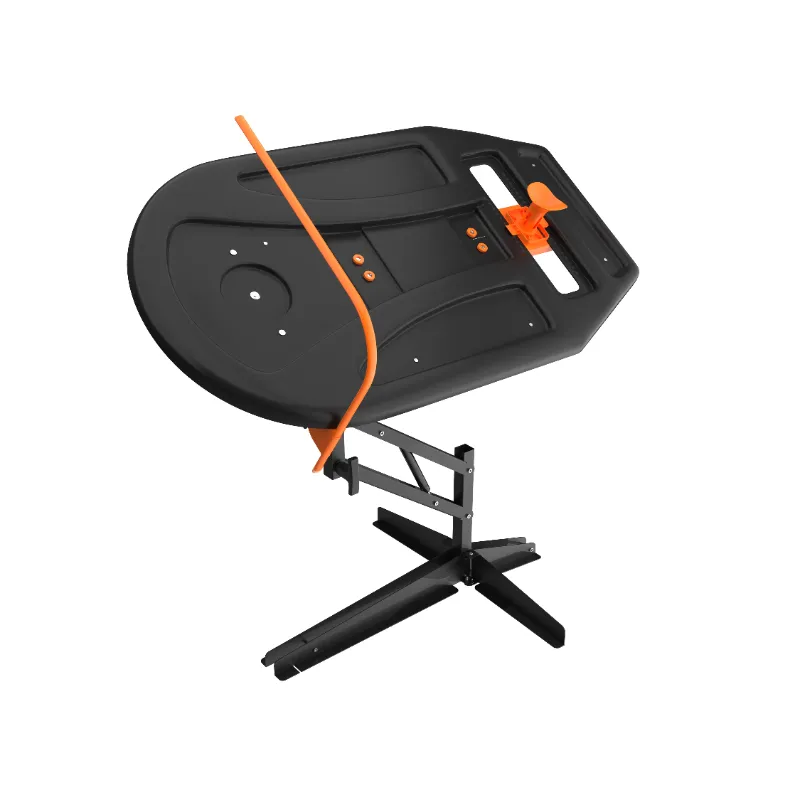
For training work, add a bamboo model to your rotation. The extra weight builds strength, and the durability means you can take full swings without worrying about costly breakage. Many players also use a swing trainer to groove their mechanics before stepping into the cage with their game bat.
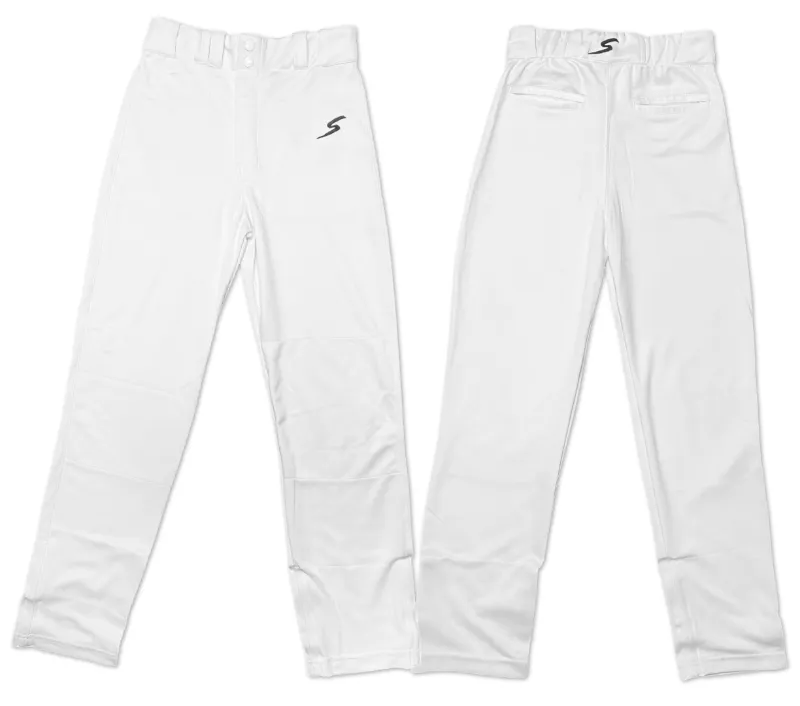
When you’re serious about optimizing your setup, round out your gear with baseball pants that let you move freely in the box, especially if you use a wide or open stance that requires hip rotation.
What We Recommend
For most high school and college contact hitters, birch offers the best balance of performance, durability, and cost. It adapts to your swing as you develop, and the break-in period teaches you to make solid contact consistently.
Power hitters with proven bat speed should go straight to maple. The performance ceiling is higher, and if you’re already driving balls 350+ feet with aluminum, you’ll see similar distance with wood once you adjust to the smaller sweet spot.
Ash makes sense for slap hitters and players who prioritize bat control over exit velocity, but expect to replace it more frequently.
Bamboo belongs in the practice bag, not the game lineup, unless league rules specifically allow composite construction.
Whatever wood baseball bat material you choose, using the current discount code at Stinger Sports takes 10% off, which offsets the higher cost of premium maple or covers most of the price difference when you’re upgrading from bamboo to hardwood. The right wood bat transforms your swing mechanics and builds the hand-eye coordination metal bats can’t teach.
Questions
Which wood baseball bat material is most durable?
Bamboo composite is the most durable, often lasting 1,000+ swings, followed by maple which cracks cleanly after 200-500 swings. Ash is the least durable, flaking and denting after 150-300 swings.
Should I choose maple or ash for my first wood bat?
Start with birch for your first wood bat. It offers a middle-ground feel that helps you determine if you need the flex of ash or the hardness of maple based on your swing speed and contact quality.
Does the grain orientation really matter when hitting?
Yes, especially for ash and birch. Hit with the logo facing up or down so the grain runs perpendicular to the ball. This positions the strongest part of the wood at contact and extends bat life significantly.
Why do professional players prefer maple bats?
Maple's extreme density creates higher exit velocity on squared-up contact and resists denting better than softer woods. Players with elite bat speed can maximize maple's hardness without sacrificing swing speed.
Can I use a bamboo bat in high school games?
Check your league rules first. Most high school and college leagues require solid hardwood bats and prohibit bamboo composite construction in games, though it's excellent for practice.
How much does wood type affect exit velocity?
Maple typically adds 2-4 mph exit velocity compared to ash on perfectly squared contact due to its harder surface. Birch falls in between, while bamboo feels stiffer but doesn't translate to measurably higher exit speed.
Products in this guide
 Shopping at Stinger Sports? See the discount code
10% OFF All Orders
Shopping at Stinger Sports? See the discount code
10% OFF All Orders
More in this series
When to Replace Your Batting Gloves: Signs of Wear and Loss of Grip20 Aug 20265 min Custom Baseball Jerseys: Sublimation vs Screen Print Durability Compared20 Aug 20264 min
 What Size First Base Mitt Should You Buy for Youth and Adult Players?20 Aug 20265 minDo White Baseball Pants Stay Clean? Care and Stain Removal Tips20 Aug 20265 minBatting Gloves vs Sliding Mitts: Which Hand Protection Do You Actually Need?20 Aug 20265 min