 A Stinger Sports guide
Batting Gloves vs Sliding Mitts: Which Hand Protection Do You Actually Need?
Batting gloves and sliding mitts serve completely different purposes, and most serious players end up needing both at different moments in the game.
Batting Gloves vs Sliding Mitts: Which Do You Need?
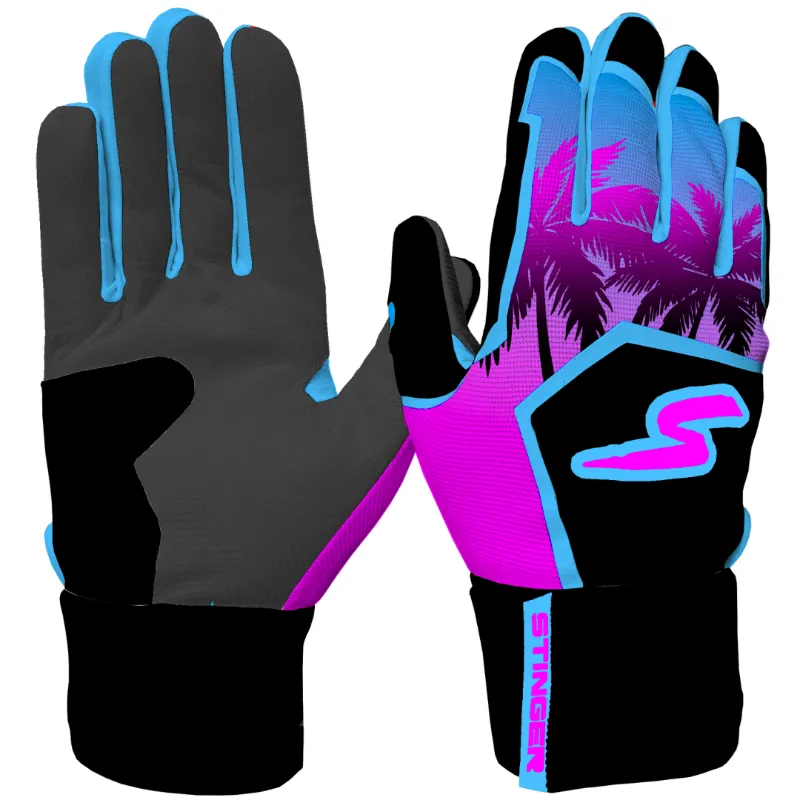
Batting gloves improve grip and reduce sting at the plate, while sliding mitts protect your hand during base-running. Most players invest in quality batting gloves for hitting and a sliding mitt baseball for aggressive base paths, because the two pieces of gear solve entirely different problems.
What Batting Gloves Actually Do for Your Swing
Batting gloves deliver three core benefits: they prevent the bat from twisting in your hands on mishits, absorb vibration that would otherwise sting your palms, and wick away sweat so your grip stays consistent through long games or humid conditions.
The palm material determines grip quality. Leather offers the best tackiness and durability, while synthetic options dry faster and cost less. We recommend leather for players who see frequent at-bats and synthetic for youth leagues or recreational use.
- Leather palms: superior grip, mold to your hands over time, last a full season or more with proper care
- Synthetic palms: dry quickly, more affordable, ideal for occasional players or wet climates
- Hybrid construction: synthetic backs with leather palms balance breathability and grip
Fit is critical. Gloves that bunch at the knuckles disrupt your swing mechanics, and loose fingertips reduce bat control. Measure from the base of your palm to your middle fingertip, and compare that to the manufacturer’s sizing chart before ordering. Check current pricing and grab the code to save on your next pair.
When a Sliding Mitt Becomes Essential Gear
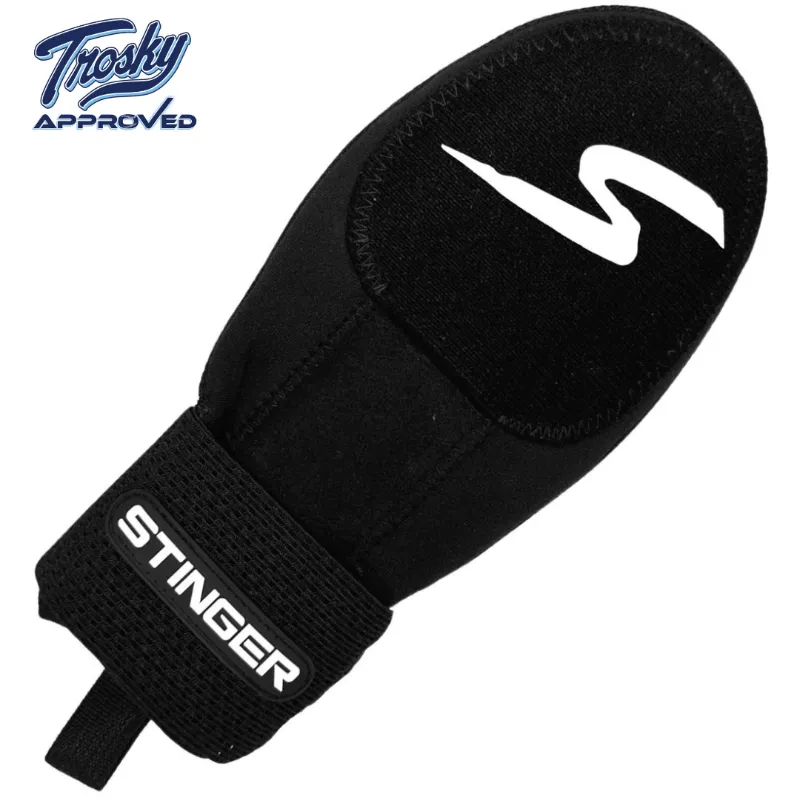
A sliding mitt wraps your lead hand in a padded shell that prevents jammed fingers, fractures, and cleat injuries when you slide into bases. Unlike batting gloves, which you wear during your at-bat, a sliding mitt goes on as soon as you reach base and comes off when the play ends.
Base stealers, aggressive runners, and anyone playing on fields with hard-packed dirt benefit most. The mitt’s rigid outer shell deflects impact from the bag and opposing players’ cleats, while the inner padding absorbs shock. Many feature a wrist strap that keeps the mitt snug even during headfirst slides.
- Wrist protection: extends 3-4 inches up your forearm to guard against rolled wrists
- Ambidextrous vs hand-specific: most mitts fit either hand, but check before ordering
- Attachment loops: some mitts clip to your belt when you’re batting so you don’t lose them
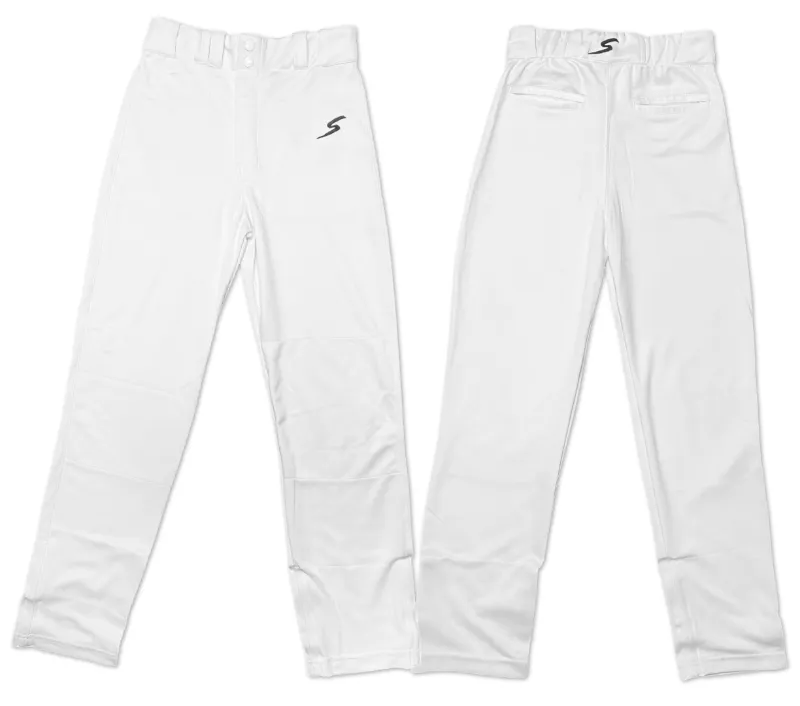
Youth leagues increasingly require sliding mitts for headfirst slides, and high school coaches recommend them for any player who steals bases regularly. If you’re already investing in protective gear like baseball pants with reinforced knees, adding a mitt completes your base-running kit.
Key Differences: Protection, Usage, and When to Wear Each
| Feature | Batting Gloves | Sliding Mitts |
|---|---|---|
| Primary purpose | Grip and vibration dampening | Impact and abrasion protection |
| When worn | During at-bats and fielding | Only while on base |
| Flexibility | Full finger mobility | Rigid shell limits movement |
| Typical cost | $20-$60 per pair | $25-$50 per mitt |
Batting gloves stay on your hands for most of the game if you’re a position player, while sliding mitts are situational gear you add and remove between plays. You’ll never wear a sliding mitt while hitting because it eliminates the finger dexterity you need to adjust your grip mid-swing.
Some players wear a batting glove under their sliding mitt for extra padding, though this can make the mitt fit too tight. We recommend trying both configurations during practice to see what feels secure without restricting blood flow.
Combining Both: What Serious Players Keep in Their Bags
Most competitive players own at least one pair of batting gloves and one sliding mitt, switching between them as the game demands. Keep your batting gloves in your back pocket when you’re on base, and stash your sliding mitt in your helmet or clipped to your belt when you’re up to bat.
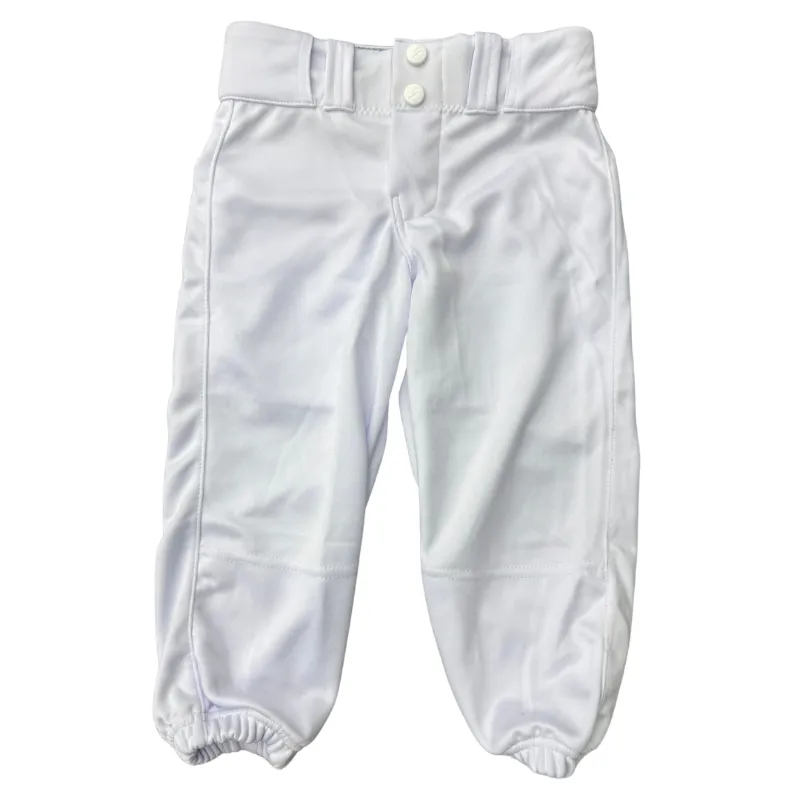
If you’re building a complete gear setup, pair your hand protection with properly fitted white baseball pants or knickers pants that won’t catch on the mitt during slides. Players who prefer the traditional look often match their glove colors to their baseball jersey shirts custom for a coordinated appearance.
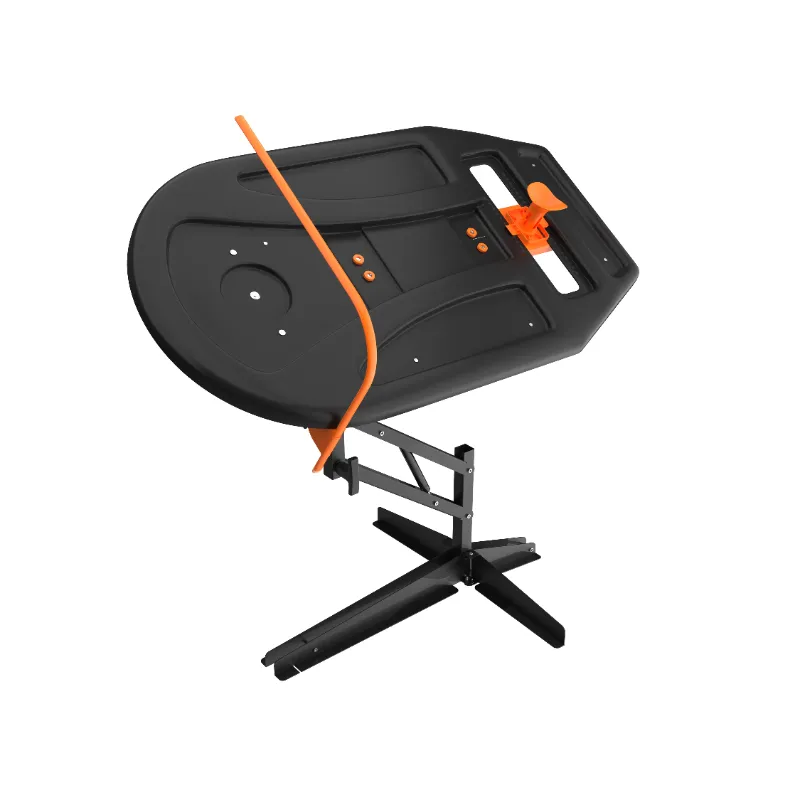
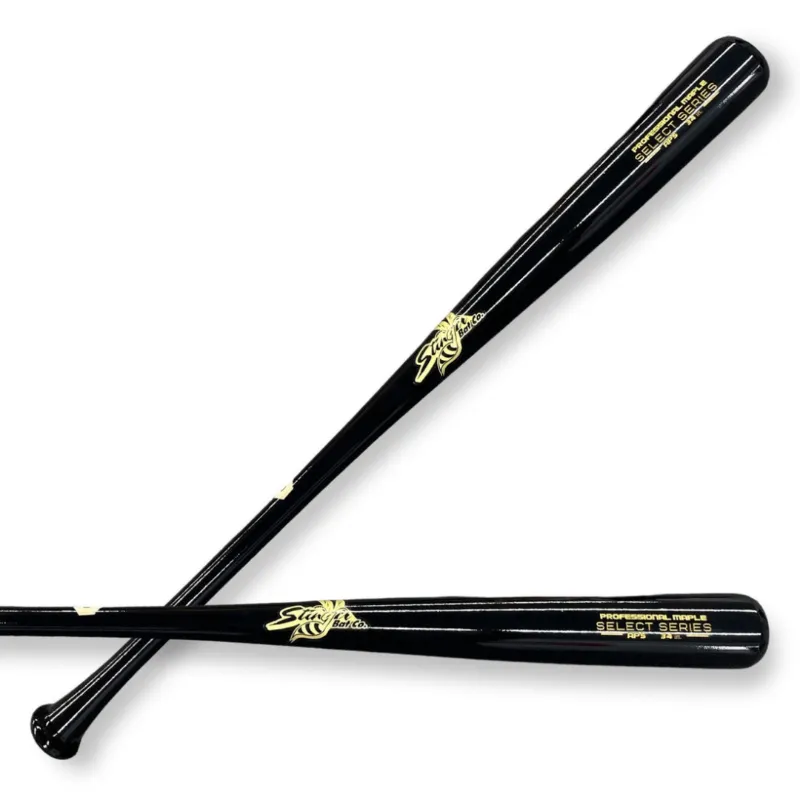
For training, a swing trainer helps you build the bat speed and mechanics that make batting gloves most effective, while a quality wood baseball bat material option lets you feel exactly how much grip improvement the gloves provide compared to bare hands.
Choosing the Right Protection for Your Position and Style
Outfielders and power hitters rely heavily on batting gloves because they take big swings that generate maximum vibration. A sliding mitt is optional unless you’re aggressive on the basepaths.
Base stealers and leadoff hitters need both. Your speed puts you in sliding situations frequently, so a mitt prevents the hand injuries that sideline fast players. Quality batting gloves keep your bat control sharp during bunts and contact hitting.
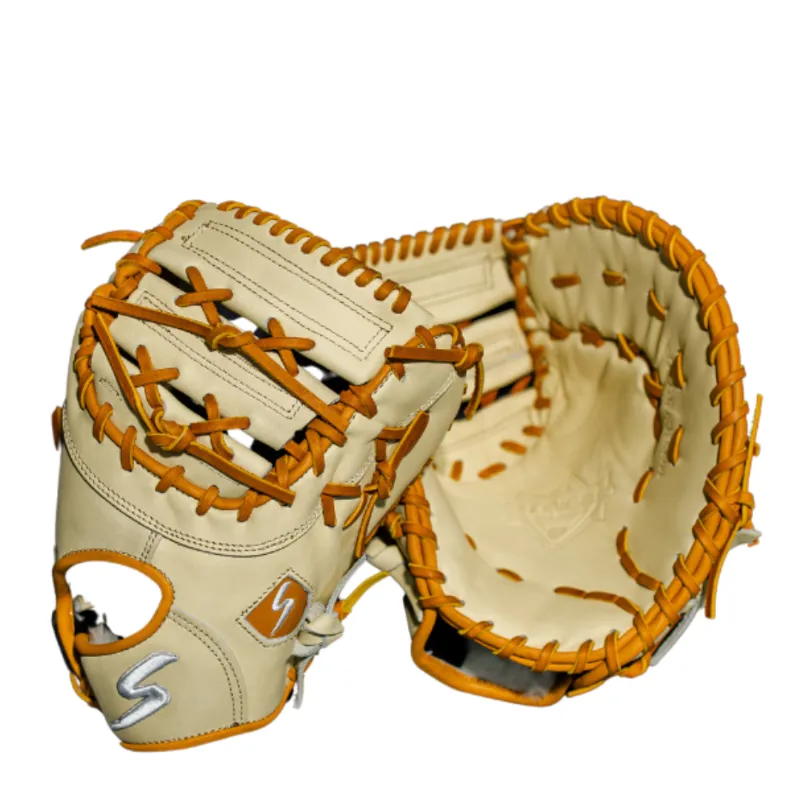
Catchers and infielders wear batting gloves for hitting but rarely need a sliding mitt unless they’re also fast runners. Your defensive gear already includes significant hand protection with your first base mitt or catcher’s equipment.
Recreational and youth players should prioritize batting gloves first, since every player bats but not everyone slides aggressively. Add a sliding mitt once your player shows confidence on the bases and starts attempting steals. Visit the discount page to save on both pieces when you’re ready to upgrade.
Care Tips to Extend the Life of Both
Batting gloves deteriorate faster than any other gear because they absorb sweat, dirt, and bat friction every game. Air them out after each use instead of stuffing them in your bag, and hand-wash with mild detergent when they start to smell. Never machine-dry leather gloves as heat cracks the material.
Sliding mitts need less frequent cleaning but should be wiped down after muddy or dusty games. Check the wrist strap and attachment points before each game, since a mitt that flies off mid-slide offers zero protection. Store both items in a ventilated area to prevent mildew.
Replace batting gloves when the palms show holes or the grip feels slick, typically every 40-60 games for regular players. Replace a sliding mitt if the padding compresses or the outer shell cracks, though quality mitts often last multiple seasons with proper care.
The Bottom Line: You Probably Need Both
Batting gloves and sliding mitts protect your hands in completely different scenarios, and the small investment in both pays off the first time you avoid a jammed finger or a bat that twists on a cold-weather mishit. Start with batting gloves if you’re choosing just one, since every player hits but not everyone slides. Add a mitt once your base-running becomes aggressive enough to put your hands at risk.
Questions
Can I use batting gloves instead of a sliding mitt?
No, batting gloves offer minimal padding and won't protect against cleat spikes or the impact of hitting a base at full speed. They're designed for grip, not collision protection.
Which hand should I wear a sliding mitt on?
Wear it on your lead hand, the one that reaches the base first during your slide. For headfirst slides, that's usually your dominant hand; for feet-first slides, it depends on which direction you slide.
Do professional players wear sliding mitts?
Yes, sliding mitts have become standard in MLB over the past decade. Most base stealers and aggressive runners wear them to prevent hand and wrist injuries.
How long do batting gloves typically last?
Quality batting gloves last 40-60 games with regular use, though leather options often outlast synthetic. Replace them when the palms tear or lose their tackiness.
Can I wear a sliding mitt while fielding?
No, the rigid shell prevents you from catching or throwing effectively. Remove it as soon as your team takes the field, or clip it to your belt until your next at-bat.
Are youth sliding mitts different from adult versions?
Youth mitts are sized smaller and often feature brighter colors, but the protection level is the same. Make sure the wrist strap is adjustable for a secure fit on smaller hands.
Products in this guide

 Shopping at Stinger Sports? See the discount code
10% OFF All Orders
Shopping at Stinger Sports? See the discount code
10% OFF All Orders
More in this series
When to Replace Your Batting Gloves: Signs of Wear and Loss of Grip20 Aug 20265 minCustom Baseball Jerseys: Sublimation vs Screen Print Durability Compared20 Aug 20264 minWhat Size First Base Mitt Should You Buy for Youth and Adult Players?20 Aug 20265 minDo White Baseball Pants Stay Clean? Care and Stain Removal Tips20 Aug 20265 minHow to Choose the Right Wood Baseball Bat Material for Your Swing Style20 Aug 20266 min