 A Stinger Sports guide
When to Replace Your Batting Gloves: Signs of Wear and Loss of Grip
Knowing when to replace batting gloves keeps your hands protected and your grip secure through every swing at the plate.
You should replace your batting gloves when the palm grip becomes smooth or slippery, when tears appear in high-wear zones, or when the fit loosens enough to cause bunching during your swing. Most players get 30 to 60 games from a quality pair, but the signs of breakdown matter more than any fixed timeline.
This guide walks you through the eight telltale signs that your gloves have crossed from broken-in to broken-down, so you can replace them before a slipping bat or blister costs you at-bats.
How Grip Degradation Affects Your Swing
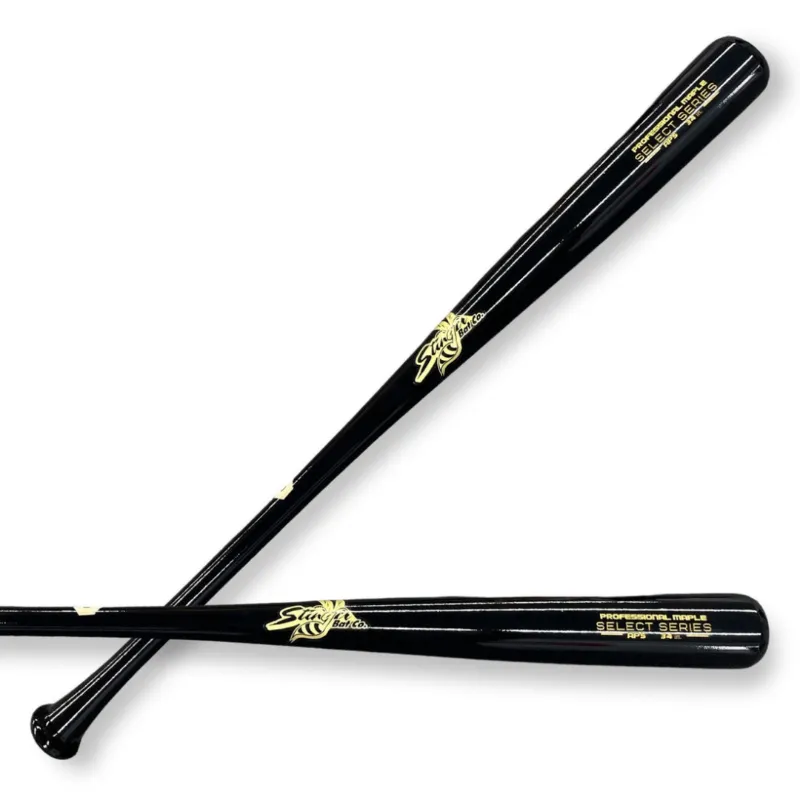
The palm and finger grip pads are the first casualties of heavy use. Synthetic leather or tackified palms flatten under the repeated pressure of gripping a bat, and the textured surface that once locked onto your wood baseball bat material gradually becomes smooth and glassy.
When grip fades, you compensate by squeezing harder, which tightens your forearms and slows bat speed. You’ll notice the bat twisting slightly in your hands on off-center contact, and in wet or humid conditions the gloves may feel dangerously slippery.
Check your palms under bright light and run your thumb across the surface. Fresh batting gloves have visible texture or stippling; worn gloves feel polished. If you’re questioning whether the grip is still good enough, it usually isn’t. For current pricing and to grab our discount code, visit our Stinger Sports page.
Visible Tears and Holes in High-Stress Zones
Tears typically start in three predictable locations:
- Palm crease where your hand folds around the bat handle
- Thumb crotch where the thumb meets the index finger
- Fingertips from friction against the bat knob or grip tape
Small punctures can be tolerated for practice, but once a tear exceeds a quarter-inch or exposes the inner lining, the glove loses structural integrity. The material around the hole will continue fraying, and sharp edges can irritate your skin or catch on your uniform.
Seam splits along the sides or between fingers also signal end-of-life. These stress points hold the glove together, and once stitching fails the fit becomes sloppy and unreliable.
Loss of Padding and Impact Protection
The foam or gel padding on the back of your hand absorbs vibration from mishit balls and protects against inside pitches. Over time this padding compresses and becomes thin and hard, much like an old pair of running shoes loses cushioning.
Press your thumb into the padded zones on the back of each glove. You should feel soft, responsive material that springs back. If the padding feels flat or you can easily press through to the underlying fabric, your gloves no longer offer adequate protection.
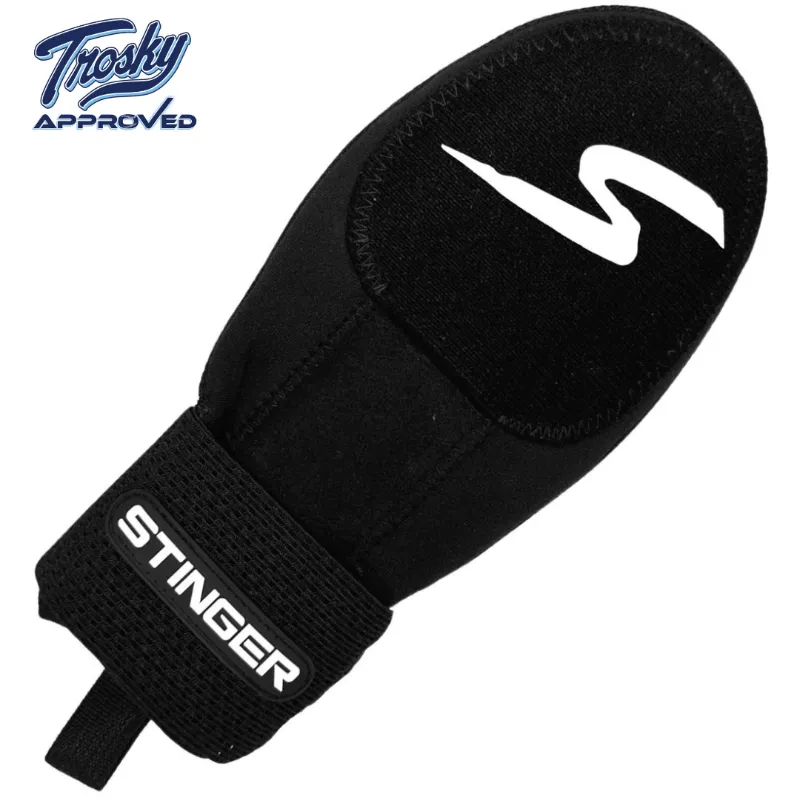
We see this breakdown accelerate when gloves are stored in hot gear bags or car trunks, where heat degrades foam faster. Players who also wear a sliding mitt baseball on the basepaths often preserve their batting gloves longer by limiting their use to the batter’s box.
Stretched or Loose Fit Around the Wrist
A secure wrist closure keeps the glove anchored and prevents bunching in your palm. Velcro straps weaken with repeated opening and closing, elastic bands lose tension, and the material around the wrist stretches from pulling the gloves on and off.
When your gloves no longer stay snug at the wrist, they rotate during your swing and create pressure points or folds that interfere with grip. You’ll find yourself adjusting them between pitches, which disrupts your timing and focus.
Try the shake test: put the gloves on and fasten them normally, then shake your hands vigorously. If the gloves slide more than a quarter-inch up your wrist or twist around your hand, the fit is too loose for game use.
Material Breakdown Comparison by Glove Type
Different materials wear at different rates. Here’s what to expect from common constructions:
| Material | Typical Lifespan | Primary Wear Point |
|---|---|---|
| Genuine leather | 50 to 80 games | Palm flattening, stiffness |
| Synthetic leather | 30 to 50 games | Grip smoothing, seam splits |
| Hybrid (leather palm, mesh back) | 40 to 60 games | Mesh tearing, palm wear |
Genuine leather gloves develop a personalized break-in but eventually become stiff and lose tackiness. Synthetic gloves maintain flexibility longer but the grip surface degrades faster. Mesh-back designs breathe well but the lightweight fabric tears more easily than solid construction.
Match your replacement schedule to your usage. Weekend warriors can stretch a pair across a full season, while travel-ball players hitting 4 to 5 times per week need fresh gloves every 6 to 8 weeks. Check current deals and our code to stock up when you find a pair that fits your game.
Odor and Hygiene Issues That Won’t Wash Out
Sweat, dirt, and bacteria penetrate the inner lining and create persistent odors even after washing. While smell alone doesn’t kill performance, it signals that the material has absorbed enough moisture to compromise its structure.
Gloves that stay damp or smell sour are breeding grounds for skin irritation and fungal issues. If your gloves no longer dry completely between uses or if washing them three times hasn’t eliminated the odor, the fabric has become saturated and won’t recover.
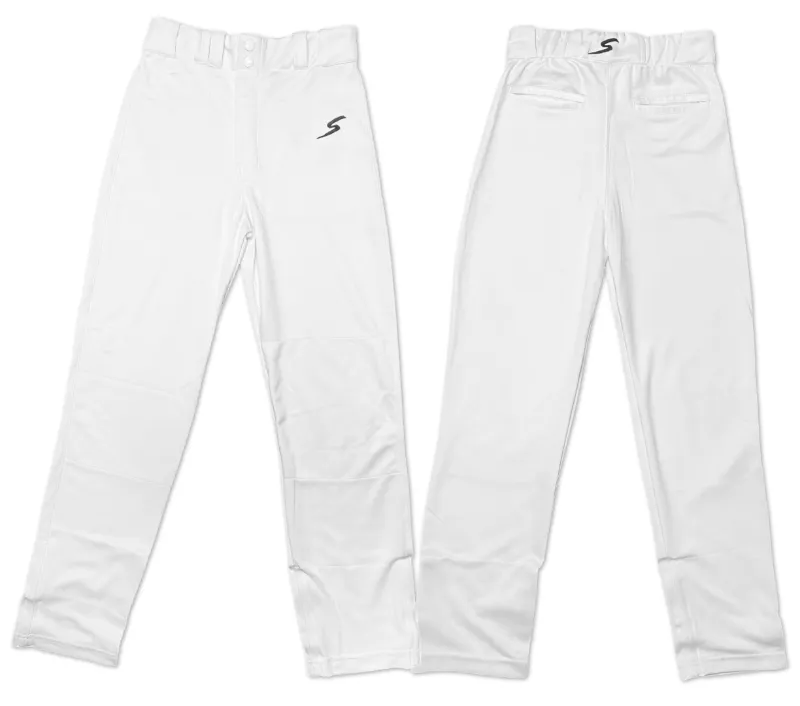
Players who also wear baseball pants or white baseball pants know that gear hygiene matters. Gloves are harder to clean than uniforms because the padding and multi-layer construction trap moisture, so plan to replace rather than rehabilitate heavily soiled pairs.
When Repairs Make Sense vs. Replacement
Minor issues can occasionally be patched:
- Small thumb splits under half an inch can be stitched with heavy thread
- Loose wrist straps can be re-secured with fabric glue or replacement Velcro
- Surface dirt and light staining respond to saddle soap or mild detergent
But once the palm grip is smooth, the padding is flat, or multiple tears appear, repairs become false economy. A $15 stitch job on $40 gloves that have lost grip doesn’t restore performance, and you’re better off investing that money toward a new pair.
We replace gloves when any two of the major wear signs appear simultaneously. One issue might be tolerable, but combined problems mean the gloves have crossed into the replacement zone. Browse batting gloves that match your position and budget, and consider buying two pairs to rotate between games and extend their working life.
Matching Replacement Timing to Your Season Schedule
Smart players sync glove replacement with their competitive calendar. Breaking in new gloves takes 3 to 5 sessions, so avoid swapping them the day before a tournament or playoff series.
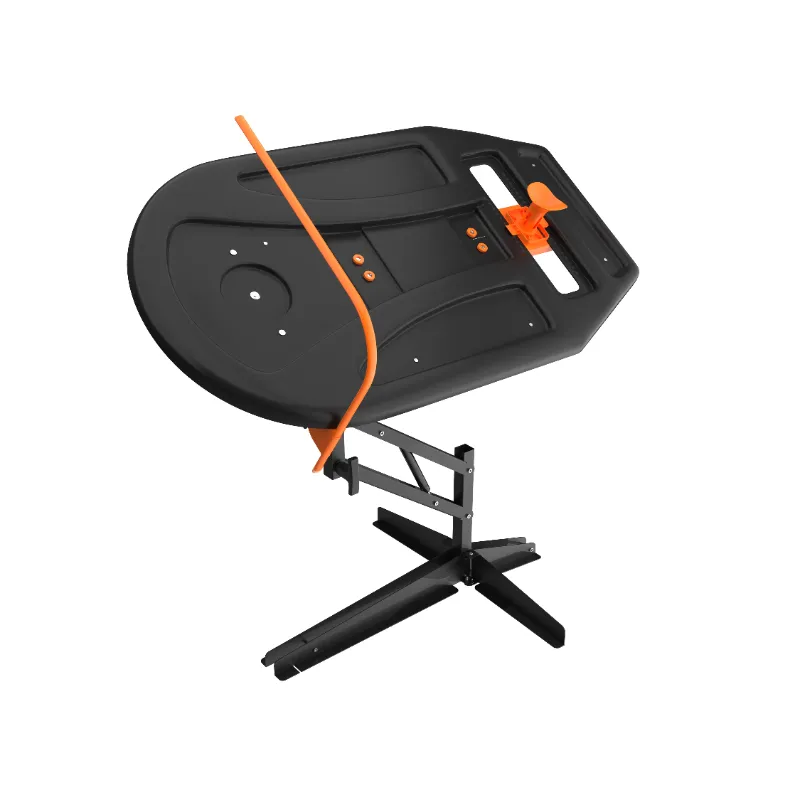
Order fresh gloves at the start of your season and midway through a long summer schedule. Wear new gloves in practice first, especially if you’re also adjusting to a new swing trainer routine or grip technique. Once they’re game-ready, retire your old pair to practice-only duty rather than discarding them immediately.
Youth players outgrow gloves before wearing them out, so prioritize fit over durability. Adult players in wood-bat leagues see faster wear due to increased vibration and harder contact compared to metal bats. Track your usage in a simple log or phone note to identify your personal replacement cycle and budget accordingly.
Questions
How long should batting gloves last?
Quality batting gloves typically last 30 to 60 games depending on frequency of use and care. Players who hit daily may need replacement every 6 to 8 weeks, while recreational players can extend a pair across a full season.
Can I wash batting gloves to extend their life?
Yes, hand-wash gloves in cold water with mild detergent and air-dry them away from direct heat. Washing removes dirt and sweat but won't restore lost grip or repair tears, so it extends hygiene more than performance lifespan.
Should I replace both gloves at the same time?
Replace both gloves together even if only one shows heavy wear. Mismatched grip and padding create inconsistent feel between your hands and can throw off your swing mechanics.
What causes batting gloves to lose grip faster?
Heat exposure, wet conditions, and playing on dirt-heavy fields accelerate grip degradation. Storing gloves in hot gear bags or leaving them in direct sunlight breaks down tackified palm materials faster than normal use.
Do expensive batting gloves last longer than budget pairs?
Premium gloves often use higher-grade leather and reinforced stitching that extends durability by 20 to 40 percent. However, proper care and rotation matter more than price, and a well-maintained budget pair can outlast an abused expensive pair.
Can I use batting gloves with visible wear for practice?
Gloves with grip loss or minor tears work fine for batting practice and drills where performance isn't critical. Reserve your newest pair for games and use older gloves for cage work to maximize your investment.
Products in this guide
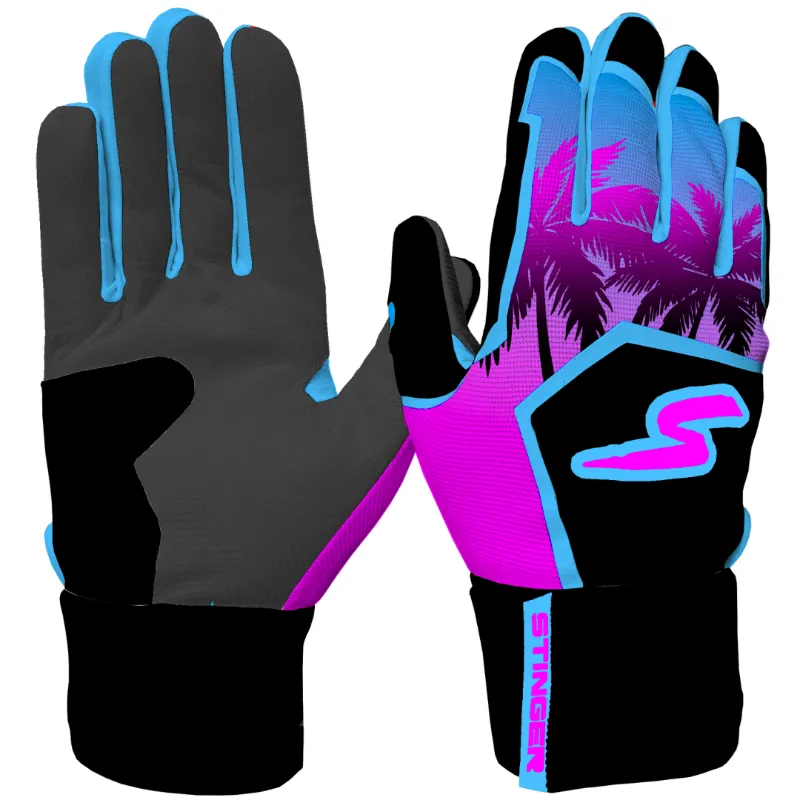 Shopping at Stinger Sports? See the discount code
10% OFF All Orders
Shopping at Stinger Sports? See the discount code
10% OFF All Orders
More in this series
 Custom Baseball Jerseys: Sublimation vs Screen Print Durability Compared20 Aug 20264 min
 What Size First Base Mitt Should You Buy for Youth and Adult Players?20 Aug 20265 minDo White Baseball Pants Stay Clean? Care and Stain Removal Tips20 Aug 20265 minBatting Gloves vs Sliding Mitts: Which Hand Protection Do You Actually Need?20 Aug 20265 minHow to Choose the Right Wood Baseball Bat Material for Your Swing Style20 Aug 20266 min