 A EART GUITAR guide
Do Single Coil Pickups Work for Metal? What You Need to Know
A single coil electric guitar can absolutely work for metal with the right setup, amp settings, and playing technique.
Can You Play Metal on a Single Coil Electric Guitar?
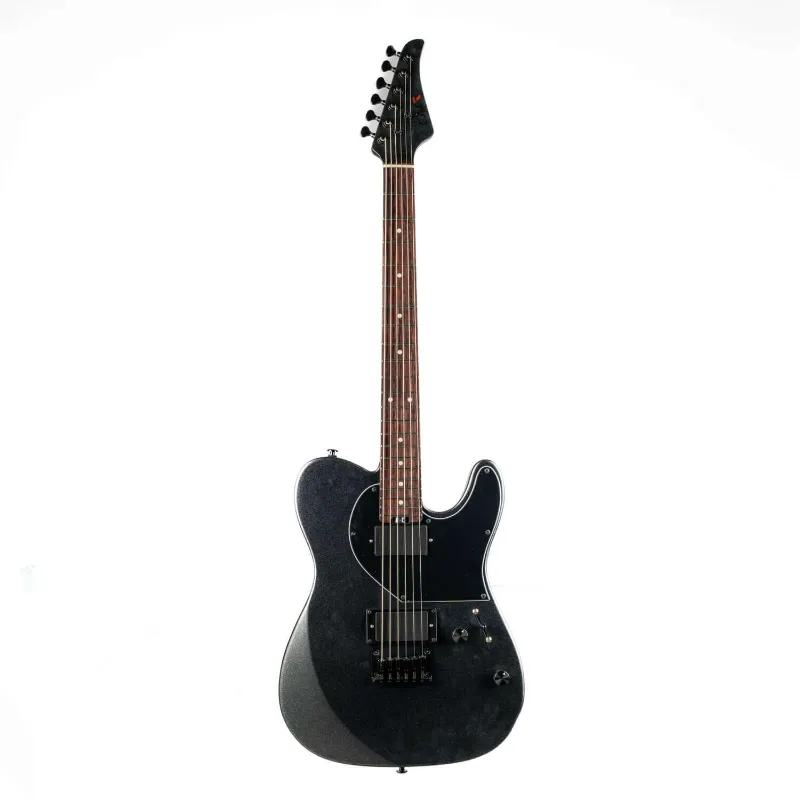
A single coil electric guitar can absolutely work for metal with the right setup, amp settings, and playing technique. While humbucker pickups traditionally dominate metal for their noise-canceling design and thicker output, single coil pickups deliver cutting clarity, tight low end, and articulation that many modern metal players prize. Whether you’re exploring a metal telecaster or a single coil electric guitar from EART, understanding how to maximize your tone will open up aggressive, articulate sounds that punch through dense mixes.
Why Single Coil Pickups Are Underrated for Metal
Most players assume metal demands humbuckers, but single-coil pickups offer distinct advantages. They provide sharper attack and clearer note separation, which helps riffs stay defined even under heavy distortion. The tighter low end prevents muddiness in down-tuned or extended-range playing, and the midrange bite cuts through without sounding scooped or hollow.
The main trade-off is noise. Single coil pickups pick up electromagnetic interference, so you’ll hear hum in high-gain settings. Modern noise gates, proper shielding, and strategic pedal placement solve most of this. Players like Jim Root and John 5 have proven that single coil tones belong in metal when dialed in correctly.
Best Single Coil Models and Configurations for Heavy Music
Not every single coil guitar suits metal equally. Look for instruments with these features:
- Hot-wound or overwound pickups that push higher output without losing clarity
- Hardtail or fixed bridges for tuning stability and sustain under palm muting
- Solid body construction to minimize feedback and maximize resonance
- Modern radius fretboards (12″ or flatter) for fast, low-action shredding
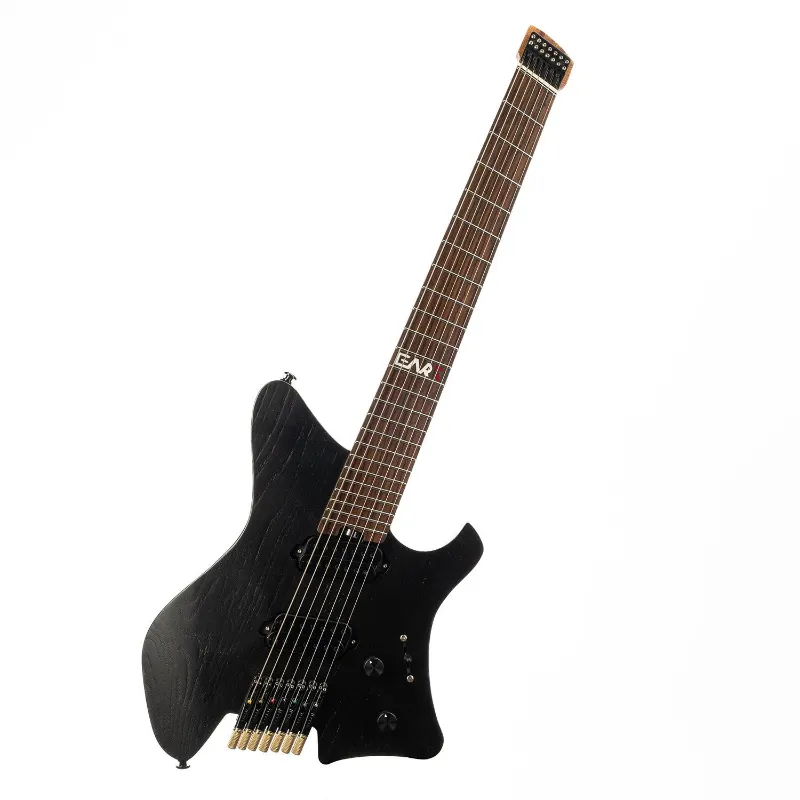
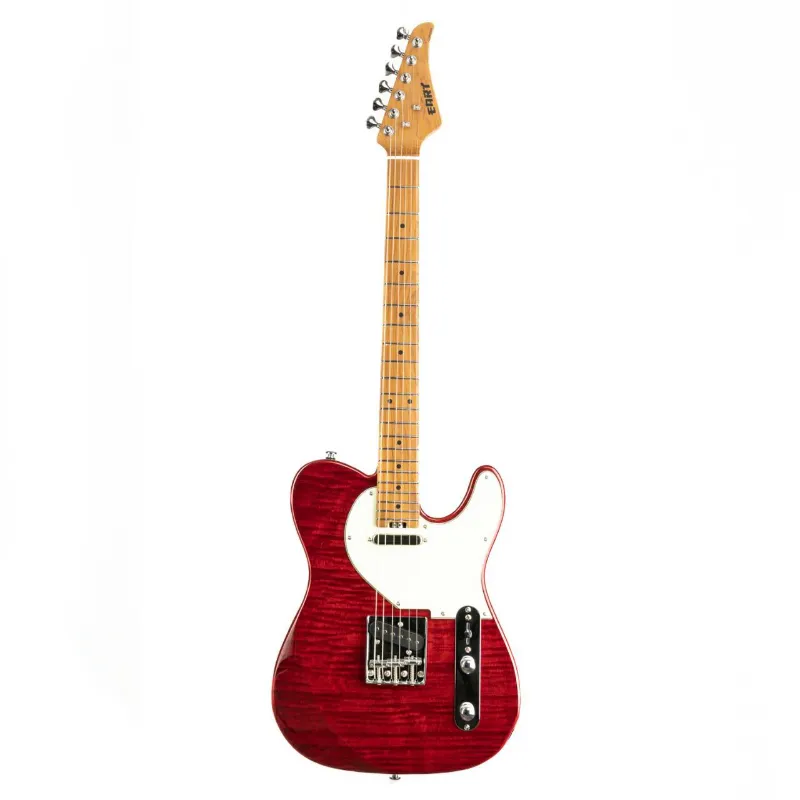
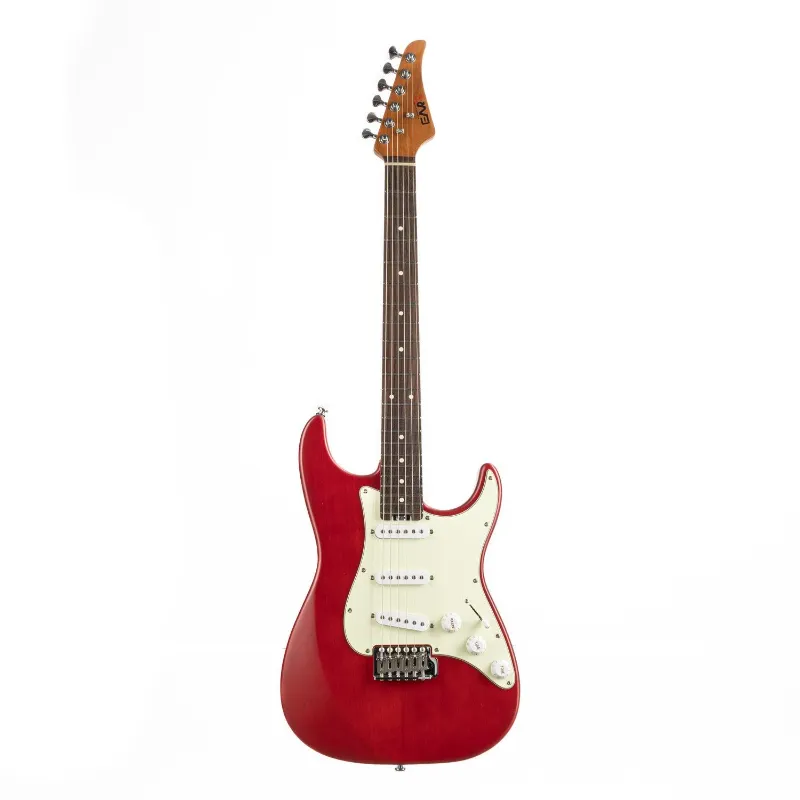
EART’s metal telecaster delivers exactly this combination, pairing high-output single coils with a hardtail bridge and ergonomic body. If you’re after extended range, the headless 7 string guitar offers single coil options that keep low B strings articulate without flubbing out. For players who want vintage aesthetics with metal capability, a vintage style electric guitar can be modded with hotter pickups or run through the right signal chain.
When comparing guitar single coil vs humbucker setups, remember that many metal players blend both. A single coil in the bridge position paired with a neck humbucker gives you percussive attack for rhythm work and warmth for leads.
Gear and Amp Settings That Make Single Coils Work for Metal
Your amplifier and pedal chain matter as much as the pickup itself. Follow this signal path for maximum clarity and aggression:
| Component | Recommendation |
|---|---|
| Noise gate | Essential for killing hum; place first in chain or in the FX loop |
| Overdrive/boost | Tightens low end and pushes the amp harder without adding mud |
| Amp | High-gain channel or modeler with tight, focused distortion |
| EQ | Cut excessive bass, boost upper mids (1 to 3 kHz) for bite |
Set your amp with moderate gain rather than maxing it out. Too much saturation compresses your dynamics and buries the single coil’s natural clarity. Keep bass around 4 to 5, mids at 6 to 7, treble at 5 to 6, and presence at 6 to 8. This balance lets palm-muted chugs stay tight while open chords retain shimmer.
A parametric EQ pedal or graphic EQ in your FX loop helps you sculpt the frequency response further. Boost around 2 kHz for aggression and cut below 100 Hz to remove rumble that causes speaker flub. Check the latest EART pricing and grab the code to build your rig within budget.
Playing Technique Adjustments for Single Coil Metal Tone
Technique compensates for output differences between single coils and humbuckers. Use these adjustments:
- Pick closer to the bridge for maximum attack and string snap
- Lighten your pick grip slightly to let the string vibrate fully and sustain longer
- Palm mute with precision by resting your hand just enough to dampen without killing all resonance
- Use compression sparingly since single coils already have natural dynamic range
Experiment with pick thickness. A 1.0 mm to 1.5 mm pick gives you enough control for fast alternate picking without sacrificing the bite that makes single coil pickups shine. Down-tuning works well, too. Drop D, C standard, and even B standard remain articulate if you use heavier gauge strings (11 to 52 or 12 to 54 sets) to maintain tension.
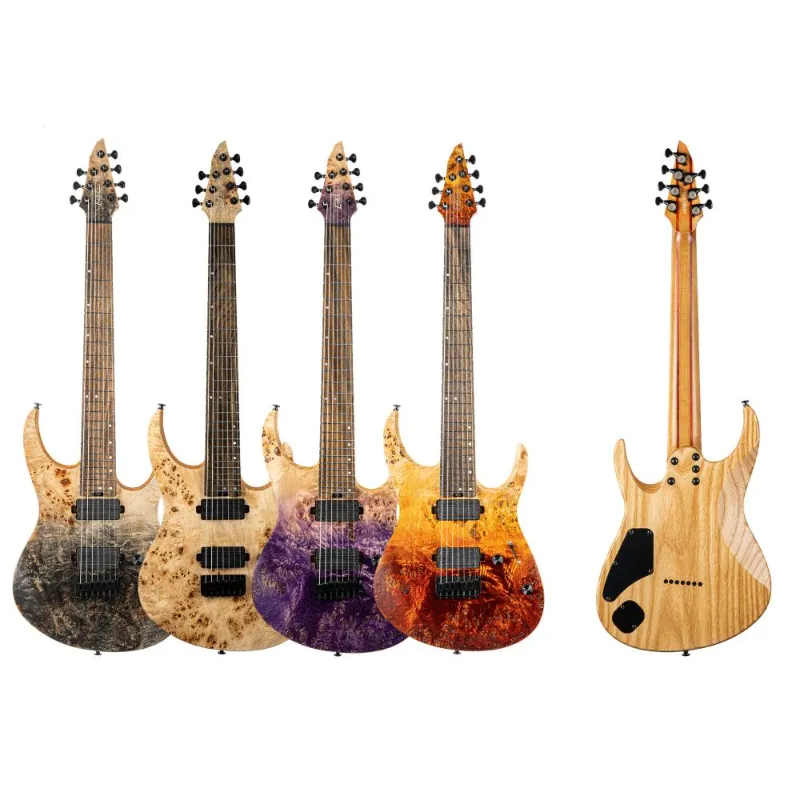
Players exploring seven string explorer or headless 7 string guitar models should pay extra attention to string tension and pickup height. Lower the bass side of the pickup slightly to balance output across all strings, and raise the treble side for even response during solos.
When to Choose Single Coil Over Humbucker for Your Metal Style
Your playing style determines whether single coil or humbucker makes sense. Choose single coil if you prioritize:
- Djent, progressive, or technical metal where note clarity and polyrhythmic riffing demand separation
- Thrash or crossover styles that blend punk aggression with metal precision
- Recording dense mixes where cutting through layers of bass, drums, and synth matters
- Vintage or hybrid tones that mix clean and dirty sounds in one song
Humbuckers still win for doom, sludge, and classic heavy metal that relies on thick, saturated walls of sound. But modern genres reward the articulation and percussive snap of single coil designs. If you’re curious whether a single coil pickup fits your vision, explore EART’s full lineup and test different models.
Reverend Guitars has also embraced this philosophy, offering bass contour controls and unique pickup blends that let single coil fans access heavier tones without switching to traditional humbuckers. Fender’s guide to pickup selection breaks down the technical differences and tonal characteristics in detail.
Building Your Single Coil Metal Rig on a Budget
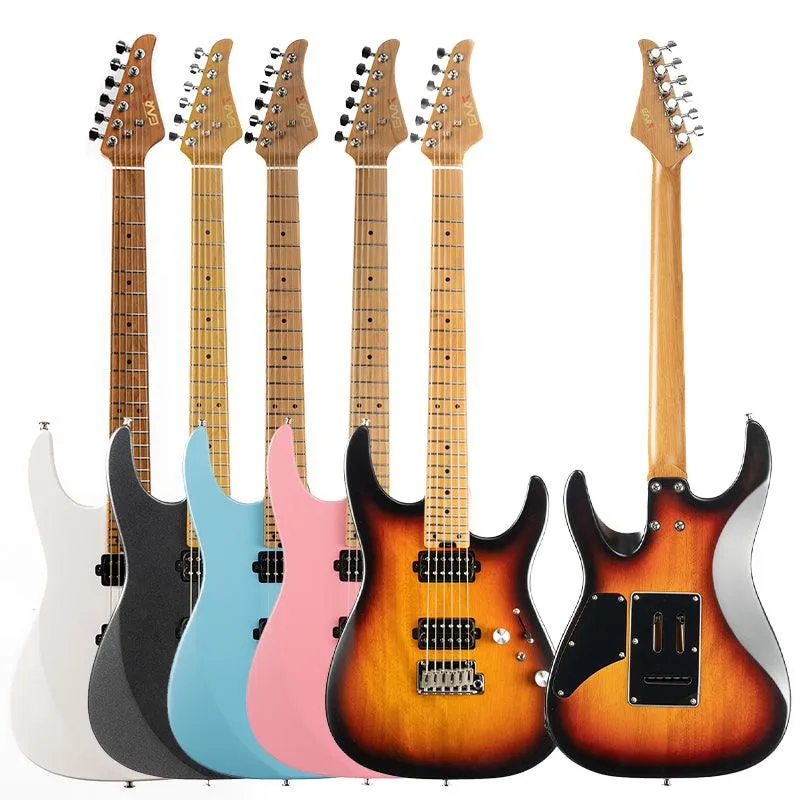
You don’t need boutique gear to make single coils work for metal. Start with a solid instrument like an eart guitar or thin body electric guitar, both of which deliver playability and tone without breaking your budget. Pair it with a modeling amp or budget tube amp that offers a tight, modern high-gain channel.
Add a noise gate pedal (around $50 to $100) and an overdrive or boost (another $50 to $150) to refine your signal. These two pedals transform a single coil setup into a metal machine. If you want flexibility, consider a multi-effects unit that includes amp modeling, EQ, and gate in one box.
String choice matters, too. Coated strings reduce finger squeak and last longer under heavy playing, while nickel-wound strings balance brightness and warmth. Experiment with gauges until you find the tension that supports your tuning and playing attack. Grab the current discount to stretch your gear budget further and invest in quality cables, a setup, and fresh strings.
Questions
Can single coil pickups handle high gain without too much noise?
Yes, when paired with a quality noise gate pedal and proper guitar shielding. Modern noise gates eliminate most hum, letting you run high gain while keeping your signal clean between notes.
What is the main difference between single coil and humbucker for metal?
Single coils offer tighter low end and sharper attack, making riffs more articulate. Humbuckers deliver thicker tone and cancel noise but can sound muddy under extreme distortion if not EQ'd carefully.
Do I need to modify my single coil electric guitar for metal?
Not necessarily. Start with amp settings, a noise gate, and an overdrive pedal. If you still want more output, consider upgrading to hot-wound single coils or adding a bridge humbucker in a HSS configuration.
Which EART models work best for metal with single coils?
The metal telecaster and headless 7 string guitar both offer high-output single coil options, hardtail bridges, and modern playability. Either model handles down-tuning and fast riffing with clarity.
Can I play djent or progressive metal on a single coil guitar?
Absolutely. The tight low end and note separation of single coils are ideal for complex polyrhythms and palm-muted chugs. Use a noise gate and boost pedal to maintain clarity at high gain.
Should I use heavier strings for metal on a single coil guitar?
Yes, especially if you down-tune. A set of 11 to 52 or 12 to 54 gauge strings maintains tension and keeps your tone tight. Heavier strings also reduce fret buzz and improve sustain under palm muting.
Products in this guide
 Shopping at EART GUITAR? See the discount code
$5 OFF All Orders
Shopping at EART GUITAR? See the discount code
$5 OFF All Orders
More in this series
 Maintaining Your Semi-Hollow Electric Guitar: Humidity, Storage, and Neck Care13 Aug 20264 minWhat to Know Before You Buy an EART Guitar13 Aug 20263 minSemi-Hollow vs Solid Body Electric Guitars: Which One Fits Your Playing Style?13 Aug 20265 minHow to Set Up and Intonate a Headless 7 String Guitar13 Aug 20265 min
 Are EART Guitars Good? A Build Quality Guide13 Aug 20265 min