 A EART GUITAR guide
Maintaining Your Semi-Hollow Electric Guitar: Humidity, Storage, and Neck Care
A semi hollow electric guitar demands specific care to prevent warping, cracking, and neck damage caused by humidity swings and improper storage.
A semi hollow electric guitar demands specific care to prevent warping, cracking, and neck damage caused by humidity swings and improper storage. Because these instruments combine a center block with hollow chambers, they react more to environmental changes than solid body guitars.
Why Semi Hollow Body Guitars Need Extra Attention

The construction of semi-hollow and hollow body electric guitars creates resonant chambers that enhance tone but also expose more wood surface area to humidity. Unlike solid body designs, the top and back plates on an eart guitar expand and contract with moisture changes. When humidity drops below 40 percent, the wood shrinks and can crack along the binding or near the f-holes. When it climbs above 60 percent, swelling causes the neck to bow forward and the action to rise.
Seasonal humidity swings often mean adjusting the truss rod on a vintage style electric guitar: tightening it slightly when winter humidity drops, then backing it off again as humidity rises in summer. This constant adjustment cycle stresses the neck and shortens truss rod life.
Key vulnerability points:
- Top and back plates near the f-holes
- Binding seams where wood meets plastic or nitrile
- Neck joint (set neck designs are especially sensitive)
- Fretboard edges when the wood shrinks away from fret ends
Humidity Control: The 45-55 Percent Rule
This range prevents wood movement without creating mold risk. A digital hygrometer inside the case tells you exactly where you stand, analog versions drift and give false readings.
Case humidification systems that work:
- D’Addario Humidipak two-way system (adds or removes moisture automatically)
- Boveda packs rated for guitars (replace every 2-4 months)
- Oasis soundhole humidifiers for storage inside the case
Place the humidifier in the accessory compartment or wedged gently under the headstock, never touching the finish. Check the hygrometer weekly. When ambient room humidity drops in winter, you may need two Boveda packs per case. In summer, one pack or none may suffice.
Check the latest price on EART models that ship with climate guidance specific to semi-hollow body guitars advantages disadvantages in your region.
Storage Best Practices for Hollow Guitars
Wall hangers and stands expose your guitar to room humidity swings and temperature gradients. Floor level and ceiling height in a typical room can differ enough in temperature to cause constant expansion and contraction cycles. A hardshell case buffers these changes and protects against accidental knocks.
Storage rules to follow:
- Always loosen strings by one full turn if storing longer than two weeks
- Store the case flat or standing on its side, never leaning at an angle
- Keep the case away from exterior walls, heating vents, and windows
- Open the case every two weeks to exchange air and check humidity
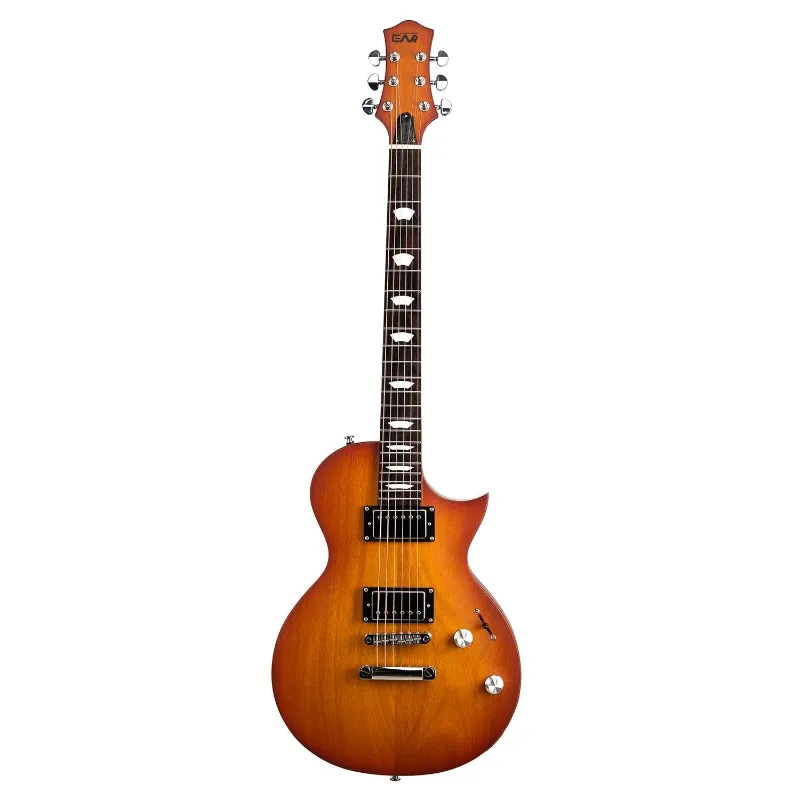
For players who rotate between a thin body electric guitar and a semi-hollow, a climate-controlled room is worth the investment. A small space heater with a built-in humidistat set to 50 percent is an affordable option that runs only when needed.
Neck Care and Truss Rod Adjustment
Semi hollow body guitar necks react faster to humidity than solid body necks because the body wood is also moving, which transfers stress to the neck joint. Check relief every season by fretting the low E string at the first and last frets simultaneously, then measuring the gap at the eighth fret. A business card thickness (around 0.010 inches) is ideal.
When to adjust the truss rod:
- Relief exceeds 0.015 inches (neck bowing forward, often from high humidity)
- Relief drops below 0.005 inches (back bow, often from low humidity or over-tightening)
- Fret buzz appears suddenly across multiple frets
Turn the truss rod nut no more than one-eighth turn at a time, then let the neck settle for 24 hours before measuring again. If you need more than a half-turn total, the environment is the real problem, not the setup. Stabilize humidity first.
Tightening the truss rod repeatedly to compensate for dryness instead of humidifying the case can eventually crack the neck at the nut or split the wood along the grain.
Cleaning and Finish Care
Semi-hollow body guitars often feature nitrocellulose lacquer finishes that react to chemicals and sweat. For stubborn grime on the fretboard, 0000 steel wool works well on unfinished rosewood or ebony, working with the grain.
Finish maintenance schedule:
- Wipe down after every playing session (removes hand oils and sweat)
- Condition unfinished fretboards twice per year with lemon oil or fretboard conditioner
- Polish the body once per year with guitar-specific polish, not furniture spray
Avoid silicone-based products, which leave residue that interferes with future finish repairs. If your eart guitar has a gloss finish, the microfiber cloth alone keeps it clean. Grab the code for $5 off all orders when you stock up on maintenance supplies alongside your instrument.
Comparing Semi Hollow vs Solid Body Maintenance
| Maintenance Task | Semi Hollow Electric Guitar | Solid Body Guitar |
|---|---|---|
| Humidity monitoring | Required (45-55%) | Recommended (40-60%) |
| Case storage | Essential year-round | Optional in stable climates |
| Seasonal truss rod adjustment | Usually needed | Rarely needed |
| Finish sensitivity | High (often nitro lacquer) | Moderate (often poly finish) |
The extra care pays off in tone stability and resale value. Skipping this care can mean more frequent trips to a luthier for refrets and neck resets down the road.
When to Seek Professional Setup
Bring your semi hollow body guitar to a tech when you notice fret sprout (fret ends poking out past the fretboard edge), which signals severe dryness. Also see a luthier if the neck angle changes and the bridge saddles max out their adjustment range. These are structural issues that home maintenance cannot fix.
We recommend a professional setup twice per year for players in extreme climates and once per year for stable environments. A tech will level the frets, set intonation, and adjust the nut slots to compensate for seasonal wood movement you may have missed.

For collectors rotating between multiple instruments like a seven string explorer and a semi-hollow, document the setup specs for each guitar so you can track changes over time. Note the truss rod position, action height at the 12th fret, and string gauge with each seasonal adjustment.
Questions
What humidity level is safe for a semi hollow electric guitar?
Keep your semi hollow electric guitar between 45 and 55 percent relative humidity year-round. Below 40 percent risks cracks and binding separation, while above 60 percent causes neck bowing and high action. Use a digital hygrometer in the case to monitor levels weekly.
Can I hang my semi-hollow body guitar on the wall?
Wall hangers expose semi-hollow guitars to room humidity swings and temperature gradients that cause constant wood movement. Store in a hardshell case with a humidifier instead, especially during heating and cooling seasons when ambient humidity fluctuates.
How often should I adjust the truss rod on a semi-hollow guitar?
Check neck relief at the start of each season and adjust only if relief exceeds 0.015 inches or drops below 0.005 inches. Most properly humidified semi-hollow guitars need adjustment twice per year, compared to solid bodies that may go years without changes.
Do electric semi-hollow body guitars need different string care than solid bodies?
The strings themselves require identical care, but you should loosen tension by one full turn if storing your semi-hollow for more than two weeks. This reduces stress on the neck joint and top plate, which are more vulnerable to warping than solid body construction.
Why do semi-hollow guitars crack more easily than solid body guitars?
Semi-hollow construction exposes larger wood surfaces inside the resonant chambers to humidity changes. The thin top and back plates expand and contract more dramatically than a solid slab, which concentrates stress at the f-holes, binding, and neck joint where cracks typically start.
Should I use lemon oil on my semi-hollow guitar fretboard?
Use lemon oil or dedicated fretboard conditioner twice per year on unfinished rosewood or ebony fretboards. Avoid over-oiling, which attracts dust and grime. Maple fretboards with a finish need only a damp microfiber cloth, never oil.
Products in this guide
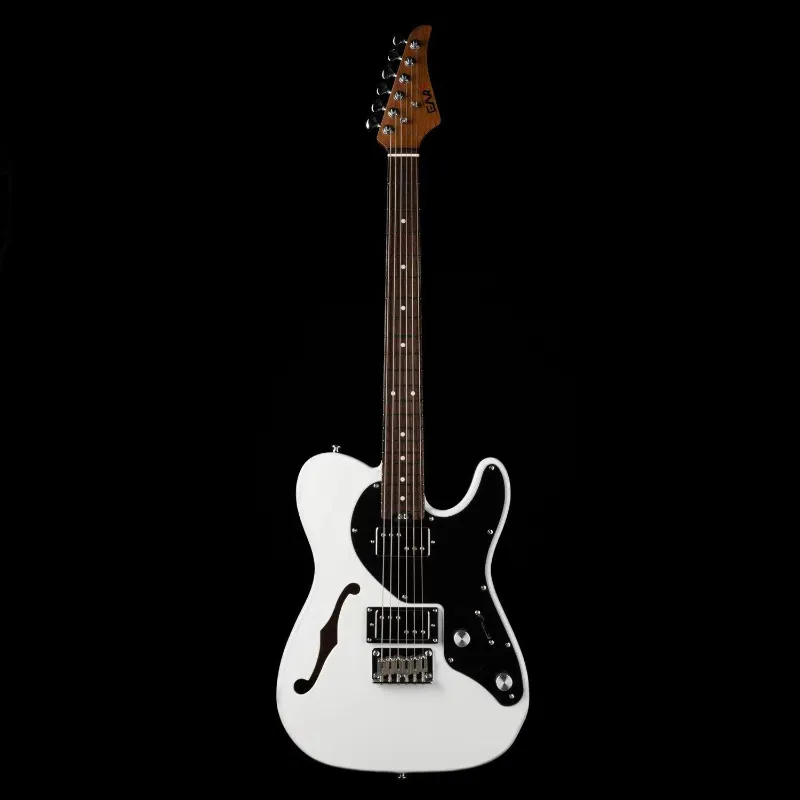
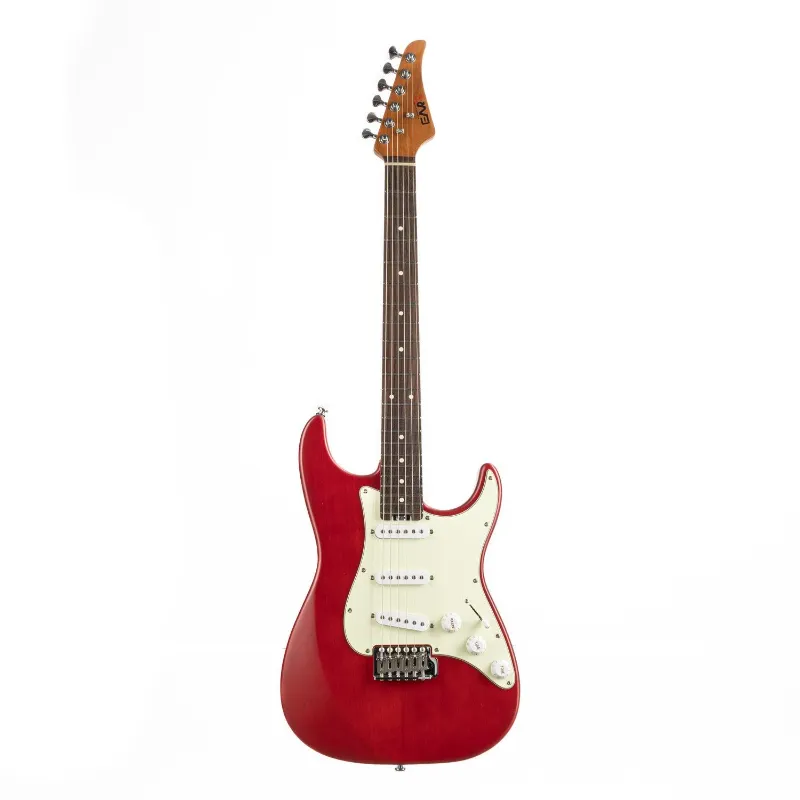
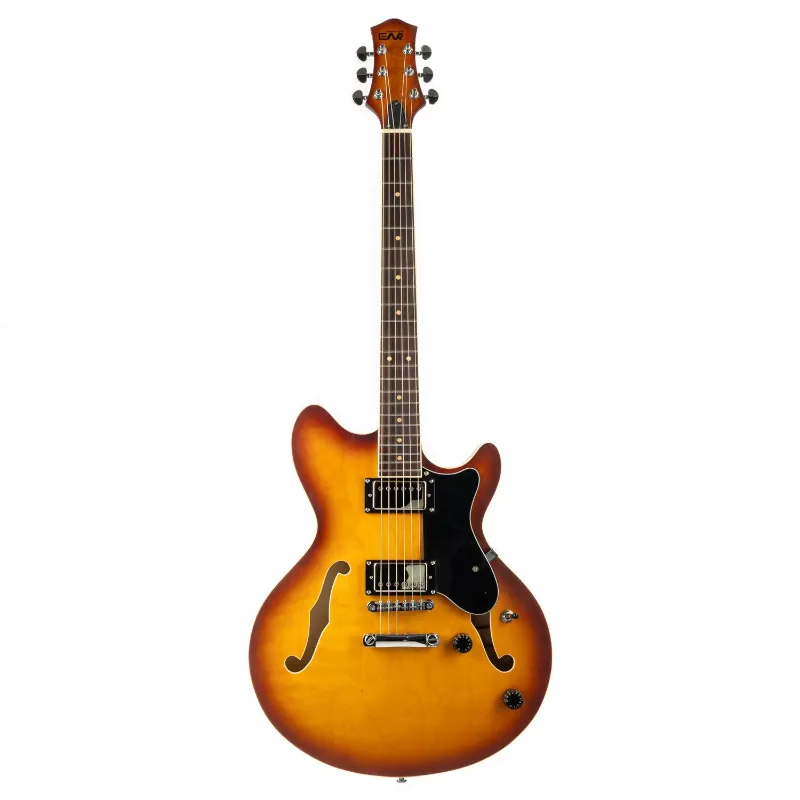
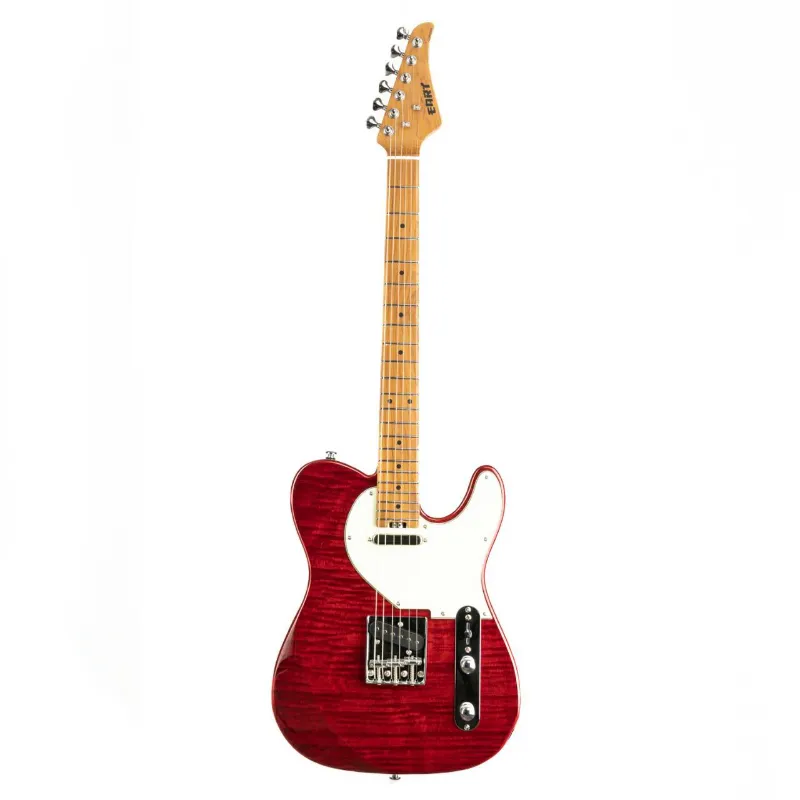 Shopping at EART GUITAR? See the discount code
$5 OFF All Orders
Shopping at EART GUITAR? See the discount code
$5 OFF All Orders
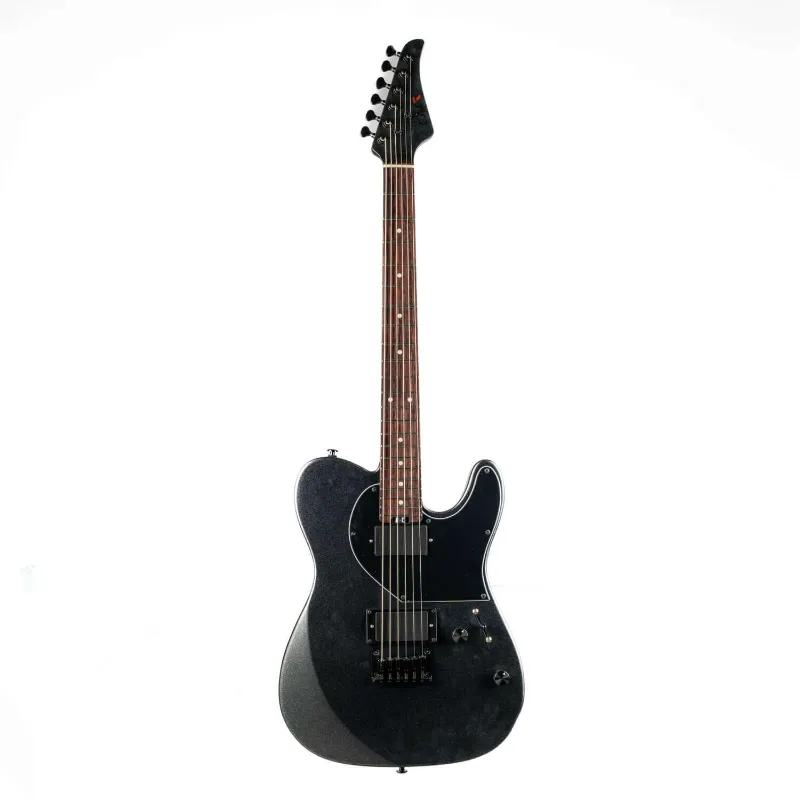
More in this series
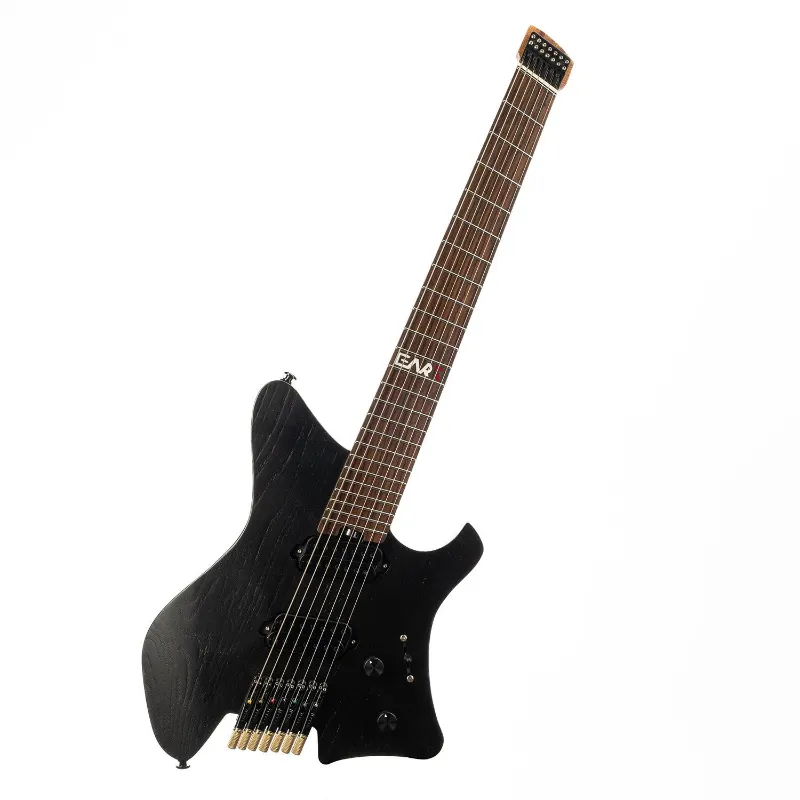 What to Know Before You Buy an EART Guitar13 Aug 20263 min
 Do Single Coil Pickups Work for Metal? What You Need to Know13 Aug 20265 minSemi-Hollow vs Solid Body Electric Guitars: Which One Fits Your Playing Style?13 Aug 20265 minHow to Set Up and Intonate a Headless 7 String Guitar13 Aug 20265 minAre EART Guitars Good? A Build Quality Guide13 Aug 20265 min